‘The lake is our life’: Protecting a shared lifeline in Uganda
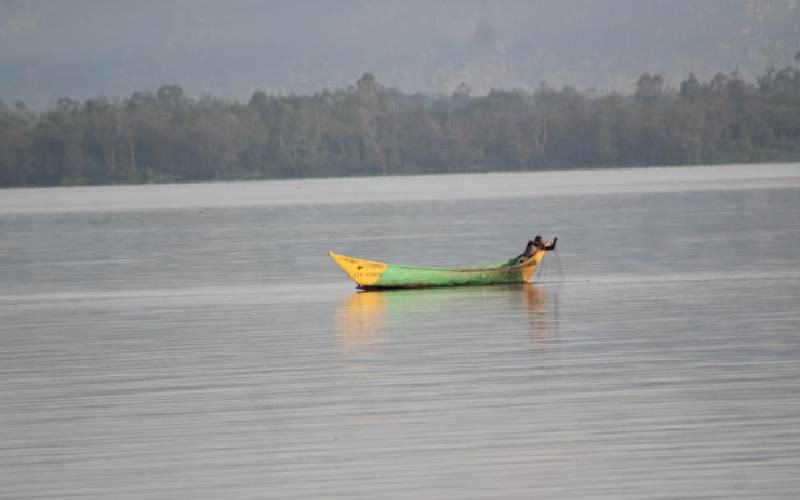
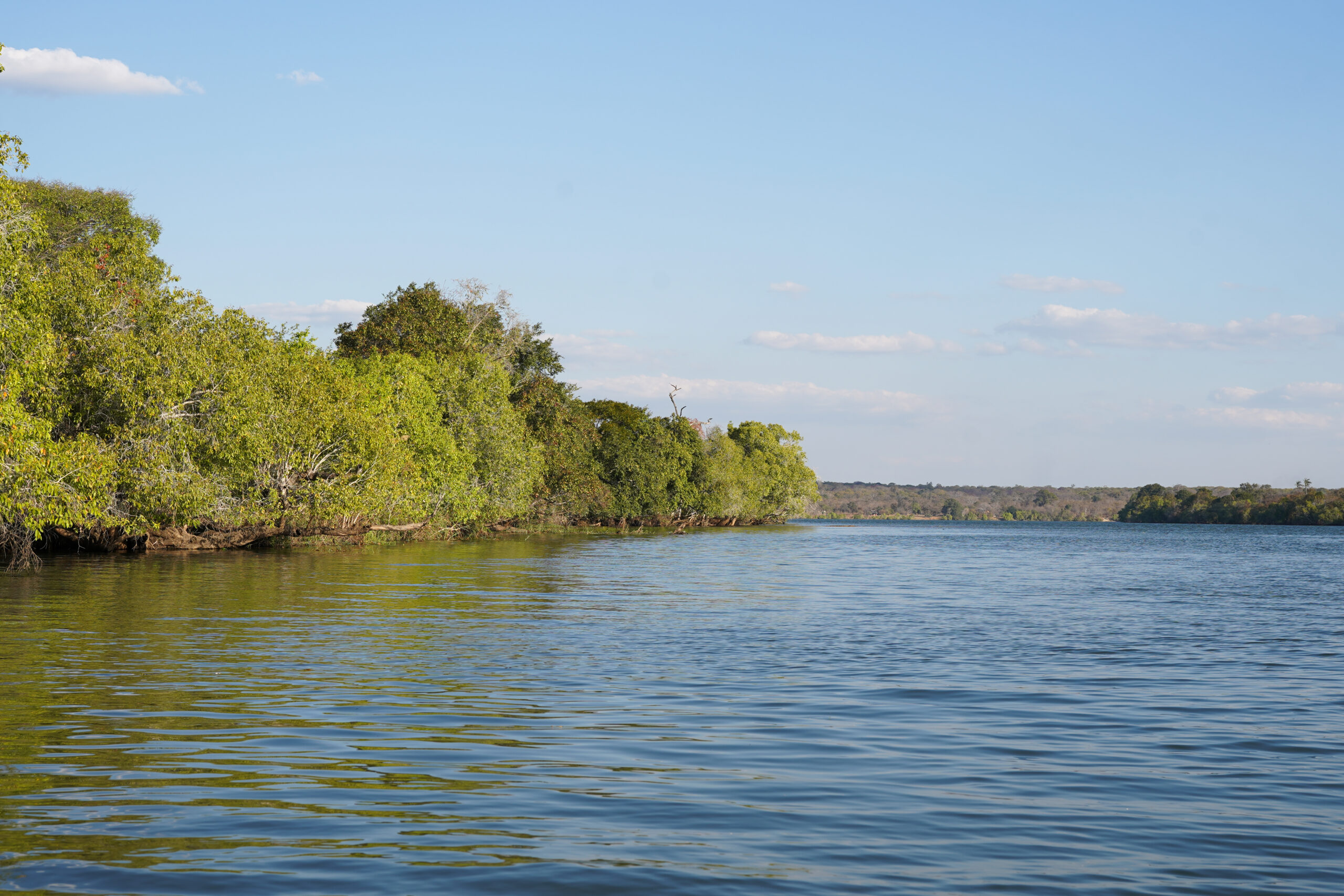
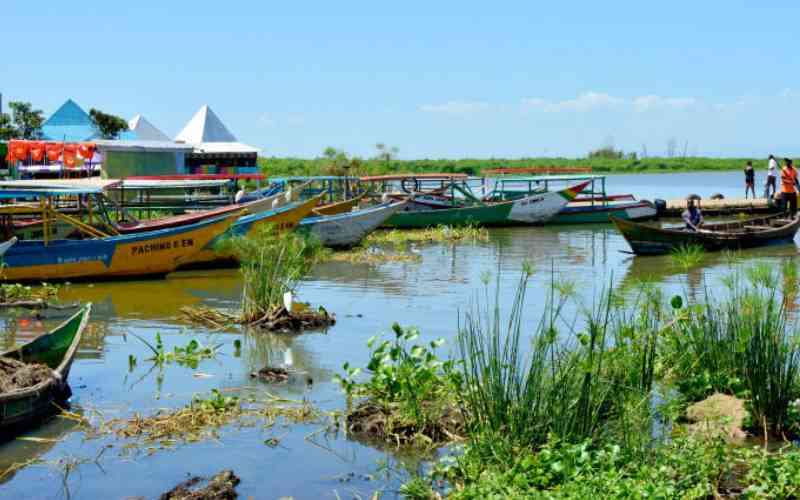
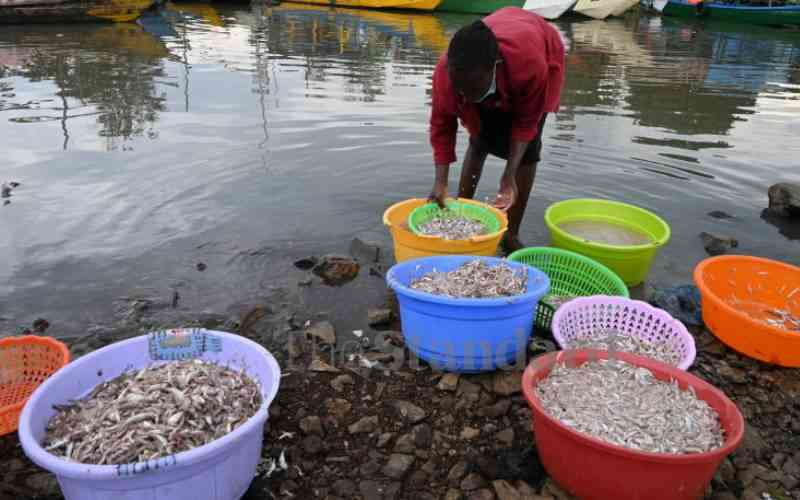
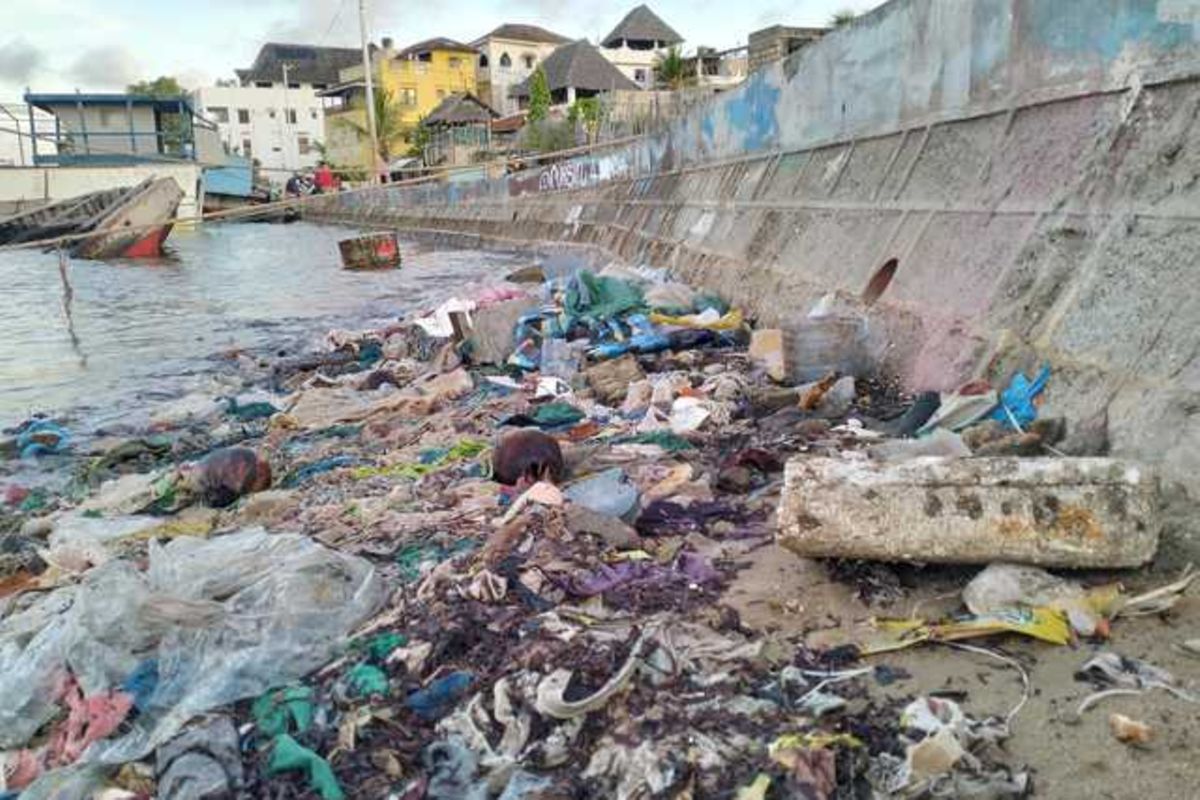
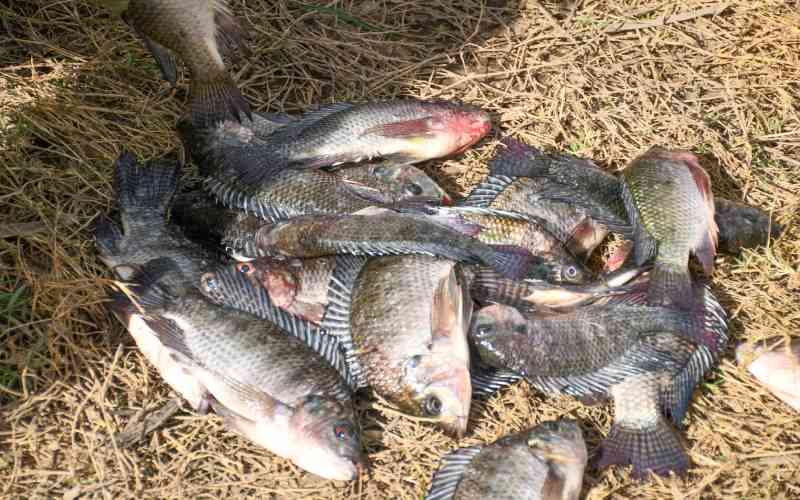
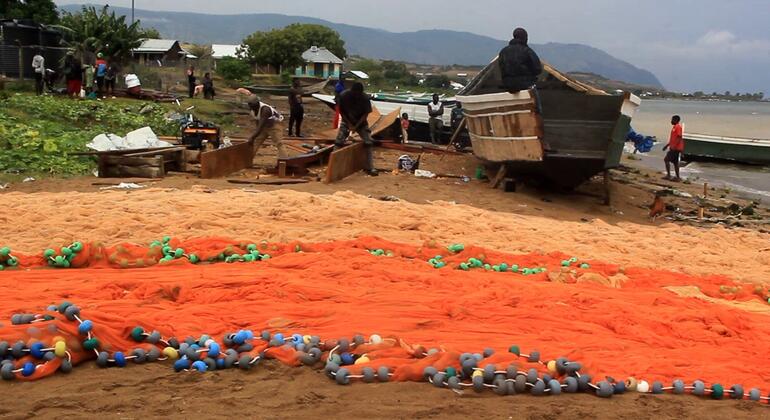
But, behind these daily activities lies an increasingly visible threat: plastic waste and other debris entering Lake Albert.Leaders of the local fishing community are warning that without urgent action, pollution could endanger fish stocks and, as a consequence, the lives of future generations.Like the local fishers, the UN has also warned of the decline of freshwater species due to pollution and environmental degradation in recent decades.Surface water bodies are shrinking or being completely lost in areas home to 93.1 million people, while more than a quarter are becoming increasingly cloudy because of pollution, according to a 2024 report by the UN Environment Programme (UNEP) and UN-Water.In celebration of World Lake Day, marked annually on 27 August, Solomon Wamara, the chairperson for fishers on Lake Albert, said the community cannot continue to view the lake as a source of livelihood while allowing it to be filled with waste.“It is a good time to highlight the threats facing this lake that is our lifeline,” he told UN News.Plastics threaten fish breeding groundsFor Mr. Wamara, plastic waste is not just a sanitation issue. It directly affects the future of fishing and food security.He said that when plastic bags and other waste are thrown away, they eventually end up in the lake, where they can affect the areas where fish breed and grow.But the pollution doesn’t stop at the lake’s shores.Agricultural activities and waste disposal often carry waste from the Wambaya, Waki and Nguse rivers into Lake Albert, Mr. Wamara said.“River pollution affects fish breeding grounds and also food security. These rivers are essential for the survival of fish and communities that depend on the lake,” he said. “The lake is our life.”Society’s responsibilityThe community should change the way it cares for the lake, according to Mr. Wamara.He urged communities living around Lake Albert to stop dumping waste – especially plastic – and to participate in environmental sanitation activities.Mr. Wamara supports monthly the cleanliness campaigns and say such efforts should be expanded and involve more communities.Conservation efforts should also consider the financial situation of the people whose livelihoods depend on the lake, he said.Rather than excessively taxing traditional fishers, he said authorities should help them continue fishing sustainably and within the law.