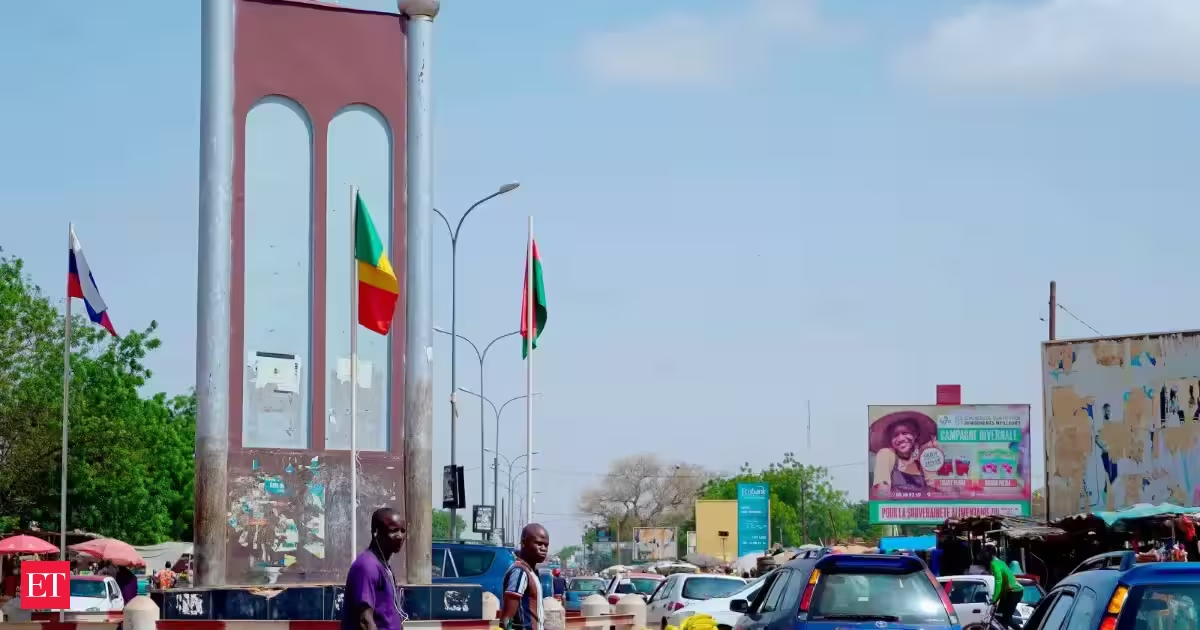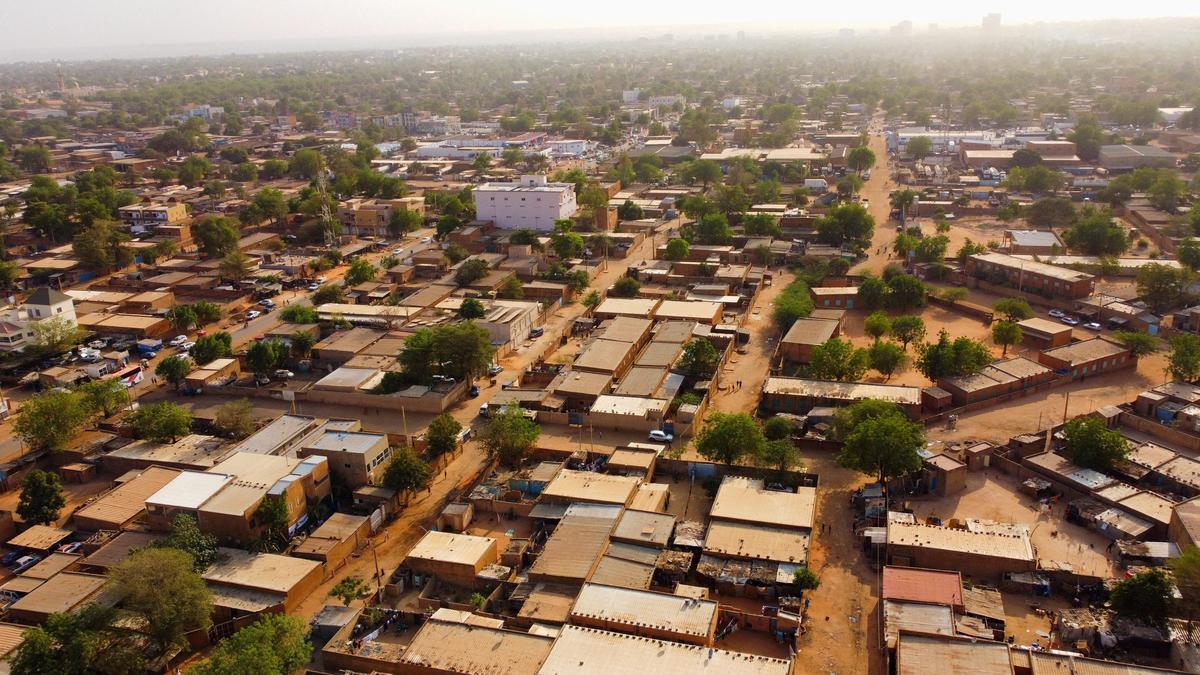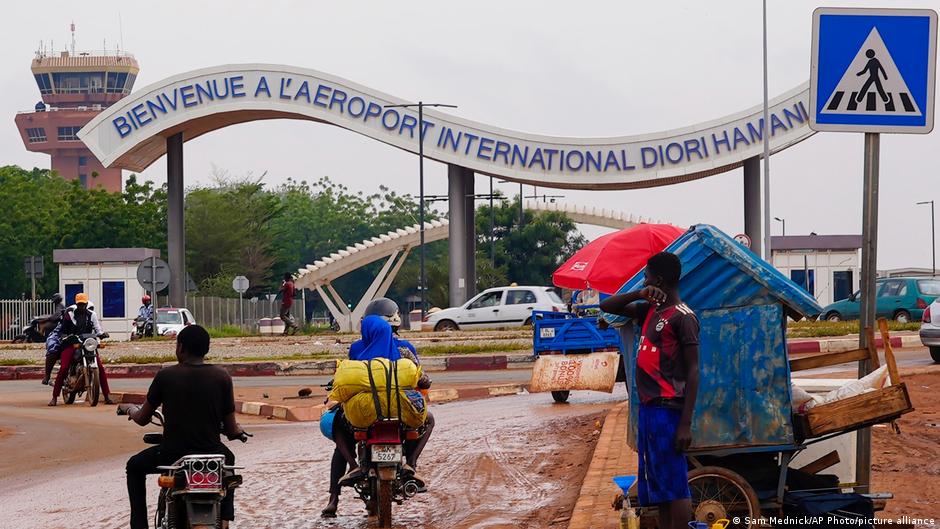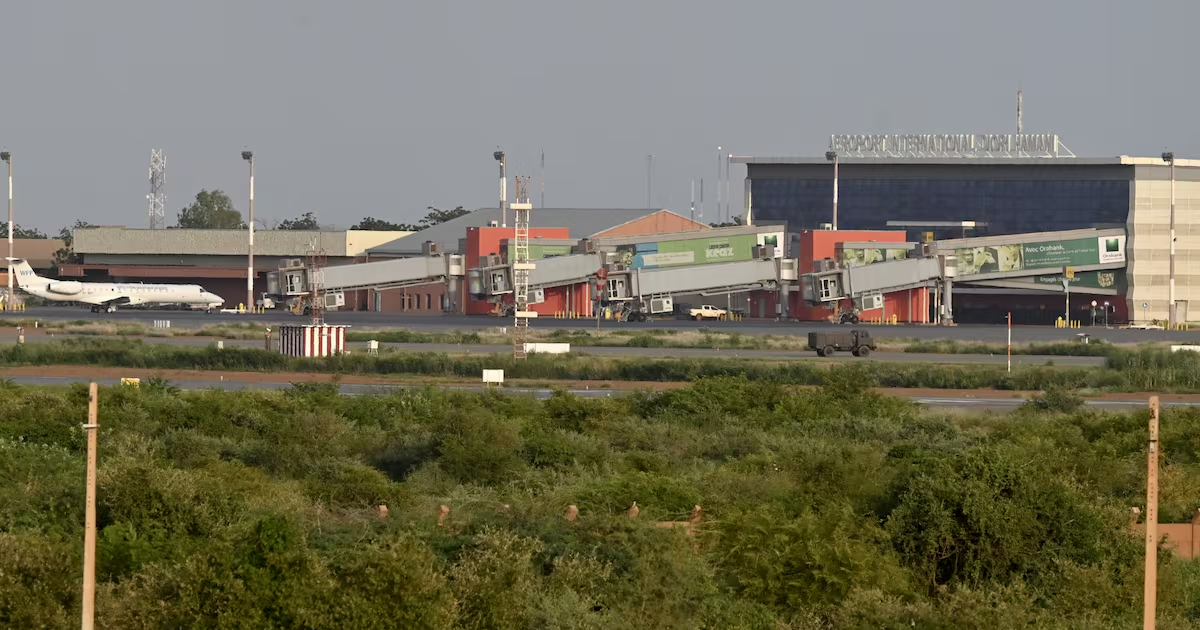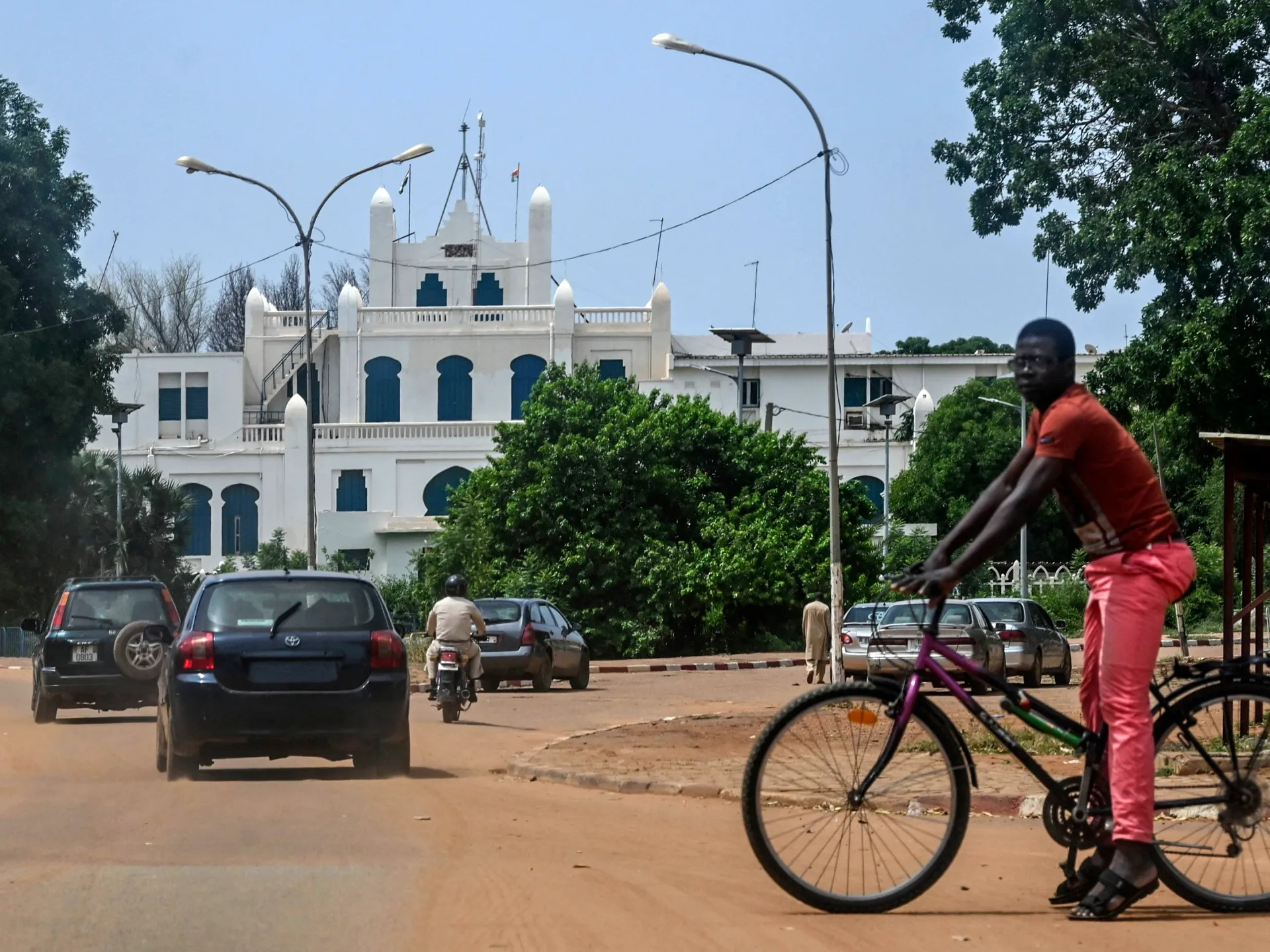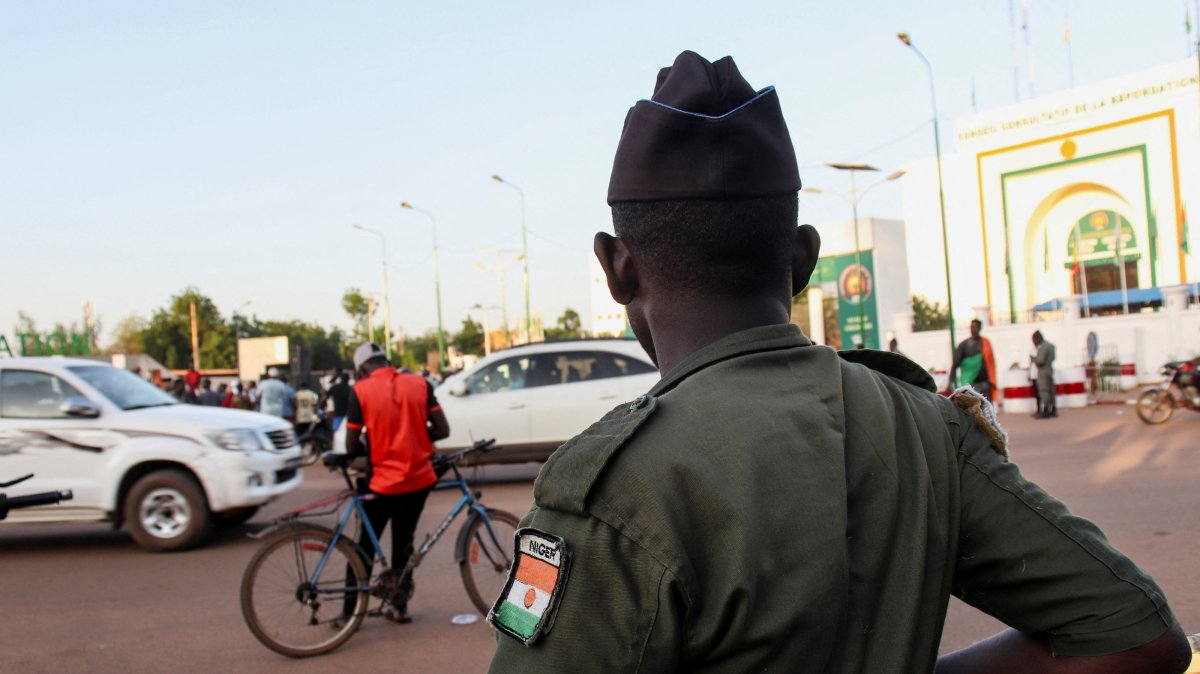
In the early hours of Aug. 29, heavy gunfire and explosions were heard across Niger’s capital, Niamey, around Diori Hamani International Airport, the adjacent Air Base 101, and the Plateau administrative district where the Presidential Palace stands. One security source described the attackers as “terrorists,” while other sources reported the incident as an attempt by mutinous soldiers. State broadcaster RTN suspended its live programming for a time and resumed transmission later in the morning. That weakened the initial claims that the station had been seized. Officials announced that control had been restored, that some of the attackers had been neutralised and that others had fled.
The truth is that the nature of the incident is still not settled. The difference between an “extremist raid” and a “military mutiny” is no minor detail. It will shape the path Niger takes in the months ahead. But it is worth noting that in the Sahel these two categories are increasingly blurring into one another.
Pressure from 3 axes
First, security attrition. According to the Armed Conflict Location and Event Data (ACLED) data, conflict-related deaths have risen by roughly 55% since the July 2023 coup, reaching 4,620. Of these, 3,371 are in the Tillabéri region alone. Information attributed to security sources indicates that in June 2026 alone, at least 223 soldiers and civilians were killed nationwide, 161 of them again in Tillabéri. That same month, the Islamic State in the Greater Sahara announced it had captured the Banibangou camp. In an attack on the military camp at Inatès, some 70 Nigerien soldiers were reported killed. In September 2025, armed groups encircled the town of Tillabéri and looted part of it.