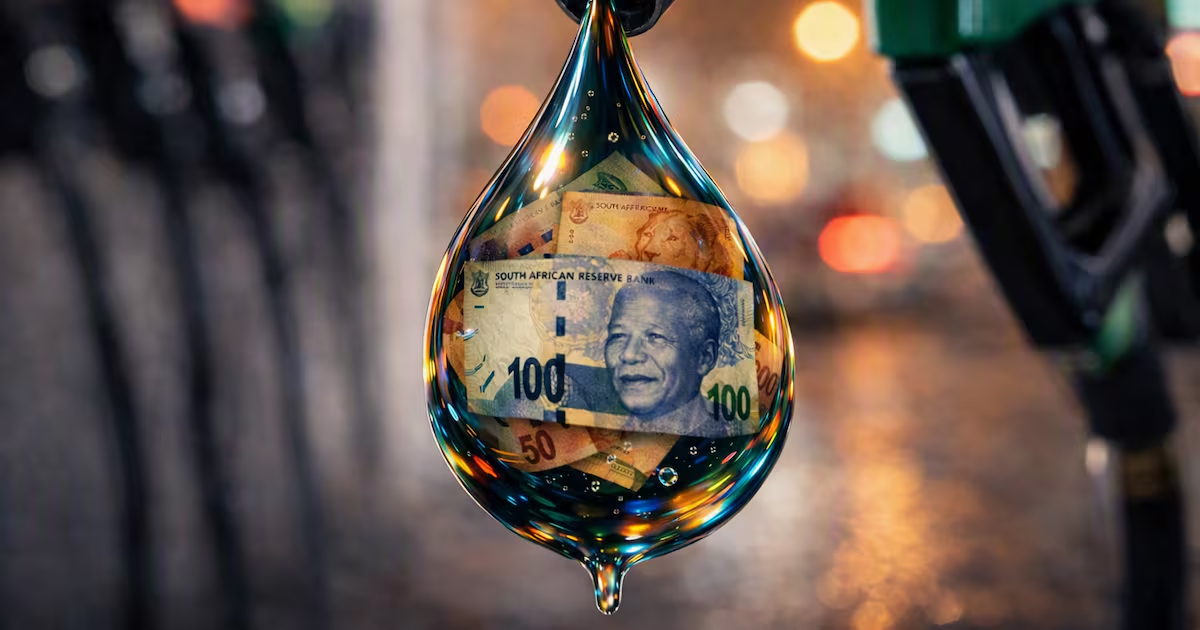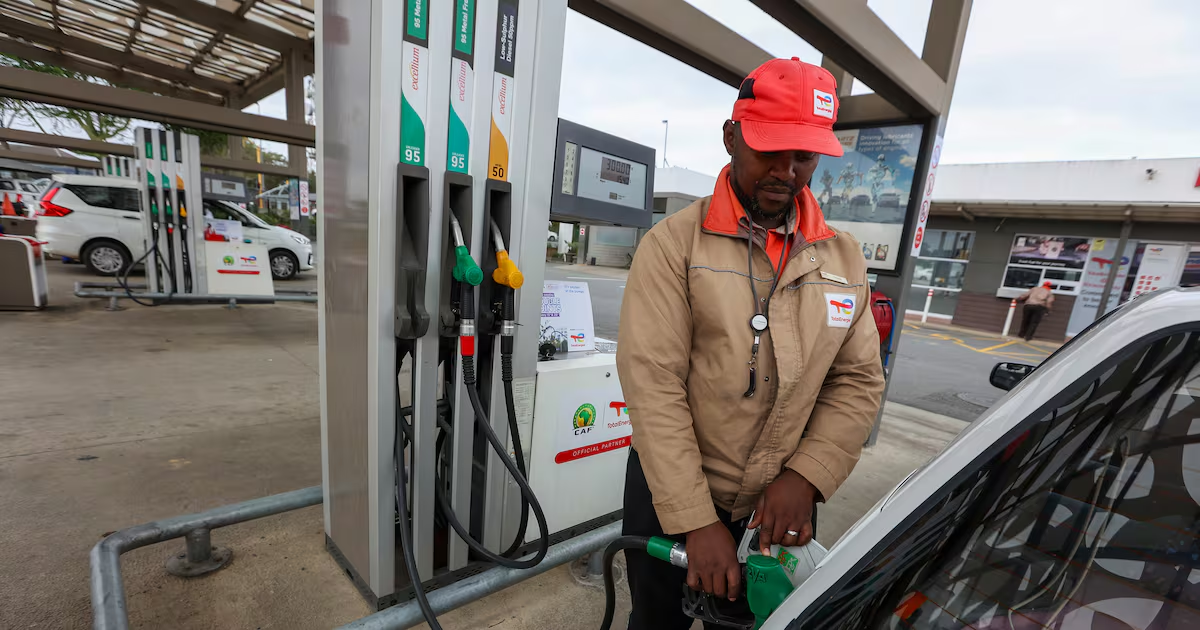
The pump price of all grades of petrol will climb by R1.34 a litre from Wednesday, while the wholesale cost of diesel will jump by as much as R3.15, the department of mineral and petroleum resources said on Monday.The increases mean 95-grade petrol will cost R26.92 in the economic hub of Gauteng and R26.05 in coastal areas from September 2, while the wholesale price of diesel will be as high as R29.31. Unlike petrol, the retail price of diesel is not regulated.The wholesale price of illuminating paraffin, used by many South African households for lighting and cooking, will rise by R2.13./l to R20.89 in Gauteng, while LP gas will cost R0.69 more per kg at R37.39.South Africa, a net importer of crude oil and finished petroleum products, has been hit hard by the turmoil in global markets that has resulted from the US war against Iran since late February. Domestic fuel prices lag international trends by about a month, based on the cost of importing the products over the preceding 30 days.In the latest period under review, the average Brent crude oil price increased from $82.37 to $87.88, due to “the continued US-Iran tensions, uncertainty regarding the flow of oil through the Strait of Hormuz and higher shipping costs”, the mineral and petroleum resources department said in a statement.The average international prices of petrol, diesel and illuminating paraffin also rose due to supply shortages caused by the separate conflict between Russia and Ukraine which has been raging since 2022.This was offset by a stronger rand on average against the dollar during the previous month, which led to lower contributions to the basic fuel prices of petrol, diesel and paraffin.The basic fuel price, which reflects import parity costs, global product prices and shipping-related import costs and the rand exchange rate, makes up only a portion of the total price consumers pay at the pump. The government adds other fixed and regulated costs such as the general fuel levy, carbon fuel levy and Road Accident Fund levy.A global study by the Finland-based Centre for Research on Energy and Clean Air (CREA) lists South Africa among the top 20 countries that paid the most for the Strait of Hormuz price shock between March and August.It said local fuel importers have incurred at least $3.5bn (R56.48bn) in extra costs since the outbreak of the conflict in late February sent the price of oil surging and created the largest and most sustained price shock since the 1990 Gulf War.Business Day
Consumers to pay more for petrol and diesel from September 2
Stronger rand offers limited relief as international oil costs soar
415 words~2 min read