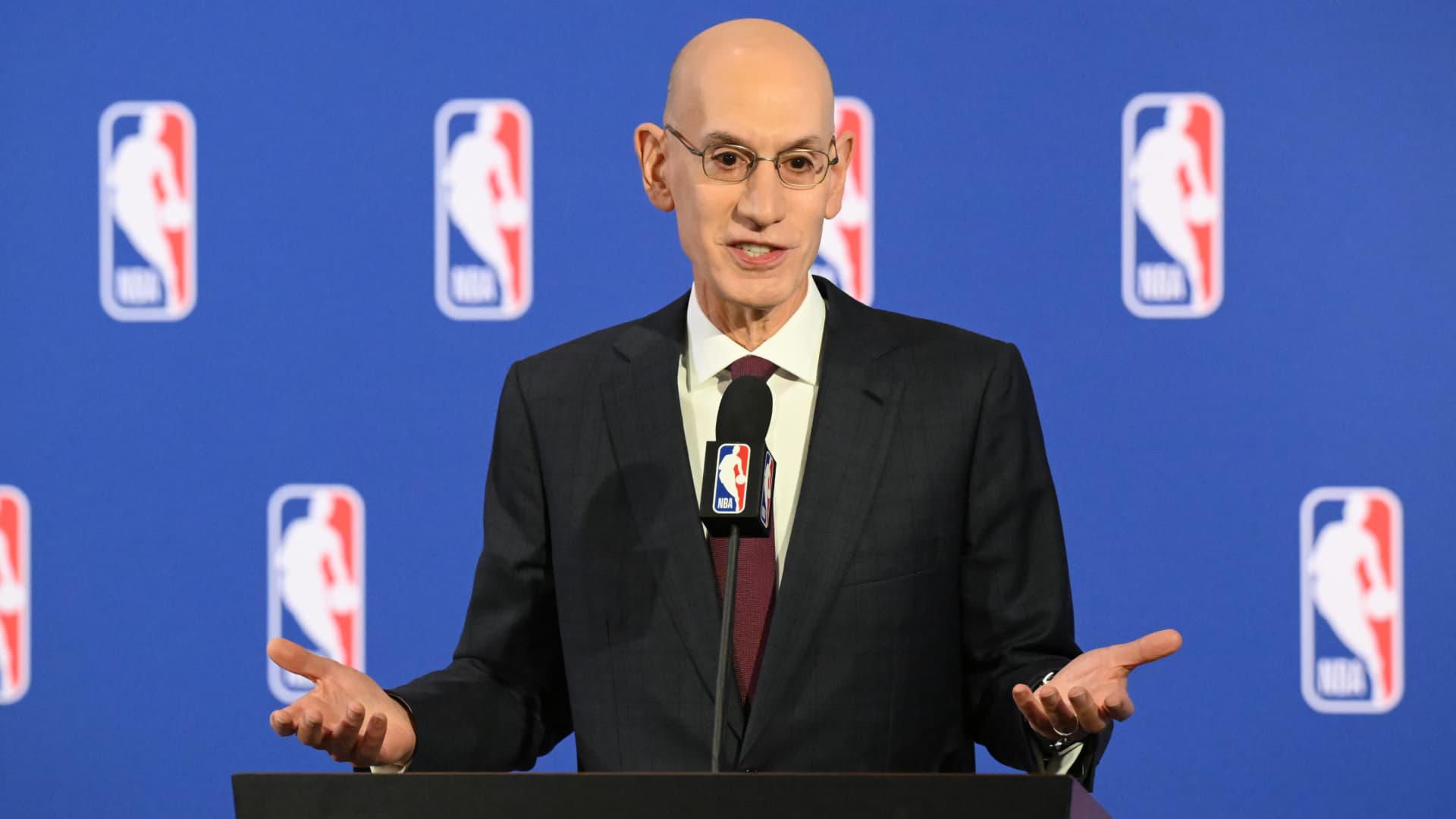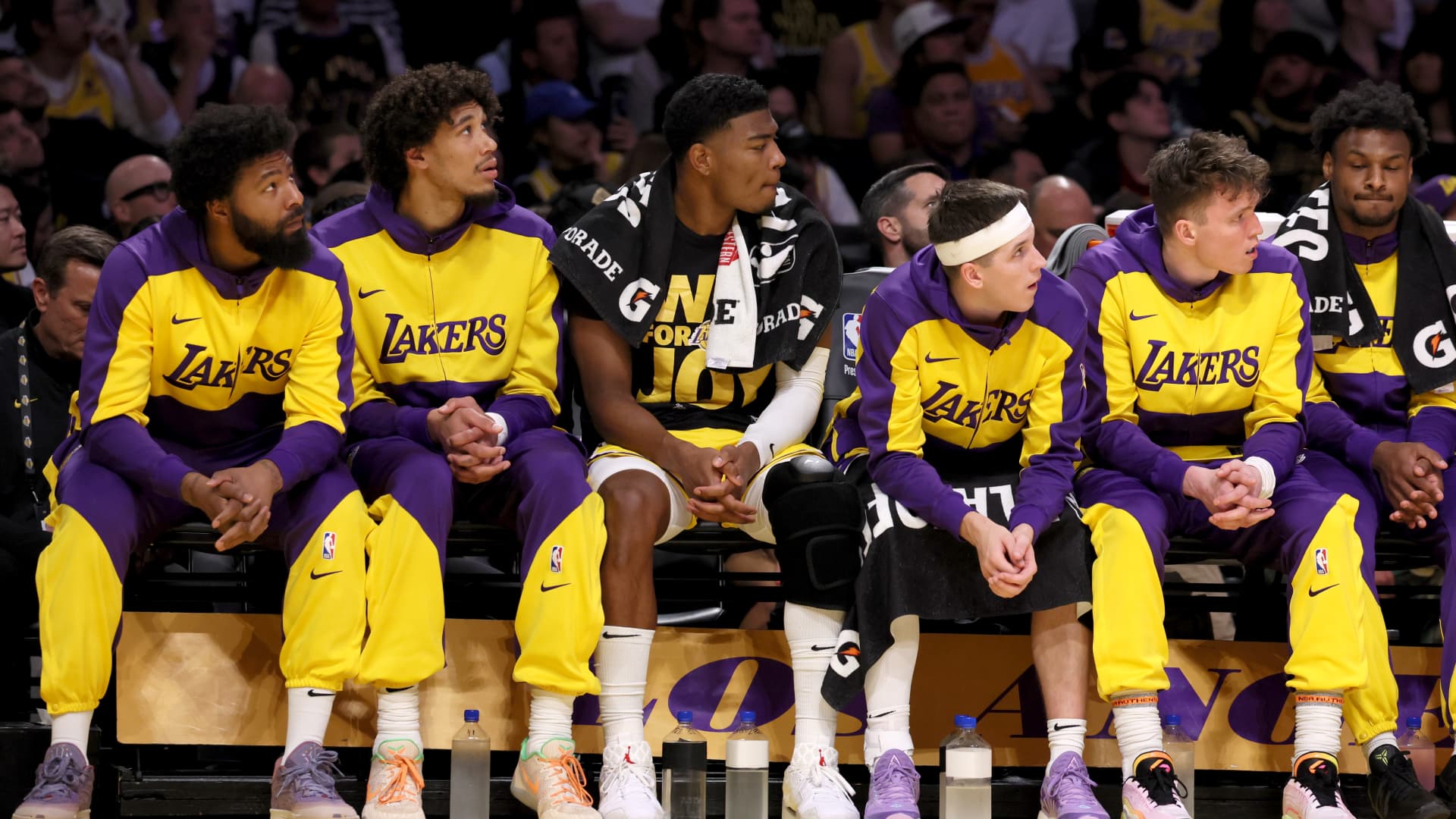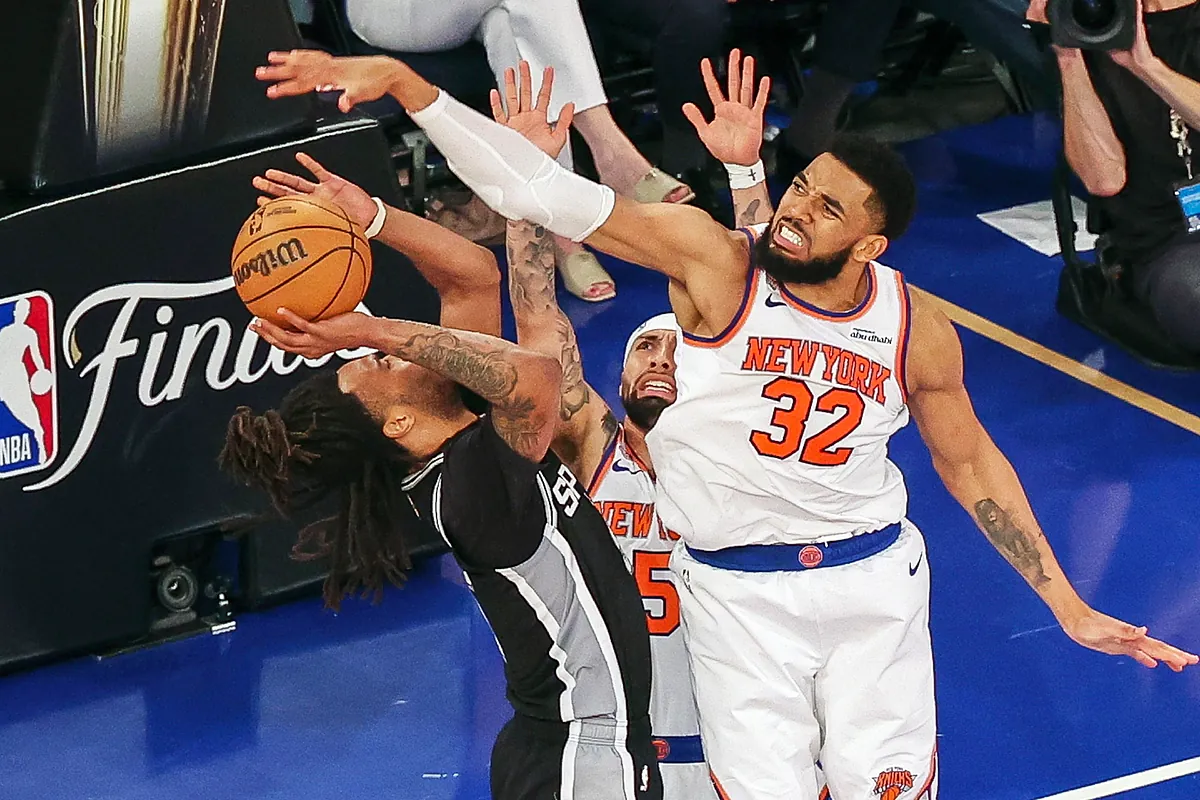
By any business metric, the NBA has never been on better footing.It’s a year into its massive 11-year, $77 billion media rights deal, with new partners NBC/Peacock and Amazon Prime joining longtime stalwarts ESPN/ABC in a package that has, for the first time in history, made the NFL envious. Despite initial misgivings about where to find the games at the start of the season, NBA television ratings grew dramatically as the year went on. The NBA Finals between the New York Knicks (in the league’s top media market) and the San Antonio Spurs (led by Victor Wembanyama, its top young superstar) produced viewing numbers not seen since the end of the Michael Jordan era.The league’s current collective bargaining agreement runs through at least 2029 — and, more likely than not, will get to 2030. The CBA’s second apron, with its punishing penalties for teams that exceed it, has produced exactly what the NBA desperately wanted: a curb on team spending at the top end, with less ability to hoard good players helping foster increased competitive balance.The NBA also addressed one of its biggest drags on fan engagement by overhauling its existing draft lottery with a new format starting in 2027, featuring new mechanisms designed to discourage teams from engaging in year-over-year tanks by making it impossible to get top-three picks in multiple years.Has the NBA fixed tanking?Sam AmickAnd, if it so chooses, the league could add one or two expansion teams in either or both Seattle and Las Vegas by the end of 2026, with the price of admission expected to be somewhere between $8 and $10 billion per team — expansion fees the league’s owners don’t have to share with the players.Yet, a month or so before training camps open, things feel unsettled. It’s because there’s never been so much money in the game.(This is not about Steve Ballmer, the richest owner in the NBA, or about the Clippers, Aspiration and/or Daktronics, and Kawhi Leonard, and however that investigation is resolved.)The flood of new owners into the league the last 10 years has certainly helped franchise valuations, led by the sale of the NBA’s two most iconic franchises, the Boston Celtics (in 2025) and the Los Angeles Lakers. But L.A. has now changed controlling hands twice in 14 months, with the second transaction conducted under unsettling circumstances. The reasoning behind the sudden spate of franchise sales isn’t obvious. There’s no through line between the recent sales of the Celtics and Lakers with those of the Dallas Mavericks, Minnesota Timberwolves, Portland Trail Blazers, Phoenix Suns, Charlotte Hornets and a half-dozen others, other than maxing out on valuations.As the late John Wooden often told his UCLA players: “Don’t confuse activity with achievement.”
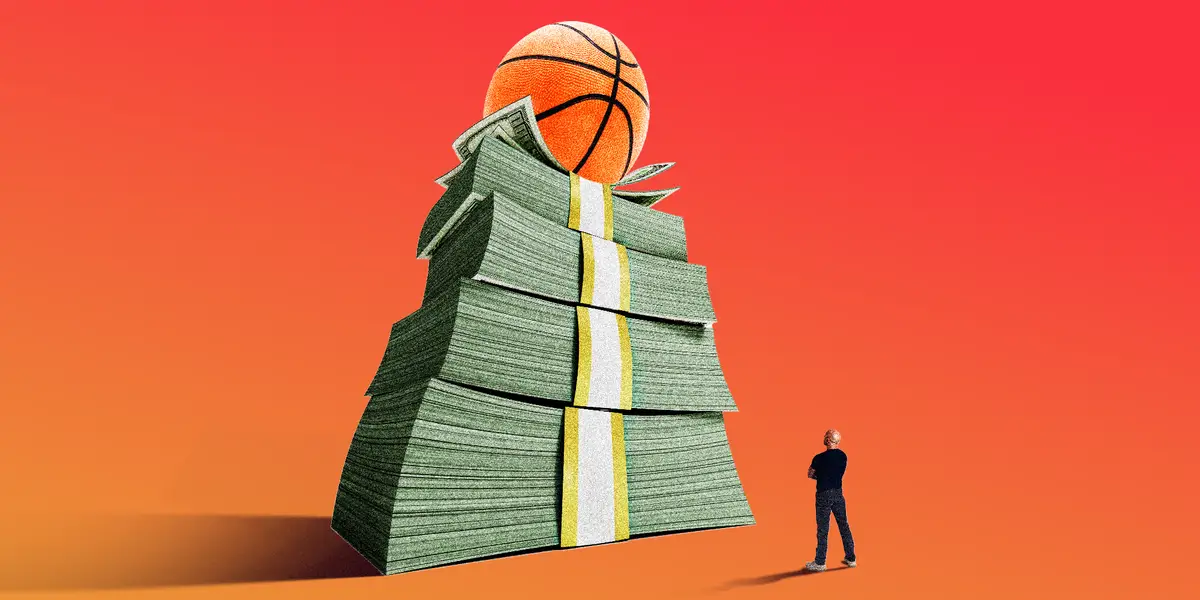
The NBA’s never been more flush with cash. But is it losing its connection to its fans?
NBA franchise values are soaring, and the league appears to be in a good place. But there's a downside to having so much money in the sport.
1,538 words~7 min read