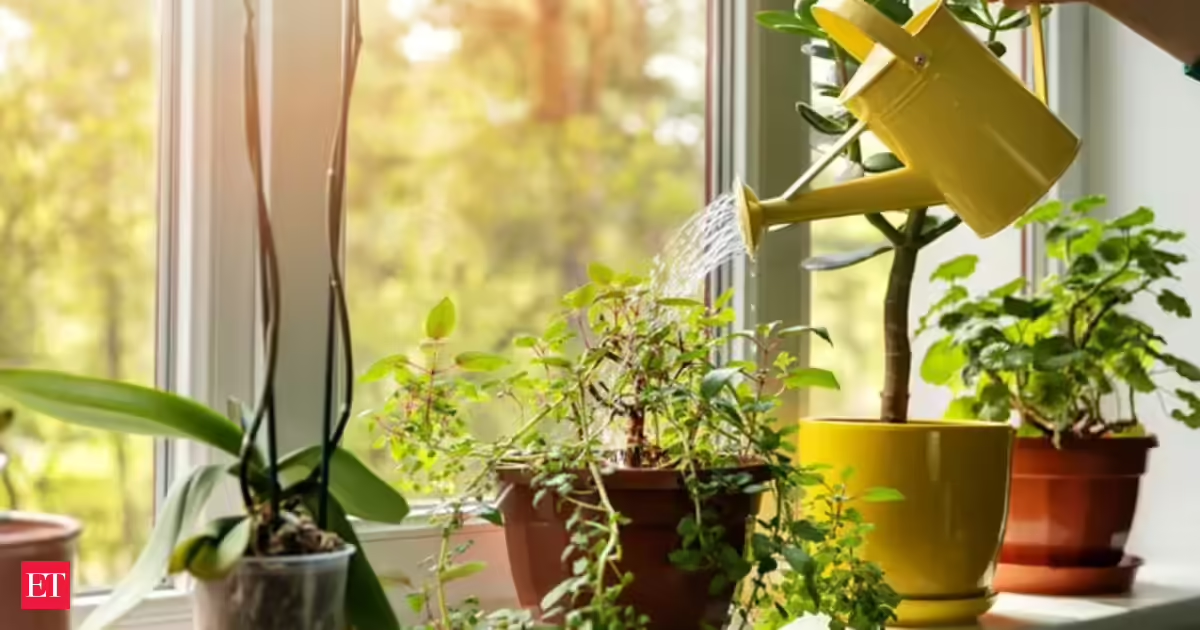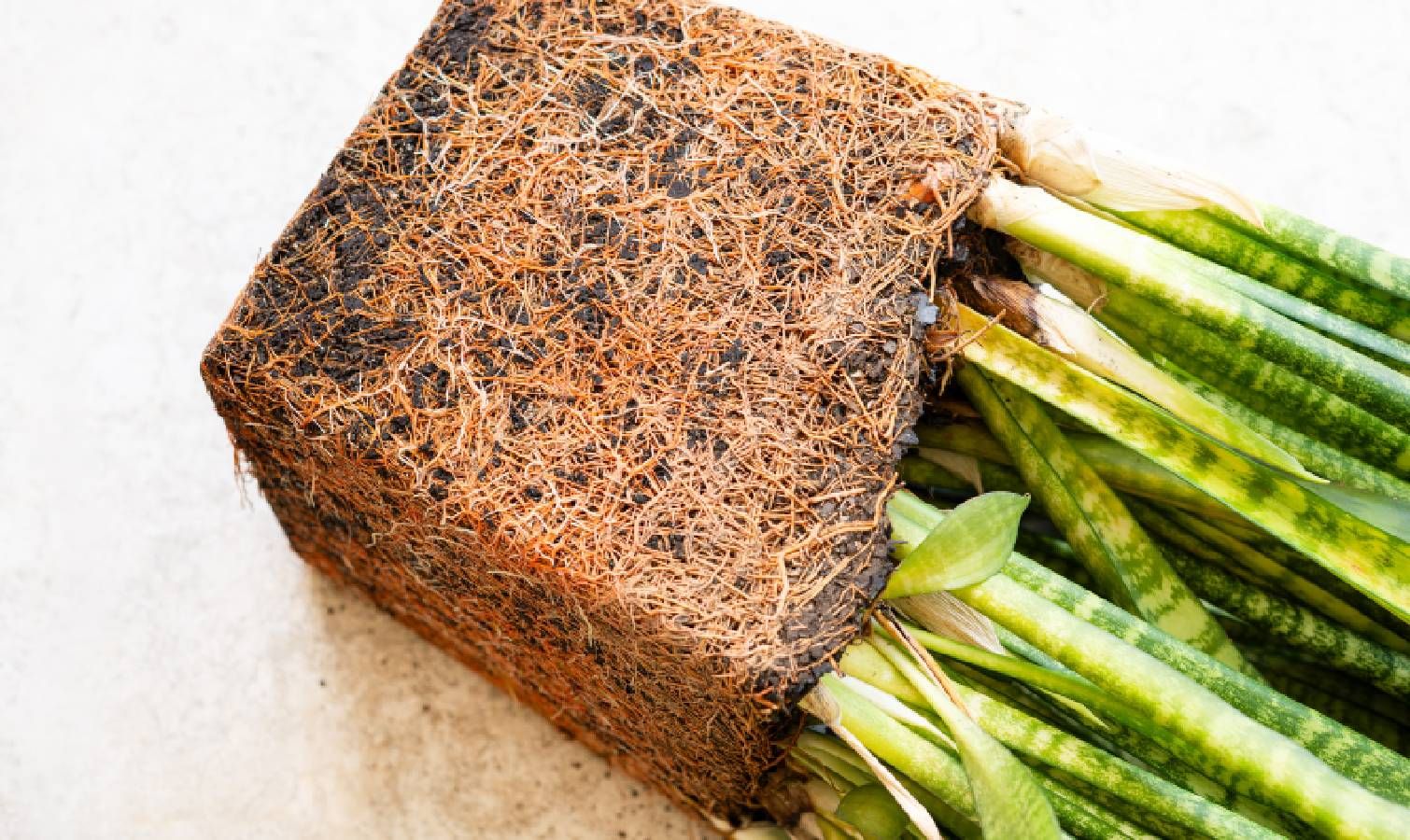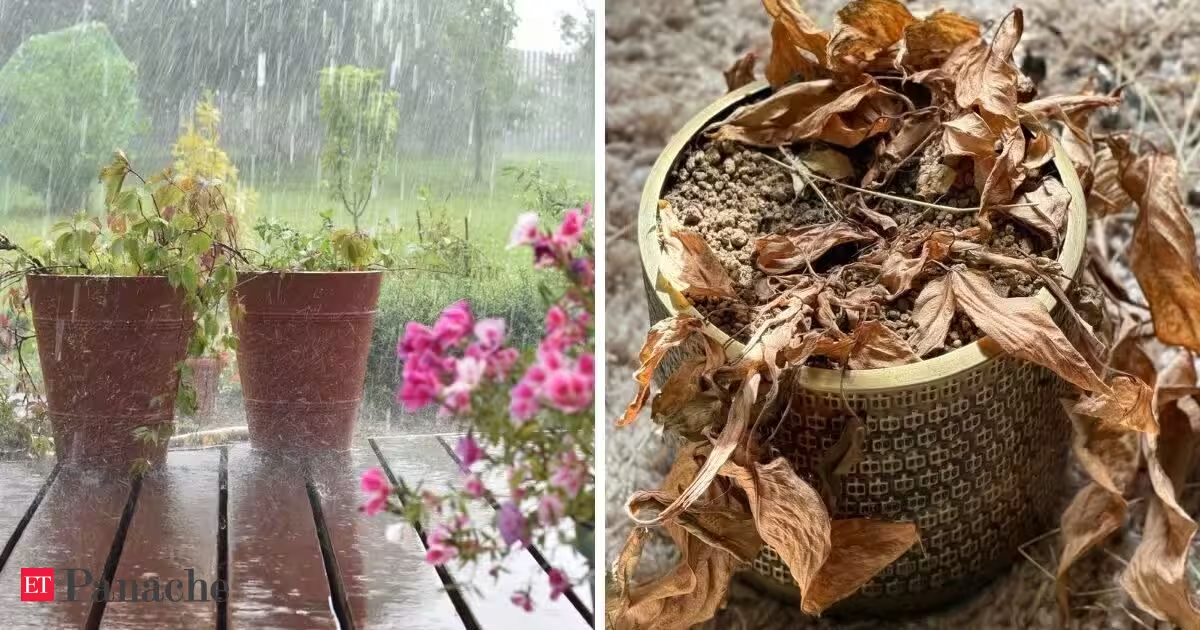
Monsoon can feel like a dream season for plants. The air is humid, temperatures are often lower and there is plenty of moisture around. But for your indoor plants, all that extra humidity and rainwater can quickly become too much of a good thing. From watering on autopilot to keeping pots in poorly ventilated corners, a few common monsoon mistakes can leave your plants struggling with root rot, fungal problems and yellowing leaves.Here are six things to avoid this rainy season.Watering plants just because it is monsoonThis is probably the easiest mistake to make. Just because it is raining outside does not mean your houseplants need more water. Indoor plants can dry out much more slowly during humid weather, especially if they are kept away from direct sunlight. Before watering, check the soil with your finger. If the top layer still feels damp, give the watering can a break.The monsoon rule: Check the soil, not the calendar.Letting water sit in the potA little extra water may seem harmless, but constantly soggy soil can become a serious problem. When the roots remain surrounded by excess water, they get less access to oxygen. Over time, this can contribute to root rot. Yellowing leaves, wilting despite wet soil and a bad smell from the potting mix can all be warning signs.You Might Also Like:Always empty excess water collected in the saucer or outer pot after watering.Keeping plants in a dark cornerCloudy skies can make your home feel gloomy, but your plants still need adequate light. During monsoon, move houseplants closer to a bright window where they can receive indirect sunlight. Avoid suddenly placing delicate plants under harsh direct sun when the weather clears, though.A bright, well-lit spot with good indirect light is usually a safer bet for many indoor plants.Ignoring drainage holesA pretty planter is great. A pretty planter without drainage is a plant-care disaster waiting to happen. Make sure your pots have drainage holes at the bottom so excess water can escape. If you use decorative outer pots, check that water is not collecting inside them after every watering session.You Might Also Like:Good drainage becomes particularly important during India's humid and rainy months.Keeping plants packed togetherPlants look gorgeous grouped together, but during monsoon, too much crowding can reduce airflow. High humidity combined with poor ventilation creates conditions that can encourage fungal and other plant-health problems. Give your plants some breathing room and avoid cramming them into one tiny corner. Opening windows when weather conditions allow can also improve airflow around your indoor garden.Ignoring leaves after heavy humidityMonsoon humidity can leave leaves damp for long periods, particularly in poorly ventilated rooms. Check your plants regularly for yellowing, unusual spots, mould or pests. Remove damaged or heavily affected leaves with clean tools and keep fallen leaves from accumulating on the soil.A quick weekly plant check can help you catch problems before they turn into a full-blown plant emergency.Give your houseplants a monsoon resetMonsoon plant care is less about doing more and more about knowing when to step back. Your plants may need less frequent watering, better drainage and improved airflow while humidity is high. So before reaching for the watering can, poke the soil, check the leaves and look at the drainage. Your plants might simply be asking for a little less attention, not more.
Your plants may be drowning: 6 monsoon mistakes that can kill houseplants
Monsoon can be tricky for houseplants, with excess humidity and slower soil drying creating the perfect conditions for root rot and fungal problems. Avoid six common mistakes: overwatering, leaving water in saucers, keeping plants in dark corners, using pots without drainage holes, overcrowding plants and ignoring damp or damaged leaves. Instead, check soil moisture, improve airflow, provide bright indirect light and regularly inspect your plants throughout the rainy season.
551 words~3 min read