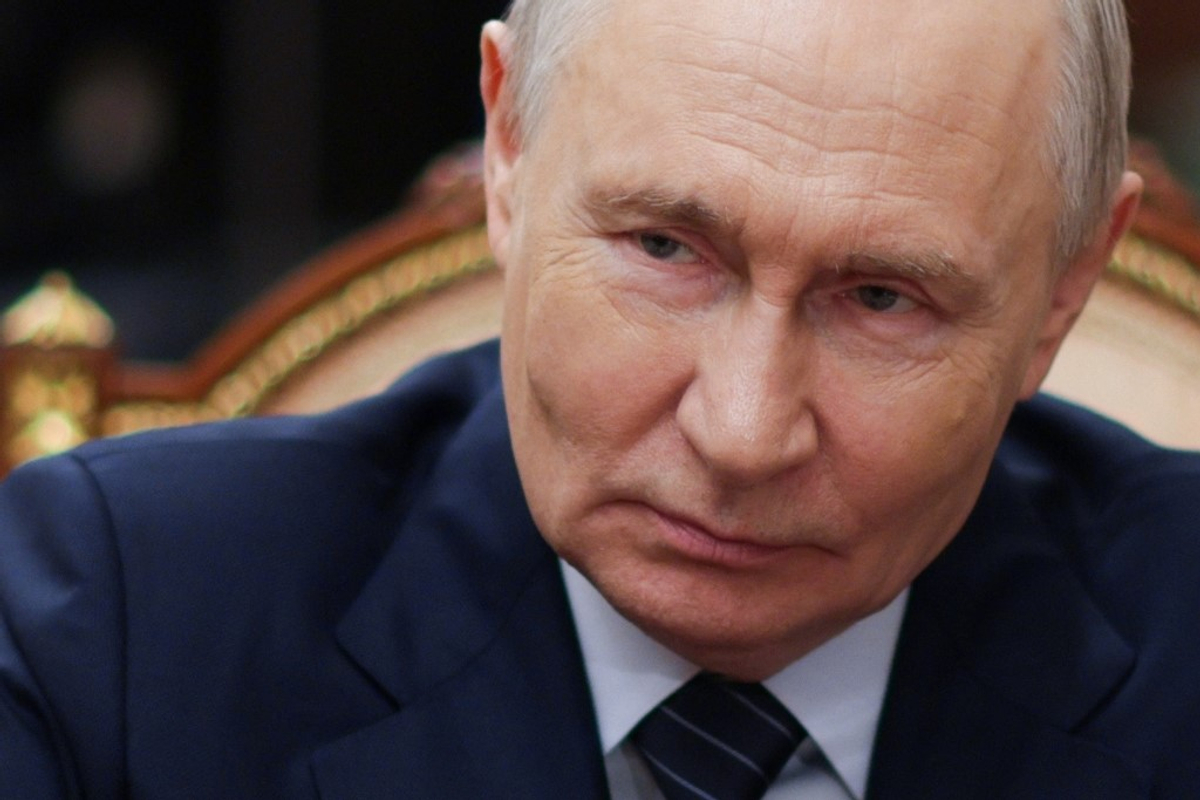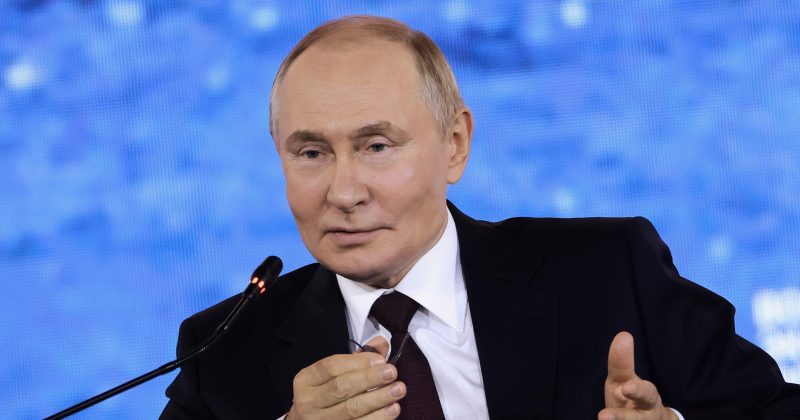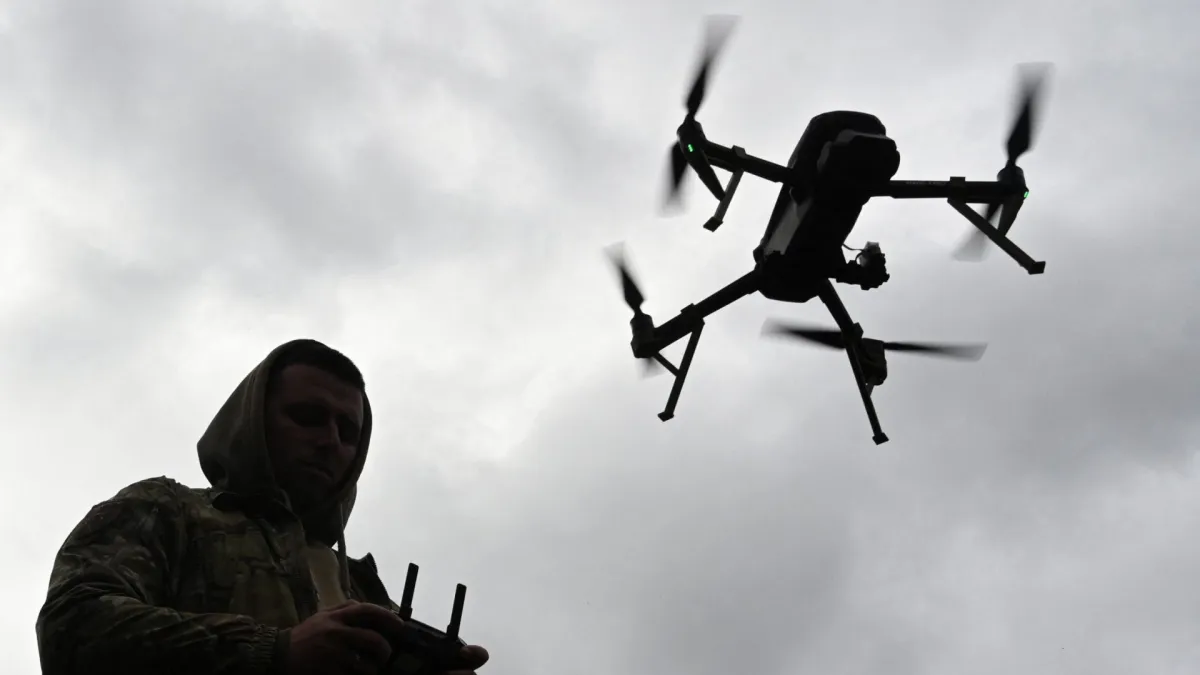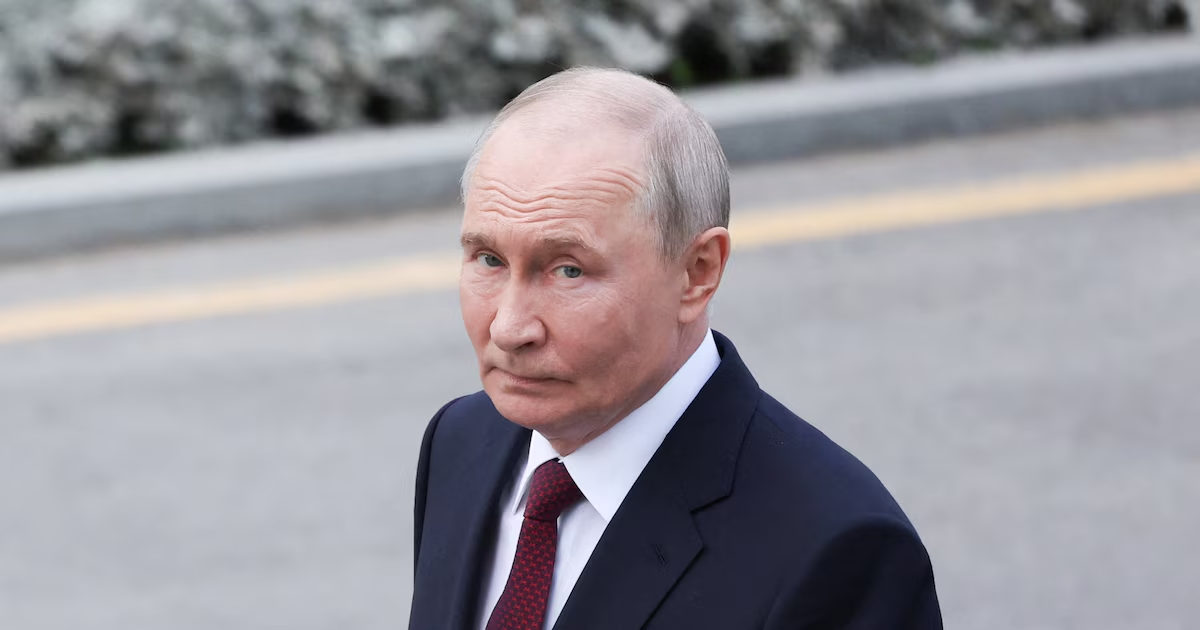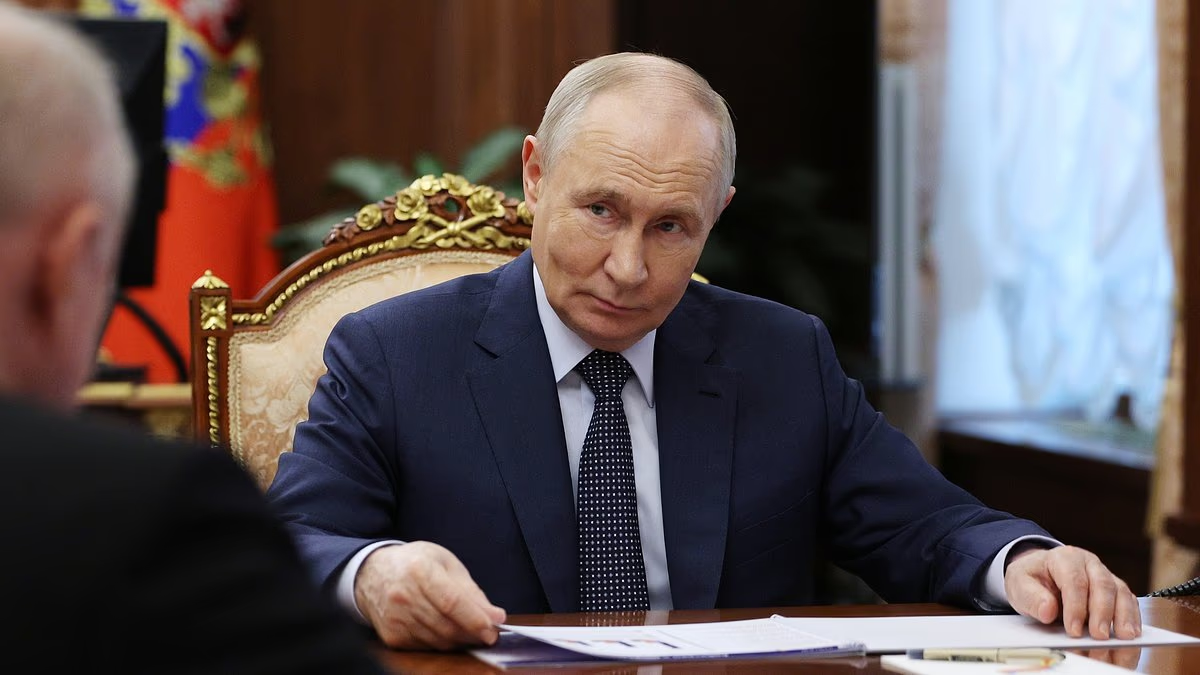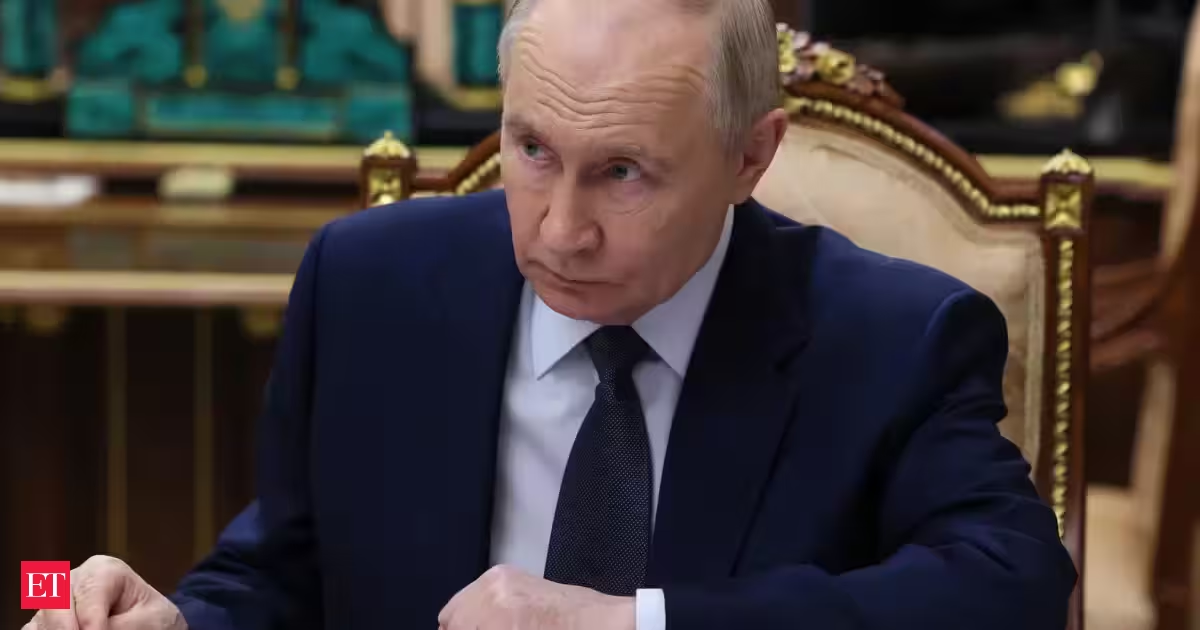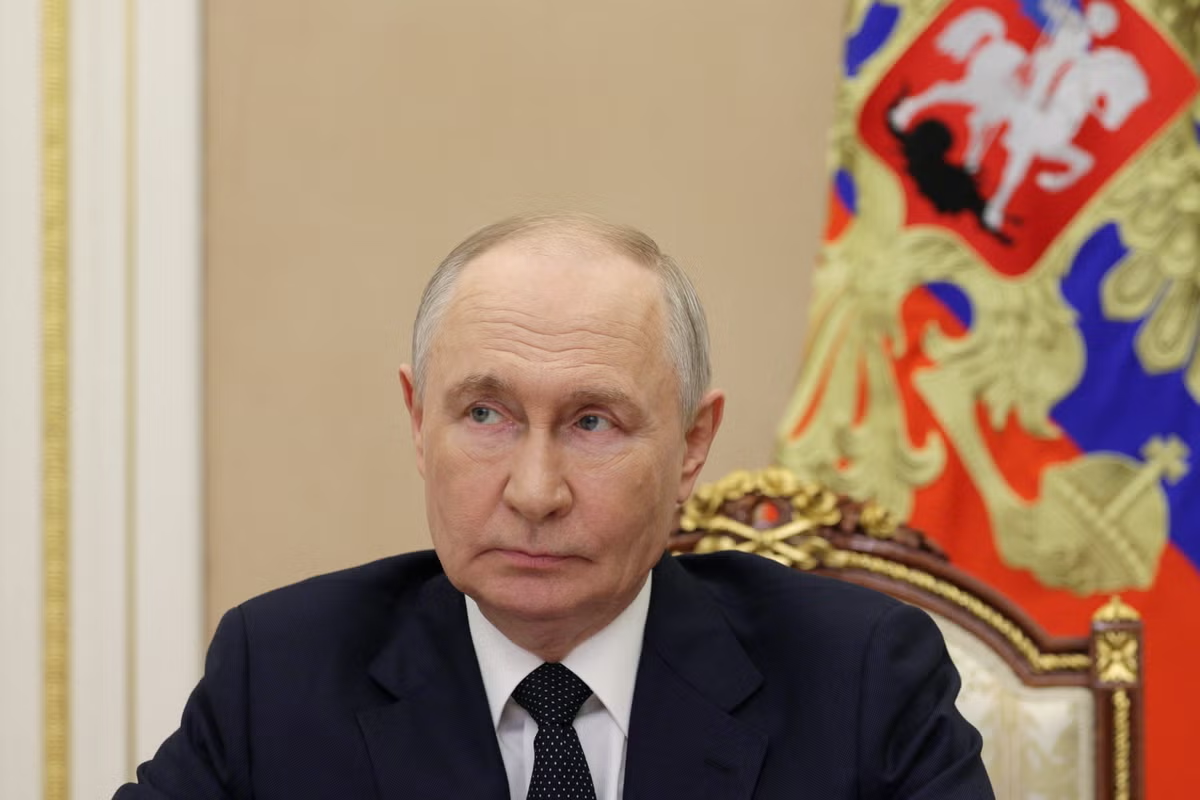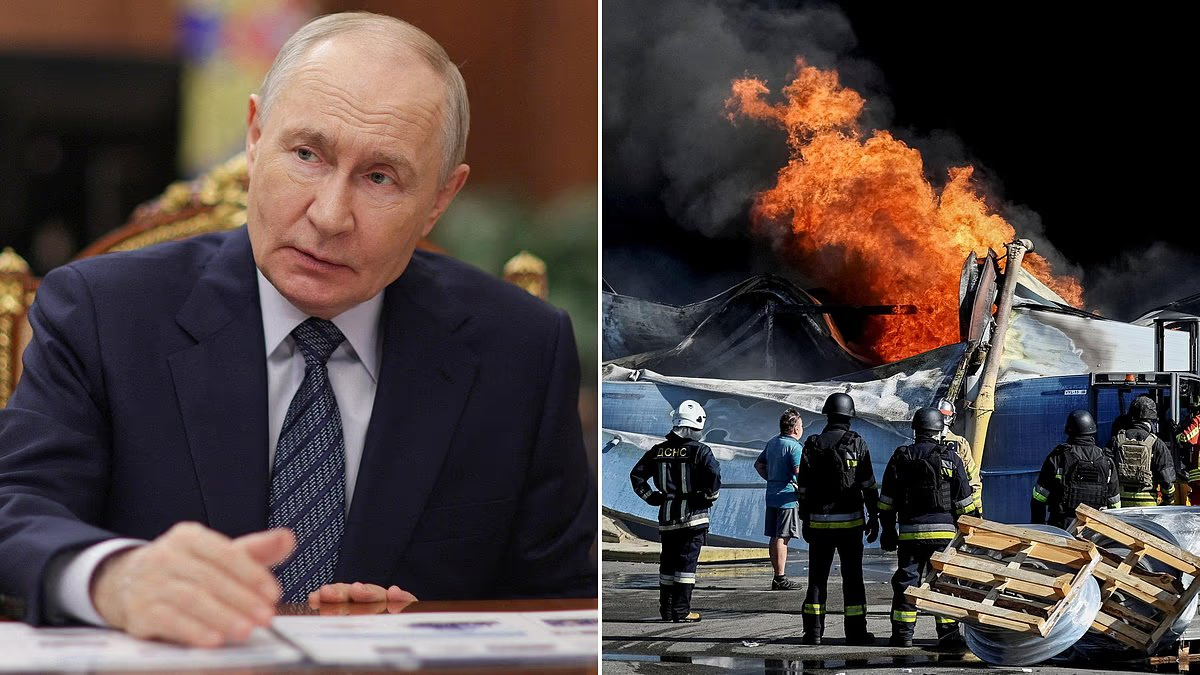
Vladimir Putin fears he could be 'hanged' for failing to win the war in Ukraine and is planning to escalate the conflict, an insider has claimed, amid growing Kremlin warnings that Britain is in the crosshairs.Sources close to the Kremlin have claimed Mr Putin has chosen to escalate the war, fearing he could face backlash from the Russian public if he ends the conflict without being able to claim victory.In an August 22 address, Mr Putin accused Ukraine of opening a 'Pandora's box' and threatened 'blowback on the most sensitive sectors of your economy'. Earlier that day, speaking to United Russia, the Kremlin's ruling party, he dismissed suggestions that the war was coming to an end. 'The special military operation continues,' he said. 'We will move only forward.'It comes as ordinary Russians are increasingly bearing the brunt of the war, facing relentless Ukrainian drone attacks, internet restrictions and a struggling economy.According to The Economist, discontent is even greater among Russia's elites, with one insider claiming they are increasingly frustrated by the number of years the conflict has consumed.Mr Putin reportedly believes he could be at risk if he ends the war without achieving at least his minimum goal of capturing the entire Donbas region.'They will hang me,' he reportedly said, according to an insider cited by The Economist. Firefighters work at a site of a Russian drone strike, amid Russia's attack on Ukraine, in Kyiv Russian President Vladimir Putin, left, gestures while speaking to Chinese President Xi Jinping during the Shanghai Cooperation Organization (SCO) summit People wait for the end of the air raid alert and resumption of metro train service during a Russian drone attack in KyivThe escalation may also be linked to Mr Putin's perception of US weakness, according to a longtime associate.The claim comes amid conflicting accounts of CIA director John Ratcliffe's visit to Russia last week. One version suggests he travelled to warn Mr Putin against attacking Nato countries, while another says he delivered a bleak assessment of Russia's prospects and sought to persuade the Kremlin leader to negotiate.The 'just don't do it' advice was based on US intelligence that Russia is primed to act after its campaign on the battlefield in Ukraine stalled again.Following the visit, the Kremlin hinted it was not looking for peace with the West, warning 'it is too early to say if the deep crisis in US-Russia relations can be overcome,' before boasting 'Ukraine is definitely losing the war.'And in an apparent bid to set his fears at ease, Mr Putin on Monday gathered in Kyrgyzstan for a two-day summit of the Shanghai Co-operation Organisation, a regional bloc that seeks to be a counter-influence to the West.China's Xi Jinping and Belarusian President Alexander Lukashenko were also in attendance.The group, which is celebrating its 25-year anniversary, brings together Russia, China, India, Pakistan, Iran, four Central Asian countries and Moscow-allied Belarus.Mr Putin and Xi have previously used SCO summits to promote their vision of a multipolar world and present a united front against the West.It takes place four-and-a-half years into Moscow's Ukraine invasion and six months into the war between Washington and Tehran. Iran will be represented by its president, Masoud Pezeshkian.And Russia's defence ministry on Sunday said it was gearing up for large-scale attacks on Ukraine's energy infrastructure in a tit-for-tat response to strikes by Kyiv.'Russian forces have begun preparations for massive strikes against facilities in Ukraine's energy sector in response to the ongoing attacks by the Kyiv regime on civilian infrastructure and on Russia's oil and energy complex,' it said on Telegram.Last winter, Moscow repeatedly hit Ukrainian power plants, devastating the country's energy sector and plunging millions of people into cold and darkness in sub-zero temperatures.Both sides have for several months escalated long-range strikes, targeting infrastructure such as warehouses, businesses, oil and port facilities, as well as ships, increasing civilian casualties.On Sunday, the Russian army claimed to have struck a plant in Kyiv producing asbestos and cement whose warehouses, it said, were used to store explosives, as well as a manufacturer of drones and munitions.On Saturday, a Russian strike on an ammunition depot in the suburbs of the Ukrainian capital triggered a huge explosion and killed at least 37 people.Ukraine for its part attacked an oil refinery with drones in northwestern Russia, causing a fire, according to the local authorities.Meanwhile, Nato is facing a particularly fraught moment, as Russian drones repeatedly test the defences of countries along the alliance's eastern frontier. But other European nations are also increasingly coming under threat. A firefighting helicopter flies above a burning Wildberries facility following a reported Ukrainian drone strike A view of the burning roof as firefighters work to extinguish the fire at a facility building following a Russian airstrike in Kramatorsk, Ukraine
Putin 'fears being hanged' for failing in Ukraine
Sources close to the Kremlin have claimed Mr Putin has chosen to escalate the war, fearing he could face backlash from the Russian public if he ends the conflict without being able to claim victory.
1,392 words~6 min read