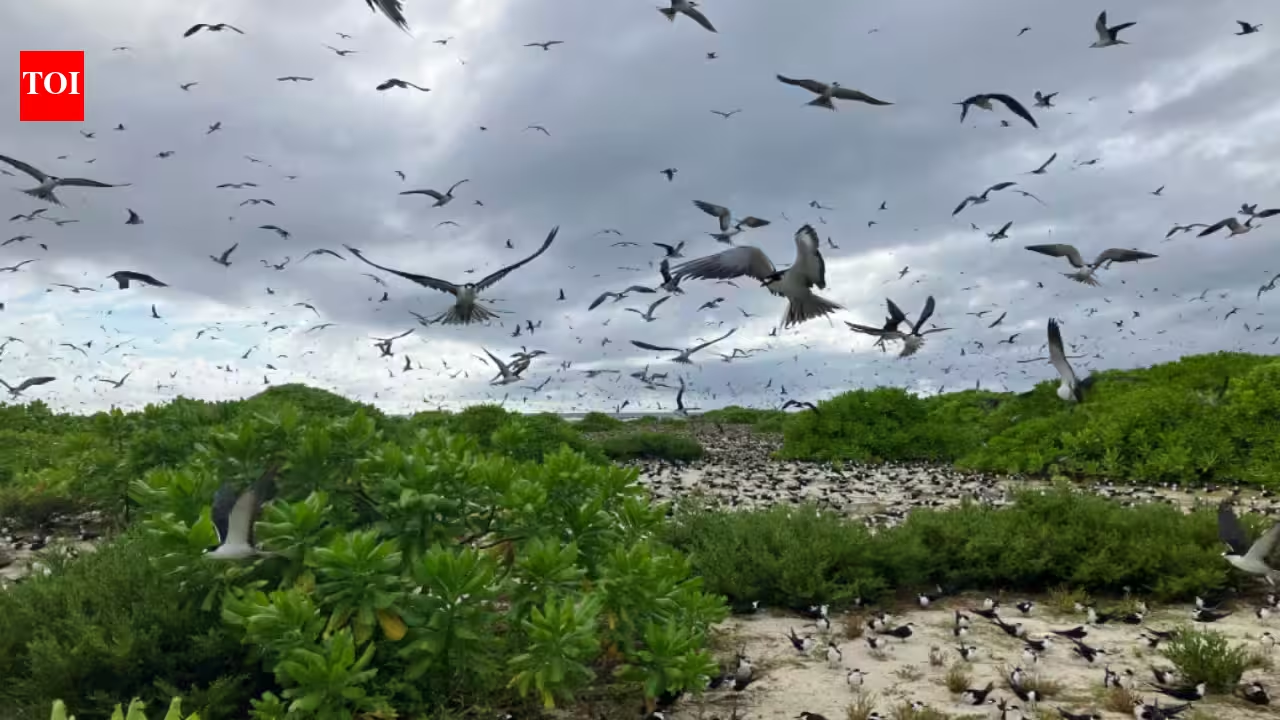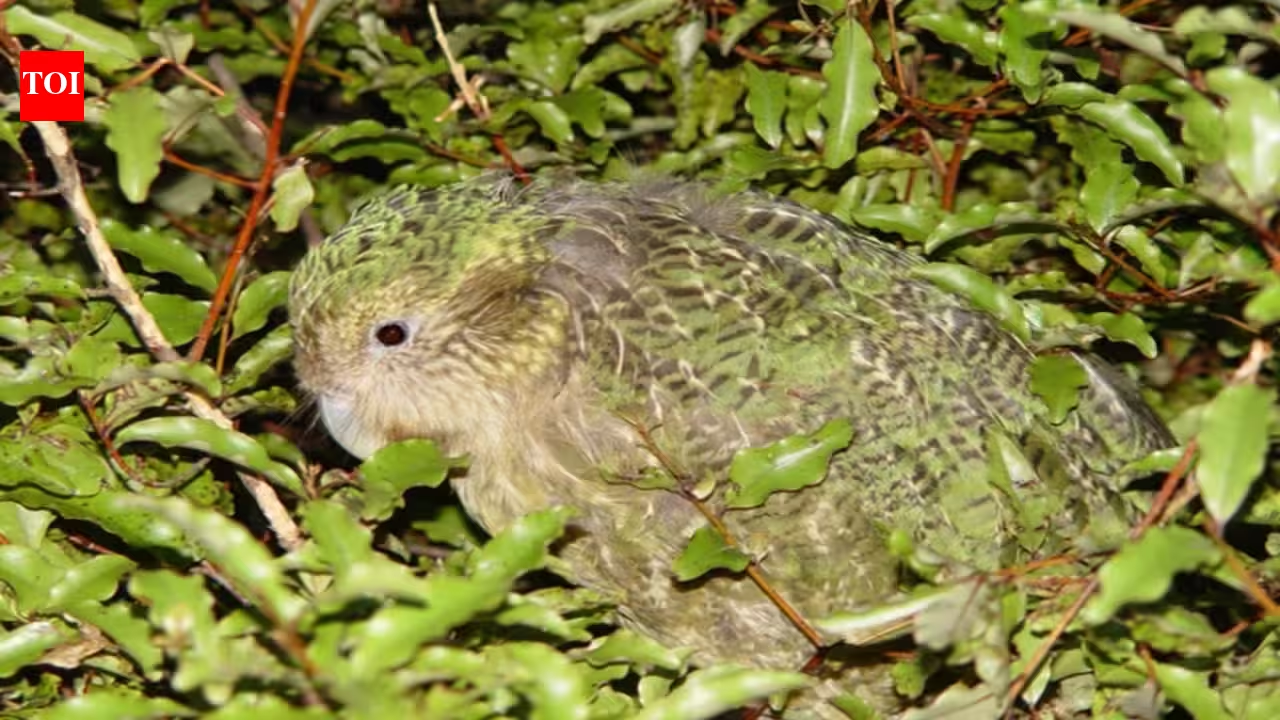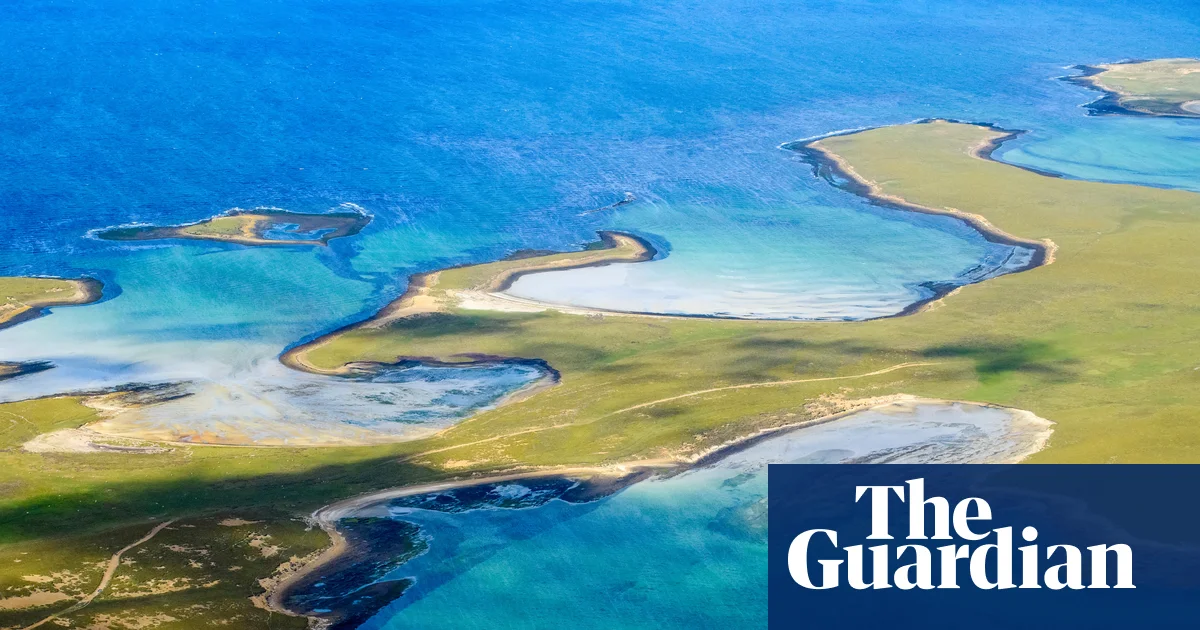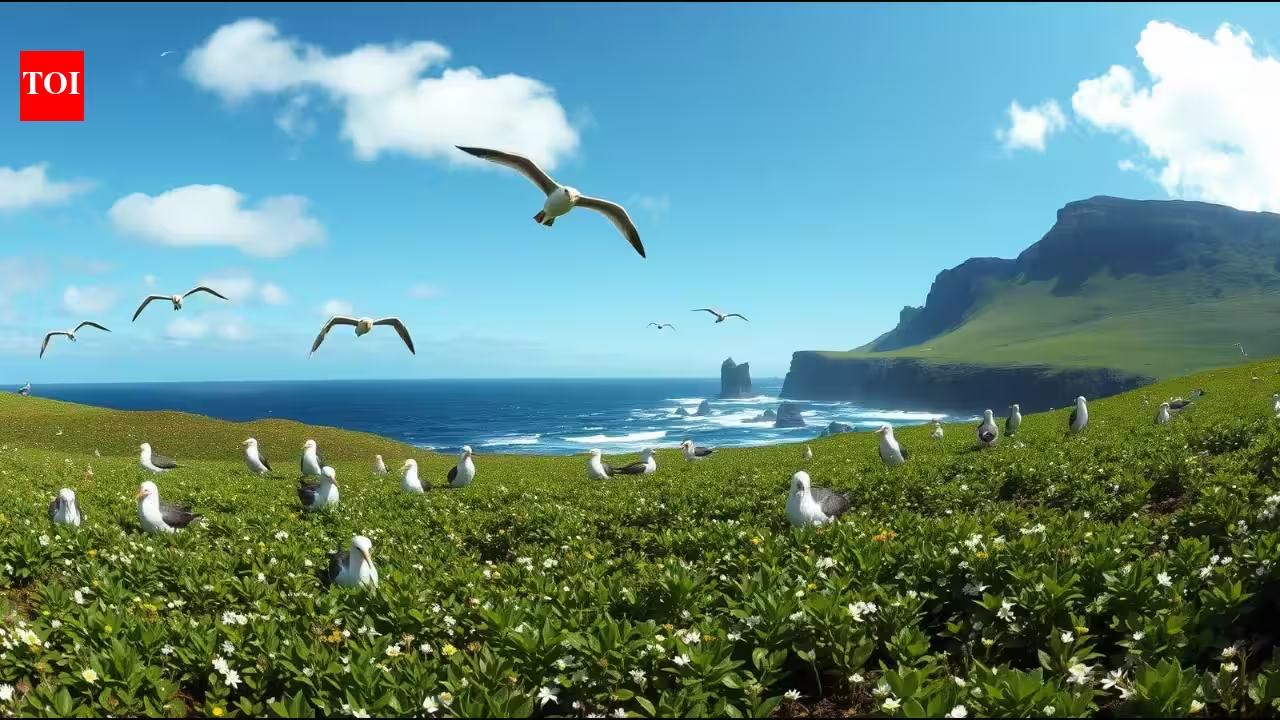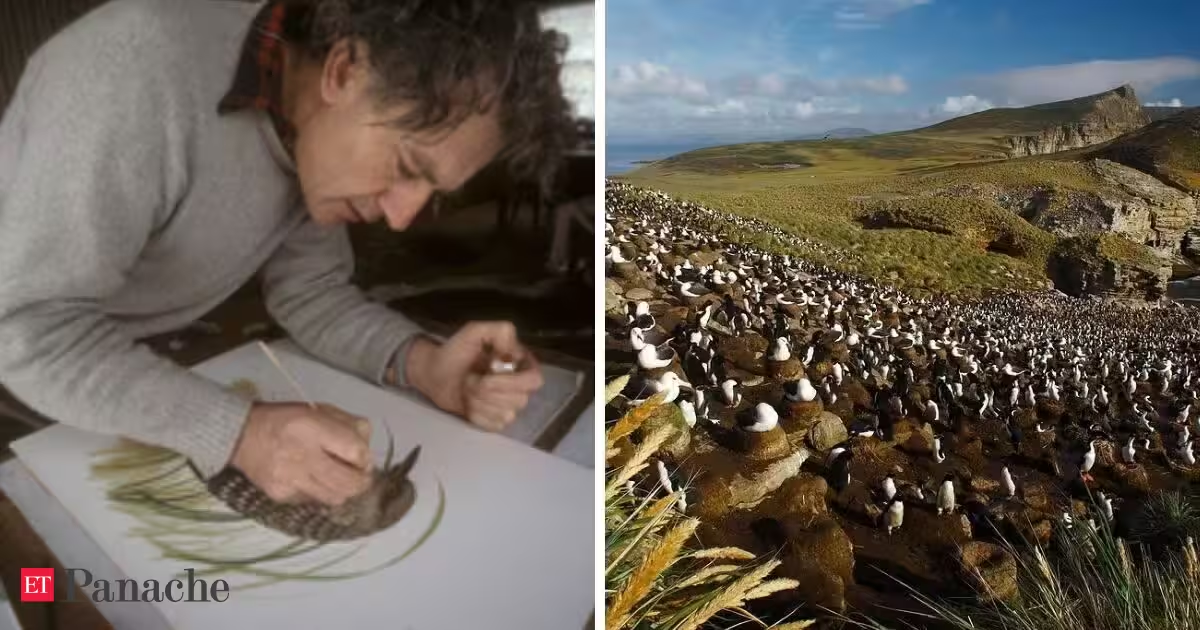
An island once exploited for penguin oil, seal skins and whale hunting was struggling with overgrazing and introduced animals when English photographer and naturalist Ian Strange arrived in 1972. Along with Roddy Napier, he bought New Island in the Falklands and envisioned something very different for it: a protected haven for wildlife, research and tourism. Decades later, the remote island has become a major seabird sanctuary, home to millions of breeding birds, five penguin species and rare wildlife.New Island was once heavily exploitedNew Island is the westernmost inhabited island in the Falklands archipelago. It stretches about eight miles long and one and a half miles wide, with around 52 miles of coastline. Its history, however, was far removed from the conservation haven it is today. According to information from The Falkland Islands and South Atlantic website, New Island was once heavily exploited for its wildlife. Penguins were taken in large numbers for their oil, while their eggs were collected for food. Seals were hunted for their skins and blubber. During the island's whaling station operations, around 1,600 whales were also taken.By 1972, the island was suffering from severe overgrazing. Introduced animals including rabbits, rats and pigs had also become a problem. The pigs had reportedly been brought in to dig up burrowing seabirds. That was the landscape Ian Strange encountered when he and Roddy Napier of West Point bought the island from the Davis family in 1972.Ian Strange wanted to turn it into a nature reserveAccording to the Dictionary of Falklands Biography, Ian John Strange was born in Market Deeping, Lincolnshire. He studied botanical illustration at Wolverhampton College of Art, later studied botany at Birmingham University and completed a degree in agriculture at Essex Agricultural College. He also served in the British Army during national service, including with the 16th Independent Parachute Brigade.Strange was a naturalist, conservationist, wildlife artist, photographer and author. His practical skills and strong work ethic became important parts of his life in the Falklands. When he acquired New Island, his vision was to establish it as a nature reserve while encouraging conservation research and developing wildlife tourism.You Might Also Like:Wildlife tourism in the FalklandIn 1973, Strange introduced specialised wildlife tourism on New Island, which Design in Nature describes as the first such project in the Falkland Islands. Limited conservation research also began on the island that year. At a time when wildlife tourism was virtually unknown in the Falklands, Strange began showing visitors the island's natural wealth. His approach combined tourism with conservation and scientific research.According to the information provided by The Falkland Islands and South Atlantic website, visitor fees from cruise ships now contribute to one of the Falkland Islands' main sources of income. Strange also worked to restore the island's natural habitat. His efforts included replanting native vegetation to control erosion, managing introduced species and encouraging visitors from around the world.New Island became a haven for millions of seabirdsThe transformation is particularly striking when compared with the island's condition in 1972. Today, New Island has an estimated 2 million breeding pairs of thin-billed prions, small burrowing seabirds. It also has more than 15,000 breeding pairs of black-browed albatrosses, five species of penguins and the world's largest breeding population of striated caracara.According to The Falkland Islands and South Atlantic website, BirdLife International has identified New Island as an Important Bird Area. Its wildlife includes fur seals, elephant seals and sea lions. The island also has introduced cottontail rabbits. Its birdlife includes rockhopper, Magellanic and gentoo penguins, prions, petrels, Cobb's wrens, long-tailed meadowlarks, striated caracaras, black-browed albatrosses, imperial shags, dolphin gulls and skuas.You Might Also Like:The island has almost no conventional infrastructureDespite its extraordinary wildlife, New Island remains remarkably remote. The island has three houses and a field station but no roads or shops. One family lives there. The field centre is equipped to host teams of wildlife researchers from different countries, allowing conservation and scientific work to continue in the remote environment. New Island is now a Nature Reserve, owned and run by the New Island Conservation Trust, which relies entirely on donations to fund conservation and research.The island was divided in 1978New Island was divided into two properties, North and South, in 1978. According to the information provided, Ian Strange's business partner managed the northern half and pursued small-scale farming there, while the southern half continued to be managed with the goal of restoring its natural habitat.Strange continued focusing on conservation, including native vegetation, controlling introduced species and developing wildlife tourism. His work helped shift the island's identity from a place shaped by exploitation to one recognised for its biodiversity.Who was Ian Strange?Strange made a significant contribution to understanding Falkland Island wildlife through his field studies, scientific papers and books. The Dictionary of Falklands Biography describes him as a naturalist, conservationist, wildlife artist and photographer. He also wrote several important books about wildlife.You Might Also Like:He married Irene Hutley in England in 1958, and they had three children. He later married Annie Gisby in the Falkland Islands in 1969. From the mid-1970s, he worked and lived with Maria Marta Villanueva. They had a daughter and married in the Falklands in 1984. Strange died in South Brent, Devon, on September 30, 2018, aged 84. He was buried on New Island, according to his wishes.From an exploited island to a protected sanctuaryThe story of New Island is ultimately one of a dramatic change in priorities. An island once associated with penguin exploitation, sealing, whaling, overgrazing and introduced pests became a protected landscape where conservation and research are central to its identity. Today, its millions of thin-billed prions, thousands of black-browed albatrosses, five penguin species and globally significant population of striated caracaras make it one of the Falklands' remarkable wildlife destinations.You Might Also Like:What began with Ian Strange and Roddy Napier purchasing the island in 1972 eventually helped establish a place where wildlife, research and carefully managed tourism could coexist.
In 1972, English photographer bought a remote island in south Atlantic Ocean with rats. Today, 2 million seabird pairs and 5 penguin species call it home
In 1972, English naturalist and photographer Ian Strange bought New Island in the Falklands with Roddy Napier, finding it overgrazed and affected by introduced rats, rabbits and pigs. Strange transformed its future by promoting conservation, research and wildlife tourism. Today, the island is a Nature Reserve and Important Bird Area, home to 2 million breeding pairs of thin-billed prions, five penguin species and the world's largest striated caracara population.
983 words~4 min read