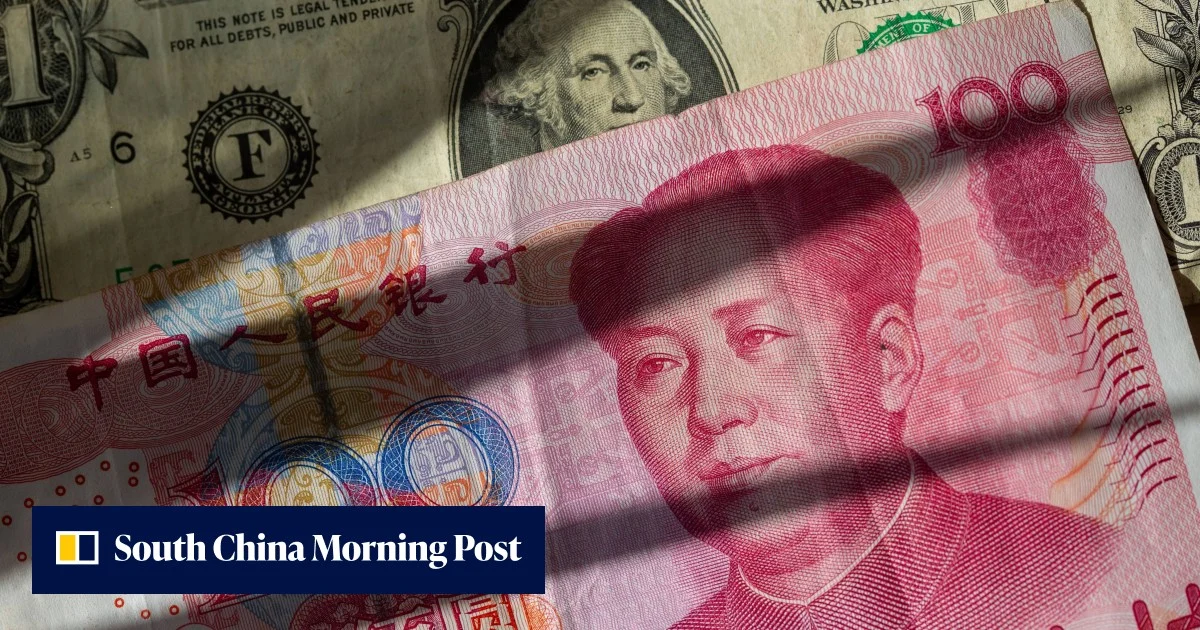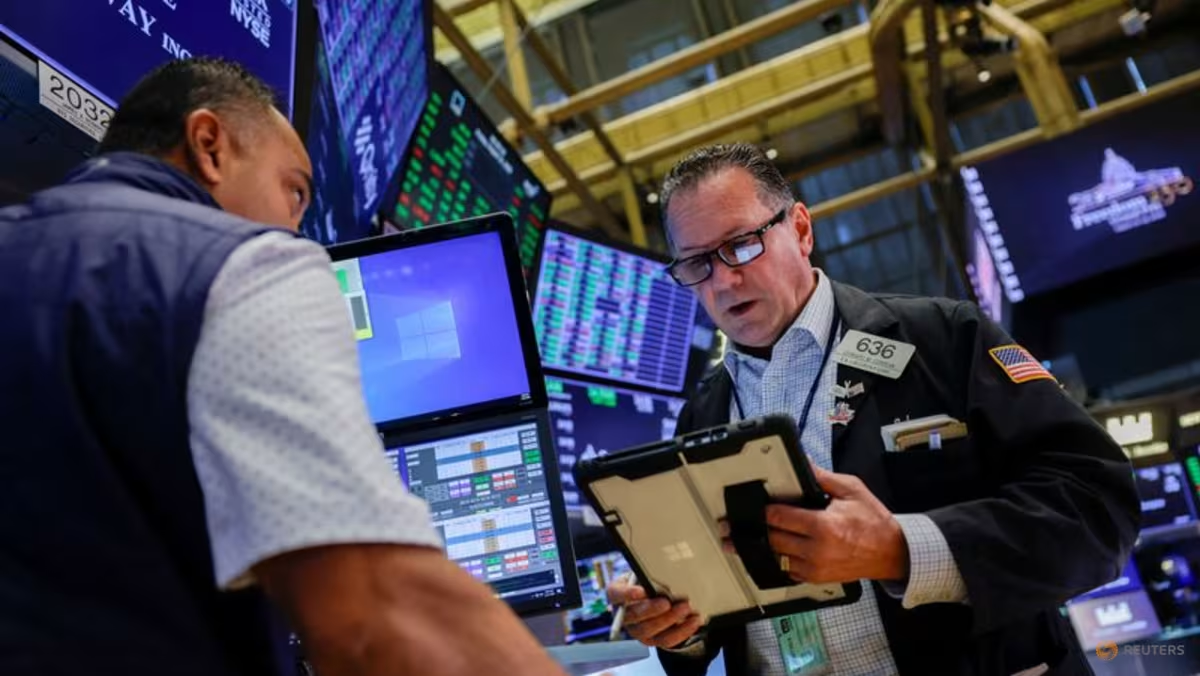
The divergence of the bond markets in China and the US risks widening further, as economic data releases from the world’s second-largest economy remained underwhelming and Federal Reserve chairman Kevin Warsh’s hawkish tone and concerns about fiscal sustainability add to the headwinds for Treasuries.The yield on China’s 10-year government bond traded at 1.692 per cent on Monday, approaching its lowest rate in a year after a set of economic figures from July trailed analysts’ estimates. Brokerages such as Great Wall Securities predicted that strong momentum would drive the yield to a low of 1.65 per cent.In the US, the 30-year yield was wavering near a two-decade high of 5.304 per cent, with investors continuing to demand the so-called term premium even after Treasury Secretary Scott Bessent said he would double a buy-back programme to rein in the bond rout.Warsh’s surprisingly hawkish comment at the Jackson Hole symposium on Friday came as the latest frustration for Treasuries. The front-end yields rose immediately after Warsh focused his speech on restoring price stability, implying policy priority of inflation over employment.Warsh’s scrapping of forward policy guidance in a shift of approach to market communications may add more volatility to US Treasuries, said Li Xianglong, an analyst at Great Wall Securities, adding it would have a “limited impact on China’s bond market, which will trade on its own logic”.The disconnect between the world’s two largest debt markets will have implications on reshaping global capital flows across assets, with investors seeking diversification from US assets amid record fiscal debts and unbridled bond issuance by the White House under President Donald Trump.The world’s two largest economies also face a policy disparity, with China under pressure to cut interest rates to overcome deflation and the US to raise borrowing costs to curb oil shock-induced inflation.
China, US bond markets diverge as Warsh strikes hawkish tone at Jackson Hole
Strong momentum is predicted to drive the yield on China’s 10-year government bonds to a low of 1.65 per cent, according to analysts.
297 words~1 min read