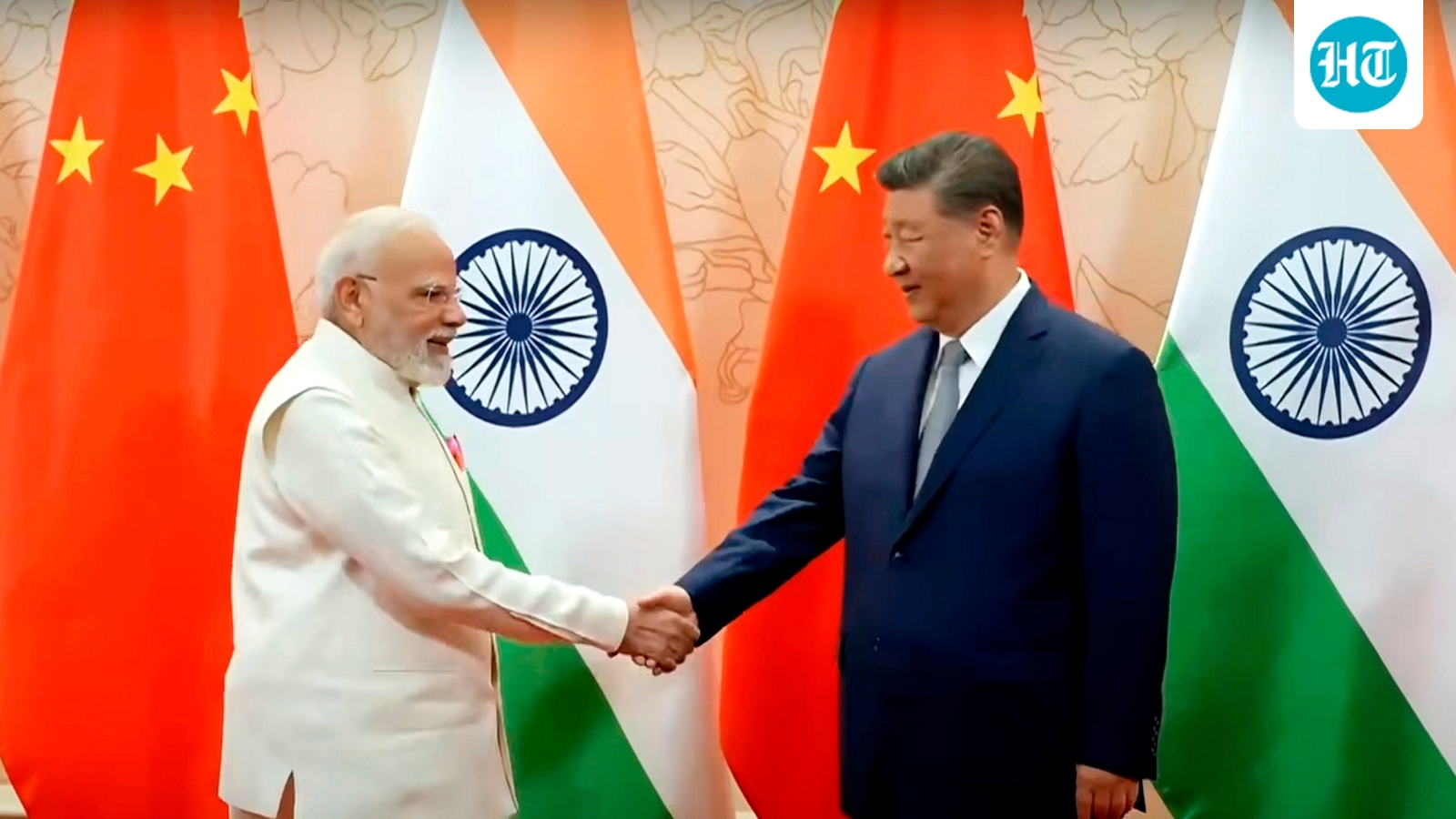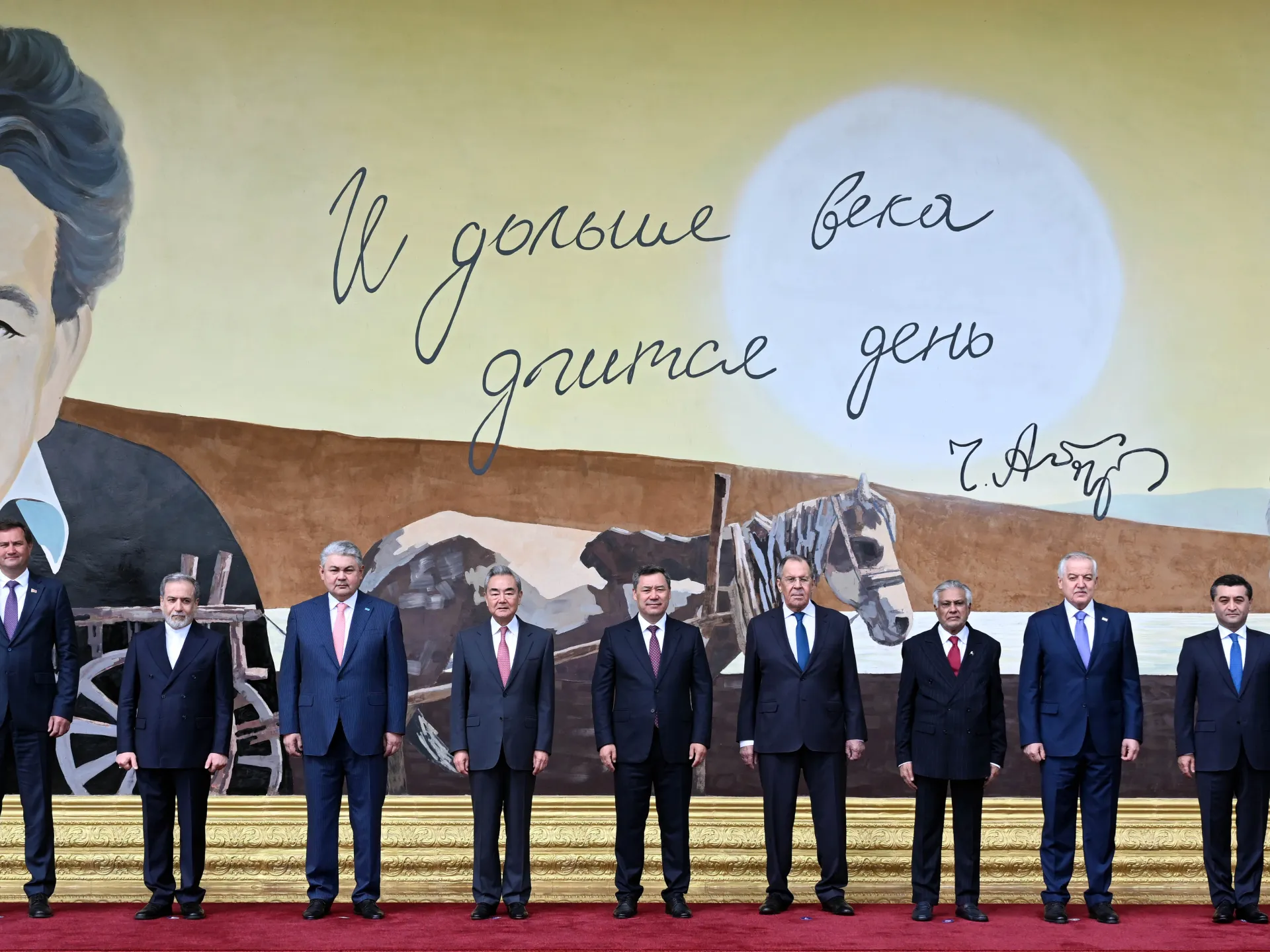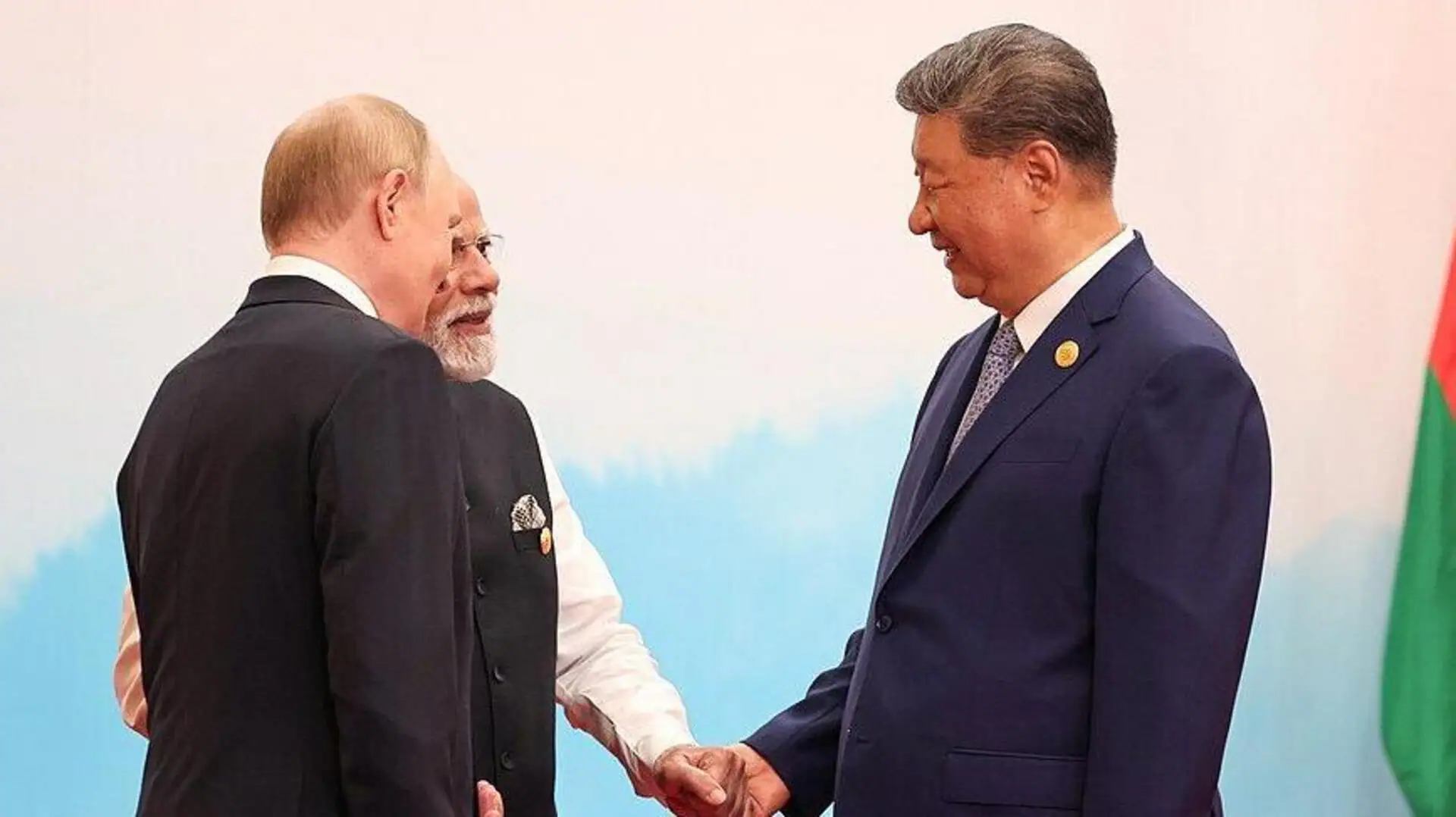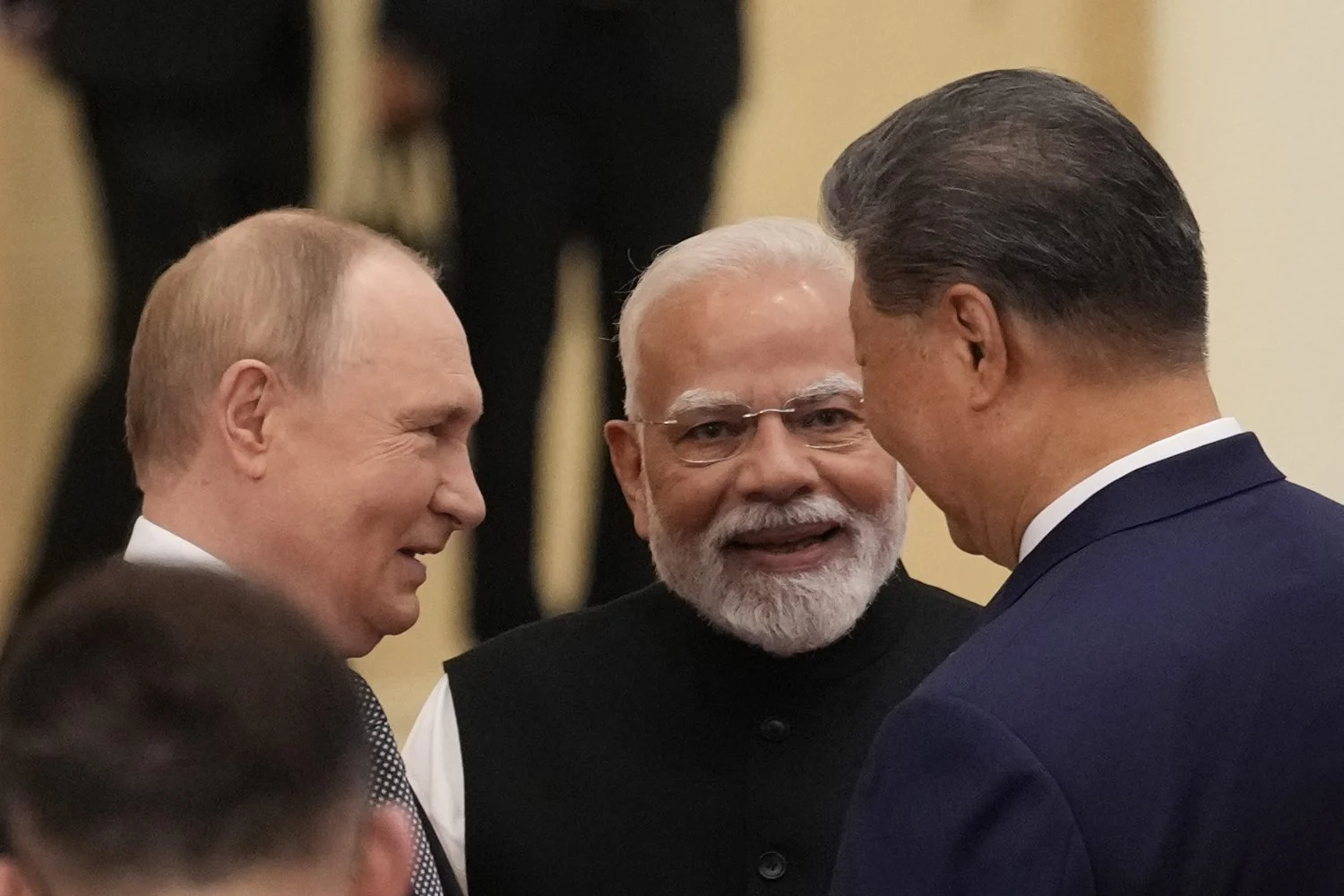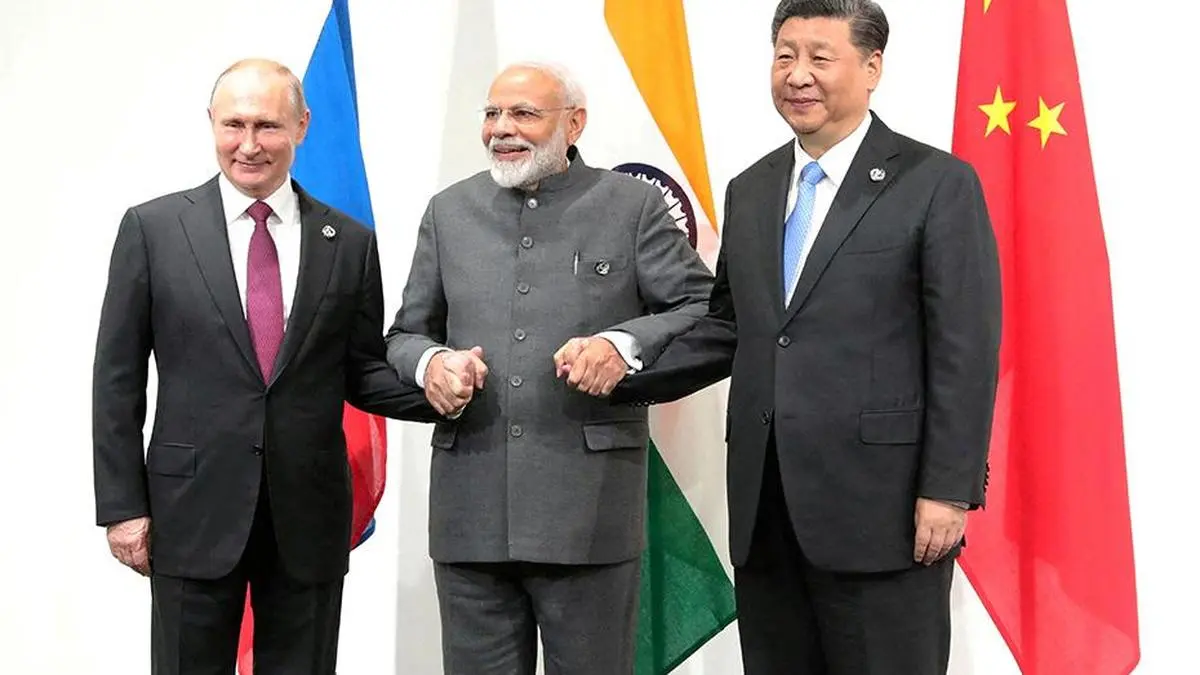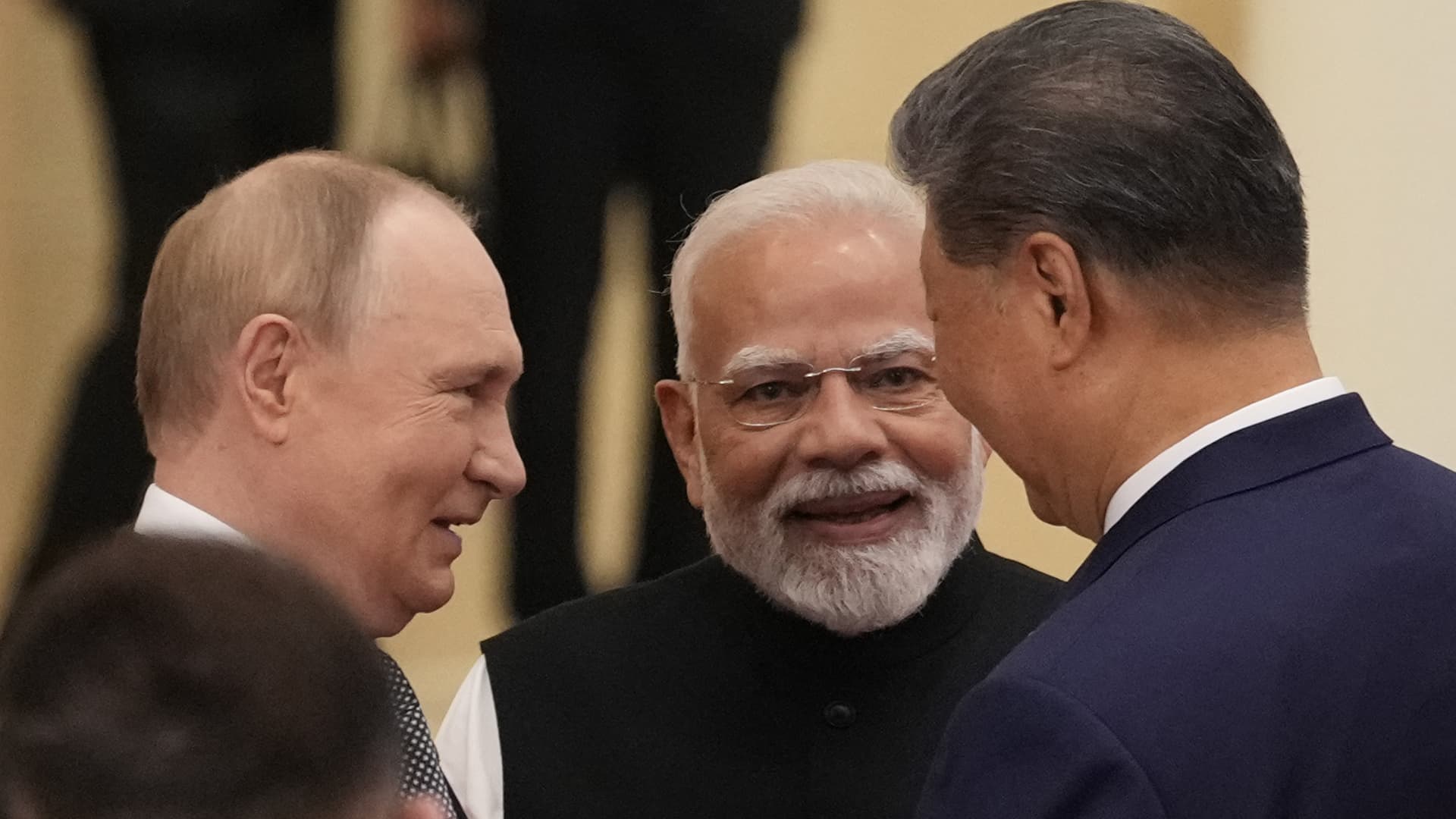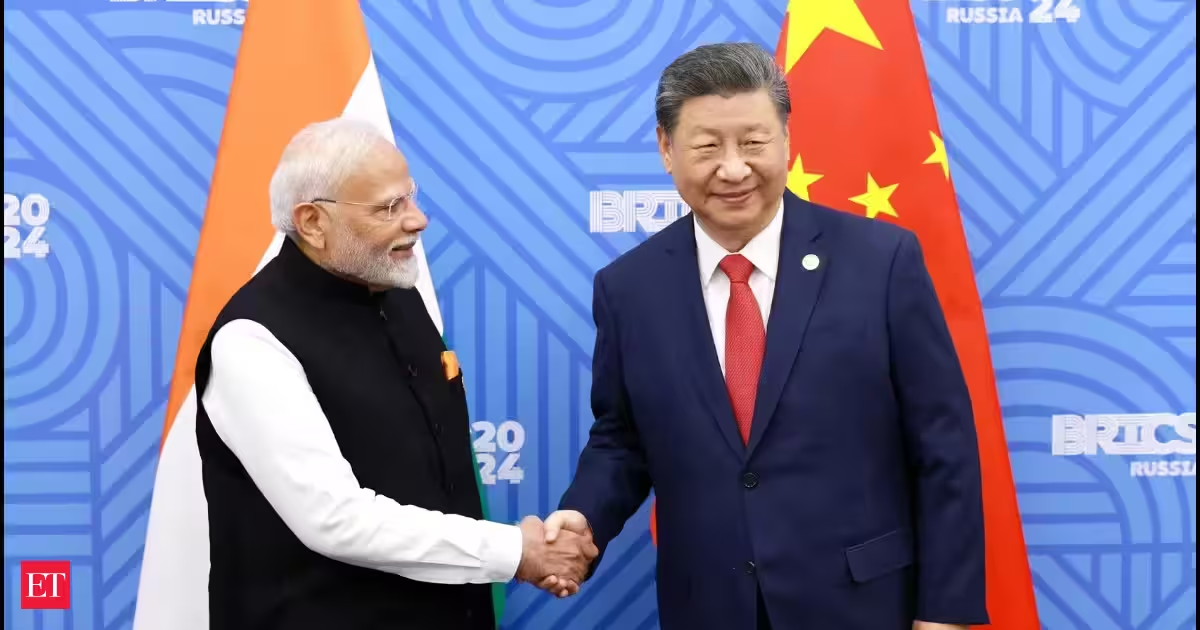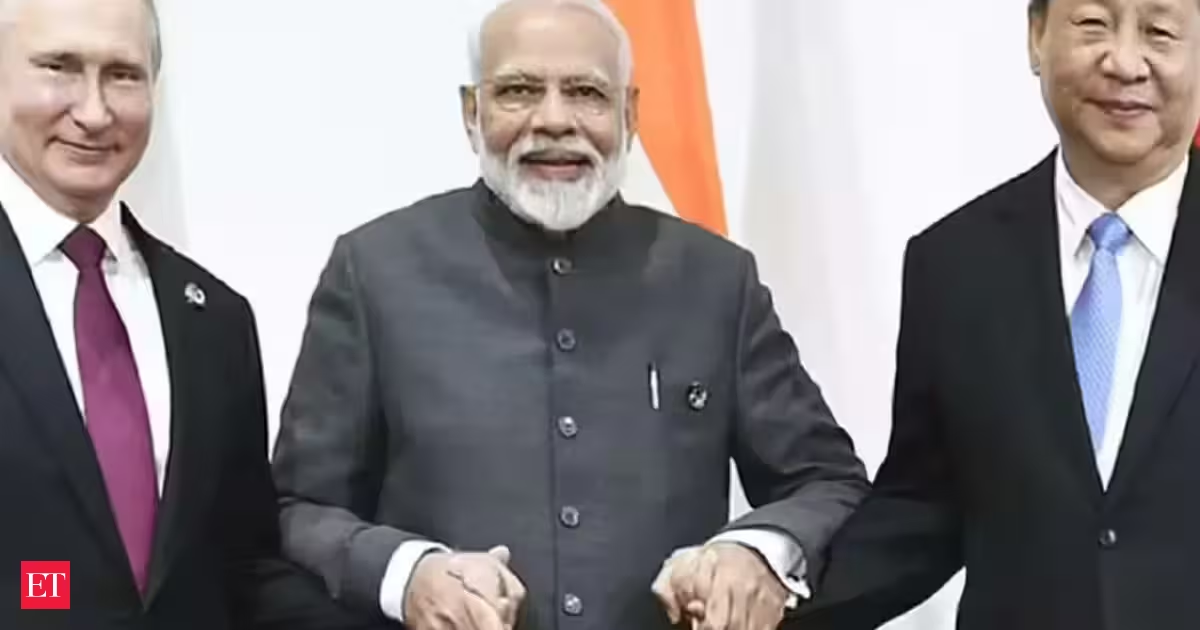
The next Modi-Xi-Putin photograph from SCO Summit at Bishkek will carry almost as much geopolitical meaning as the one from the SCO Summit at Tianjin last year. The three leaders are again appearing together at a forum that China and Russia increasingly present as an alternative to Western-led institutions, at a time when India-China relations are thawing and India is hosting the next BRICS summit.Yet the image won't be mistaken for proof of an India-China-Russia alliance but something more complicated. India, China and Russia are becoming increasingly comfortable operating in a non-Western diplomatic space while India continues to keep its options open with the United States.ALSO READ | Iran crisis puts Xi-Putin’s anti-US bloc to the test, with PM Narendra Modi in the mixThe power of the Bishkek image will partly come from the memory of Tianjin. At last year's SCO summit in China, Prime Minister Narendra Modi, Chinese President Xi Jinping and Russian President Vladimir Putin were filmed together in an unusually warm display of camaraderie. The image went around the world. Its timing made it particularly potent as Washington and New Delhi were locked in a bitter dispute over trade and India's purchase of Russian oil. Trump soon posted the photograph and wrote that it looked as if the United States had “lost India and Russia to deepest, darkest China”. The remark reflected Trump's irritation as Beijing sought to project itself as a centre of a new international order.ALSO READ | Plans afoot for Modi, Xi meet at SCO, to set stage for India visitThe episode also produced an important reaction in Washington. Michael Froman, president of the Council on Foreign Relations, wrote that the Tianjin gathering represented a “symbolic if not a meaningful win” for Xi and Putin in their courtship of India. But Froman also cautioned against treating the moment as a permanent realignment. The underlying interests of India, China and the US, he argued, had not suddenly changed.A second Modi-Xi-Putin image will suggest continuity rather than a one-off diplomatic moment. But continuity of contact is not the same thing as political alignment.Optics are important signal but may not be a strategyThe SCO is not NATO, has no mutual-defence clause, no integrated military command and no common foreign policy. Its ten members include countries with sharply conflicting interests, including India and Pakistan. China and India remain strategic competitors even as they seek to stabilise their relationship. Russia and China are increasingly close, but that relationship is also becoming more unequal.An AP report described the SCO as an organisation whose members have “significant disagreements and their own distinct interests”. AP quoted Dinakar Peri, a security studies fellow at Carnegie India, who said the summit gives New Delhi “a seat at the table” in a region shaped by competition among larger powers. It allows India, he said, to see regional shifts first-hand and hedge its position with others.That is an apt description of India's position than the idea that New Delhi is simply moving into a China-Russia camp.A comment on international systemRejecting the idea of a new bloc should not lead to the opposite mistake of dismissing the symbolism. The SCO has grown considerably since it was established in 2001. It now brings together China, Russia, India, Iran, Pakistan, Belarus and the four Central Asian states. China and Russia increasingly use it to demonstrate that major international business can take place outside Western-led institutions. Beijing and Moscow have explicitly presented the SCO as an alternative to organisations such as the G7.Susanne Weigelin-Schwiedrzik, professor emerita of Chinese Studies at the University of Vienna, argued in a 2026 study that China and Russia have been working for decades to institutionalise a conception of a “new international order”. She traces the language to the 1997 Sino-Russian declaration on a multipolar world and argues that it subsequently entered SCO documents.The significance of Bishkek, therefore, is not that Xi, Putin and Modi are about to create a formal alliance but that India is participating in an institutional ecosystem that China and Russia are using to promote a world less dominated by Western power. That is a real geopolitical development.What is India's approach?The Bishkek photo-op will be particularly interesting in case of India. Weigelin-Schwiedrzik argues that India's membership of both the SCO and the Quad makes multi-alignment possible. In her formulation, India can work closely with Moscow inside the SCO while cooperating with the US, Japan and Australia through the Quad. Each relationship gives India leverage in the other. That is not traditional non-alignment nor is it alliance politics. It is an attempt to preserve room for manoeuvre by belonging to several overlapping arrangements that have competing geopolitical purposes.Experts have described India's engagement with the Russia-India-China mechanism, the SCO and BRICS as a form of strategic autonomy and balancing of different alliances. India can participate in SCO while remaining deeply engaged with the US too.This reflects India's increasingly noticeable approach as a swing power especially in context of the rhetoric about strategic autonomy.India needs sufficiently good relations with both the US and China as well as enough leverage to benefit from or impose costs on either of them.India can deepen cooperation with the US in tech while buying Russian energy, maintaining defence ties with Russia, and engaging China through the SCO, while also express a multipolar, non-Western intent at the BRICS summit. However, the strategy only works if India can prevent any one relationship from becoming indispensable.The India-China thaw changes the equationThe Bishkek summit will nevertheless look different from Tianjin because India-China relations have moved since then. There has been sustained diplomatic engagement following the military confrontation that began in 2020. India's National Security Adviser Ajit Doval and Chinese Foreign Minister Wang Yi held boundary talks in Beijing on August 25, where they reviewed bilateral relations and discussed maintaining peace and stability along the border.The expected visit of Xi to India for the September 12-13 Brics summit is even more significant. Reuters reported that Xi is expected to make his first visit to India in seven years, with the trip coming after a period of cautious diplomatic repair following the 2020 border clashes. ET has reported that Indian and Chinese officials are working towards a possible Modi-Xi meeting in Bishkek to prepare the ground for Xi's India visit and the Brics summit.If Modi and Xi have a substantive bilateral in Bishkek, followed by another meeting in New Delhi, the cumulative message will be stronger than any photograph involving Modi Xi and Putin. It would suggest that India and China are trying to put a floor under their relationship even while their strategic competition continues.The thaw does not mean end of rivalryThe India-China thaw can't be interpreted too generously. Michael Froman of the Council on Foreign Relations noted after Tianjin that India's warmer relationship with China was hardly a replacement for the US-India strategic relationship. He pointed to the unresolved border dispute, the legacy of the 1962 war, economic tensions and China's relationship with Pakistan. India has repeatedly resisted Chinese demands on the border and has continued to work with the US.India can be getting closer to China but without becoming closer to China in the strategic sense. It can be reducing the risk of confrontation and widening economic cooperation while continuing to prepare for competition.The China-Russia questionThe third person in the photograph, Putin, will add another aspect. Russia and China have become much closer since Russia's invasion of Ukraine and the subsequent Western sanctions. But the relationship is no longer as balanced as it once appeared.Experts have said that Russia's war in Ukraine has reduced Moscow's capacity to contest China's expanding influence in Central Asia. Sanctions have also increased Russia's economic dependence on China. China is now being seen as a senior partner.A Modi-Xi-Putin photograph can easily create the impression of three roughly equivalent powers forming a triangle. But China is increasingly the strongest economic power in the SCO. Russia remains a major military and nuclear power, as well as India's most important traditional defence partner, but its economic dependence on China has grown. India, meanwhile, is trying to ensure that the Russia-China relationship does not become the only axis around which Eurasia is organised.In that sense, India's presence in the SCO has strategic value even when the organisation produces few concrete outcomes.For China, the photograph will have a different meaning. For Xi, a warm encounter with Modi and Putin at Bishkek helps demonstrate that China's diplomatic reach extends well beyond its immediate partnerships. While SCO allows Beijing to promote regional institutions in which Washington does not set the rules, it is also an instreument to project an alternative order.That makes India's presence especially valuable to China. Russia is already closely aligned with Beijing. Iran has moved substantially closer to both Moscow and Beijing. Central Asian governments depend increasingly on Chinese trade and investment.India is a major economy with deepening defence, technology and investment relationships with the United States, Japan and Europe. If Xi can be seen publicly standing alongside Modi in Bishkek, Beijing can make a broader claim that China's Eurasian diplomacy is not confined to countries that oppose the US.For the US, the image will be uncomfortableThe US is likely to focus less on the institutional details of the SCO than on what the image says about India's strategic choices.After Tianjin, Trump's “lost India” remark demonstrated how quickly the symbolism could be interpreted in Washington as evidence of a geopolitical setback. But the more sophisticated American assessment is likely to be less dramatic.Froman argued that the Tianjin moment was a setback but not necessarily a permanent geopolitical shift. He noted that India-China relations remain burdened by deep structural disputes and that the SCO and BRICS lack the incentives and institutional mechanisms required to create the kind of functional cooperation associated with a genuine alliance. That would be the right way for Washington to read Bishkek. The Modi-X-Putin photograph would be seen as a warning about India's room for manoeuvre, not proof that India has moved into China's camp.BRICS could make the message more concreteThis is where Bishkek and New Delhi need to be seen as part of the same diplomatic sequence. The SCO meeting is primarily a political and security forum. The BRICS summit in New Delhi on September 12-13 has a stronger economic and financial dimension.Some of the ideas being discussed there could give substance to the broader multipolar message.BRICS countries are discussing the possible interlinking of their fast-payment systems and central bank digital currencies. RBI Governor Sanjay Malhotra said the discussions are aimed at lowering the cost and improving the efficiency of cross-border payments. The proposal remains under discussion, but it is more concrete than the broad rhetoric about de-dollarisation that has often dominated BRICS meetings.There is also a Russian-backed proposal for a BRICS Grain Exchange. The idea would create a digital platform allowing agricultural producers and buyers to trade more directly and reduce dependence on established global commodity exchanges. The proposal is expected to be discussed at the New Delhi summit.The Indian government has already given the idea some momentum. At the BRICS agriculture ministers' meeting in Indore in June, India said discussions on the Grain Exchange had gained momentum. The official BRICS agriculture declaration also endorsed continued work on establishing a grain trading platform.If the Delhi summit produces progress on payment connectivity, CBDCs or the Grain Exchange, the multipolar argument will have moved beyond photo-ops.But even BRICS has limits There is still a large gap between discussing alternative financial infrastructure and creating a coherent alternative to the Western financial system. BRICS members have different currencies, different capital-account regimes and different economic priorities. India has also resisted proposals for BRICS to become an explicitly anti-dollar or anti-American project.
Modi-Xi-Putin together again: What will the Bishkek photo-op tell?
Indias next Modi-Xi-Putin photograph at the SCO summit in Bishkek is likely to carry geopolitical weight, but it should not be read as evidence of a new India-China-Russia alliance.
1,949 words~9 min read