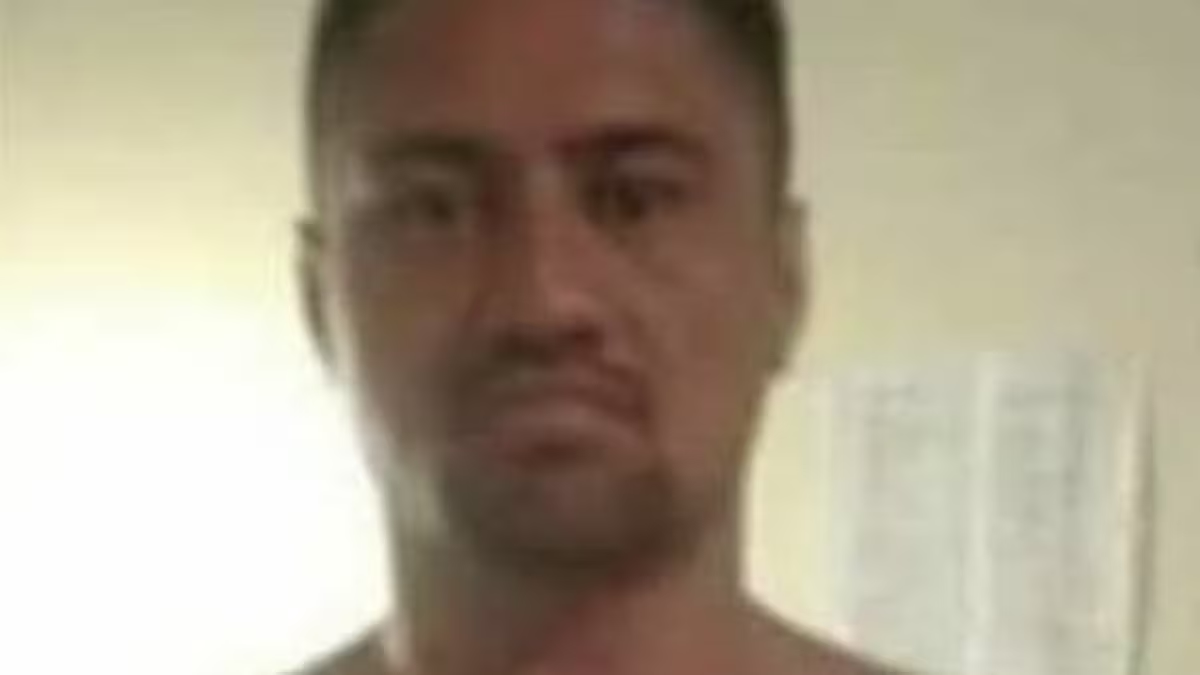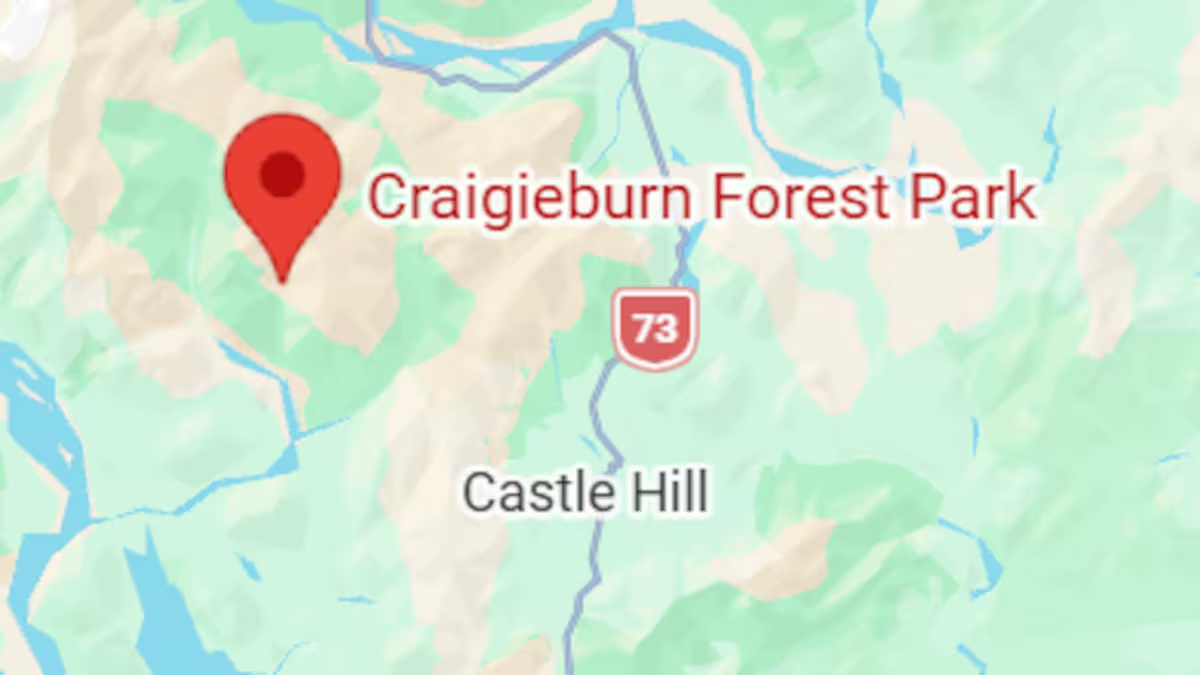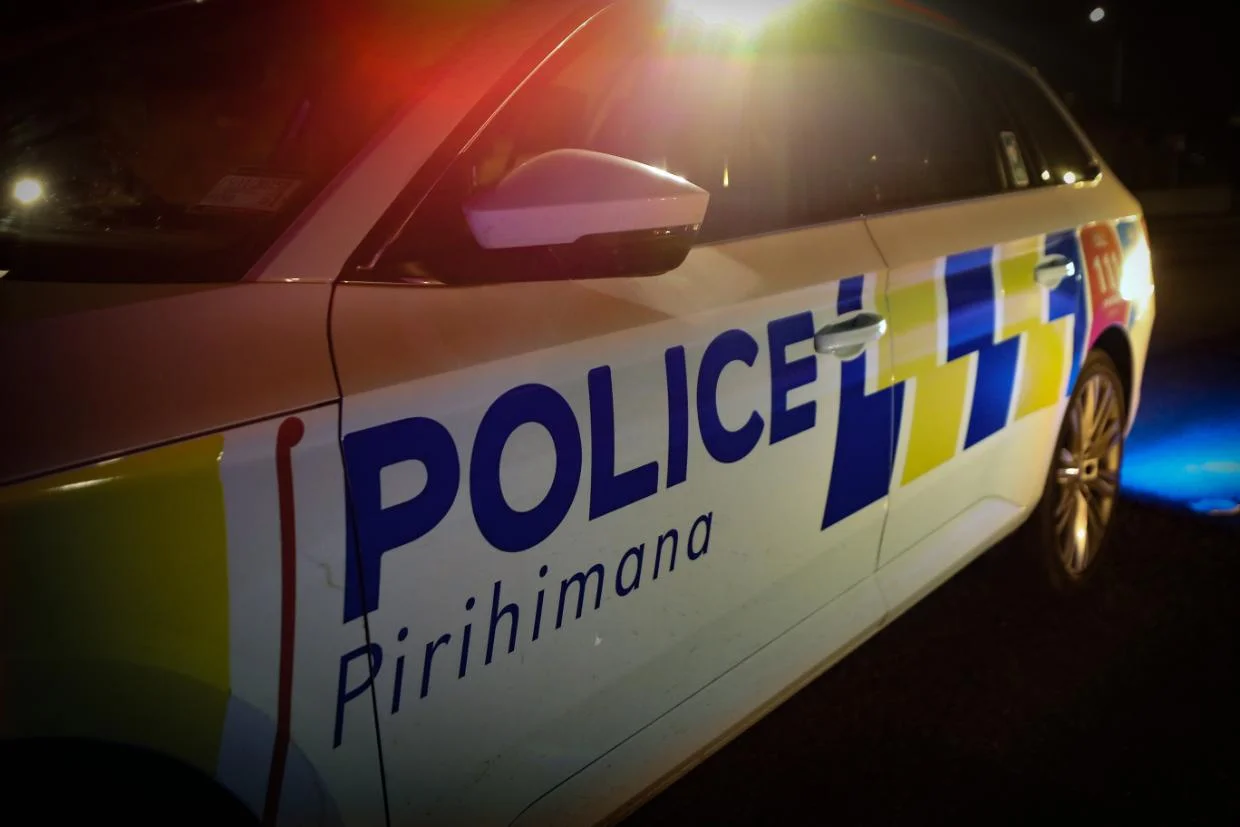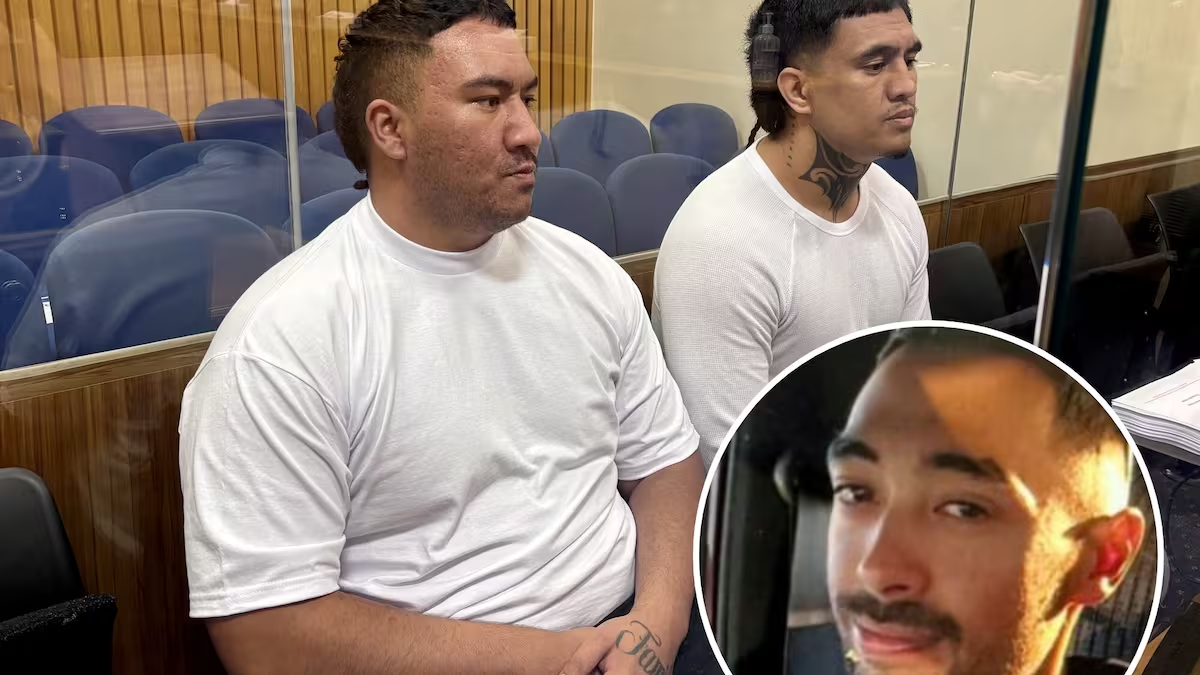
The family of a man who lost his life in the Waikato River following a police chase have made emotional pleas for justice as an inquest gets underway more than eight years after his death.Benjamin Thomas Hale's body was found on 5 May, 2018, 1.7km downstream from the spot where he was last seen eight days earlier.Police were looking for him on 27 April following a report Hale had breached a protection order and assaulted his partner.When a search ensued, police understood Hale could have been in possession of a firearm.When he was located by police near the Waikato River, Hale fled and entered the water.Police, including a boat crew and aerial support, searched for him, but, for reasons that will be explored at the inquest, failed to rescue him.Family says they are 'hurt and angry'The inquest into his death started in Hamilton on Monday where his partner said the long process had been hurtful and that she was angry.Coroner Ian Telford asked if there was anything she wanted to say to him."I'm here for my babies and older boys. I want justice. I want closure. That is what we need," she said.A family representative told the court it had been a long journey, "not just in years, but in pain and suffering"."His life mattered. Ben was more than what has been portrayed about him."I believe official accounts have shown that he was not the person he was."The court heard Hale's family had been asking questions for eight years."We believe the professional team managing the case should provide clear updates and the responsibility should not fall on whānau."We want the process to become more accessible and direct for the next whānau."There were long periods, sometimes years when we didn't hear anything.""Every long period without answers made us wonder if he had been forgotten. His children have wondered what happened to him."Questions to be answeredCounsel to assist the coroner Nick Chisnall said the inquest would draw attention to what might reduce the chance of more deaths in similar circumstances, and family concerns."What is an issue is the circumstances of his death."Chisnall said the inquest would ask if police did all they could to rescue Hale, why police were trying to locate him, what information they were acting on, and if there was a reasonable basis for believing he had a gun.Chisnall said the inquest would explore if Hale was injured at the time, how and where he entered the river, what course he travelled in the river, what intelligence police were using, if it was clear, if they communicated clearly with him, if police followed policy once they located him, if their boat crew was trained and if they did all they could have done to remove him from the river."Could they have taken additional steps to remove him?"Police inspector speaksThe court heard police were alerted at 11.08pm that Hale was seen running to a park that borders the river.A dog handler tracked him to the river's edge and a police boat was launched at 11.36pm.An acting duty inspector arranged for a Fire and Emergency New Zealand officer to join three officers with a thermal imaging camera, and for the police helicopter Eagle to assist in the search.The duty inspector told the court he instructed them to take a Taser and not to bring Hale on board without first making a plan for doing so.The Eagle helicopter spotted Hale in the water at 12.29am.Hale was holding on to a branch at the bottom of a steep cliff as the police boat stopped about 15m away.Officers in the boat were reluctant to get too close to Hale as there was concern he might have a firearm.An officer on land shouted to him and Hale acknowledged he was under arrest and asked the officer to pick him up from the water.Hale swam towards the boat, where a strong current pulled him into an eddy.He was pulled under the water and not seen alive again.Under cross-examination, the inspector said he had instructed the boat crew to search and contain the area.He said he had no knowledge that staff had heard Hale was possibly carrying a firearm.A transcript from police radio showed that just after Hale had been spotted by Eagle, the radio operator on the boat said they would not be getting Hale on board with a firearm.The lawyer for Hale's family, David Allan, asked the inspector if he knew at least two of the people in the boat were working on the wrong assumption, would he have told them something else."Yes, I would have," he replied."I'd envisage we would get him out of the middle of the river rather than him getting sucked under the water."I could see the swirling motion in the water from the top of the cliff with the torch on it."I would doubt staff on the boat could see it."The inspector said police were unsure of what Hale's intentions were."There were two parts, get him out once he has given up, and how to defend staff once he gets out."The whole thing unfolded in a very short period of time."Allan said evidence showed police hadn't committed to a rescue plan."They should have made their plan much earlier, rather than waiting until he had gone underwater."The inspector said he was a licensed firearms holder and believed it was widely understood that the chances of a gun working in water were dramatically reduced."Most people who want a firearm to work would not take it into the water."I would have thought he (Hale) would have ditched the firearm before he went in the water."The inquest is set down for two weeks.* This story originally appeared in the New Zealand Herald.Open Justice
Benjamin Hale inquest: Police decisions questioned after Waikato River death
The family of a man who lost his life in the Waikato River following a police chase have made emotional pleas for justice as an inquest gets underway more than eight years after his death.
949 words~4 min read