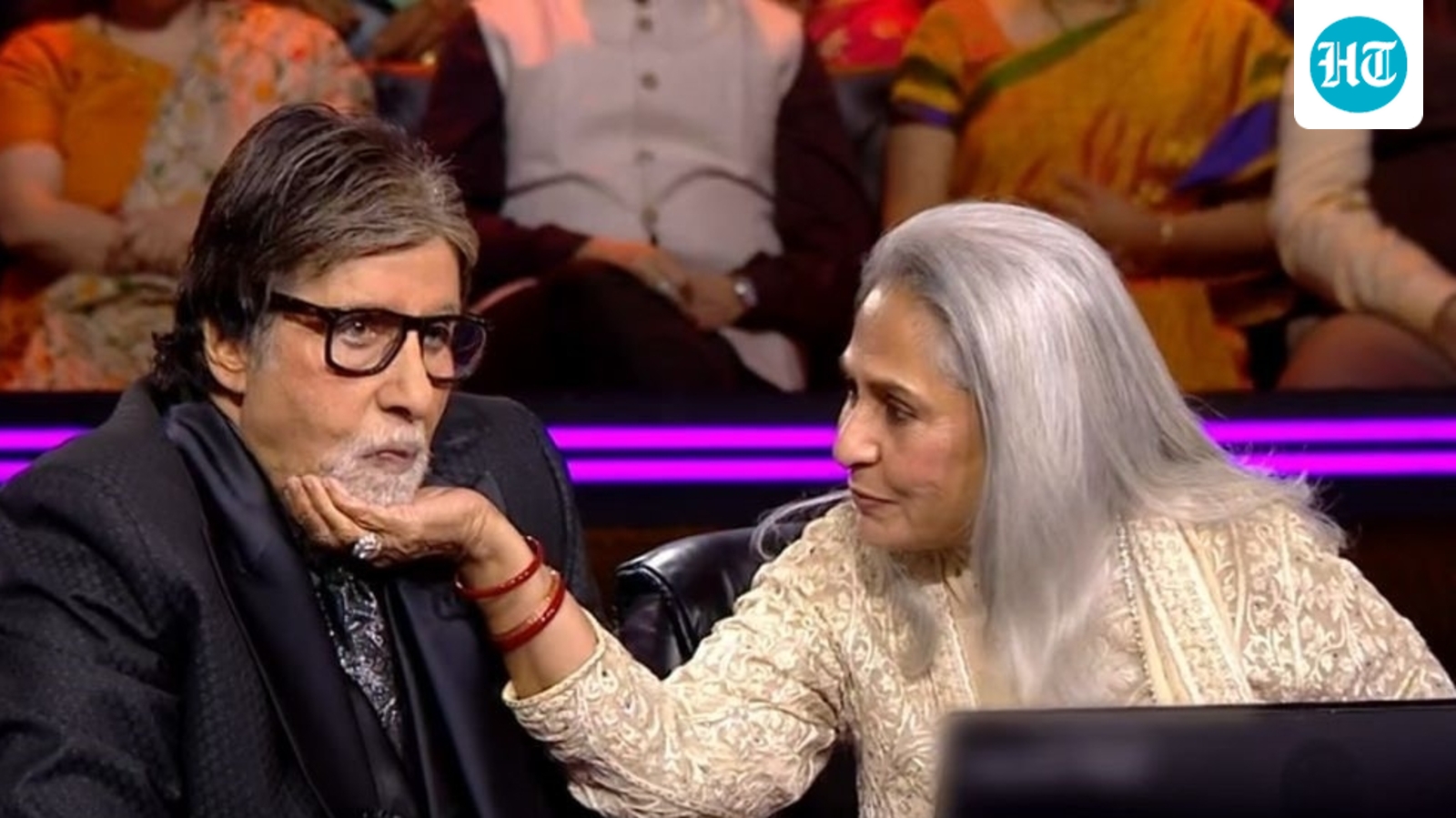
When Karan Johar once asked Jaya Bachchan why she walked away from acting at the peak of her career, her answer was far from simple. She shared that Amitabh Bachchan had once told her he didn't want a wife who worked fixed office hours. As his own career grew busier, Jaya felt someone needed to be around for their children full-time. She even remembered a moment when her daughter Shweta asked her not to leave for a shoot and to let her father go instead, a memory she described as painful. This conversation, from a 2007 episode of Koffee With Karan, still resonates with many parents today because the struggle she described hasn't gone away. It has simply taken new forms.The guilt that never really leavesModern parents, no matter what choice they make, often end up carrying some form of guilt. Working mothers can feel torn between being present at home and being present at work. Fathers today often want to be hands-on parents while still being expected to provide financially. Even parents who choose to stay home aren't spared. According to psychotherapist and relationship coach Delnna Rrajesh, a stay-at-home parent can genuinely love their children and still miss parts of the life they had before, and that doesn't make their love any less real.28 Jul 2026 | 16:22How do you teach children about money and financial responsibility?Loving your child and missing your old life can both be trueDelnna explains that emotional maturity means being able to hold two feelings at once. A mother who misses her career isn't loving her child less. A father who wishes for more professional freedom isn't regretting fatherhood. A caregiver who feels tired isn't resenting the person they care for. The problem, she says, starts when parents feel they aren't "allowed" to feel this way, because those buried emotions don't just disappear. They often turn into guilt, irritation or quiet resentment instead.Why the way you talk about sacrifice mattersAccording to Delnna, there's a big difference between saying "I gave this up because of you" and saying "I made the best decision I could at that time." The first puts the emotional weight on the child. The second keeps the responsibility with the adult, where it belongs. Every family will go through phases where one person sacrifices more, whether it's sleep, career growth or personal time. That isn't unhealthy on its own. What becomes harmful is when that sacrifice is quietly kept as a debt to be repaid later. Delnna points out that children absorb far more from watching their parents than from any lecture. A daughter who sees her mother chase her own goals learns something valuable about self-worth. A son who watches his father take on cooking and caregiving learns a broader idea of what it means to be a man.It shouldn't always be the mother's turn to sacrificeOne of the more important points Delnna raises is how caregiving decisions are almost always framed around the mother first. Instead of asking whether the mother should keep working, families would benefit more from asking how work, money and childcare responsibilities can be shared between both partners. Sometimes stepping back makes sense for the mother, sometimes for the father, and sometimes both partners simply cut back a little. There is no one right formula, and no version of parenting is automatically more devoted or more ambitious than another.Questions every couple should ask before making a big sacrificeBefore one partner gives up something significant for the family, Delnna suggests asking a few honest questions. Is this choice being made freely, or out of fear of disappointing someone? What is being gained, and what is being quietly grieved? Is this sacrifice meant to be temporary or permanent? And most importantly, when will the arrangement be revisited? Love, as Delnna puts it, may sometimes ask people to give things up. But it should never ask anyone to completely lose themselves in the process.
Jaya Bachchan gave up her career for her children: The emotional truth about sacrifice, guilt and why loving your kids should never mean losing yourself
When Karan Johar once asked Jaya Bachchan why she walked away from acting at the peak of her career, her answer was far from simple. She shared that Amitabh Bachchan had once told her he didn't want a wife who worked fixed office hours.
655 words~3 min read