Petrol prices in the UAE will rise for a second straight month in September, as global oil markets remain volatile with a peace deal between the US and Iran still out of reach. Super 98 will increase by 5.5 per cent, Special 95 by 5.7 per cent, E-Plus 91 by 5.86 per cent and diesel by 13 per cent.How much will fuel cost in September?Super 98: Dh3.80, up from Dh3.60 in AugustSpecial 95: Dh3.69,up from Dh3.49E-Plus 91: Dh3.61, higher than Dh3.41Diesel: Dh4.30, compared to Dh3.80 last monthThe cost of fuel in the UAE has been tied to the global oil market since 2015, when deregulation was introduced.Prices at the pump in the Emirates fell for the first time in five months in July. That came after crude erased all its wartime gains in the first week of the month when the US and Iran agreed to a ceasefire. Both oil benchmarks, Brent and West Texas Intermediate, had risen to an intraday highs of about $126 a barrel and $119 a barrel, respectively, in late April.After dropping sharply, prices rose again in August as tensions reignited, with Brent returning above $94 a barrel and US marker WTI hitting $87 per barrel. Throughout the six-month conflict, the two benchmarks have followed a more cyclical path, with signs of progress in negotiations easing supply fears and pulling prices lower, before renewed hostilities send them higher again.Rhetoric intensified after Washington announced early last week its “toughest” economic sanctions on Tehran, with Iran vowing to retaliate.The resumption of negotiations between the two sides and the involvement of mediators, including Qatar and Pakistan, which stepped up their efforts to hasten the process, has eased oil markets once more.Oil prices steadied on Friday and posted their first weekly losses in three weeks, with Brent and WTI retreating by about 5 per cent.While petrol prices have traditionally moved in synch with the oil benchmarks, they sometimes differ. Several factors influence monthly fuel costs and, although the mechanisms for setting these prices vary by nation, governments can also help control high prices at the pump. “The UAE … system is better understood as linked to international refined product markets rather than to the spot price of crude on the day a motorist fills up,” Ahmed Zaheer, consultant at Dubai-based Qamar Energy, told The National.
UAE petrol prices to rise in September with diesel up 13% | The National
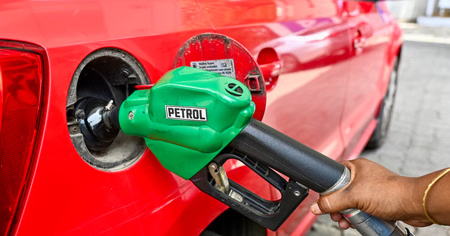
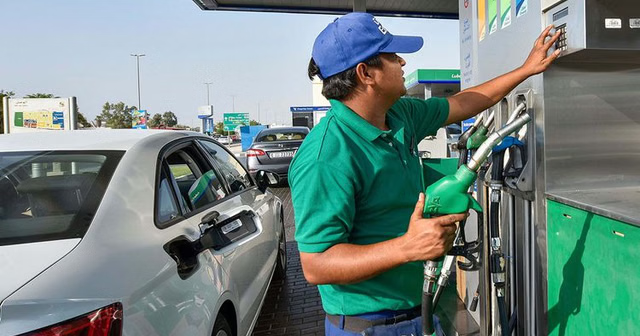
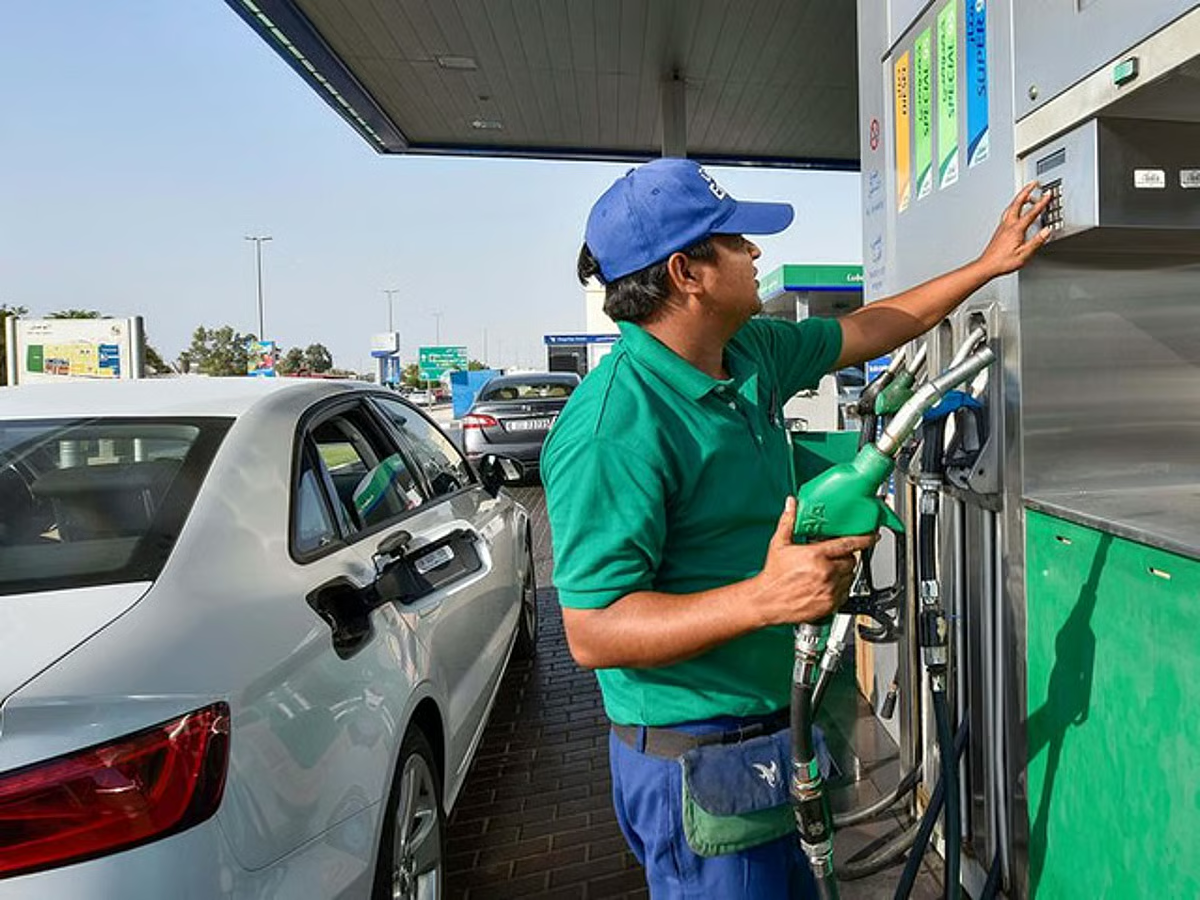
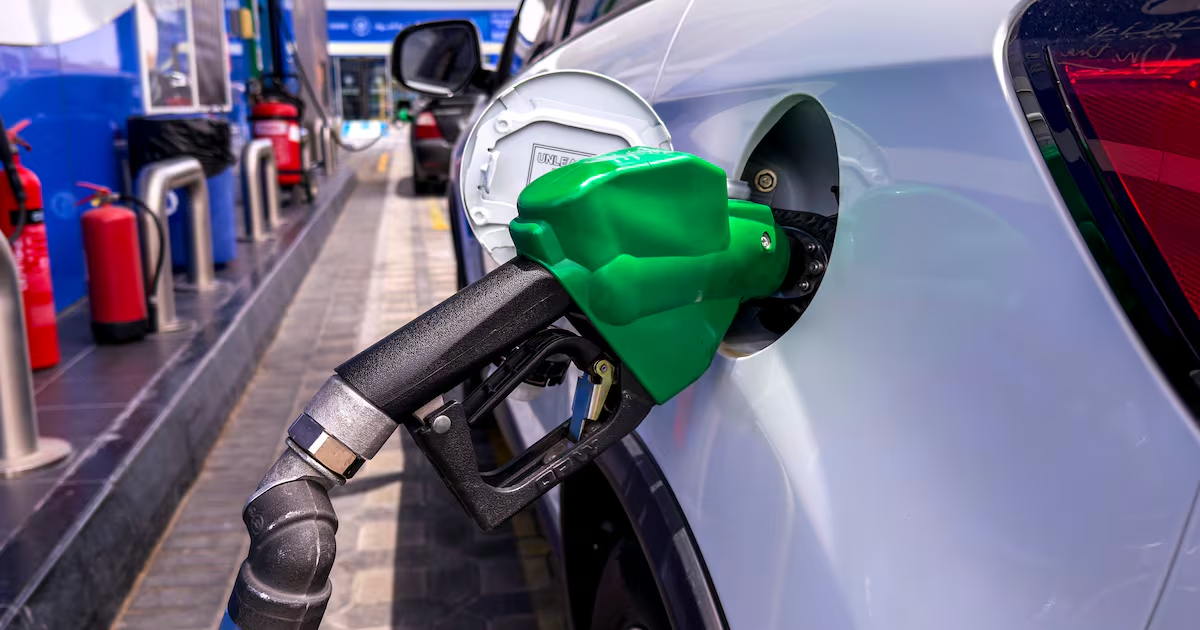
Prices at the pump in the Emirates are higher for the second month in a row
385 words~2 min read