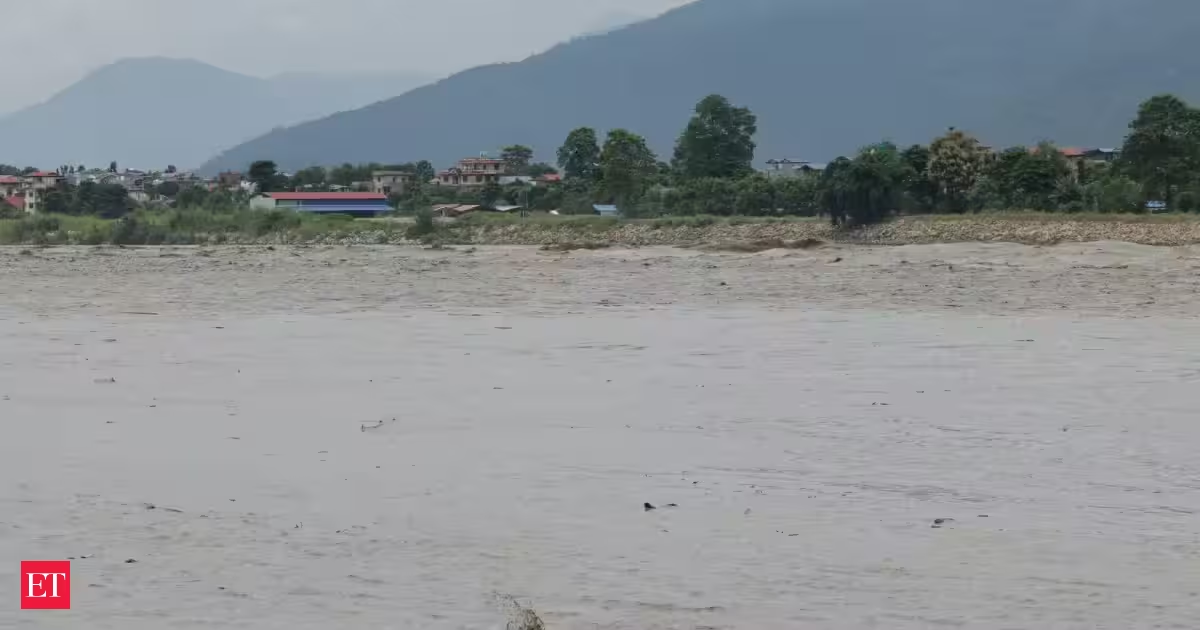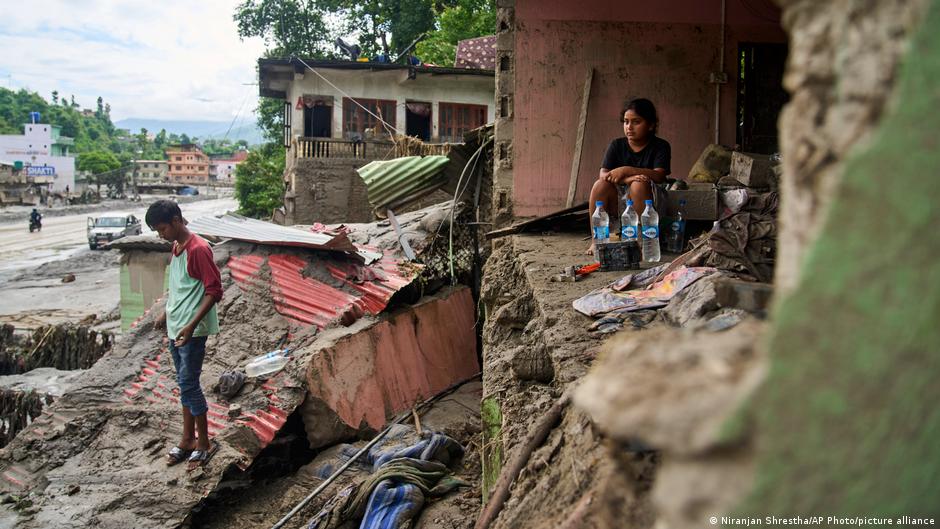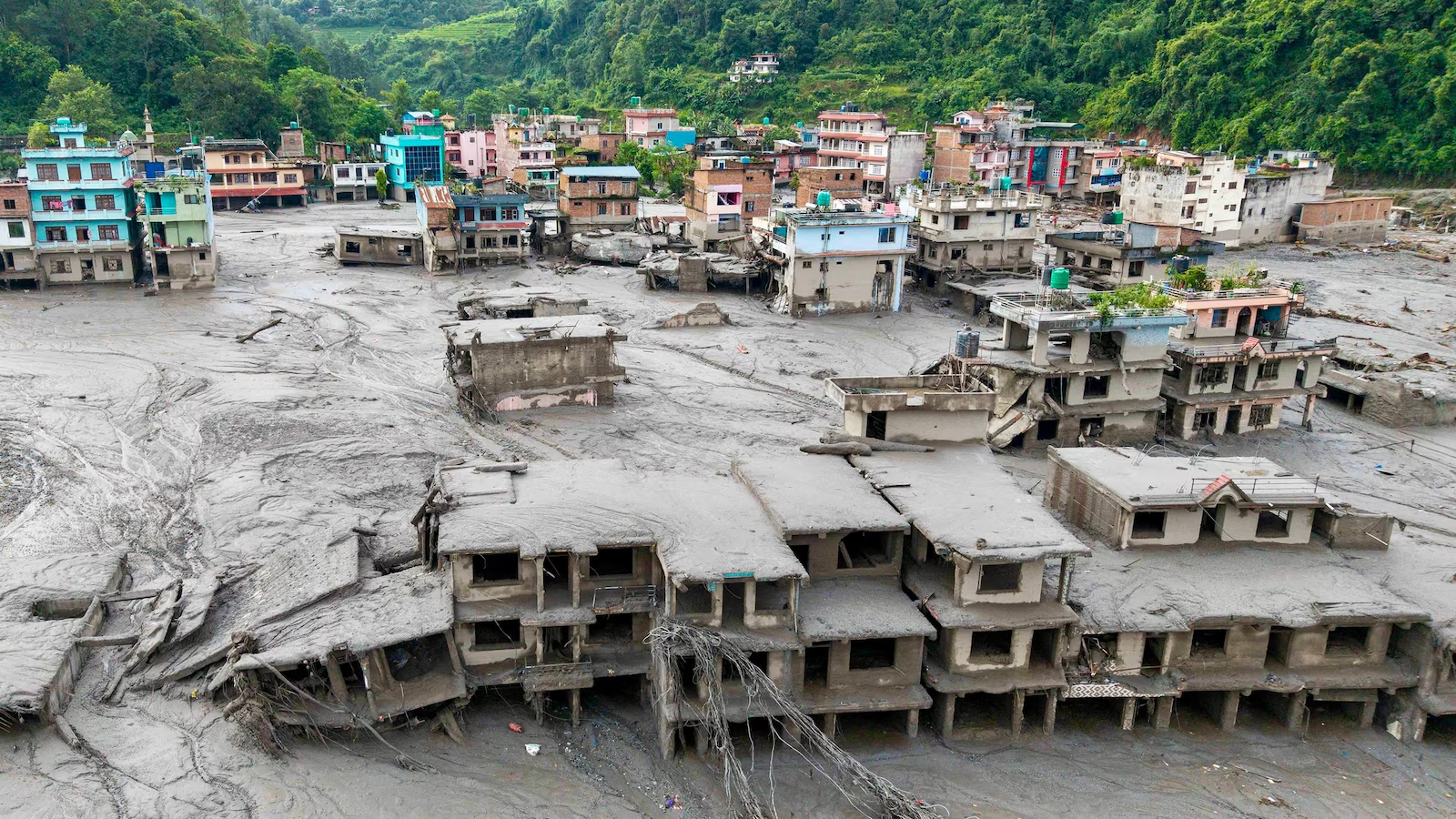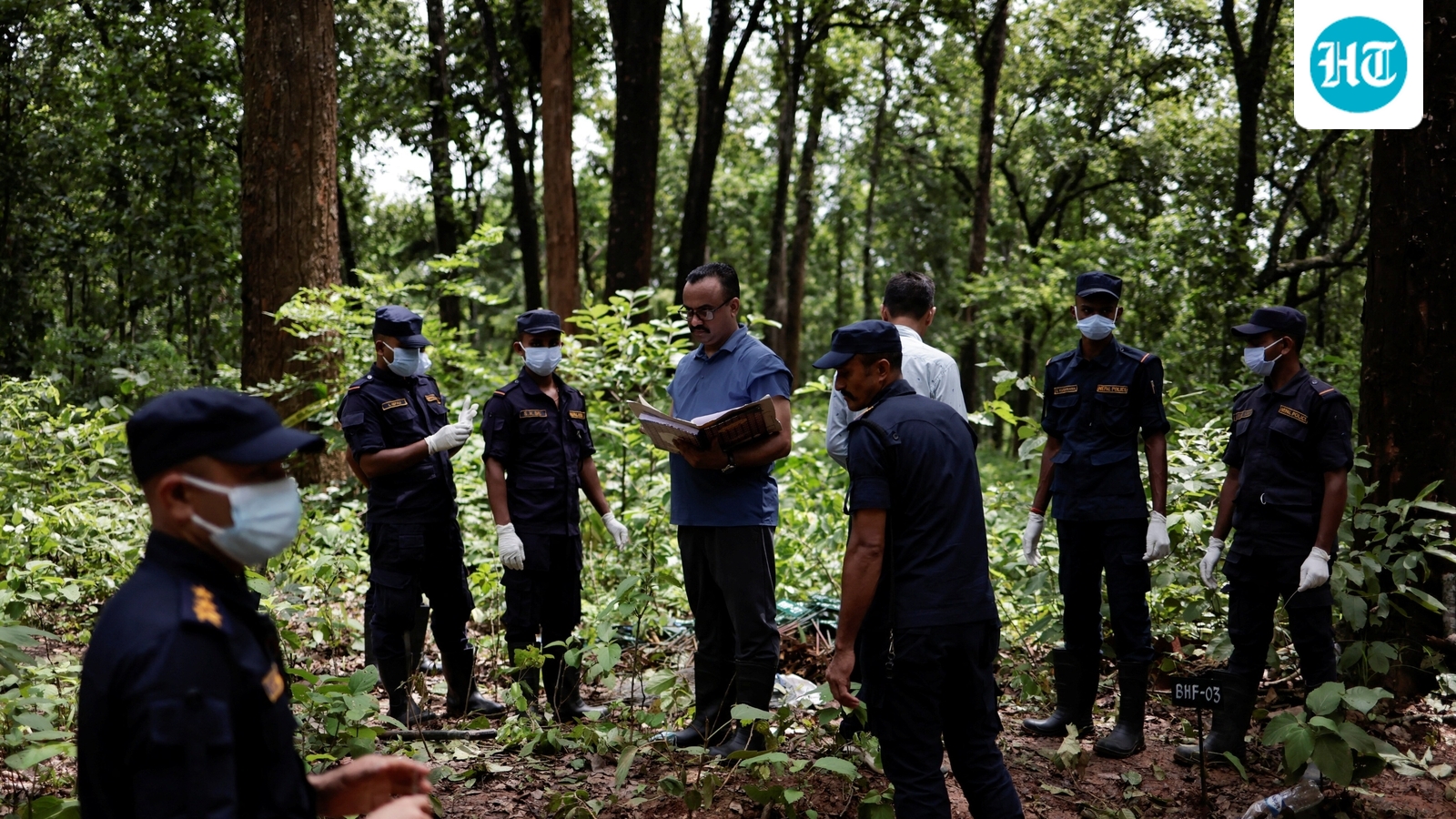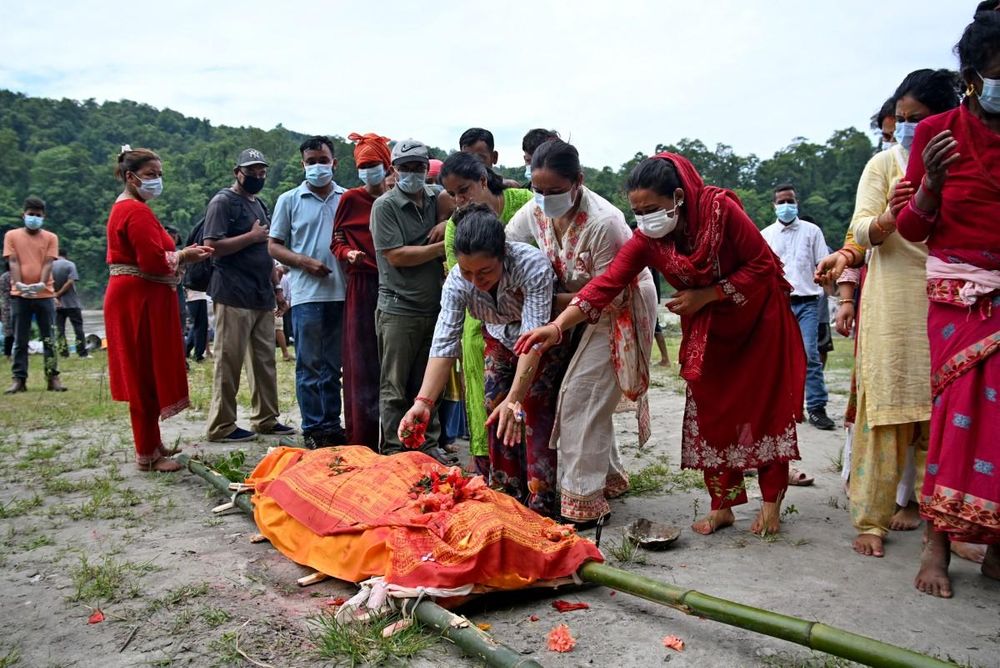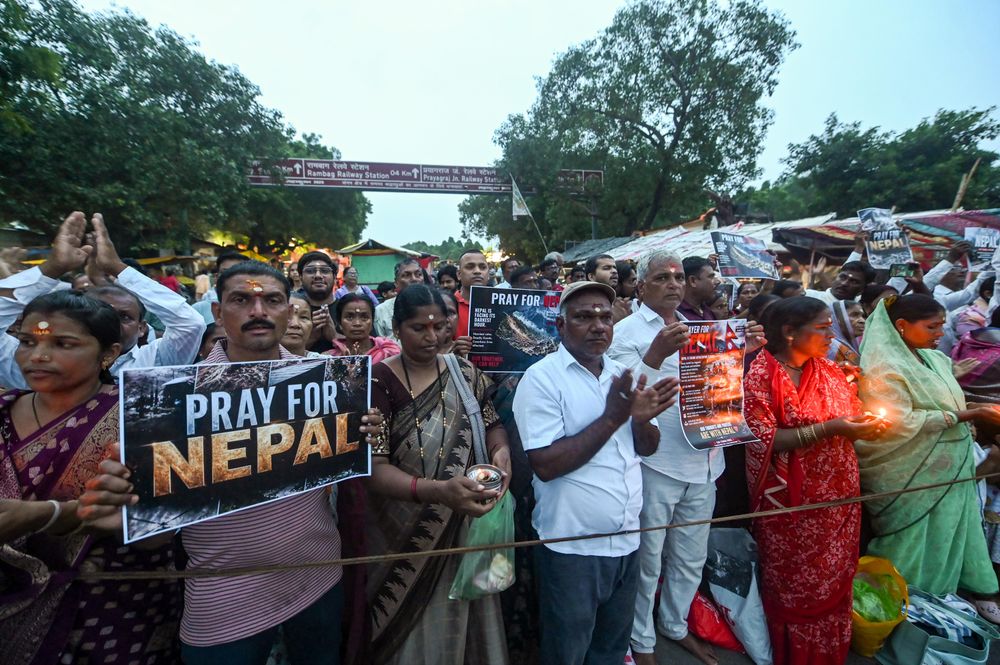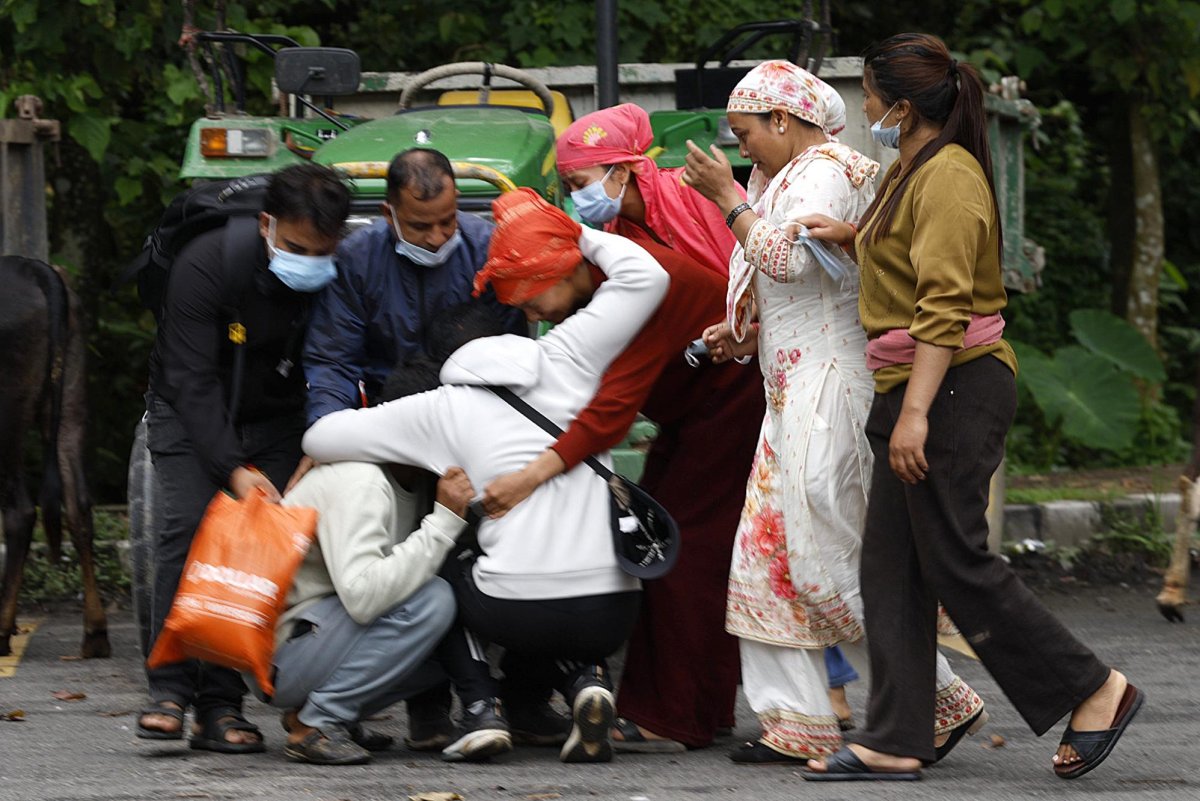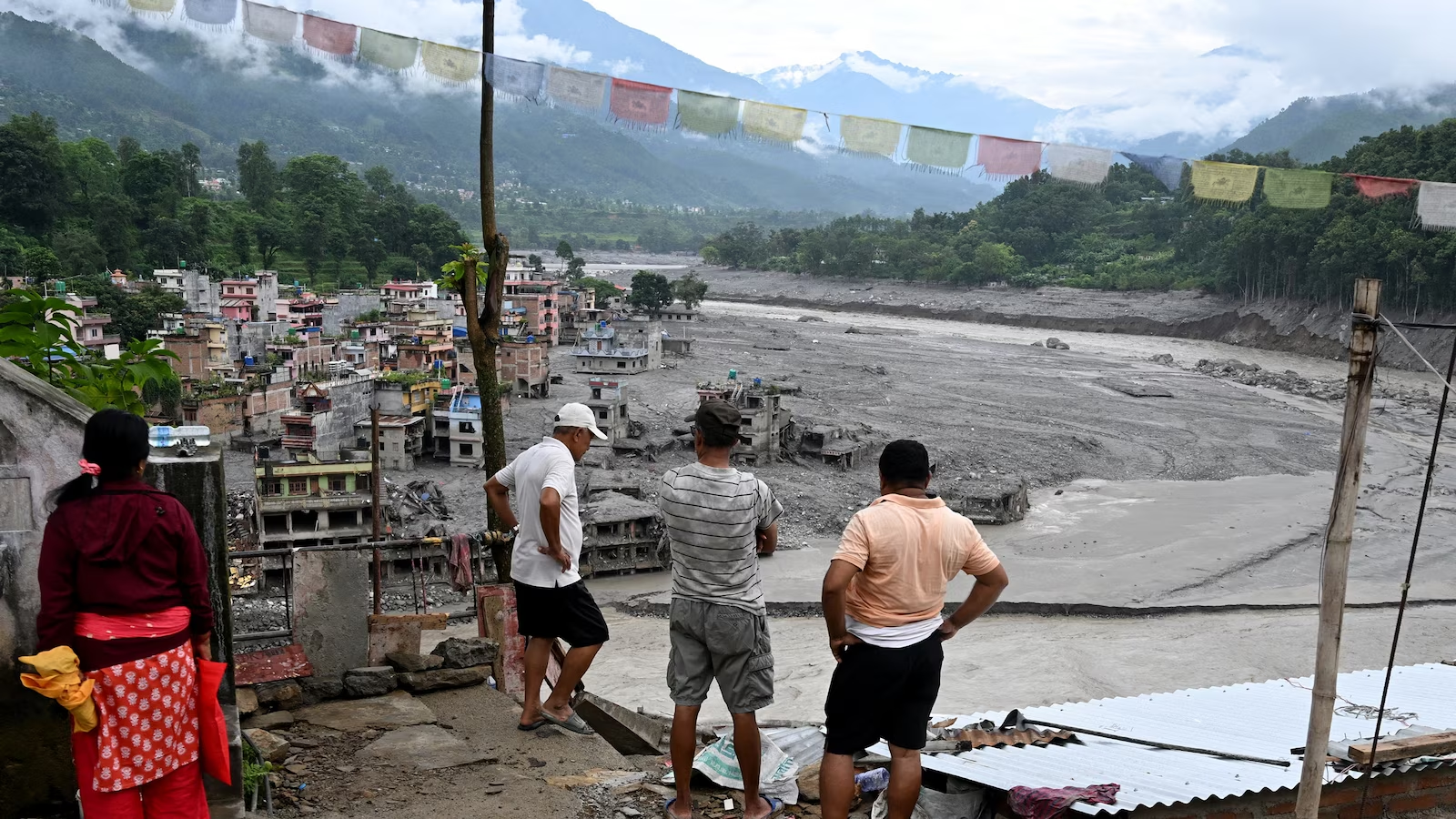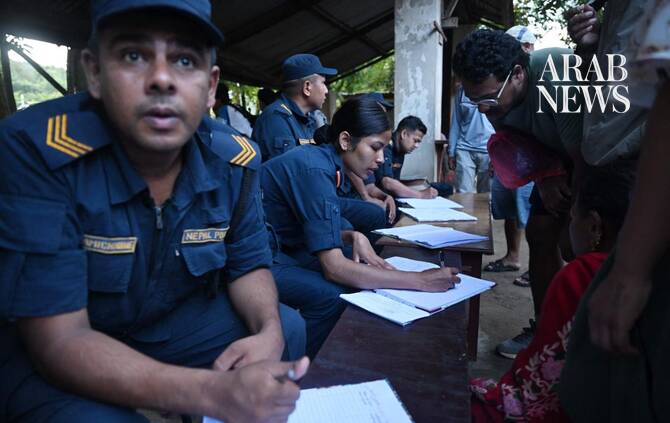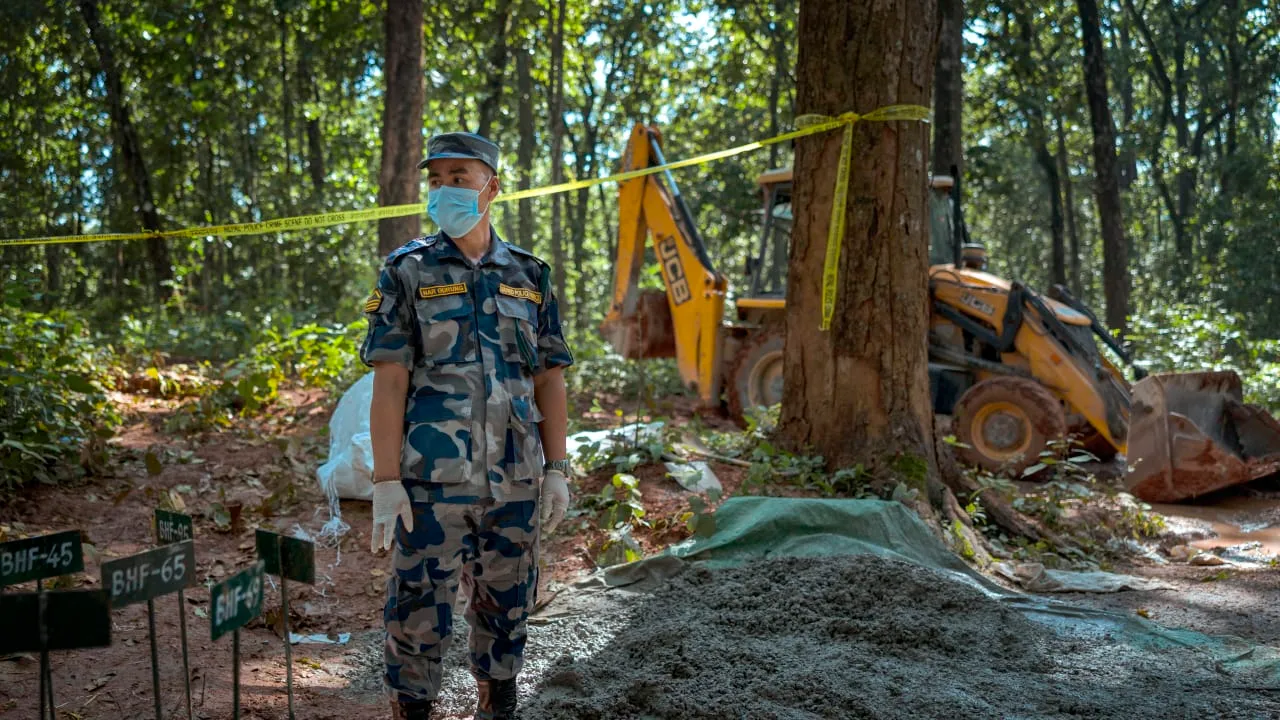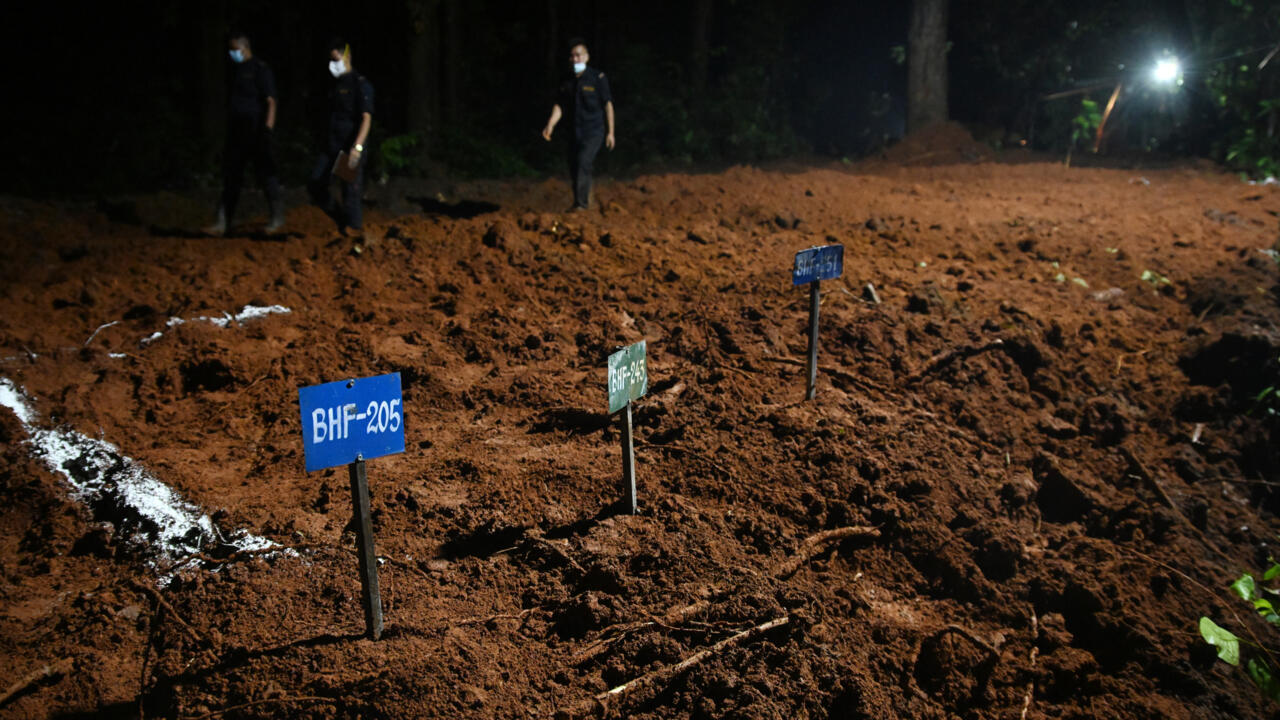
Nepal was burying on Monday some of the hundreds of bodies retrieved after a devastating tsunami-like flood crashed through the Himalayan region, sweeping away villages and leaving thousands still missing. Distraught families have packed rescue stations and hospitals in search of their missing relatives, while others have faced the grim task of identifying bodies at overflowing morgues. The huge wave of ice, rocks and debris that smashed into villages and towns on Wednesday claimed more than 900 lives in both Nepal and Tibet – across the border in China – with reports of some bodies possibly swept downstream as far as India. Nepal’s disaster agency said Monday that 903 deaths had been counted there, with 4,247 people, including 592 foreigners, still missing. Some 933 workers at hydropower plants are among those unaccounted for in Nepal. As of Sunday, Chinese authorities reported 16 deaths and 546 missing. Chinese state media said 261 of the missing were foreigners, including over a hundred Nepalis. Read moreRescuers grapple with a mountain of challenges after the Nepal-Tibet floods Nepali army troops and engineers drilled through debris on Sunday towards workers believed to be trapped in a tunnel at the Trishuli 3A hydroelectric site in the Himalayan river valley after they successfully inserted a pipe into the passage. Workers who managed to get out described horrifying scenes when the disaster struck. Surendra Dowluri, 33, from India's Andhra Pradesh state, said raging water swamped the Upper Trishuli-1 site, where he was working. "We heard a very loud sound... and saw that the turbine floor was submerged with slush, and six workers were stuck in that," Dowluri told AFP in the Nepali capital Kathmandu after his rescue four days into the disaster. "We managed to rescue five of them, but one person lost his life," he said, describing how some workers reached higher ground or construction areas out of reach of the torrent.
Nepal buries victims of Himalayan flooding as death toll climbs past 900
Nepal on Monday began mass burials for the hundreds of people killed in catastrophic flash floods along the Nepal-Tibet border last week, as authorities announced the death toll had climbed past 900…
676 words~3 min read