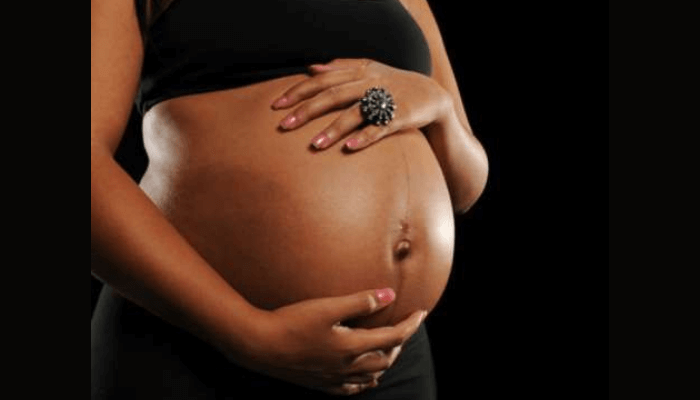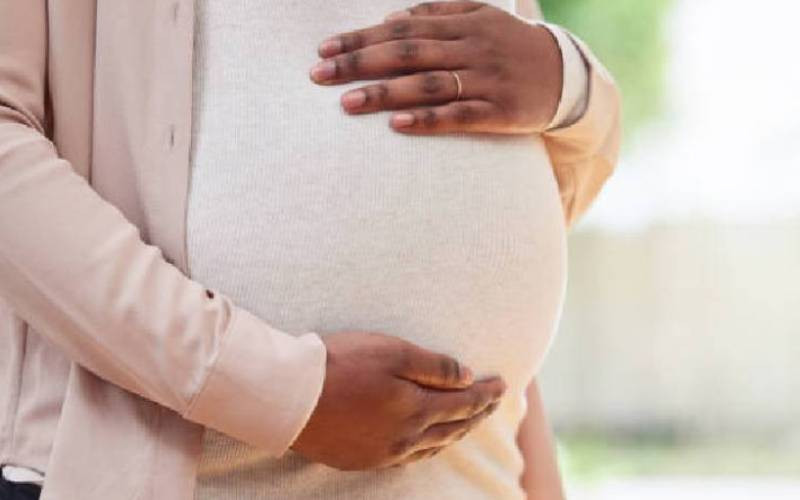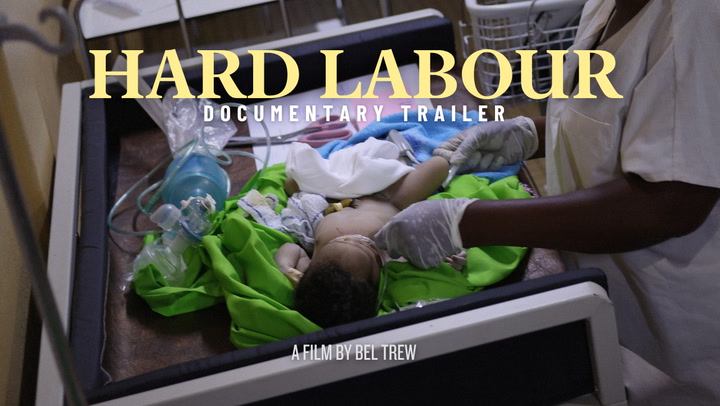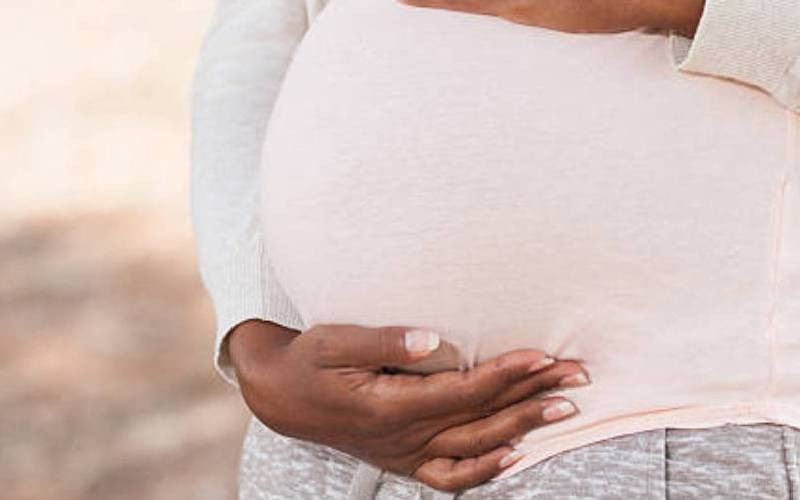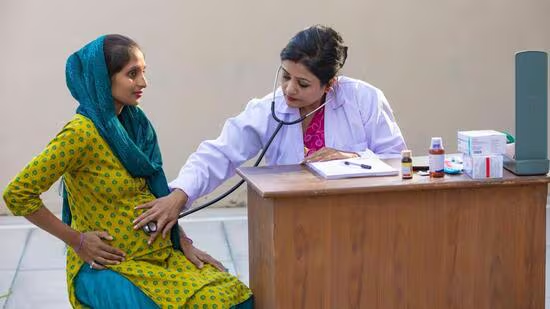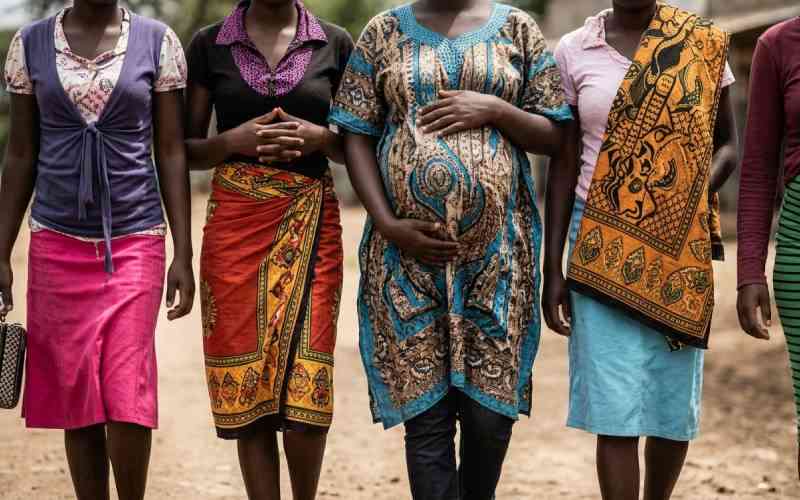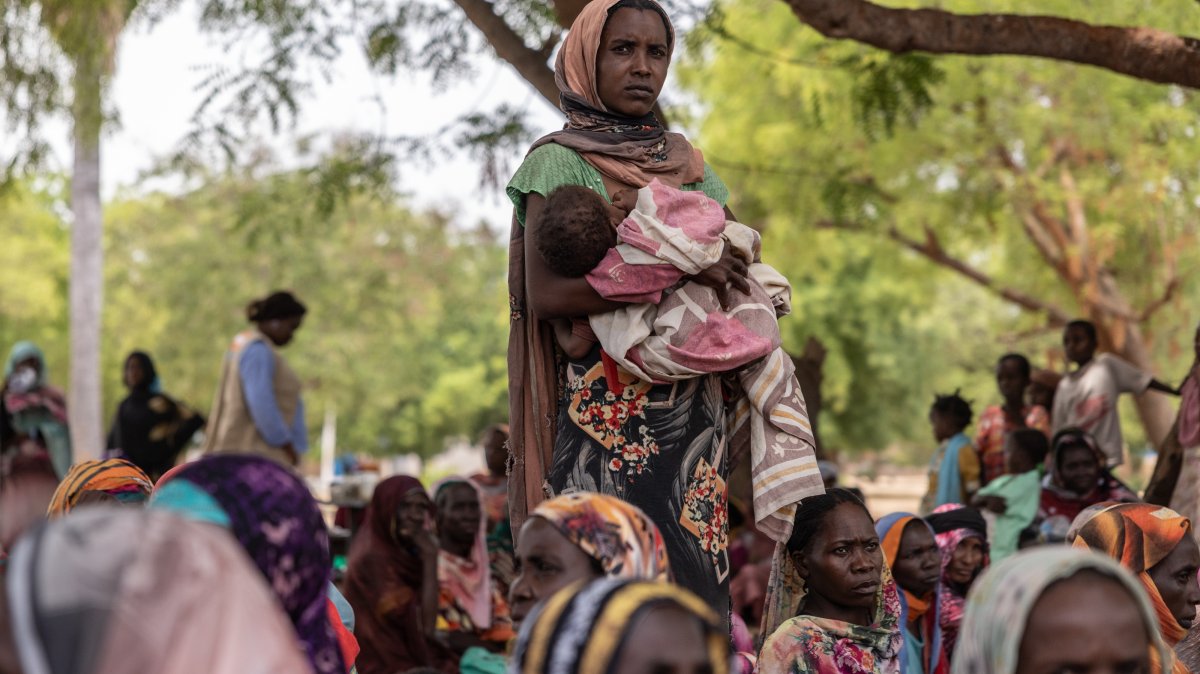
Millions of girls become pregnant before the age of 18, exposing them to significantly higher risks of complications. [Courtesy]
Across Africa, the fight to keep mothers alive during childbirth is finally showing signs of progress. Governments are investing in stronger maternal health systems, introducing evidence-based treatment guidelines and expanding emergency obstetric care.
Countries such as Rwanda, Uganda, Kenya and Nigeria have all recorded declines in maternal mortality over the past two decades. Yet behind these gains lies a stubborn challenge threatening to reverse progress: teenage pregnancy.
At the inaugural International Postpartum Haemorrhage (PPH) Conference in Nairobi, obstetricians, researchers and policymakers from across Africa voiced a shared concern that reducing maternal mortality will be impossible unless governments tackle the growing burden of teenage pregnancies alongside strengthening emergency obstetric care.
According to the World Health Organisation, Postpartum haemorrhage (PPH) is severe bleeding after childbirth, blood loss of 500 ml or more within 24 hours after birth.