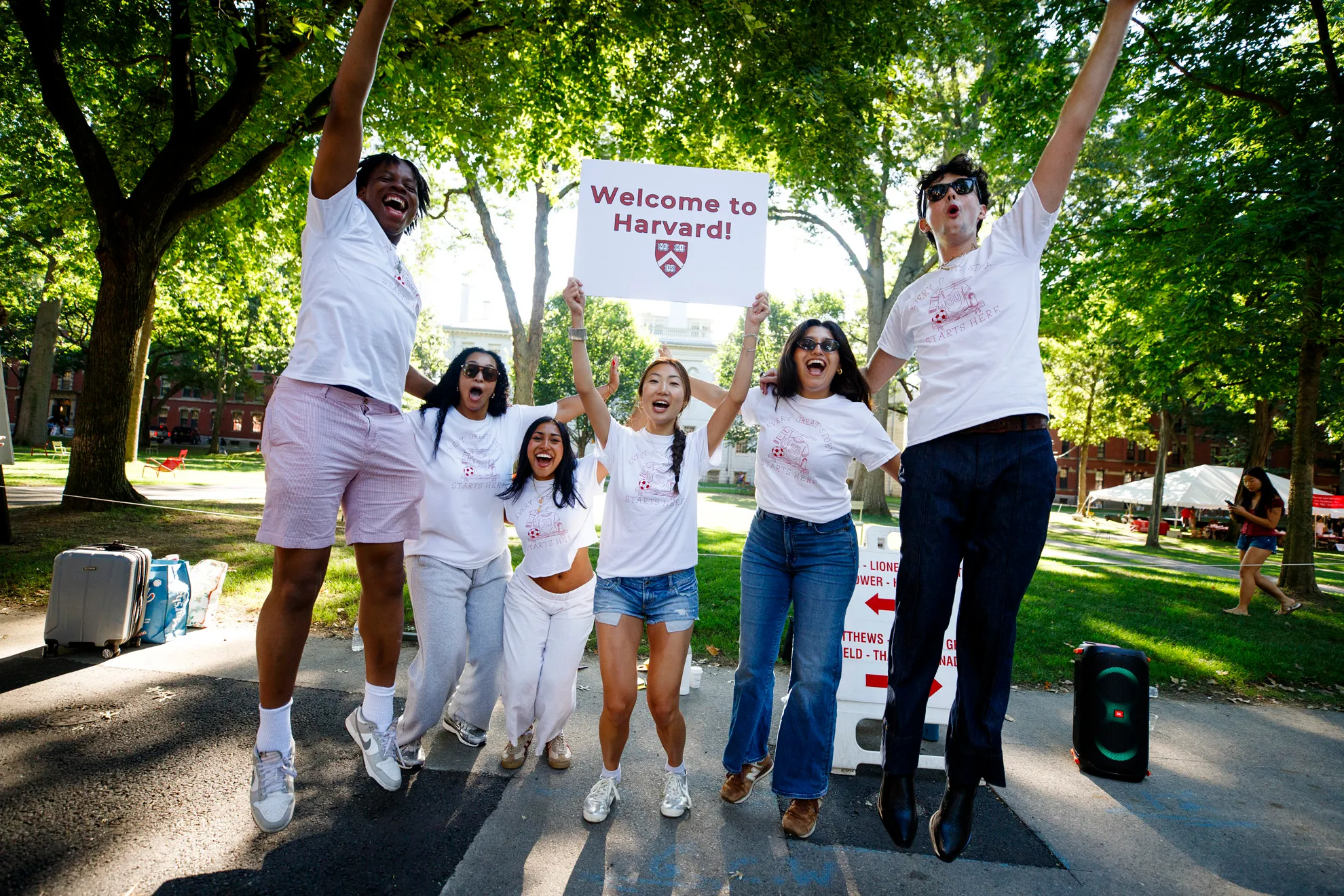
On university campuses across Europe, we are getting ready to welcome new and returning students. It is an exciting and nerve-racking time for everyone from professors (I never quite outgrow the fear that I have forgotten how to teach over the summer) to new first years.In some countries, most undergraduates leave home and move to a new city at the age of 18. I think it is an underestimated and important difference between England and Ireland (Scots also tend to stay close to home), because moving away from family and schoolfriends is both a rupture and an opportunity, and arguably makes as much difference between the lives of those who go to university and those who do not as additional formal education. Very likely, in your new place, you know no one and no one knows you. Even if you have your mum constantly on the phone, you still have to shop, cook and clean for yourself while making new friends and settling into new studies in an unfamiliar environment. For most students, this transition is long-awaited and exciting. It is a chance to experiment and remake yourself; no one knows if you were the shy one, the sporty one or the joker at school. You can change your name, hobbies and style. You have to change your friendship group because the old one has scattered across the country, often posting unhelpfully glamorised new experiences online.For some years, I was director of studies for first years, a role that made me the first point of contact for new students’ troubles and joys. Several friends whose children are now leaving home for the first time have asked me what to advise their children and have been surprised by the answers.I should start by saying that if you have an 18-year-old who wants and accepts your advice and is capable of independent decision-making, congratulations are in order.Our brains, and therefore our minds, are part of our bodies. If you are chronically tired, ill-nourished, over-exerting or too sedentary, lonely or over-stimulated, you will not be very good at thinking or learning, or indeed happy. You cannot choose to be well, but you can choose to care for yourself, not as an obsessive practice in its own right but as the foundation of better adventures. Rest enough (I don’t mean track sleep), eat well (I don’t mean track food), move your body in ways you enjoy. This sounds easier than it is, but it is worthwhile.In the early days, it will sometimes seem that everyone else is easily making friends and having fun. This is because some of them are pretending, and you don’t see the people who are staying in their rooms. Transitions are hard for everyone; if you’re quiet or shy, look to the edges of the room or crowd for other quiet, shy people. You don’t have to party, but try not to hide away. Introverts also need friends.Deadlines are never surprising. I taught in some university departments that had two per term for everything, so you might have four assignments due on the same day. Students would sometimes request extensions on the grounds that there was too much to do at once, and I would refuse because they had known the deadlines for months and had ample time to plan. In many subjects, you will have to plan your time and structure your days far more than at school. It doesn’t matter how you do this – phone, paper, dance, in your head – as long as your system works for you. It matters very much that you do organise yourself. If it helps, think of managing your time and meeting deadlines as a transferable life skill.Don’t cheat. It used to be the case that plagiarising well enough to get decent marks was often more effortful than just doing your work yourself. Obviously that is no longer true, but undergraduate assignments are designed to benefit students, not because there is a shortage of undergraduate essays in the world. To the extent that an undergraduate degree in a non-vocational subject has a quantifiable value, it is in making you better at thinking. Cheating will not make you better at thinking. If you are not interested in learning your subject, leave and find something you do want to do. Even at 18, life is too short to act in bad faith.
Sarah Moss: University is a chance to re-make yourself. No one knows if you were shy at school
It can seem that everyone else is easily making friends and having fun in the early days. Some of them are pretending
729 words~3 min read