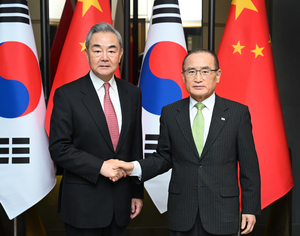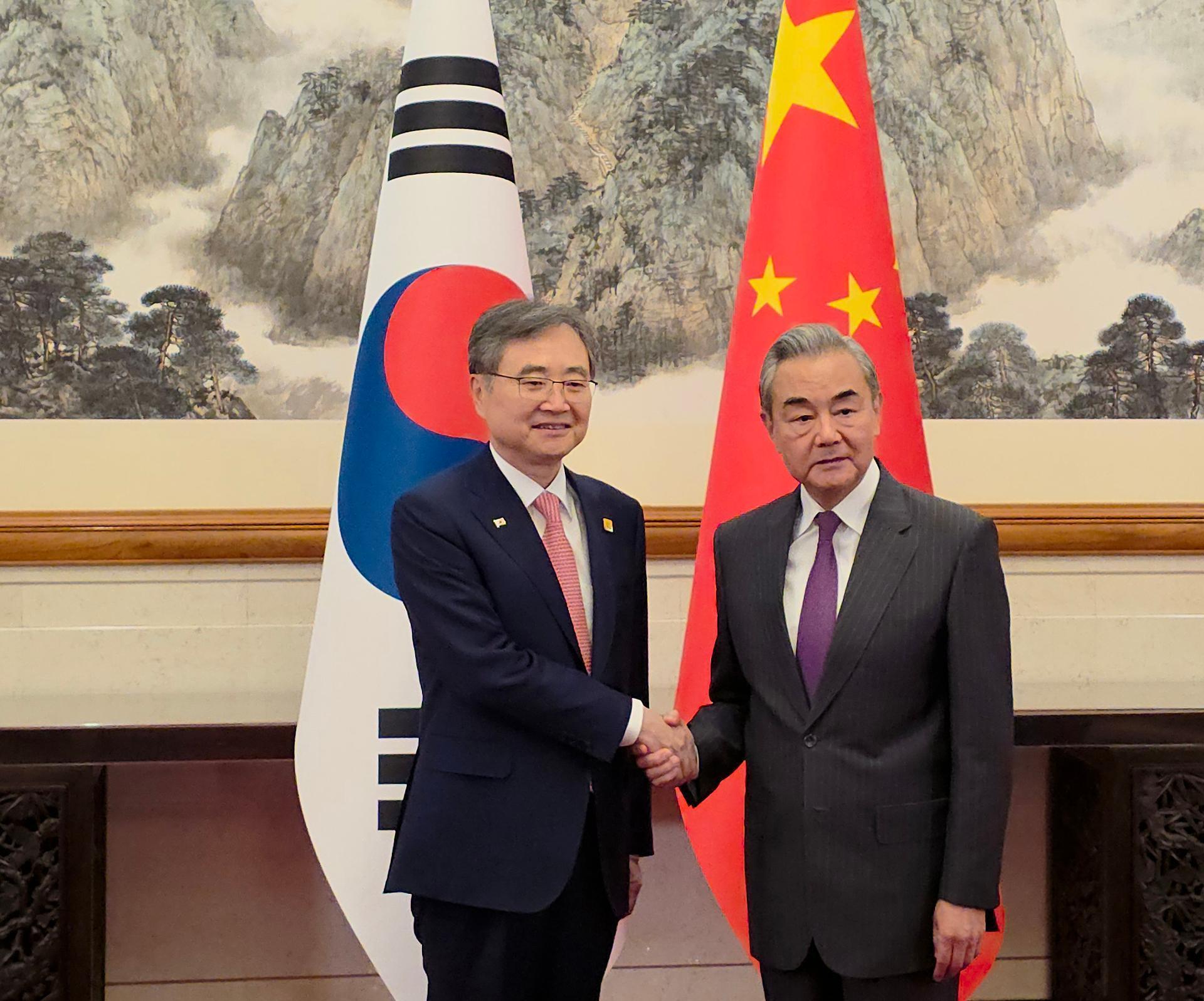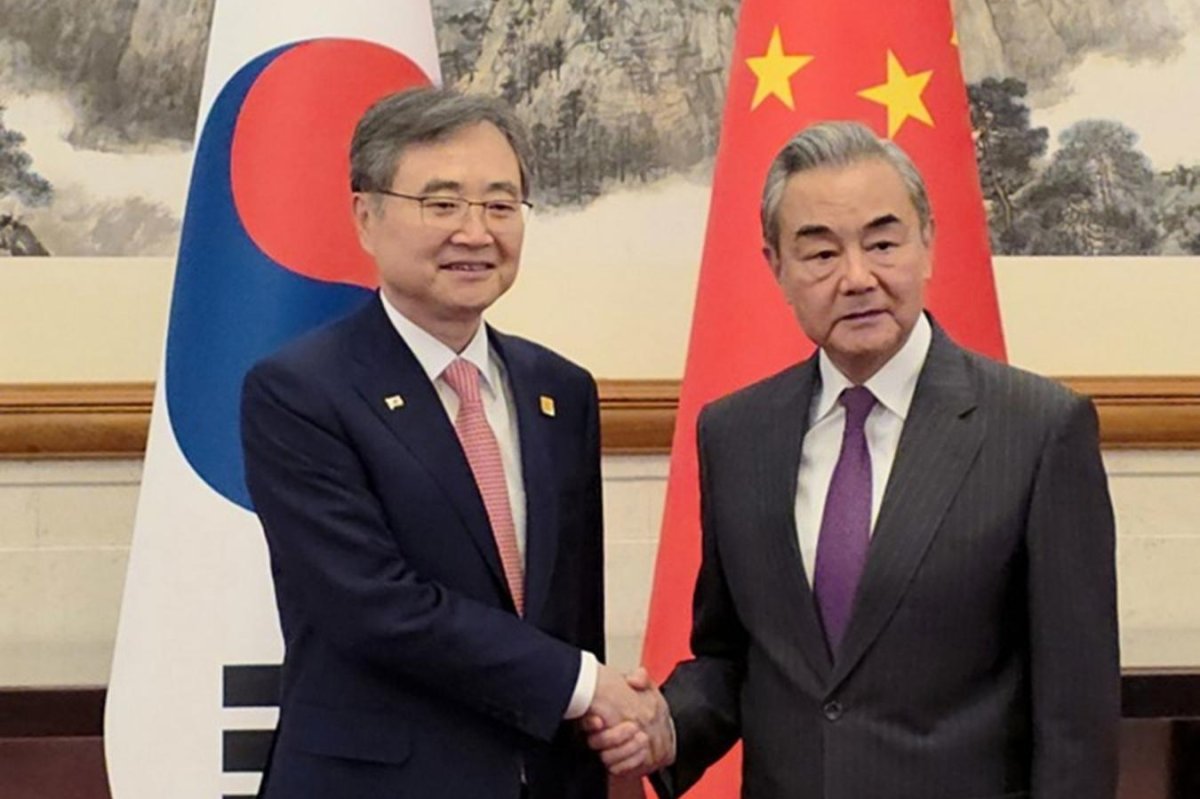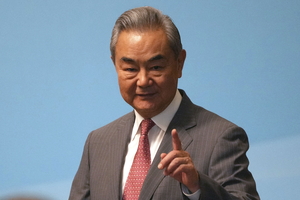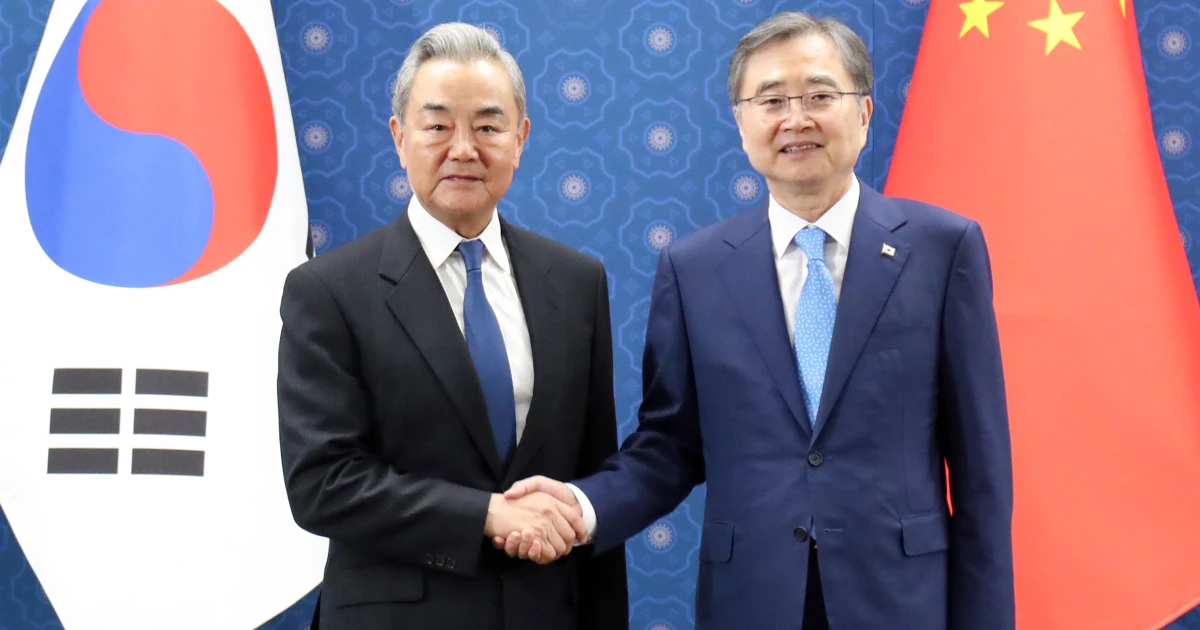
Chinese Foreign Minister Wang Yi’s recent Seoul visit signals a sharper China policy toward the Korean Peninsula. In talks with South Korean officials on Aug. 19 and Aug. 20, he urged Seoul to pursue an independent foreign policy and spoke of the two Koreas as two nations moving toward peaceful coexistence. The column says Beijing is also warning against South Korea’s nuclear-powered submarine plans and other U.S.-linked deterrence measures. It argues China is moving away from its traditional balancing role and toward a more openly strategic stance.
주재우 경희대 교수
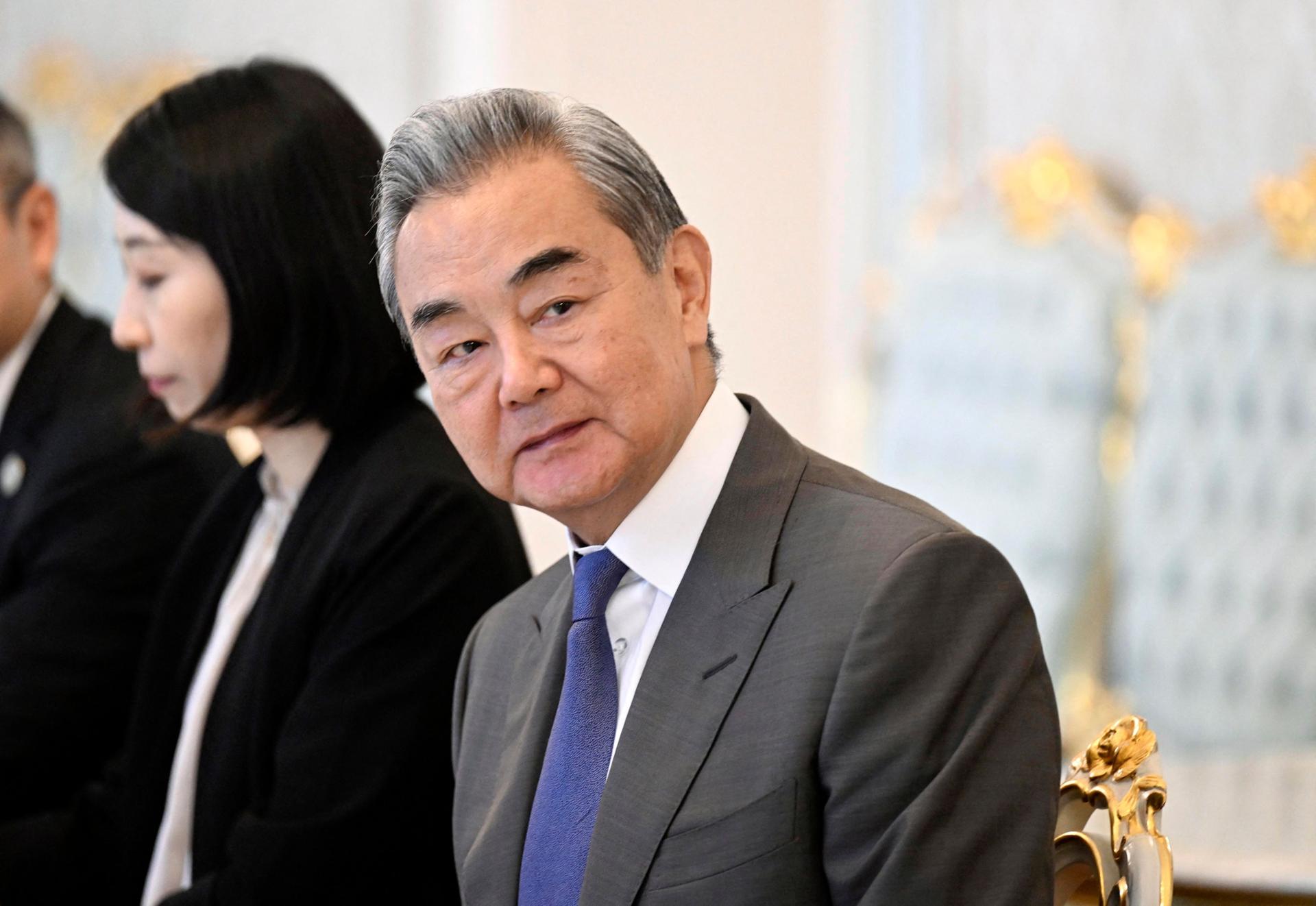
Chinese Foreign Minister Wang Yi recently made his first official visit to Seoul in five years. His high-level engagements — first with his South Korean counterpart on Aug. 19 and subsequently with the President the following day — yielded two particularly provocative insights. The first suggested a concerted mission to draw South Korea more closely into Beijing’s sphere of influence, while the second signaled a significant recalibration of China’s commitment to the Korean Peninsula. Taken together, these developments unveil a new Chinese policy framework that appears to align with North Korea’s 2024 shift toward a “two adversarial Koreas” doctrine. While Beijing has avoided issuing formal commentary on Pyongyang’s new stance, Wang’s nuanced rhetoric pointedly mirrored the North’s concept of two-state coexistence. This represents a radical departure from China’s traditional equidistance diplomacy, through which it historically sought to balance relations between the North and South. Consequently, Beijing is now securing broader diplomatic latitude to engage the two Koreas on its own strategic terms.