We’ve all been there: you can build full-stack web applications, write React components with ease, or deploy Node.js microservices, yet every now and then, a subtle JavaScript bug leaves you scratching your head for hours.
Often, these bugs stem not from complex framework intricacies, but from a shaky understanding of core JavaScript fundamentals.
In this article, we'll strip away the abstractions and look under the hood at five fundamental concepts that every intermediate JavaScript developer should deeply understand.
1. Execution Context and the Temporal Dead Zone
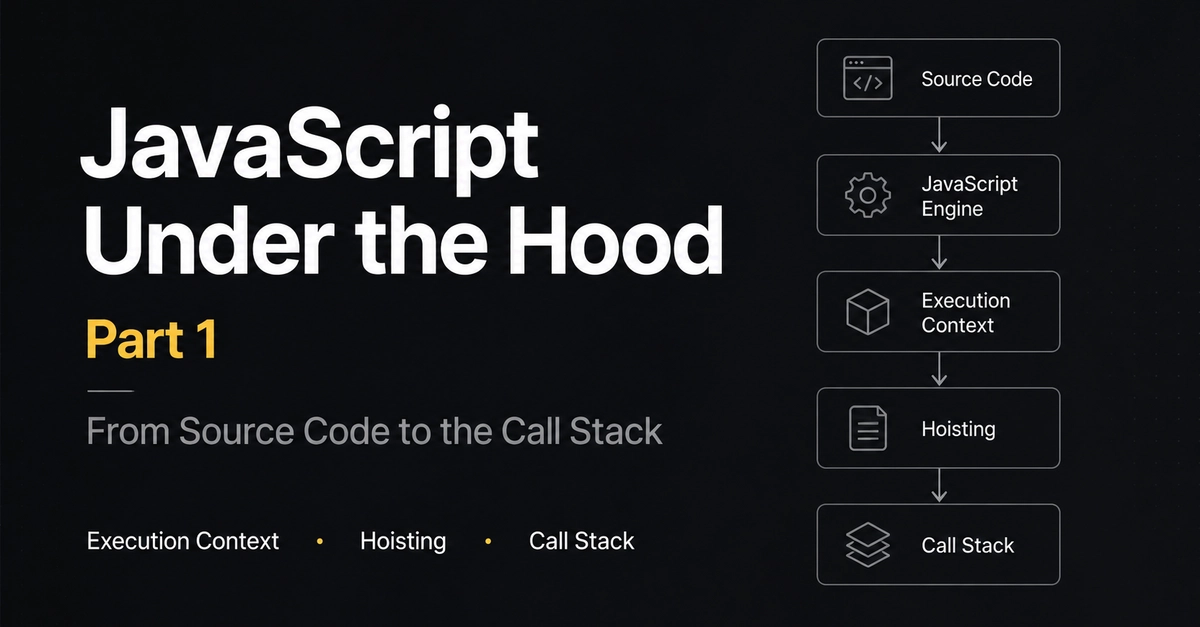
Before any JavaScript code runs, the JavaScript engine creates an Execution Context. Think of it as an environment that manages the code currently being evaluated.