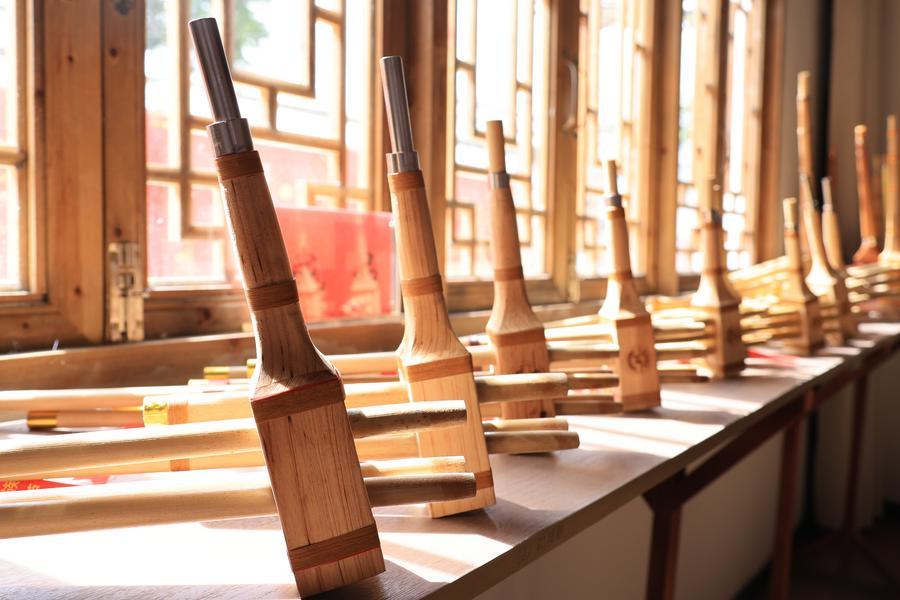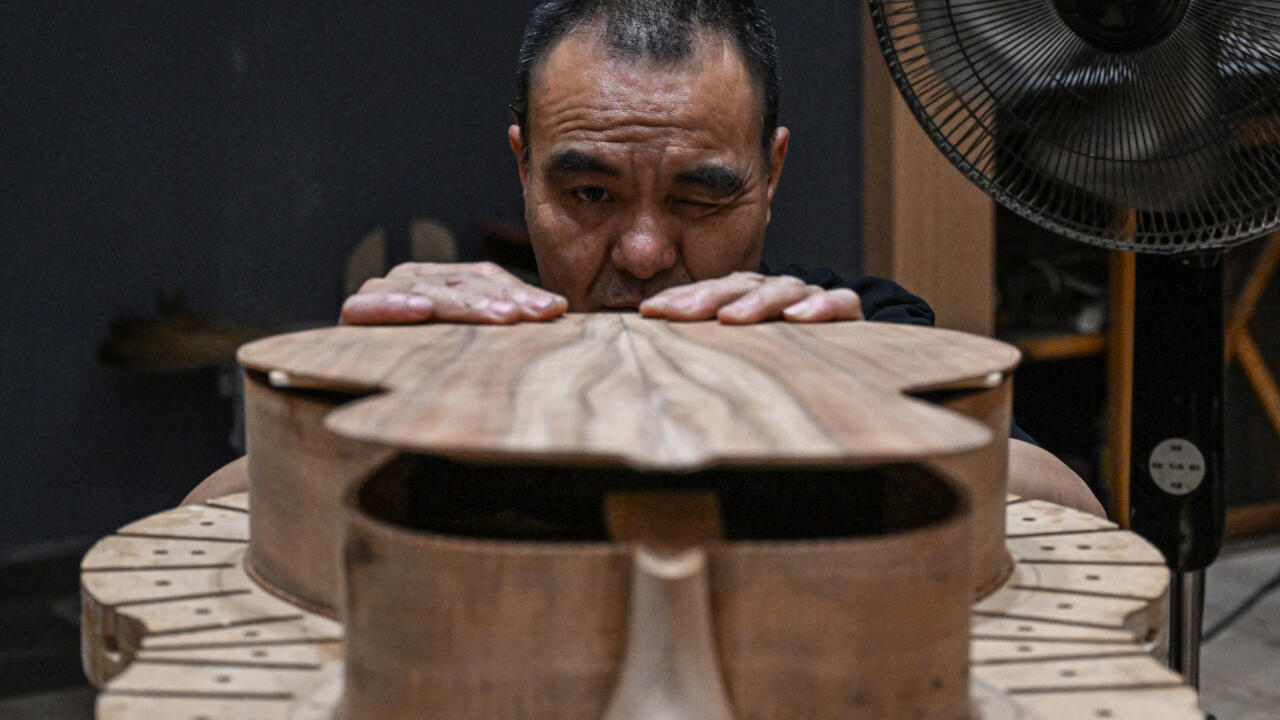
This corner of the southwest province of Guizhou produces one in every seven of the instruments sold worldwide. A decade ago, it had no guitar-making industry to speak of at all. There are hundreds of specialised manufacturing towns in China, producing items ranging from bicycles to socks. But the speed and scale of Zheng'an's rise make it an example of the impact of China's industrial strategy when a combination of local and central government investment is deployed to maximise favourable local conditions. For years, the town's working-age residents left to find employment in factories in Guangdong, southern China's manufacturing hub.Among them was Zheng Chuanjiu, who eventually started his own guitar-making business in the provincial capital Guangzhou. "The company was doing pretty well at that time and most of our staff in Guangzhou were also our fellow villagers from Zheng'an," the founder of Shenqu Guitar told AFP.In 2012, Zheng'an local authorities rolled out an initiative called "return the phoenix to the nest", to encourage skilled migrant workers to return home and start businesses."The county officials reached out to us. They wanted us to come back and develop the industry," Zheng said. Shenqu became the first guitar manufacturer to settle in Zheng'an's new economic zone."After I'd been working here for a few years, many friends saw how well I was doing and came here to join me to develop the industry," he said. When AFP visited Shenqu in July, rows upon rows of finished guitars sat neatly on racks, awaiting final tuning checks before shipment. "Why go far away to work when home is the best place?" a banner in the factory read. Natural advantagesWithin around 10 years, 87 home‑grown brands had emerged from the industrial cluster.
Chinese guitar capital's stairway to export heaven
It doesn't take long to guess the main industry of the Chinese town of Zheng'an. A giant guitar sculpture dominates the central square, guitar murals adorn walls and pavements and even the rubbish bins…
640 words~3 min read