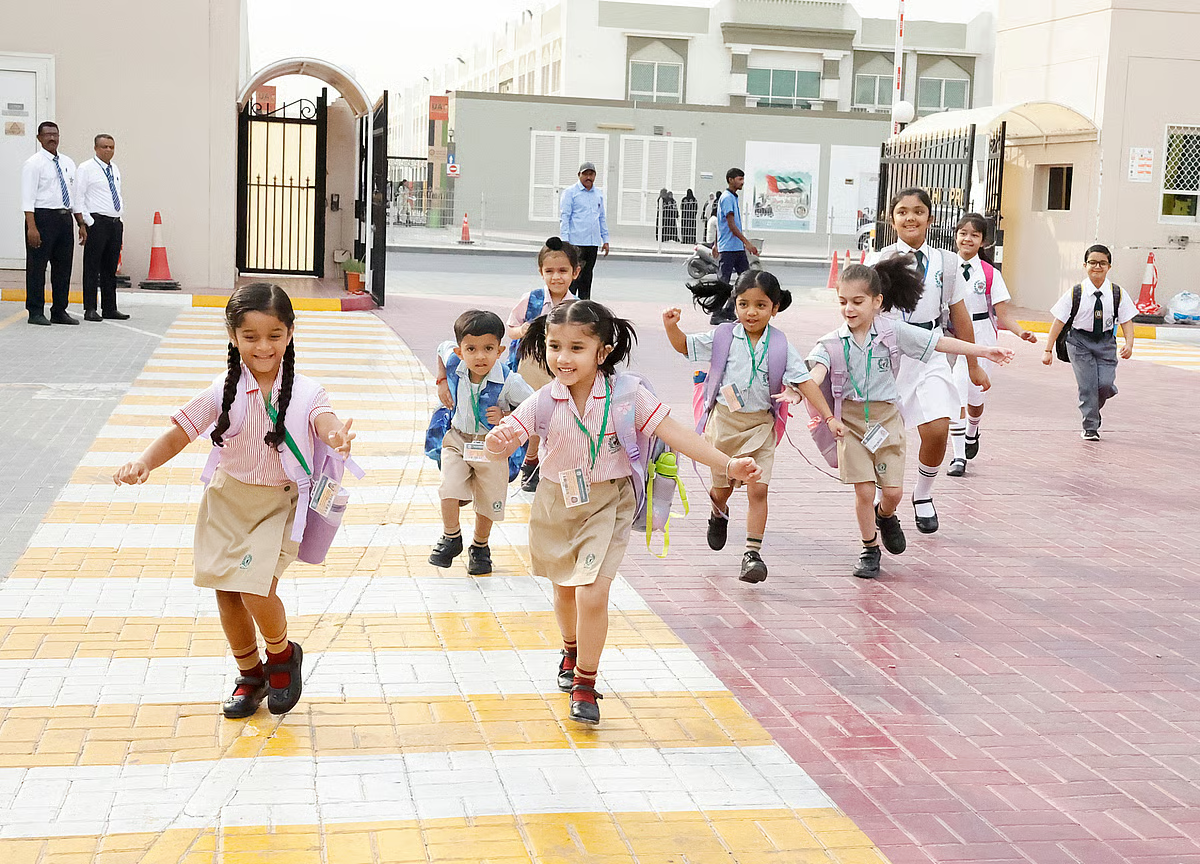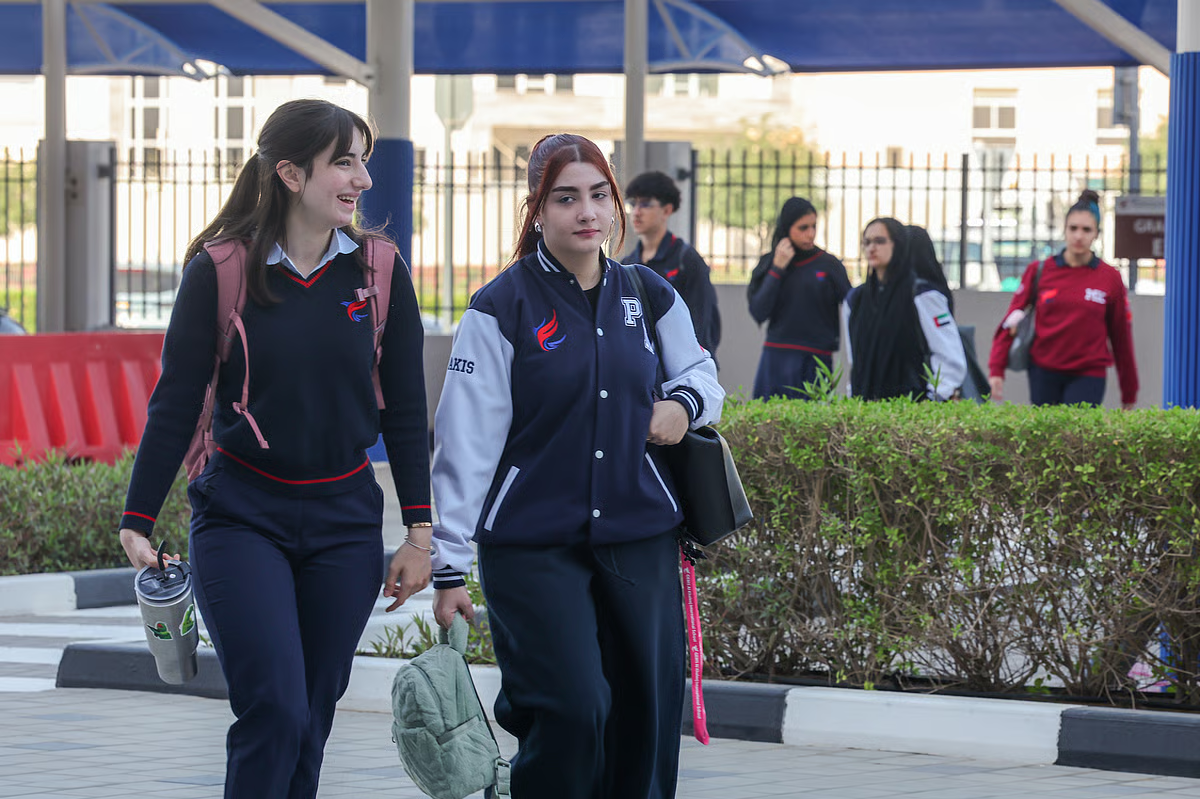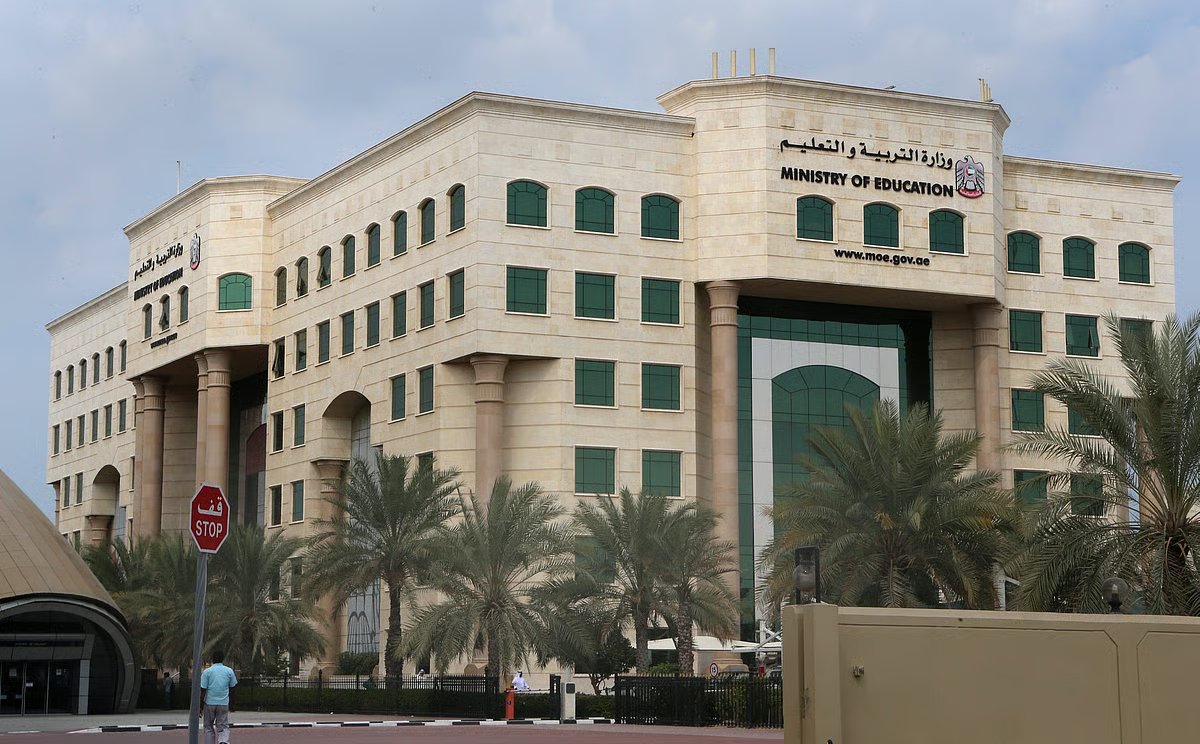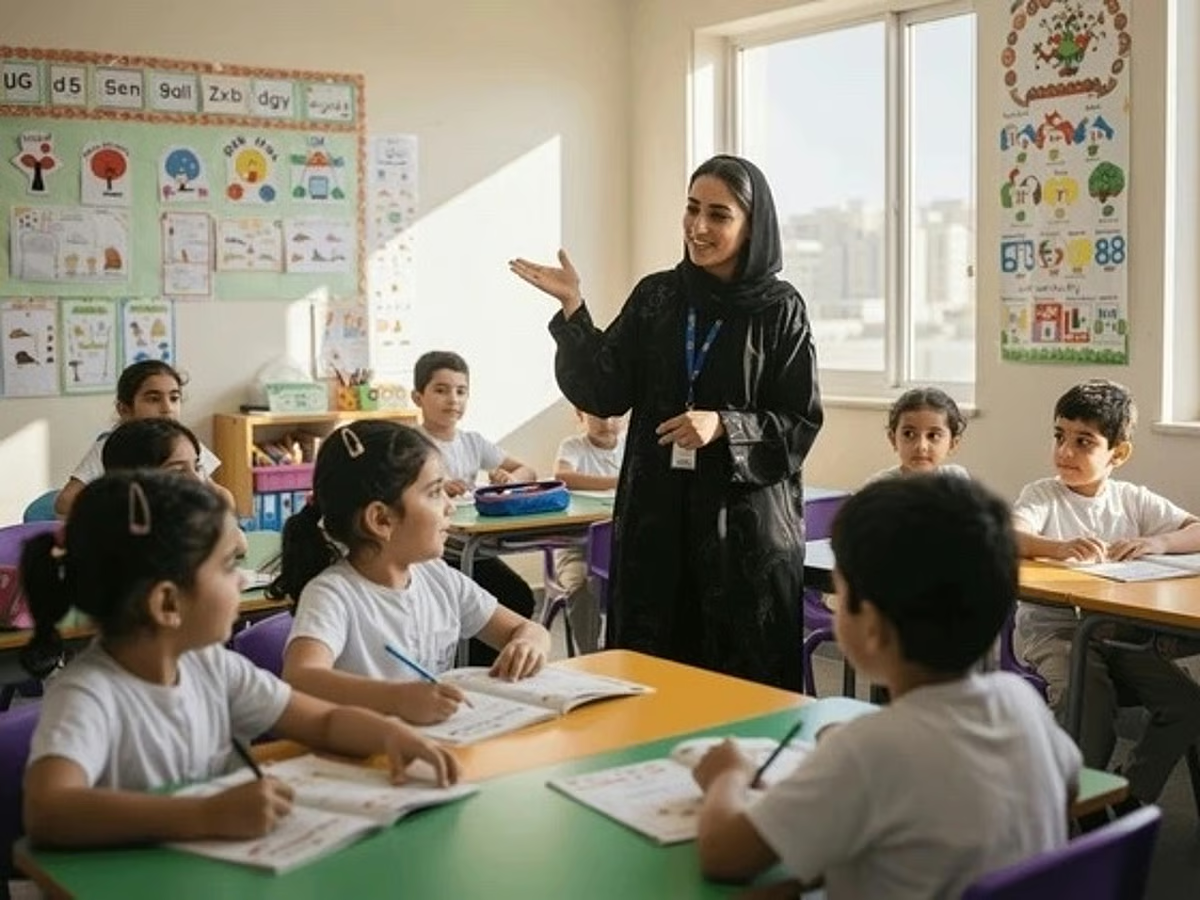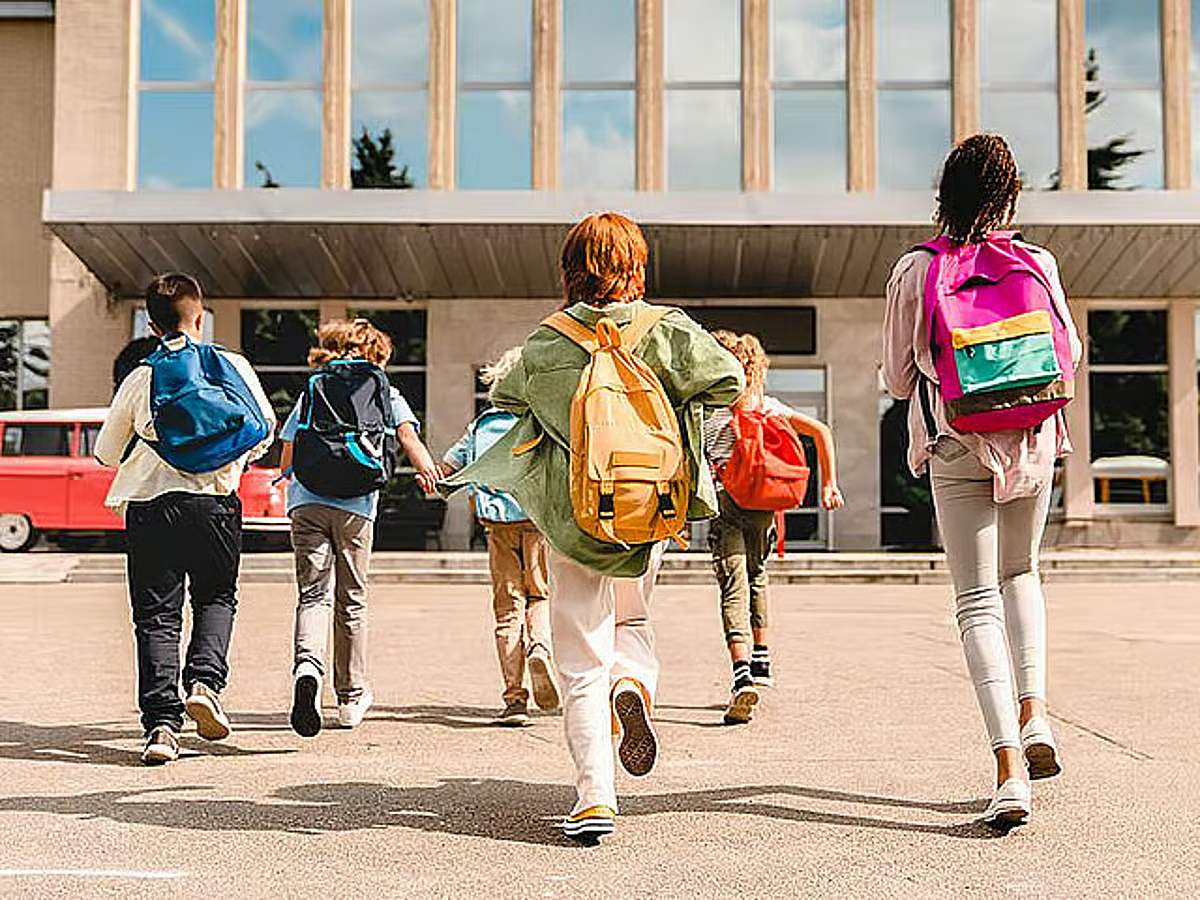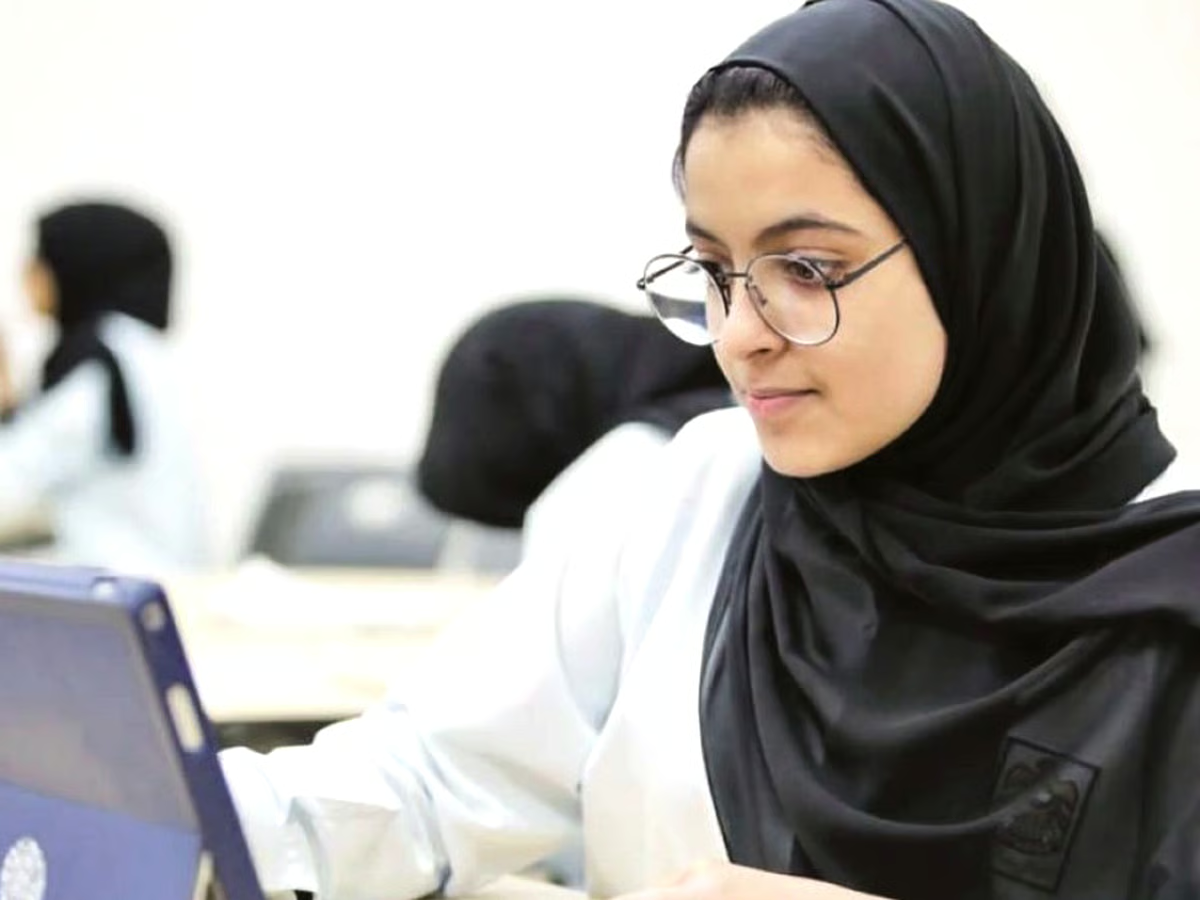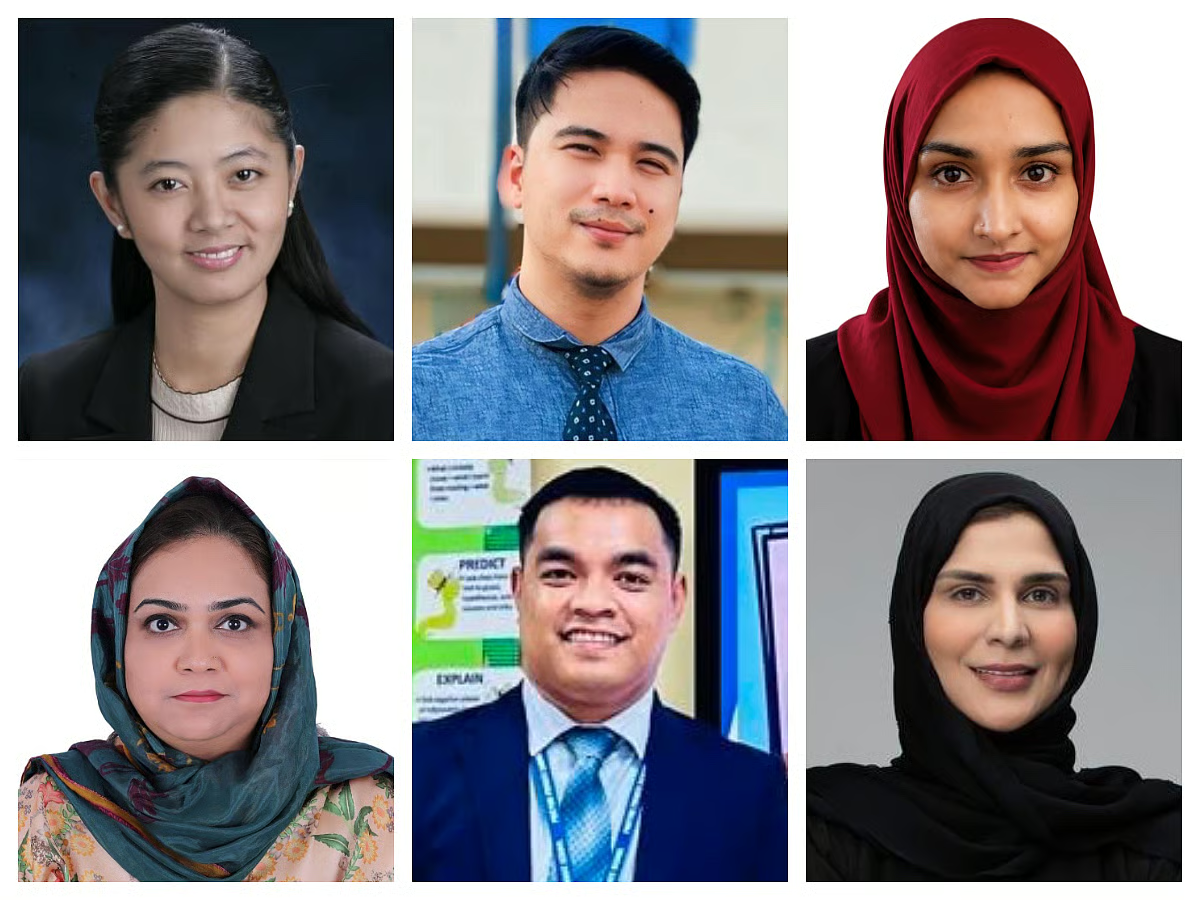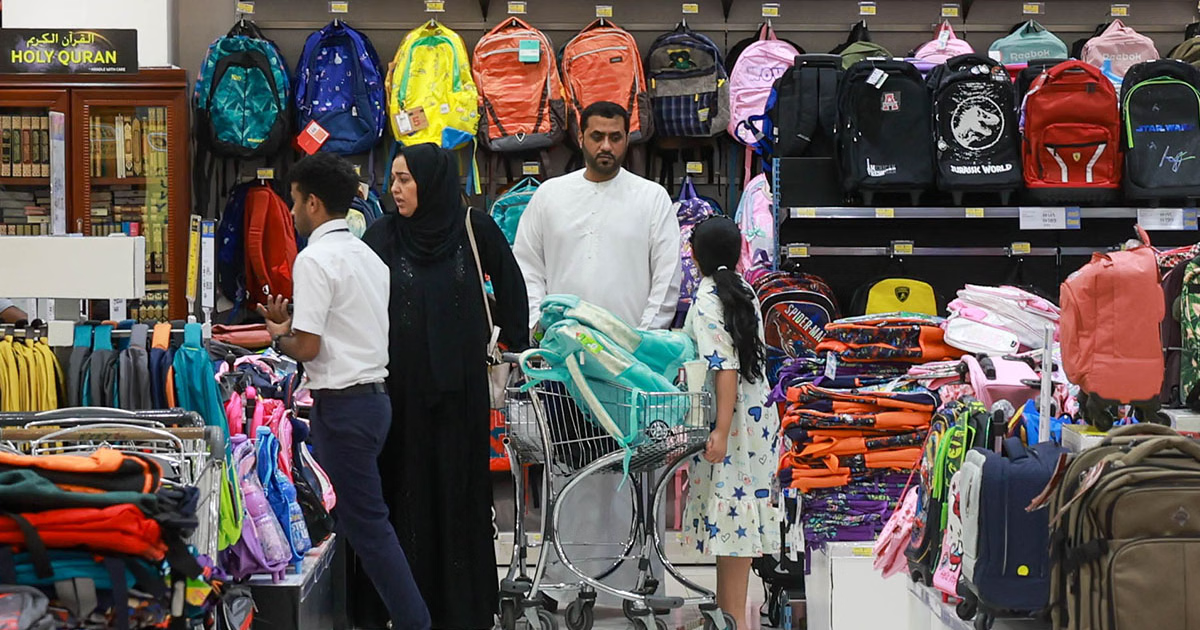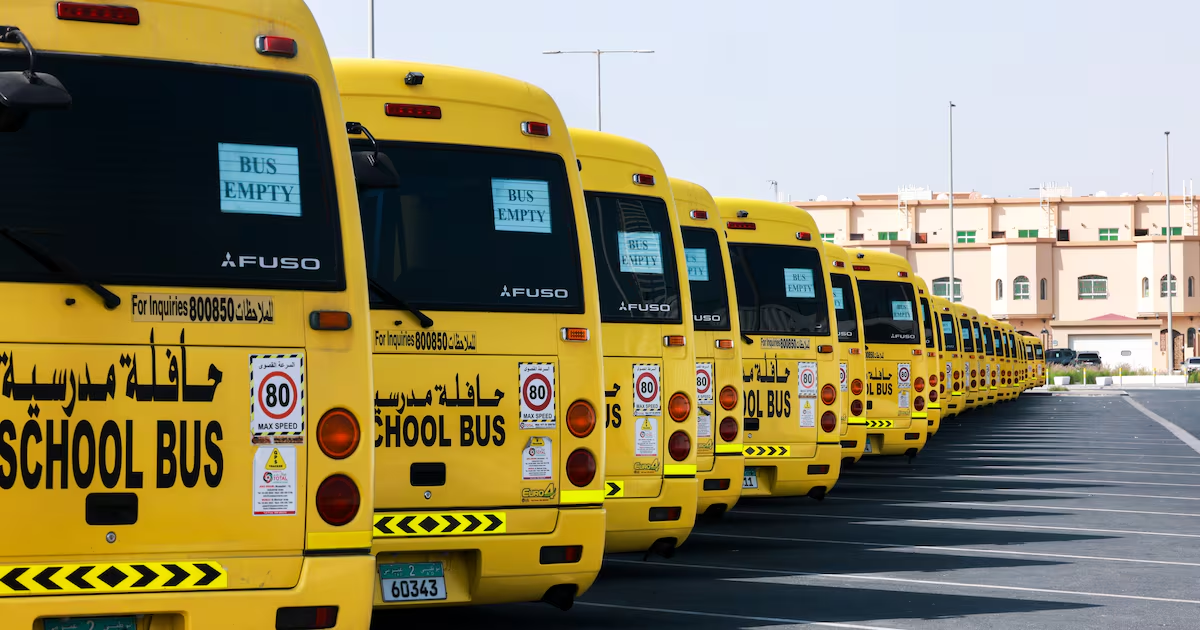
More than a million pupils across the UAE will return to school today, refreshed, recharged and raring to go after a two-month summer break. As is the case every academic year, it is a time for everyone involved – children, parents, teachers, school administrations and authorities – to begin anew.In recent years, the Ministry of Education has thought deeply on the fundamental question of what education is really for – particularly important in an age when young people are shaped as much by screen time and social media as they are by teachers and textbooks.Increasingly, the answer looks less about delivering content – although that is vital – and more about building character. This year, there will be a much greater emphasis on moulding young people to think clearly, relate to others, use technology wisely and be responsible human beings.What will this look like in practice? First, public school pupils from kindergarten to year 2 will have no homework, freeing time for family life, skills acquisition and the kind of unstructured reading that builds a lifelong love for learning. Second, year 6 classes will drop screens entirely for English, Arabic, science and maths.This decision was made after a study involving 2,500 pupils at nine public schools found that retention in device-free classrooms nearly doubled and – tellingly – behaviour, discipline and peer relationships all improved. As Minister of Education Sarah Al Amiri told The National last week, better friendships formed simply because screen time was reduced.QuoteIncreasingly, the answer looks less about delivering content – although that is vital – and more about building characterOther changes include the way pupils are assessed. Central exams and school-based assessments will be equally weighted for pupils between years 9 and 12, thereby providing schools with “more agency in assessing students”, as Ms Al Amiri pointed out. And diagnostic tests will be included to enable teachers to determine pupils’ academic levels and provide additional support to those who need it.It is clear that teachers stand at the heart of the effort to implement these changes. More than 1,500 of them have joined organisations such as Gems Education alone – underscoring the truth that educators, more than buildings and technology, remain the greatest investment in a child’s future.After all, good education isn’t just about transferring knowledge and delivering academic excellence – crucial as they both are. It’s also about helping children build good habits as well as a moral foundation to better navigate a dynamic and uncertain world.None of this means a complete retreat from technology inside classrooms.Teachers themselves speak of artificial intelligence as a tool to be taught responsibly, rather than a threat to be resisted. “We have to implement AI wisely with our students and we have to teach them how to use it with integrity,” one science teacher said, capturing what is a tricky – but critical– balancing act for all modern-day classrooms.Taken together, the changes for the new term have been formulated with more than just an academic objective. If they help pupils become curious, empathetic, resilient and connected young people, that will be the real measure of a school year well spent.
A new UAE school year, and a broader vision for education | The National
The shake-up to public schools is geared to produce curious, empathetic, resilient and connected young people
521 words~2 min read