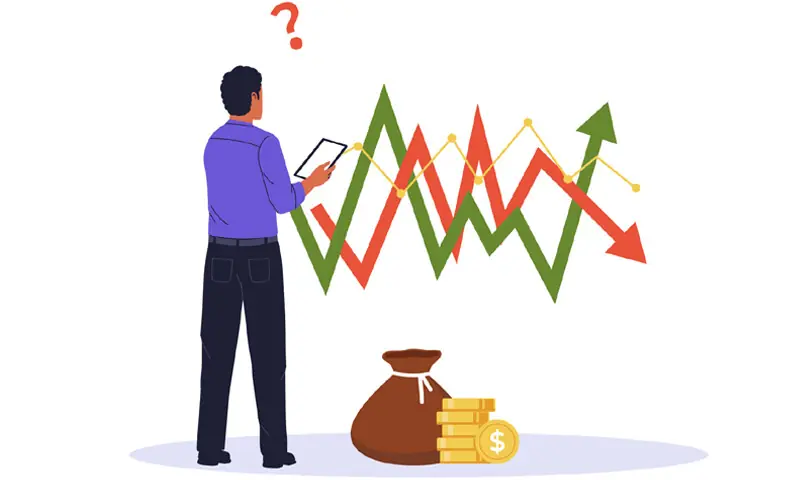
In financial markets, investors often focus on one question: How much money can I make? A more important question, however, is often overlooked: How much can I afford to lose?
Markets can move in unexpected directions. Even an experienced trader can make a wrong decision. For this reason, risk management is an essential part of trading. One of the most commonly used tools for managing downside risk is the stop-loss order.
A stop-loss order is an instruction to a broker to buy or sell a security when its price reaches a specified level. For an investor who owns shares, a sell stop order is generally placed below the current market price. When the specified stop price is reached, a traditional stop order becomes a market order.
For example, an investor buys a share at Rs100. The investor decides that if the share falls to Rs97, the position should be closed to limit the potential loss. A sell stop-loss order is therefore placed at Rs97.
Investors should establish a predefined exit point and thus manage the potential damage from a losing trade