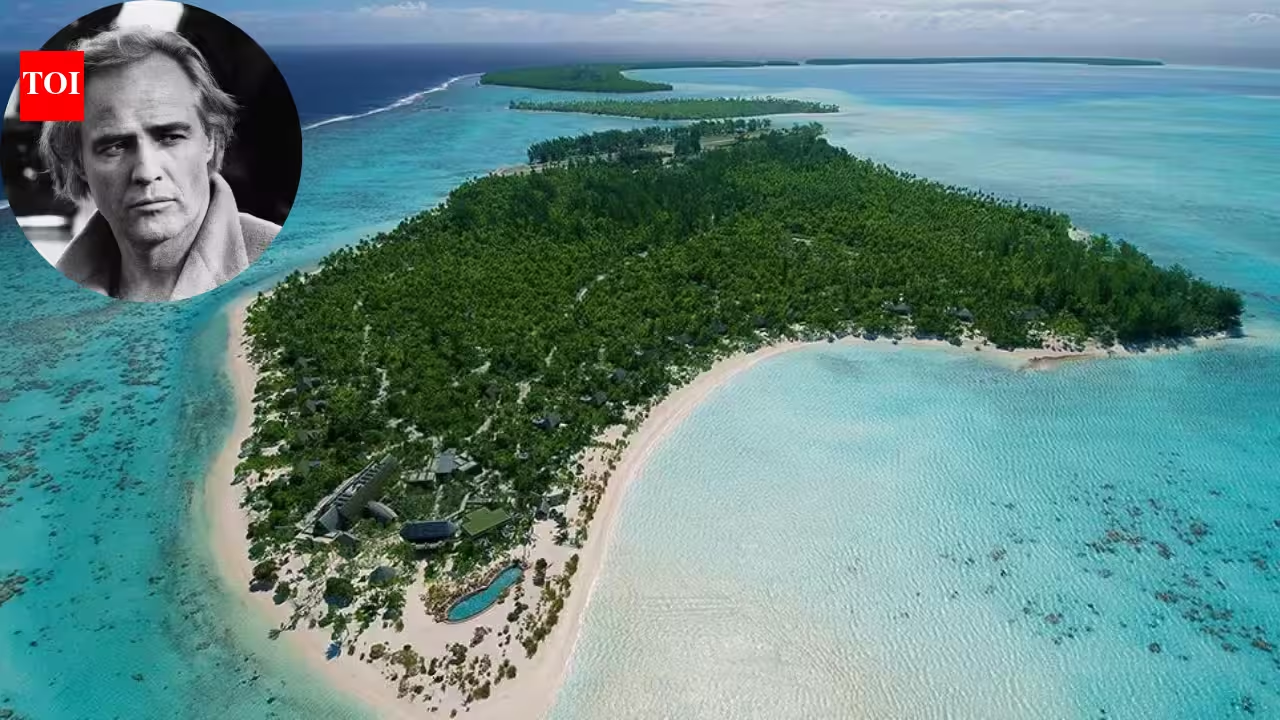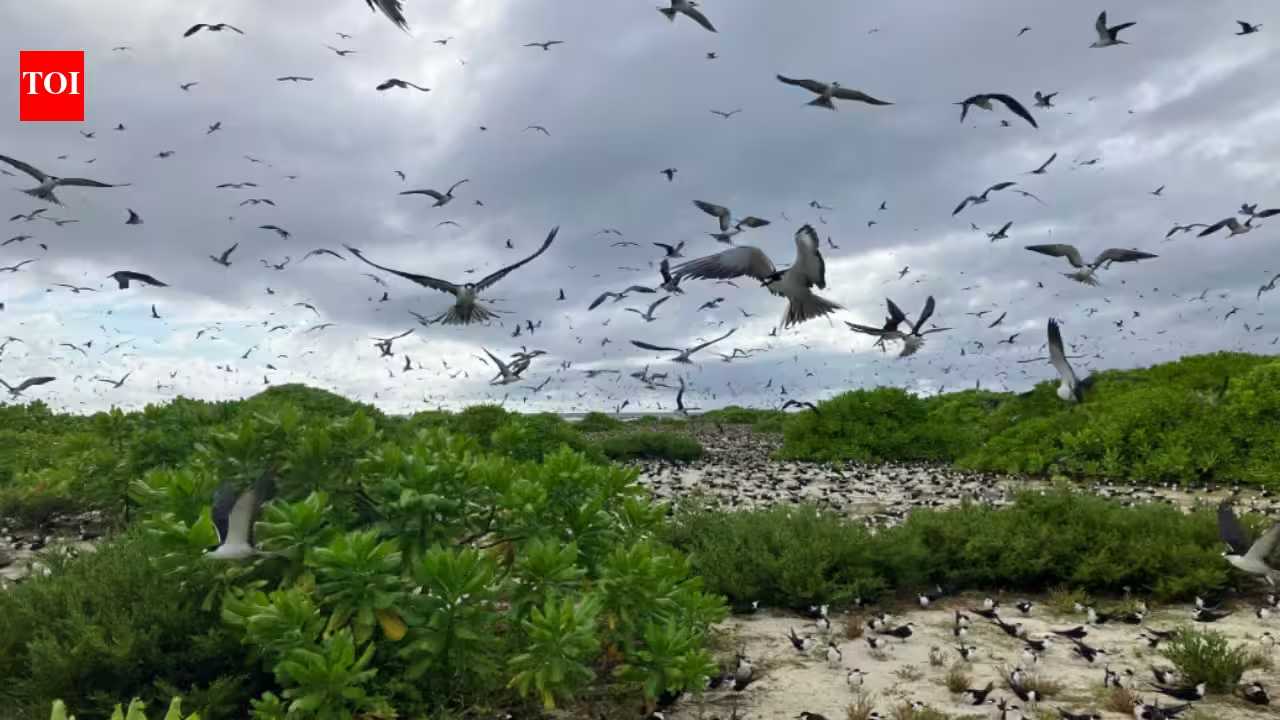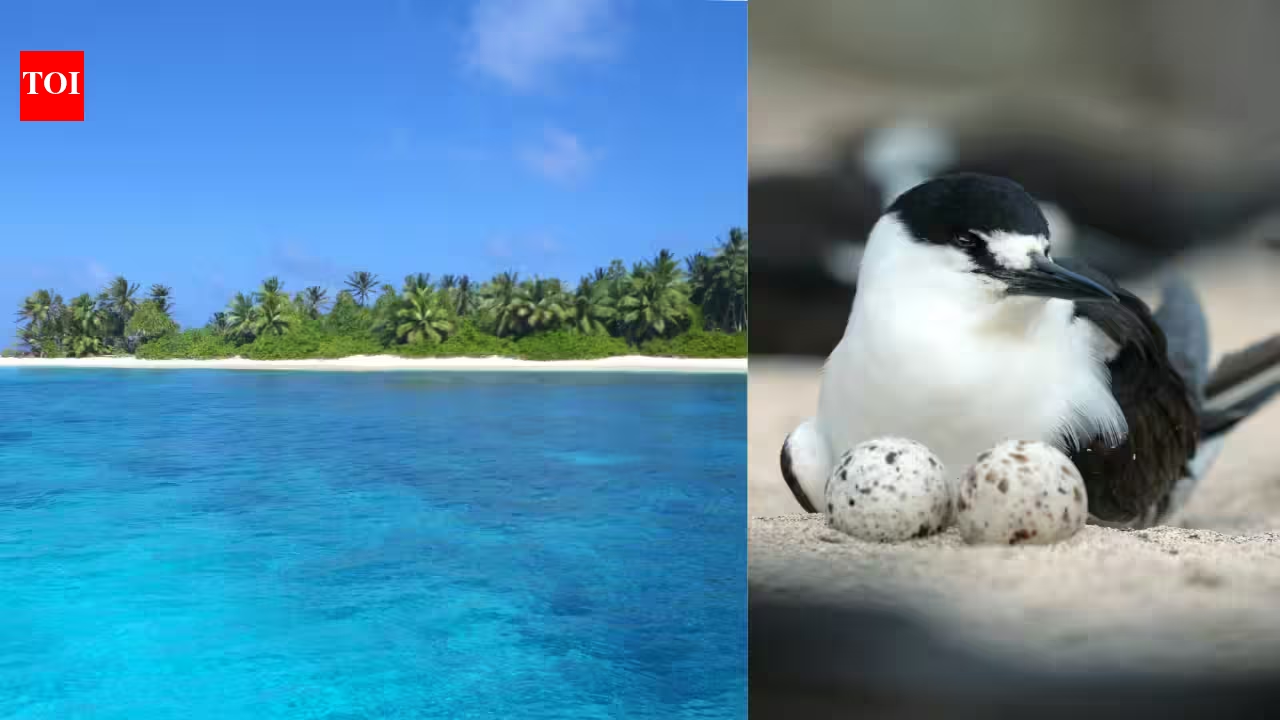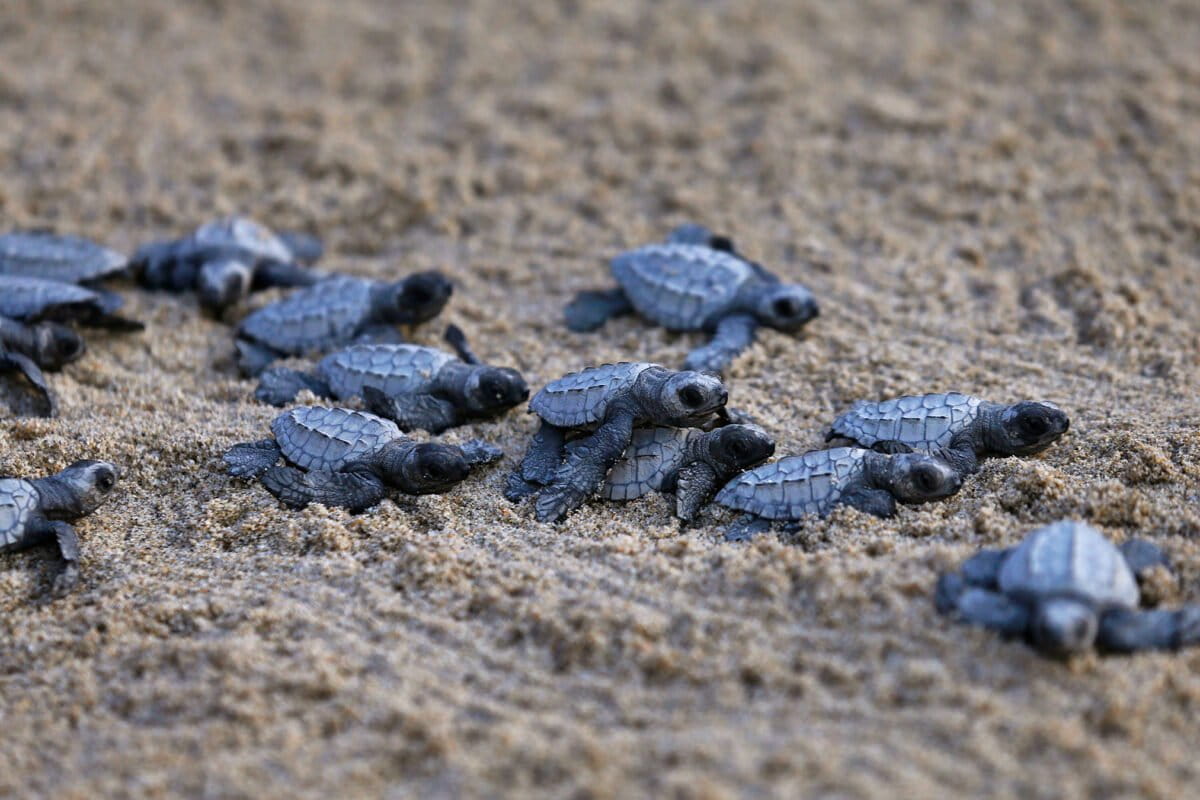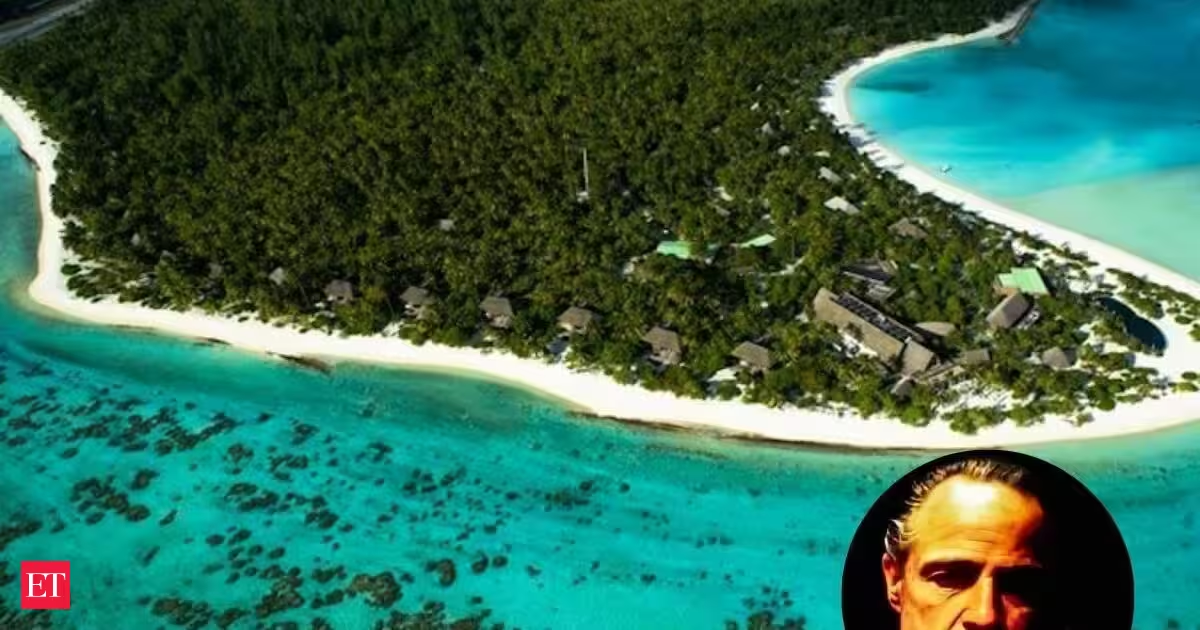
Marlon Brando discovered Tetiaroa while filming Mutiny on the Bounty in French Polynesia and became fascinated by its 12 coral islets surrounding a lagoon. He later pursued ownership of the remote atoll, beginning the process in 1966 and completing it in 1967, according to the Tetiaroa Society. Brando wanted the island to remain largely undeveloped and saw it as a place where nature, research and sustainable living could coexist.More than half a century later, Tetiaroa has become an important site for marine conservation. During the 2024-25 nesting season, researchers recorded 430 green turtle tracks, identified 113 females and monitored about 161 nests. The teams estimated that 15,614 hatchlings emerged from those nests, making the figure one of the clearest signs of the scale of turtle nesting activity on the atoll. According to the Tetiaroa Society, Te mana o te moana has documented the turtles, their nests and hatchlings for nearly two decades.From Hollywood escape to conservation siteTetiaroa lies about 33 miles north of Tahiti and consists of 12 small coral islets, known as motus, around a central lagoon. The Tetiaroa Society says Brando first visited the atoll in 1961 while filming Mutiny on the Bounty. Smithsonian Magazine also records that Brando visited Tetiaroa during a break from filming and was struck by its isolation and natural beauty.Brando eventually acquired the atoll's private land interests and spent time there with his family. He also developed facilities on Motu Onetahi while maintaining his interest in protecting the island's natural environment. The Tetiaroa Society says Brando imagined the atoll as a living laboratory where scientists could study the environment and develop sustainable technologies.After Brando died in 2004, his estate and Pacific Beachcomber worked together on the conservation vision that eventually led to the Tetiaroa Society. The organisation now supports scientific research, conservation programmes and environmental education on the atoll.Protecting turtles from invasive speciesOne of the biggest conservation challenges on Tetiaroa has come from invasive rats. The animals eat seabird eggs, turtle eggs and hatchlings, along with native plants and other wildlife, according to the Tetiaroa Society.The society and Island Conservation began a long-running rat eradication programme in 2018. Teams successfully removed rats from Motu Reiono that year and carried out further operations on other motus. The wider programme has required repeated treatment and monitoring because rats remained on some islands.The conservation work continues today. Tetiaroa Society's latest updates say most motus now remain free of rats, while teams continue monitoring areas where signs of the invasive species have persisted.Scientists track every turtle seasonGreen turtles, known locally as honu, return to Tetiaroa's beaches to lay their eggs. Researchers track their movements by recording tracks, identifying nesting females and monitoring nests throughout the season.The 2024-25 season produced 430 recorded turtle tracks, 161 confirmed nests and 113 female sightings. Researchers estimated the 15,614 hatchlings by counting eggshells left behind after the young turtles emerged.The February 2026 update from Tetiaroa Society also reported that 227 hatchlings required rescue and release during the season. The organisation says Te mana o te moana has monitored Tetiaroa's turtles for almost 20 years, creating a long-term record of nesting activity.A conservation model built around tourismTetiaroa's conservation work now operates alongside The Brando, the luxury resort on Motu Onetahi. The Tetiaroa Society says the partnership supports research and conservation while allowing the atoll to remain largely undeveloped.The resort also uses environmental technologies designed around the island's natural resources. Its cooling system draws cold deep-seawater to help regulate temperatures, while conservation programmes operate across the surrounding motus.The model reflects the environmental vision associated with Brando, who wanted Tetiaroa to combine scientific research, sustainability and protection of its natural ecosystem.The turtles still face dangers beyond TetiaroaProtecting the nesting beaches does not eliminate the threats green turtles face after they leave the atoll. Research and satellite tracking have shown that Tetiaroa turtles can travel long distances across the Pacific to reach feeding grounds.Conservationists also face wider threats such as fishing activity, marine pollution and rising ocean temperatures. Warmer sand can affect the sex of developing turtle embryos, making changes in nesting environments another concern for the species.For Tetiaroa, however, protecting the beaches gives the turtles a secure place to return, nest and produce the next generation. More than 15,600 hatchlings emerging during a single season shows how significant the atoll remains as a breeding site for Pacific green turtles.
In 1966, Marlon Brando bought a remote Pacific atoll after filming ‘Mutiny on the Bounty’; today, its protected beaches are a major nesting site where 15,614 green turtle hatchlings were recorded in one season
Marlon Brando bought a Polynesian atoll named Tetiaroa after discovering it while filming Mutiny on the Bounty. More than five decades later, its protected beaches support major green turtle nesting activity, with researchers estimating 15,614 hatchlings during the 2024-25 season alongside ongoing efforts to restore the atoll's wider ecosystem.
724 words~3 min read