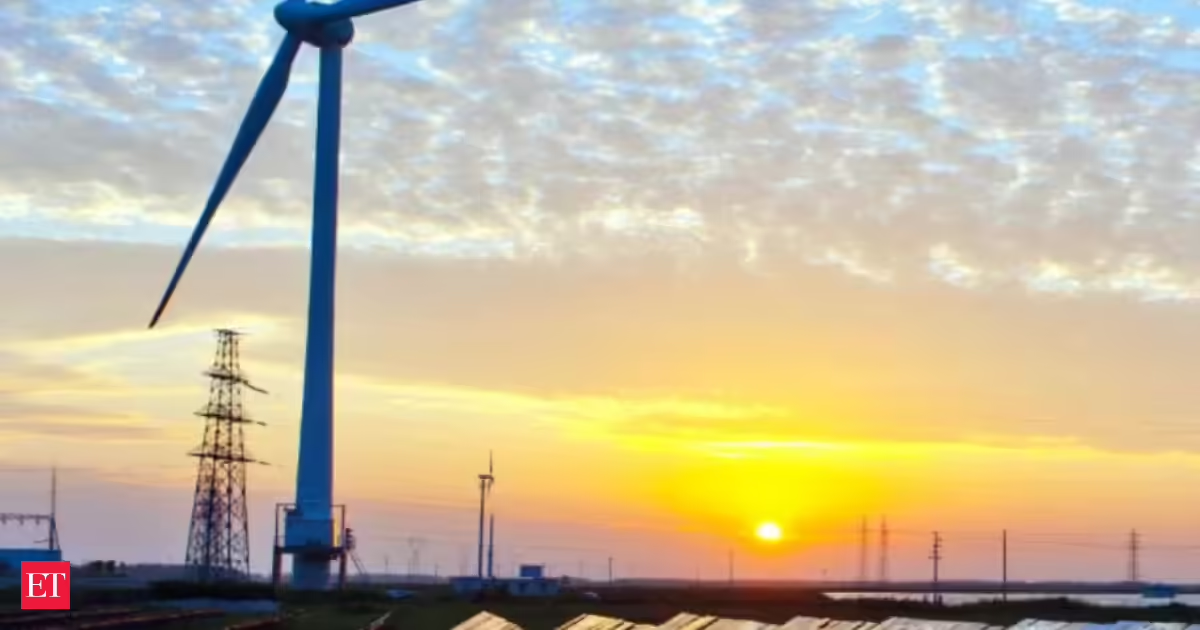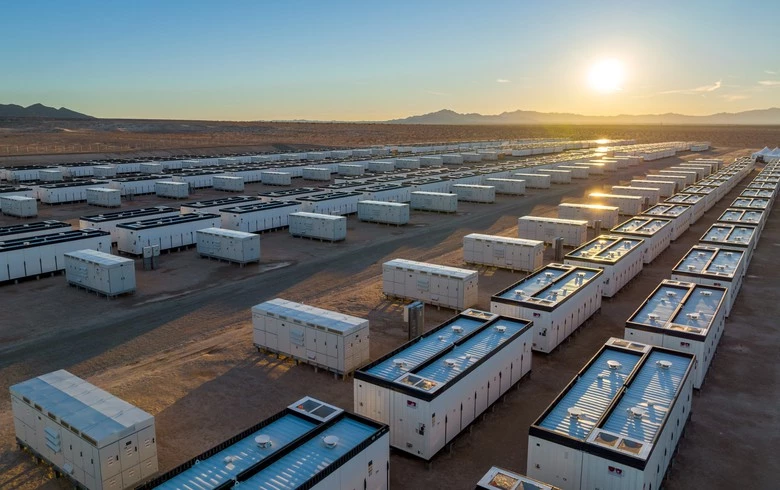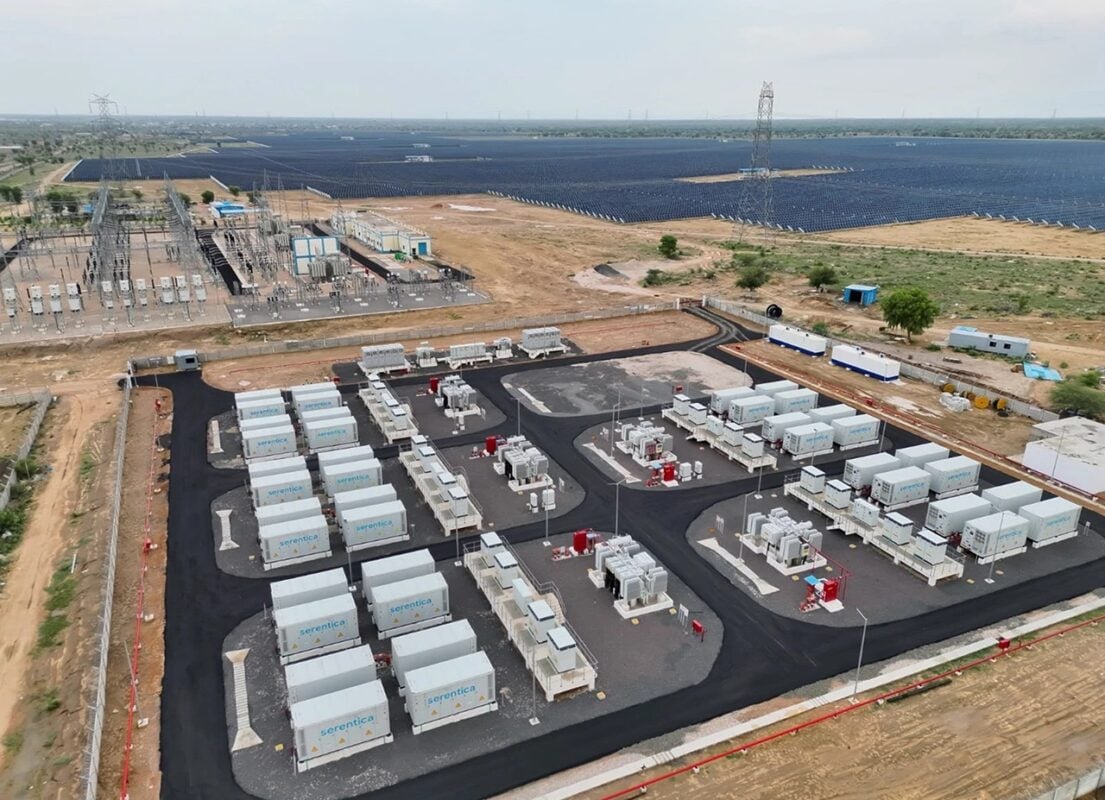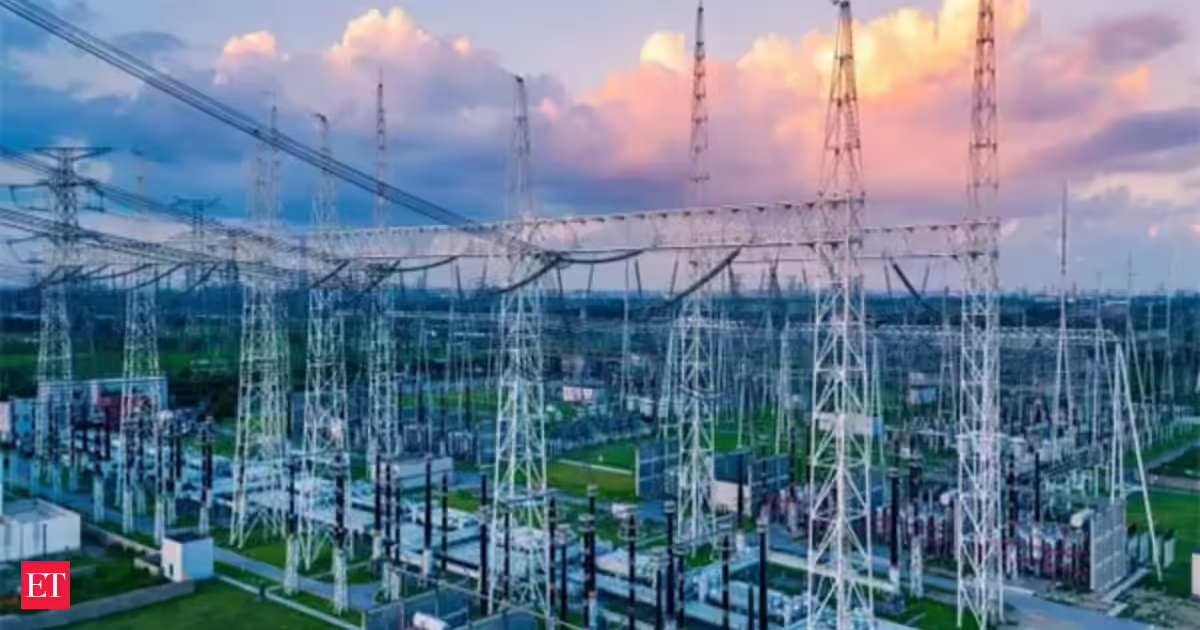
Rajasthan is the State with the highest capacity for solar plants under construction — 52 GW of pure solar and 6 GW of solar-wind hybrid plants (apart from 3.56 GW of pure wind). It already has 44 GW of solar — the most among all states.This much solar — a nightmare for grid operators — calls for sufficient storage, to hold the energy when it is surplus and release when needed.The Rajasthan government now intends to set up 1 MW/ 4 MWhr battery energy storage system (BESS) units at 172 locations across the State on a pilot basis. The State’s electricity regulatory commission recently approved the plan.The projects will be developed under the build-own-operate model for 15 years. The commission has directed discoms to submit the results of the pilot, including the benefits in peak load management and savings in peak power procurement, before any wider rollout.The systems will be located in 33/11-kV substations at 12 locations identified by Jaipur discom, 10 by Ajmer discom and 150 by Jodhpur discom.FDRE tariffs fall as costs riseFirm and Despatchable Renewable Energy (FDRE) tariffs have fallen despite rising costs, possibly reflecting the intensifying competition among developers.In the latest tender from the Solar Energy Corporation of India (SECI) — FDRE tranche IX — three companies won capacity: Waaree Forever Energies (700 MW) at ₹5.99/kWh; NTPC Green (500 MW) at ₹6/kWh; and ACME Solar (300 MW) at ₹6/kWh.In the earlier FDRE tranche VII tender in February, four companies won capacity — Adyant (100 MW) at ₹6.27/kWh; and Serentica (600 MW), AMPIN (199 MW) and ACME (301 MW) at ₹6.28/kWh.The two tenders were broadly similar. Both involved FDRE projects connected to interstate transmission systems and supplying four hours of assured peak power, with 25-year power purchase agreements and e-reverse auctions.Tranche VII covers 1,200 MW/ 4,800 MWh, while tranche IX covers 1,500 MW/ 6,000 MWh.FDRE tariffs have thus fallen from ₹6.27–6.28/kWh to around ₹6/kWh since February, even as project costs have come under pressure from factors including the West Asia crisis, rupee depreciation and rising commodity prices.In a recent assessment, ratings agency ICRA said these factors could significantly increase the capital cost of renewable energy and battery energy storage system (BESS) projects.The lower FDRE tariffs suggest that developers are either absorbing a part of the cost increase through lower margins, or expecting to offset it through efficiencies and lower costs elsewhere in the project.Published on August 31, 2026
Rajasthan to set up 172 units of 1 MW/ 4MWhr BESS
Rajasthan plans 172 battery energy storage units to enhance solar power management and support grid stability.
401 words~2 min read