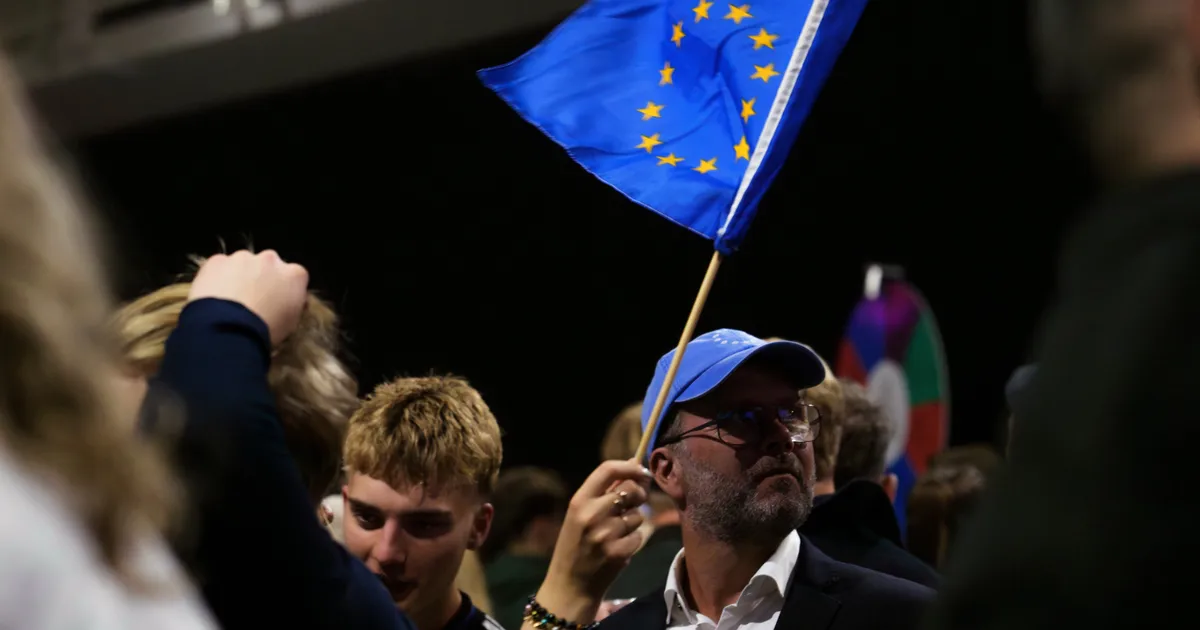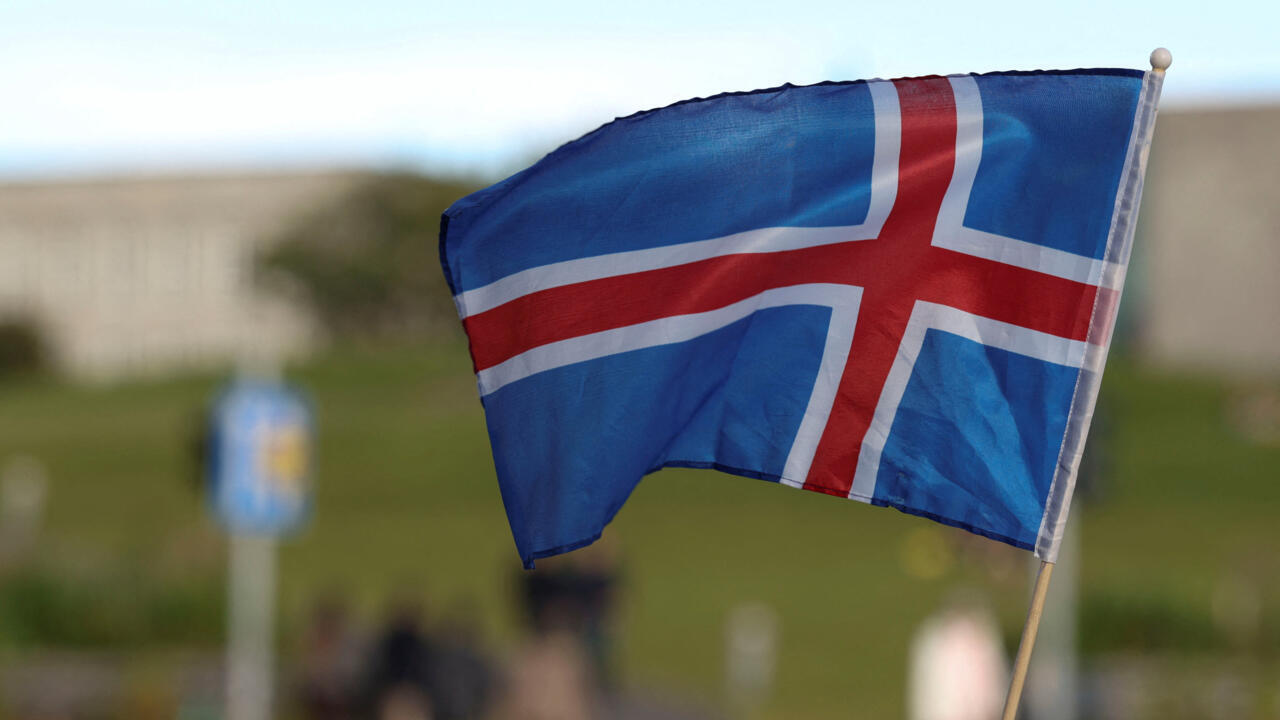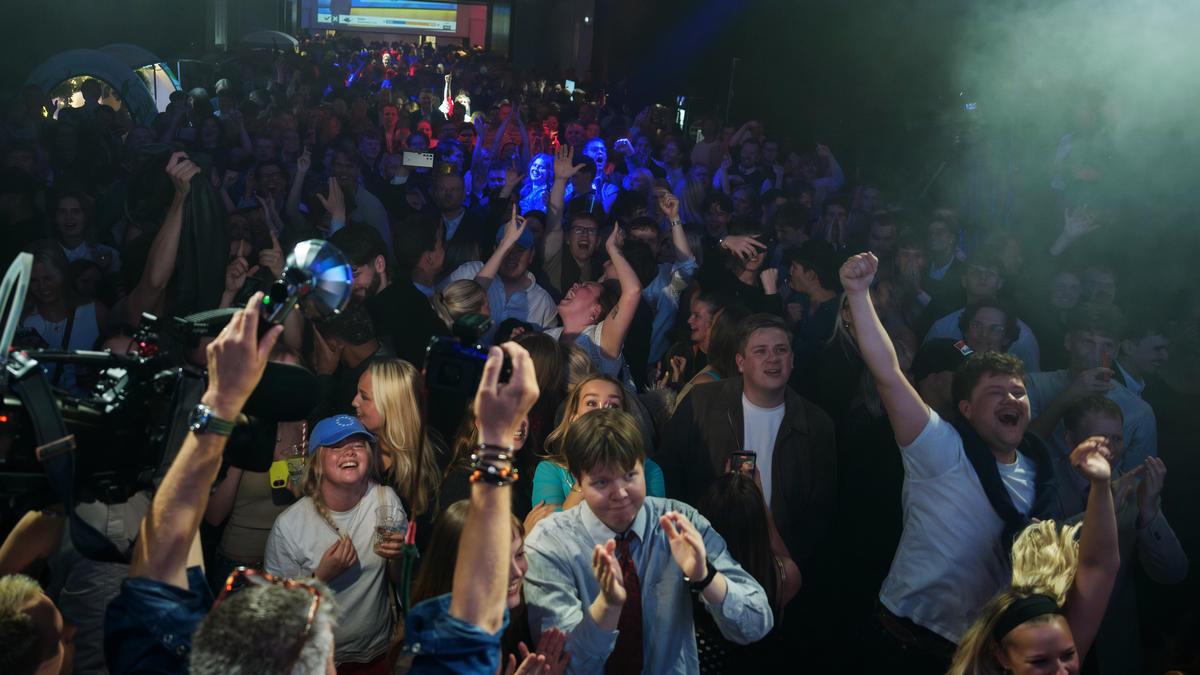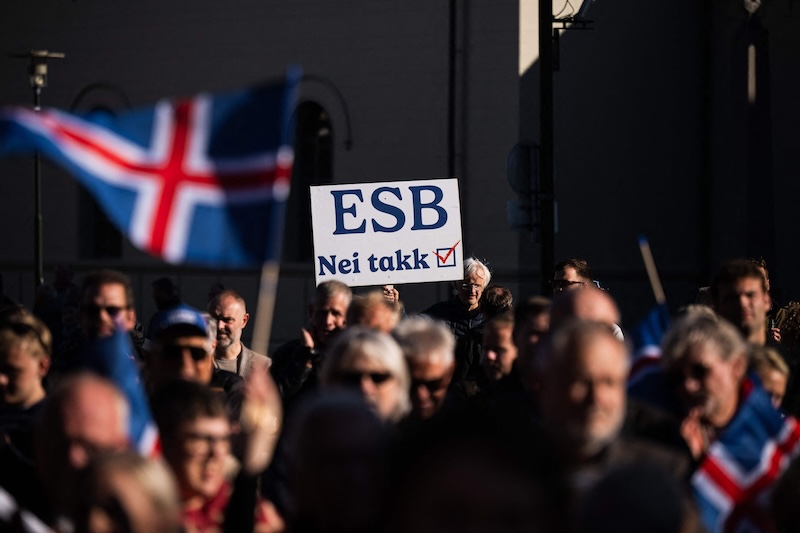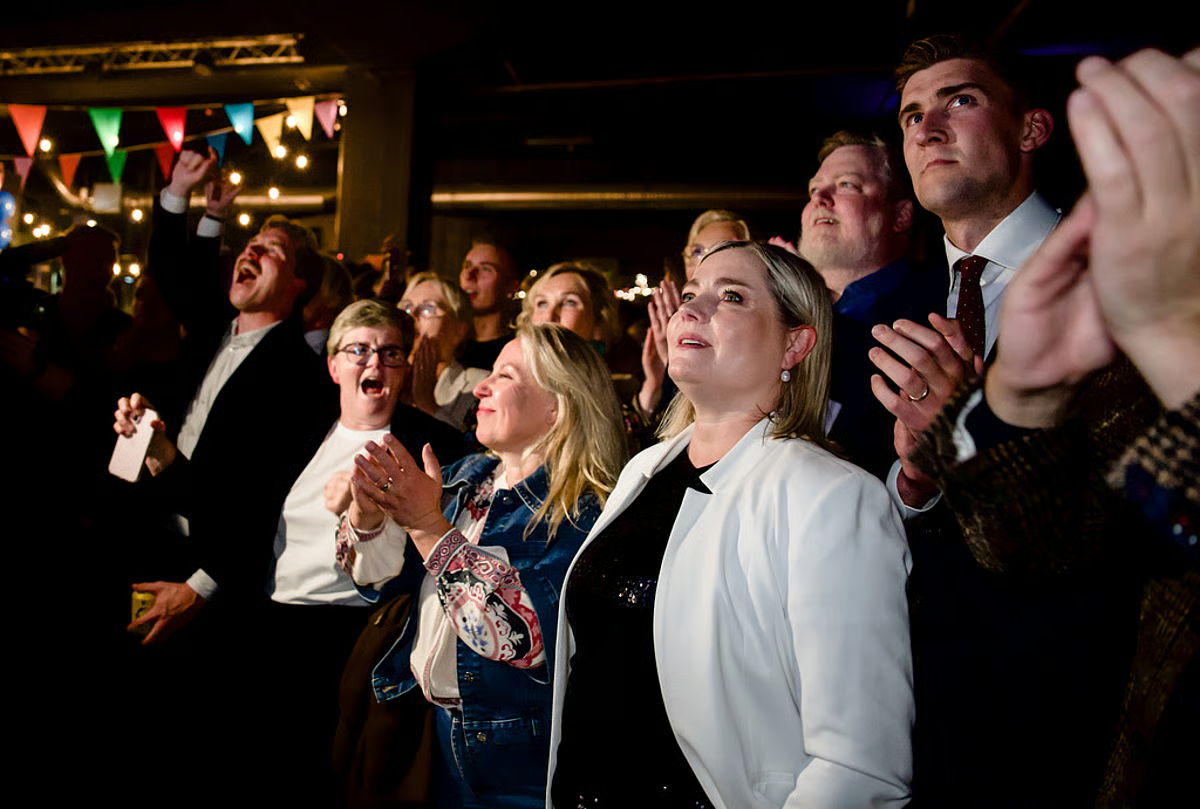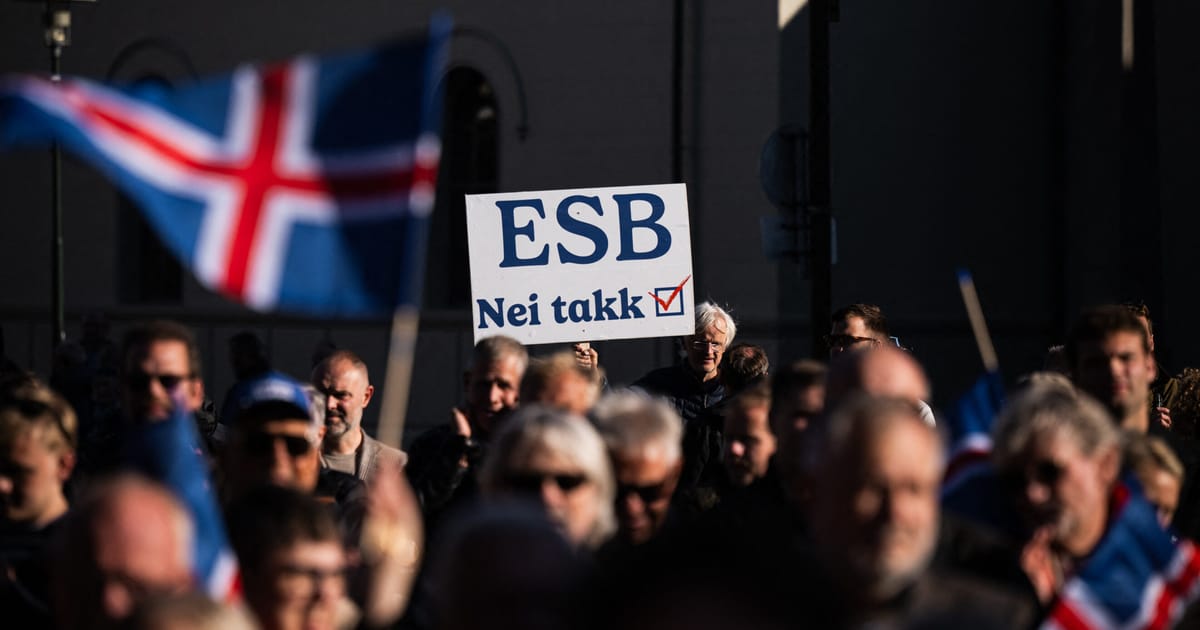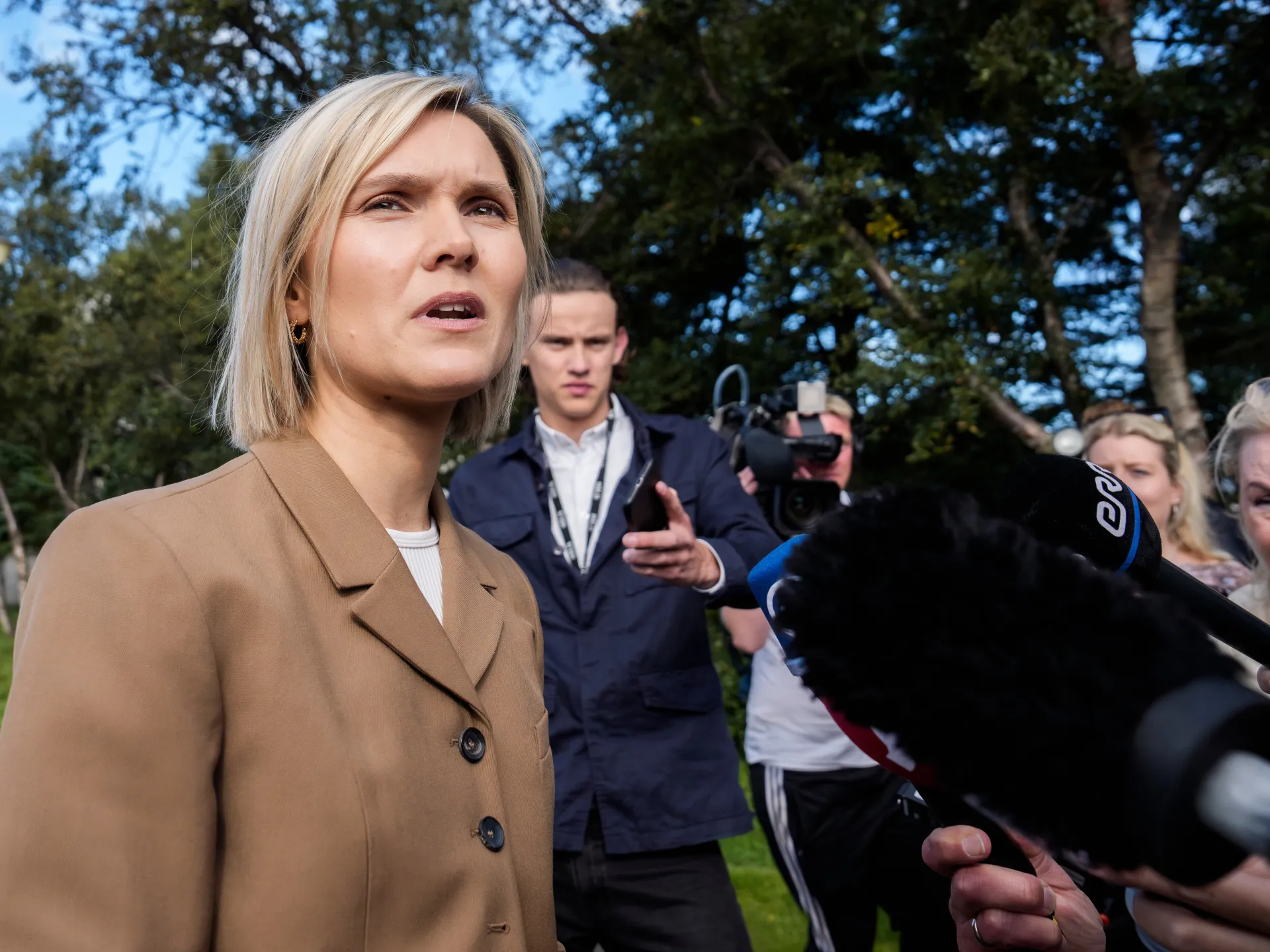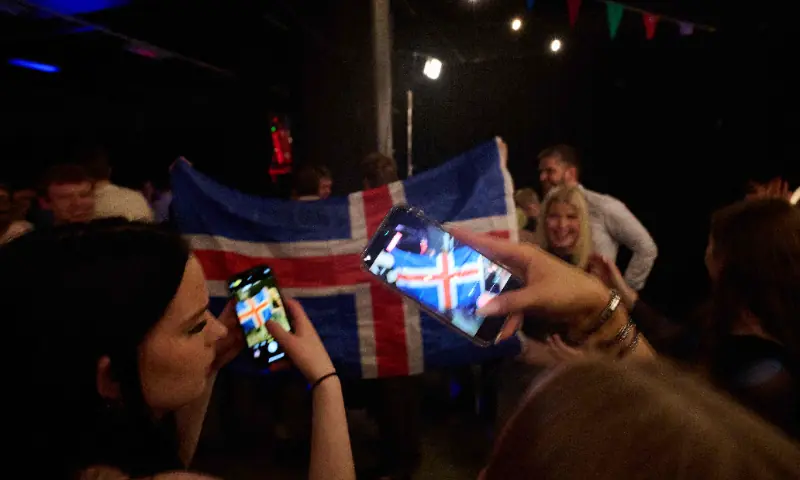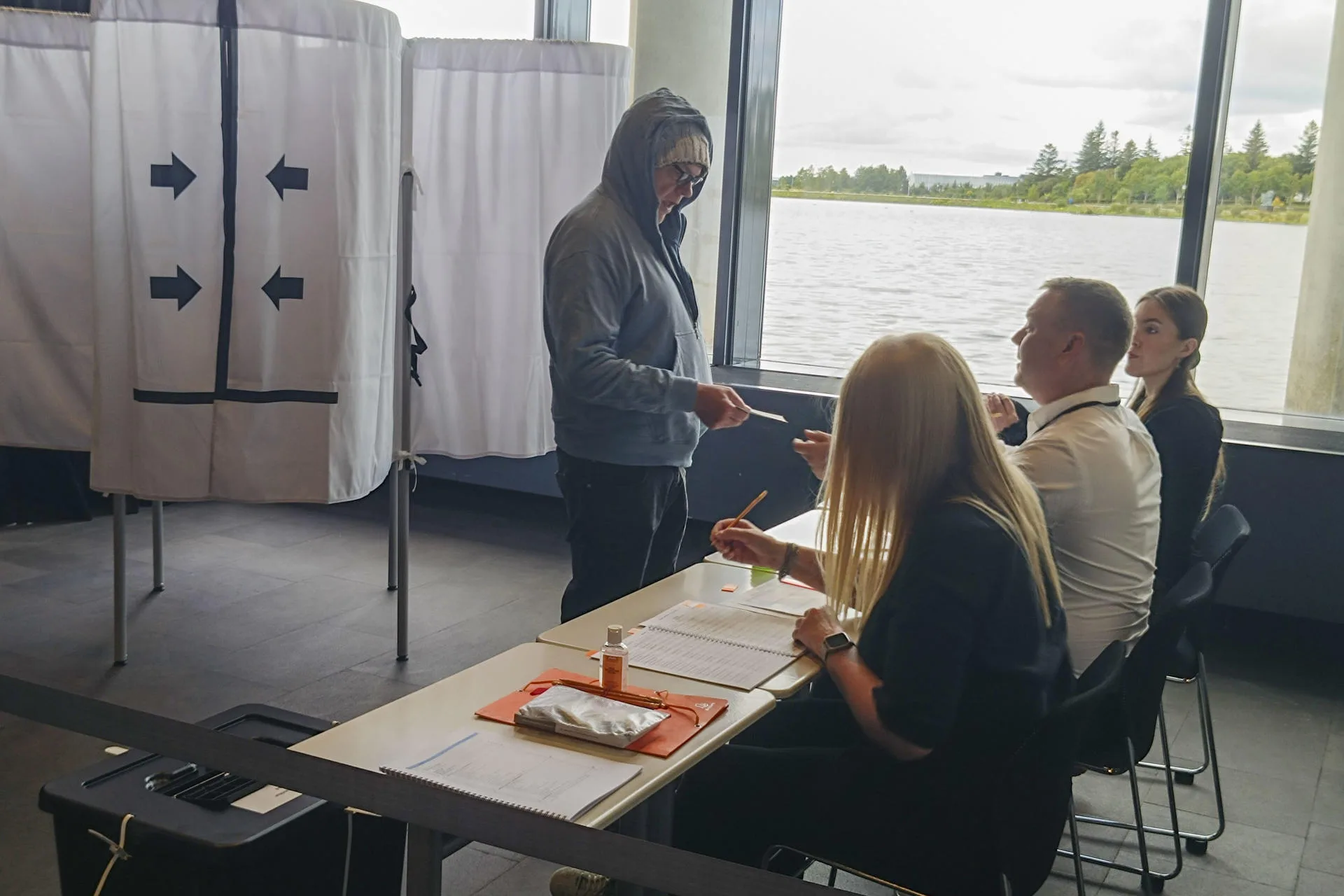
Reykjavik, Aug 30 (EFE).- Iceland’s government will not resume negotiations on joining the European Union during its current term after voters rejected the move in a closely contested referendum, Prime Minister Kristrun Frostadottir said Sunday. The “No” side won with 52.8 percent of the vote, compared with 47.2 percent for “Yes,” according to results. More than 80 percent of eligible voters cast ballots in Saturday’s consultative referendum. “Close to half of the country wanted to continue these negotiations, but over half of the population did not,” Frostadottir said during a press conference. “We will respect that result,” she said. However, she said they would discuss next steps about the issue in the parliament. “We will be discussing this within the parliament (…). We think it’s crucial right now that we take stock, we make a decision on what we do with (…) the application at this point,” she said. “But, I want to make it absolutely clear; this government is not going forward with the accession talks this term,” she added. Frostadottir described the turnout as a “victory” for democracy and said the result showed that Icelanders were broadly satisfied with the country’s current relationship with the EU through the European Economic Area, or EEA. “A big lesson (…) for the government is that people are happy with the EEA agreement. They are happy with the current relationship with the EU,” she said. “This is the lesson we take with us, we will continue to strengthen the EEA relationship.” The European Commission said it respected the referendum result and emphasized that Iceland remains a close partner of the bloc. “The European Commission takes note of the outcome of Iceland’s referendum,” a spokesperson said. “The Commission respects the choice of the Icelandic people. Iceland remains a close partner of the European Union.” Iceland applied for EU membership in 2009, following the financial crisis that severely affected its economy, and began accession negotiations. However, the process was suspended in 2013 amid growing opposition to closer ties with Brussels, and in 2015 the government formally informed the EU that Iceland was no longer seeking membership. EFE alc-par/bks
Iceland to shelve EU membership talks after voters reject resumption - EFE
Iceland’s government will not resume negotiations on joining the EU after voters rejected the move in a closely contested referendum.
354 words~2 min read