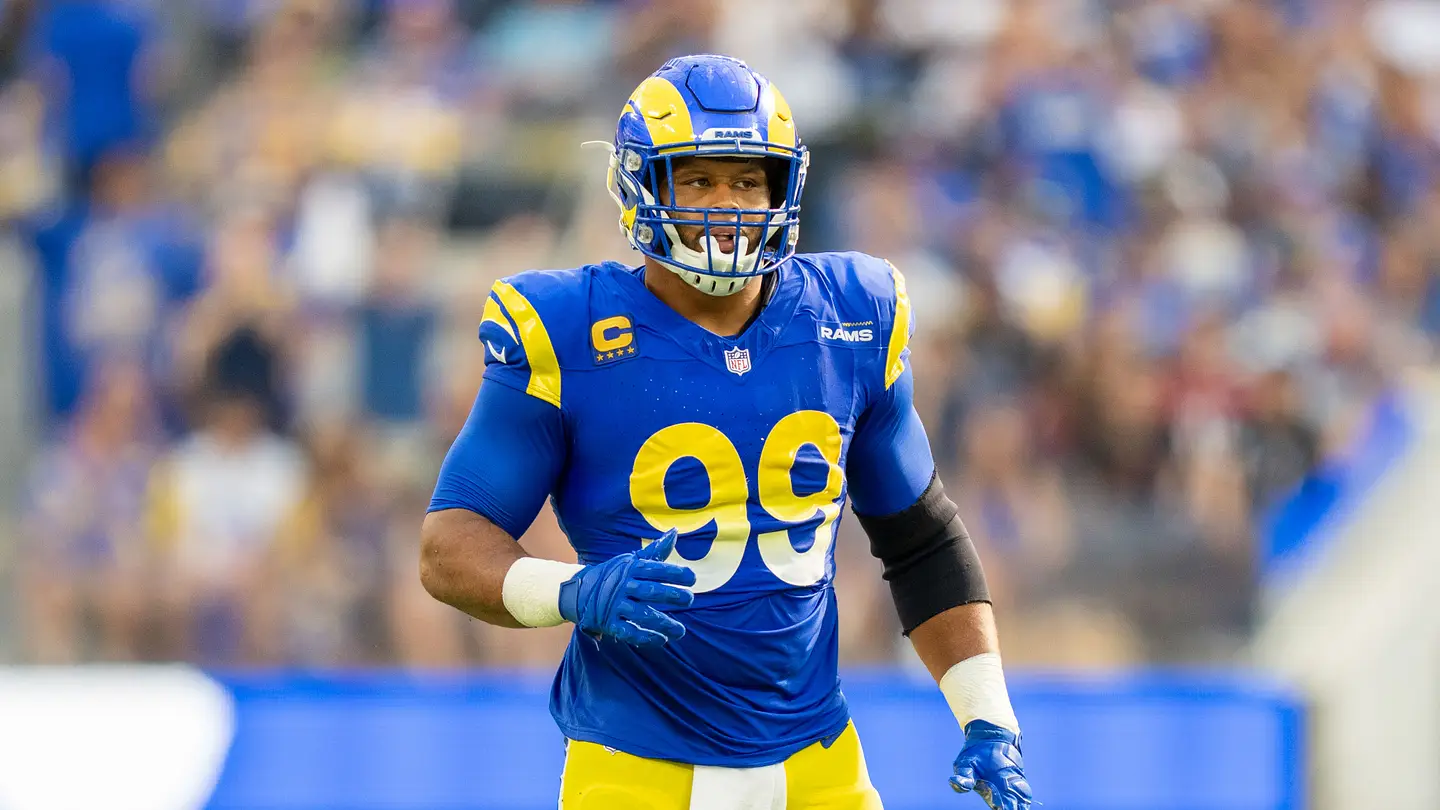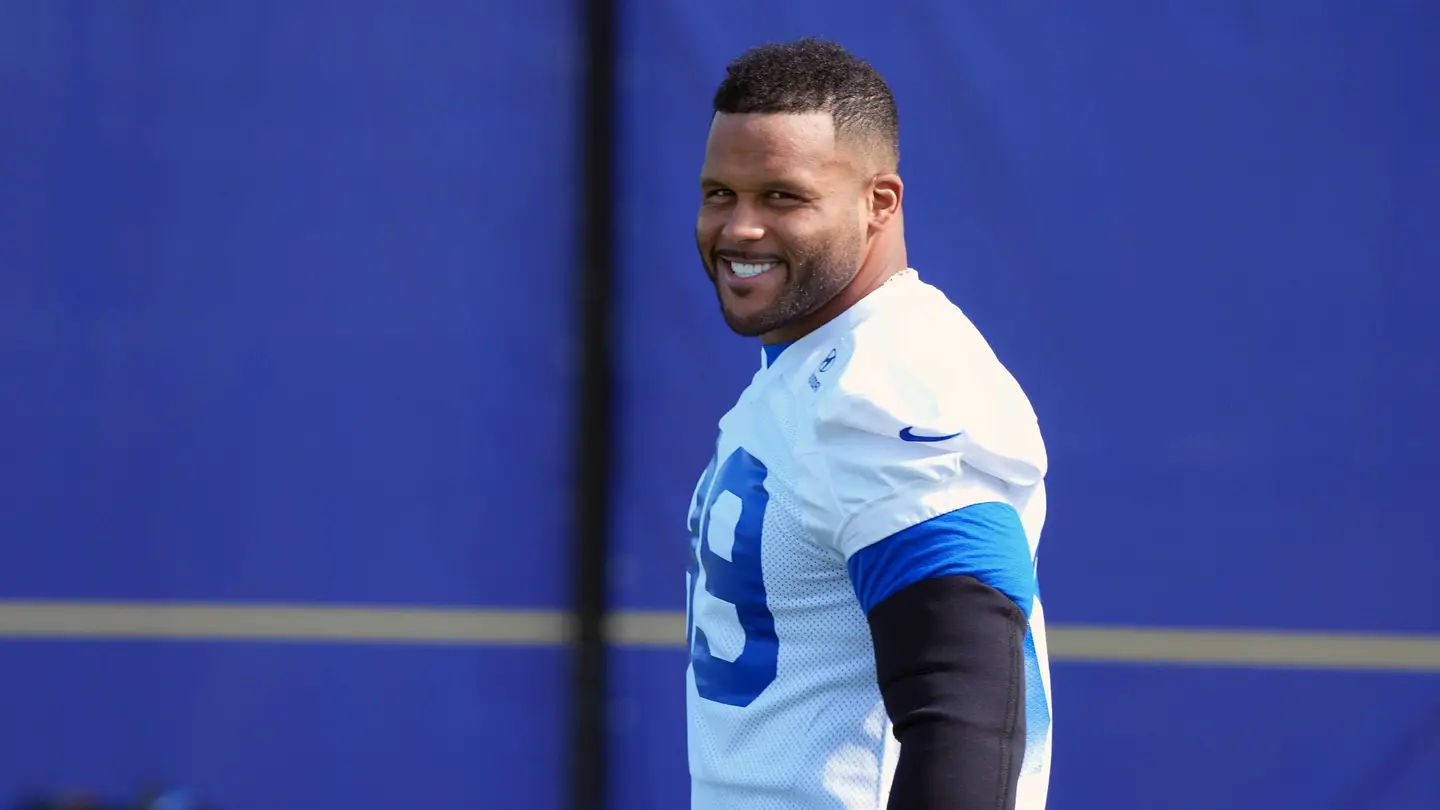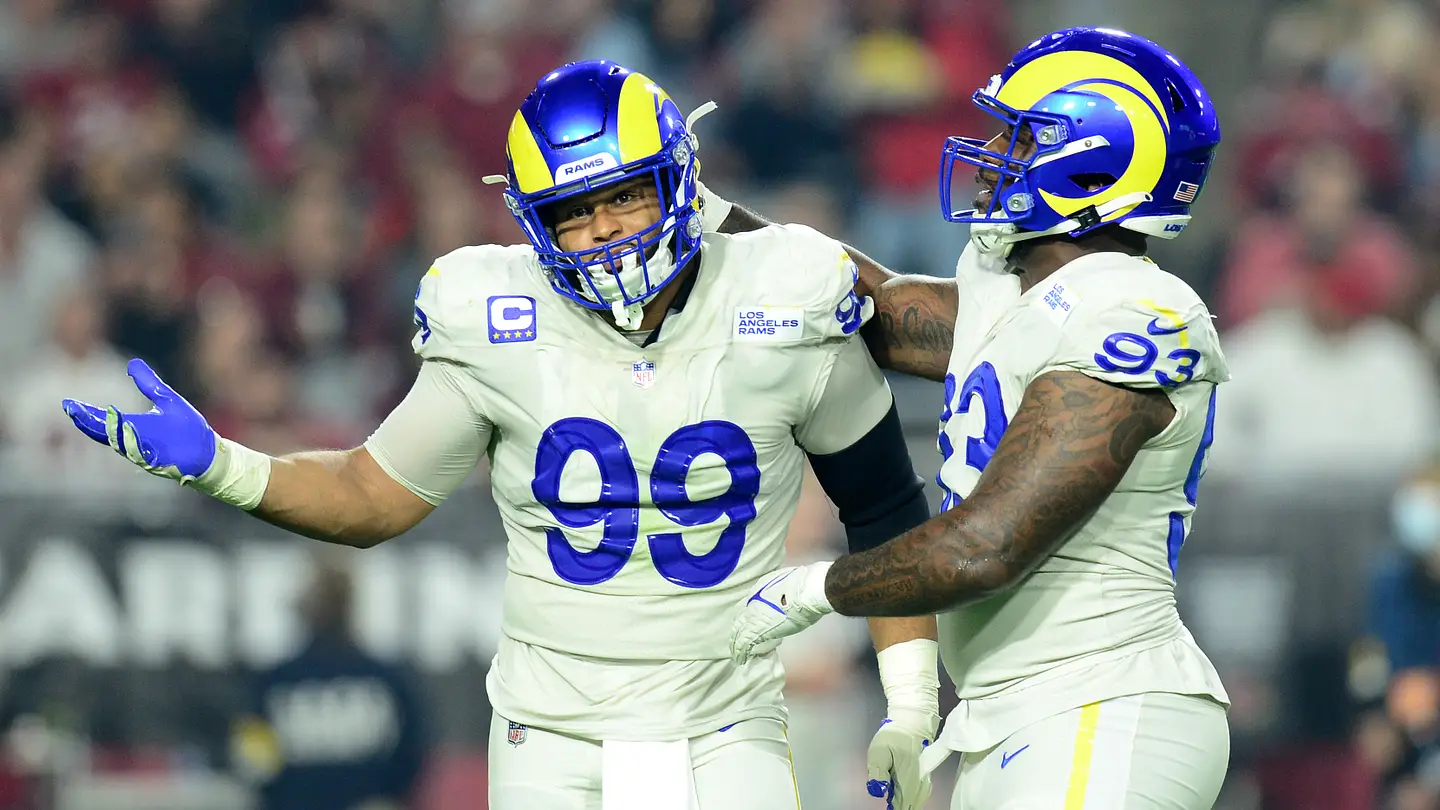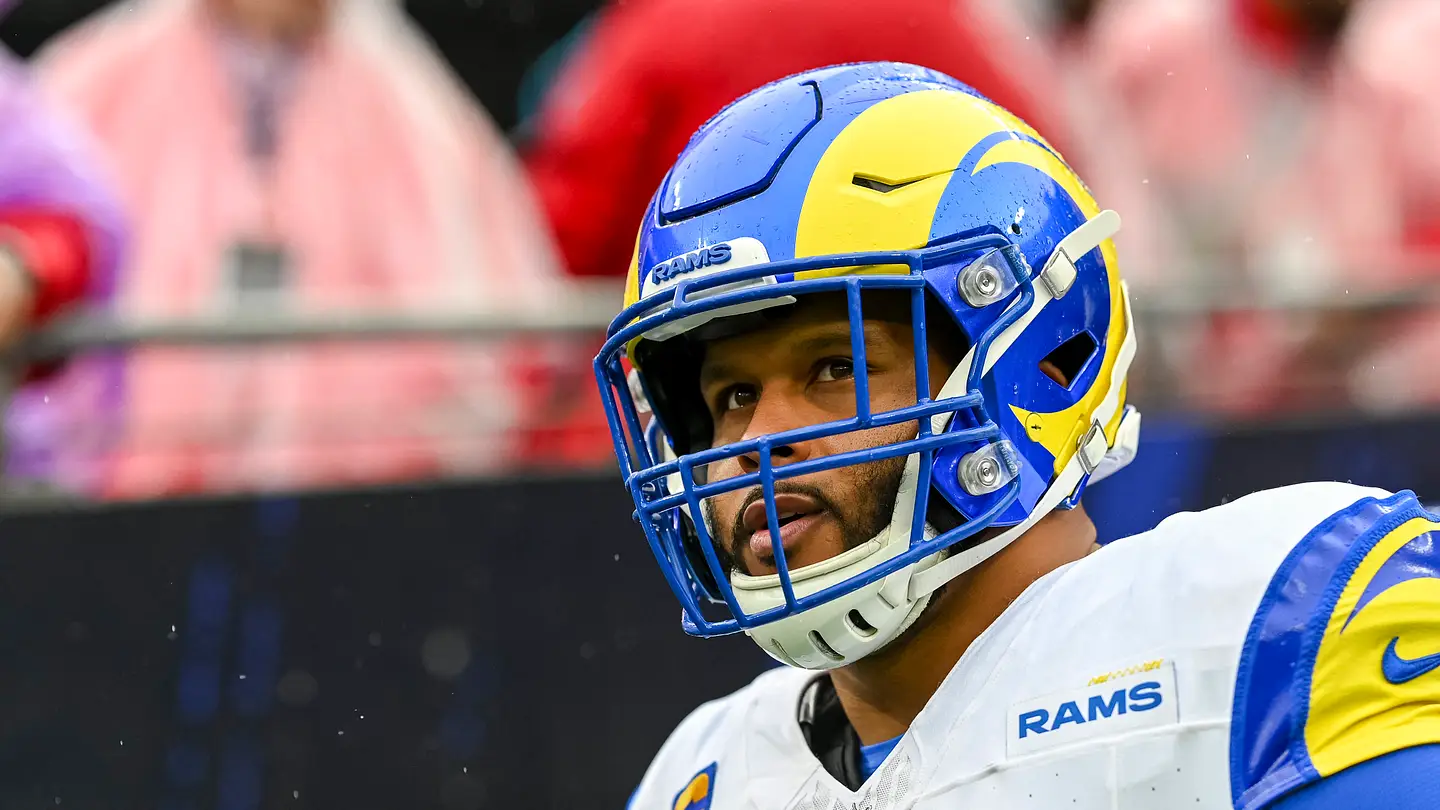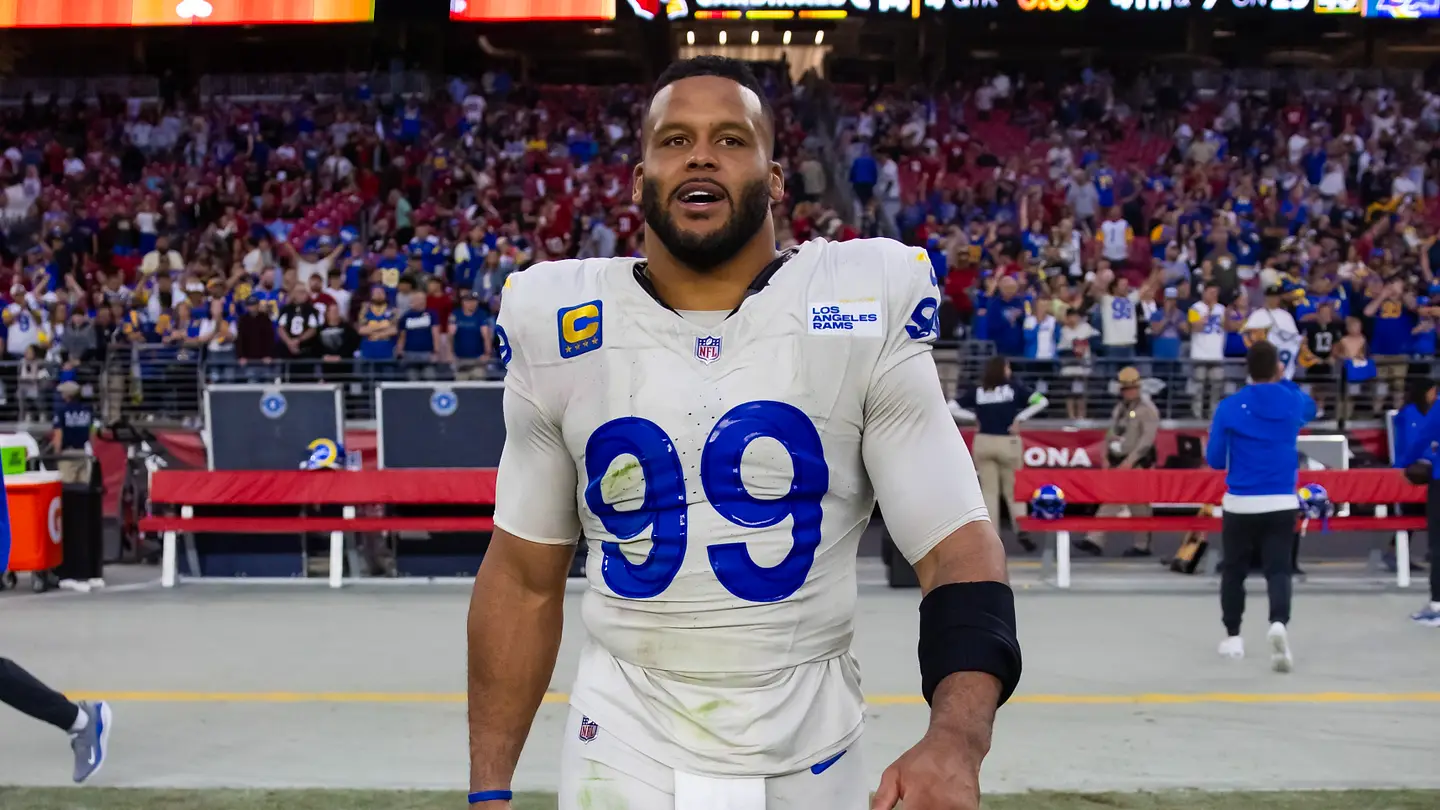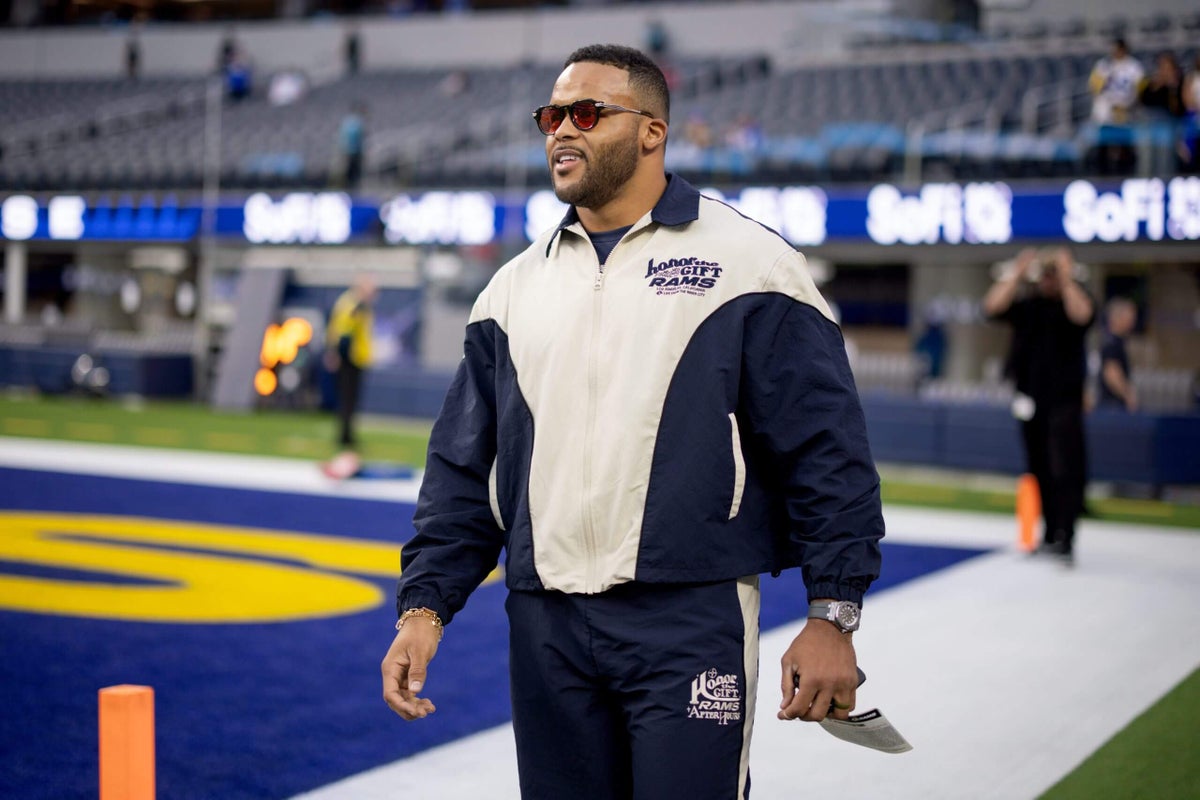
Three-time NFL Defensive Player of the Year Aaron Donald announced Sunday he was ending more than a two-year retirement to rejoin the Los Angeles Rams. But what exactly does it mean when a player retires from the NFL? And how does one get reinstated after stepping away from the game?The retirement process itself isn’t overly complicated. There is no protocol a player needs to follow to declare their retirement. Previously, players filed retirement paperwork to initiate their post-playing benefits, but that system ended in 2008 when the NFLPA adopted new severance rules.Now, per the NFLPA’s website, players are considered officially retired when they are without a contract for one year from the expiration or termination of their last contract. That one-year mark defines the start of retirement and the benefits that come with it. It’s also why players like Larry Fitzgerald, who was inducted into the Pro Football Hall of Fame earlier this month, can say he never “committed to retirement.” Fitzgerald didn’t necessarily file paperwork to end his playing career, but he was considered retired by the league’s standards one year after his final deal with the Arizona Cardinals expired.Reinstatement to the league requires a player to inform commissioner Roger Goodell of their intent to return and apply for reinstatement. From there, it falls on the player and their agent to find the right fit, which could require visits and tryouts during OTAs and training camps.Would a return to Los Angeles Rams diminish Aaron Donald's NFL career?Robert MaysHere’s a look at the ins and outs of the NFL’s retirement process and contract stipulations.What is the reserve/retired list?A player is placed on a team’s reserve/retired list when they decide to step away from football while still under contract. This designation removes the player from the active roster (like the injured reserve) while still allowing the club to retain the player’s rights.For example, tight end Darren Waller retired in 2024 with three years remaining on his contract with the New York Giants. He was placed on the reserve/retired list, and when he decided to come out of retirement in 2025, the Giants traded him to the Miami Dolphins for draft picks.A player on the reserve/retired list still needs to apply for reinstatement with the league. Before the trade deadline, the club must honor the request by reinstating the player to the active list, releasing him, etc. Between the trade deadline and Week 13, it’s the club’s option whether to accept the player back or not. After the club’s Week 13 game, the player cannot be reinstated from the reserve/retired list.So, does being on the reserve/retired list delay a player’s retirement benefits? Not always. A player who has announced his retirement but is still under contract can be “officially” retired before their contract ends. Additionally, players who retire while still under contract — or with void years tacked onto their contract — can still count against a team’s salary cap even if they hang up their cleats.What benefits do retired players get?The NFLPA has negotiated a range of benefits for former athletes, including health coverage, retirement savings and disability. Those benefits accrue over the players’ first three credited seasons; athletes with three or more credited seasons (vested players) are eligible for the most support.All former players, regardless of their number of credited seasons, are eligible for the NFLPA’s 401(k) Savings Plan and Disability & Survivor Benefit Plan.A player with three or more credited seasons is eligible for five years of free extended health insurance coverage (medical, dental, vision and prescription drug). This policy gained attention last season when quarterback Philip Rivers came out of retirement to join the Indianapolis Colts. Rivers’ health insurance was set to expire in 2026, but his decision to play again extended his eligibility and that of his wife, Tiffany, and their 10 children for another five years.The Former Player Life Improvement Plan does not expire and provides benefits like counseling and joint replacements (when deemed medically necessary) to retired players. Players with two credited seasons can also join The Trust, which offers a wide range of physical and mental health services, including access to a free brain and body assessment. Health resources are top of mind for many players, especially given the long-term impacts football can have on the brain and body.“It’s a system right now that forces guys to play for a very long time,” former Pro Bowl linebacker and current CBS analyst Kyle Long told The Athletic recently. “And I’m not talking about the guys who you see on the ticker tape. I’m talking about guys who you don’t know their names that are on the roster. They get beat up every week and they don’t get medical coverage for life. It’s a shame and I think there should be more eyeballs on that.”Players with at least two credited seasons are eligible for a severance payment, which comes in a lump-sum check 12 months following their last contract. The amount is based on the number of credited seasons a player has and the years in which they played them. For the years 2026-2028, a player will receive $40,000 per credited season. That amount jumps to $50,000 per credited season in 2029 and 2030.Vested players are also eligible for a monthly pension beginning at age 55, determined by their number of credited seasons and the years they completed them.Socially, retired athletes can join the Former Players Department — which has 38 chapters across the country — to foster camaraderie and connection outside of the locker room. A full review of benefits can be found on the NFLPA’s website.How will Donald’s contract be framed? Donald signed a three-year, $95 million extension with the Rams in June 2022. When he retired in March 2024, Donald had completed two years of that three-year deal. The Rams had paid him $65 million in cash, including $5 million just two days before he retired. At that juncture, the Rams converted a guaranteed roster bonus into a signing bonus to save cap space, according to reporting from Pro Football Talk. That left one year and $30 million remaining on the extension Donald signed in 2022.As stipulated in the collective bargaining agreement, a player’s contract is “tolled between the date of (the) player’s … retirement … and the later date of his return to professional football.” Effectively, this means the contract is stalled. By coming out of retirement, Donald’s existing contract with the Rams was resumed for the one remaining year. The Rams had his rights because of the existing contract.Donald and the Rams then agreed to a new one-year deal for $20 million, according to The Athletic’s Jonathan Jones. The deal can be worth up to $30 million with incentives.The Rams have a little less than $15 million in salary cap space, according to Over the Cap. They will likely use accounting mechanics to fit Donald’s new deal into their cap sheet. For instance, most of Donald’s $20 million can be paid in a signing bonus and then prorated, or spread evenly, over five years. In this case, it would be a one-year contract with four void years.In the end, this is a logical solution for both sides. Donald has not played a down in the NFL in over 2 1/2 years. A $20 million base value contract puts him in the second tier of the interior defensive line market. If he hits all his incentives and makes $30 million, Donald will be compensated like one of the elite interior defensive linemen in the game.
Explaining unretirement in the NFL: How benefits, contracts, roster spots work
What is required for a player to "officially" retire? What happens if he wants to return, much like Aaron Donald? Here are the details.
1,253 words~6 min read