David Shipley
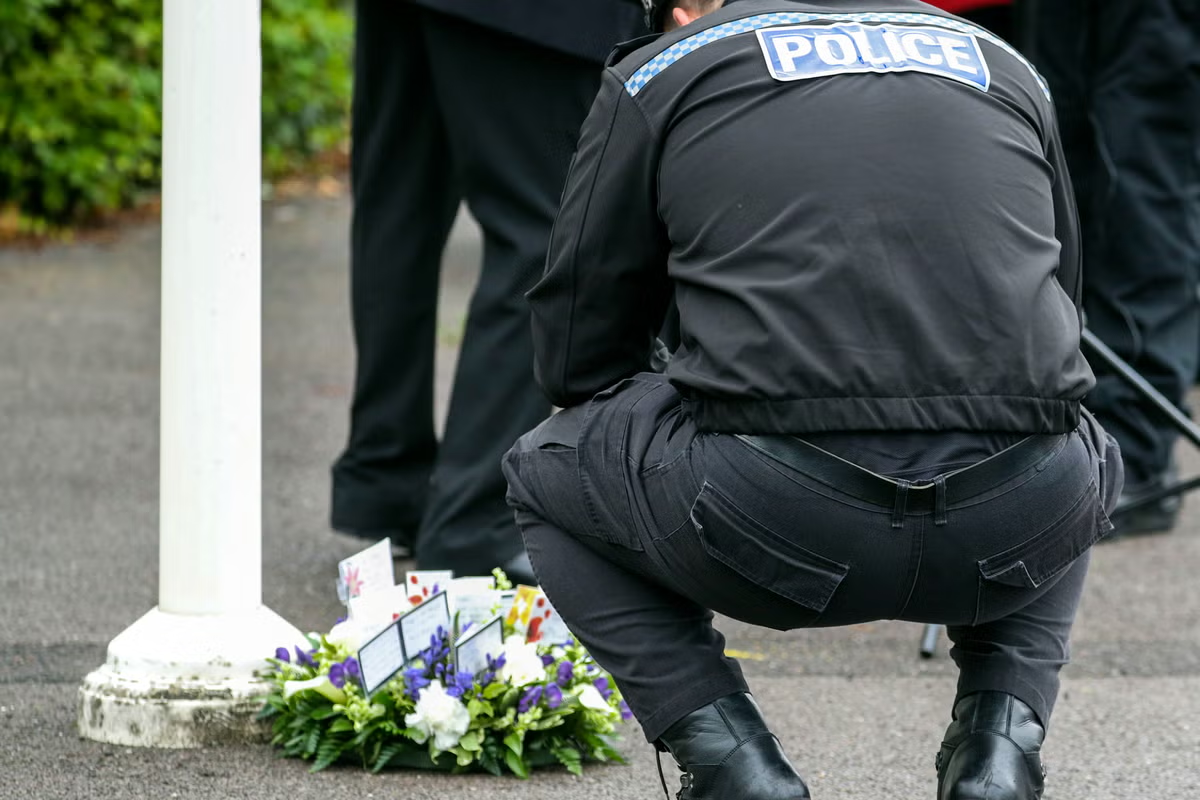
After weeks of pressure, the Prime Minister has announced that the men who killed on-duty policeman Andrew Harper will not be released early. The Sentencing Act’s early release scheme will now be amended to exclude a series of offences.
In fairness to the government, their plans go much further than I expected. Those who have committed, or attempted murder, manslaughter, cruelty to children, a wide range of sexual offences (even including ‘possession of an indecent photograph of a child’ which is often, appallingly, treated as less serious by our system), causing or allowing the death of a child and causing death by driving will no longer be eligible for early release. This is a good decision. Releasing such criminals a mere third of the way through their sentence would have made the public substantially less safe and gravely damaged confidence in the justice system.
Not every dangerous man will be blocked from early release
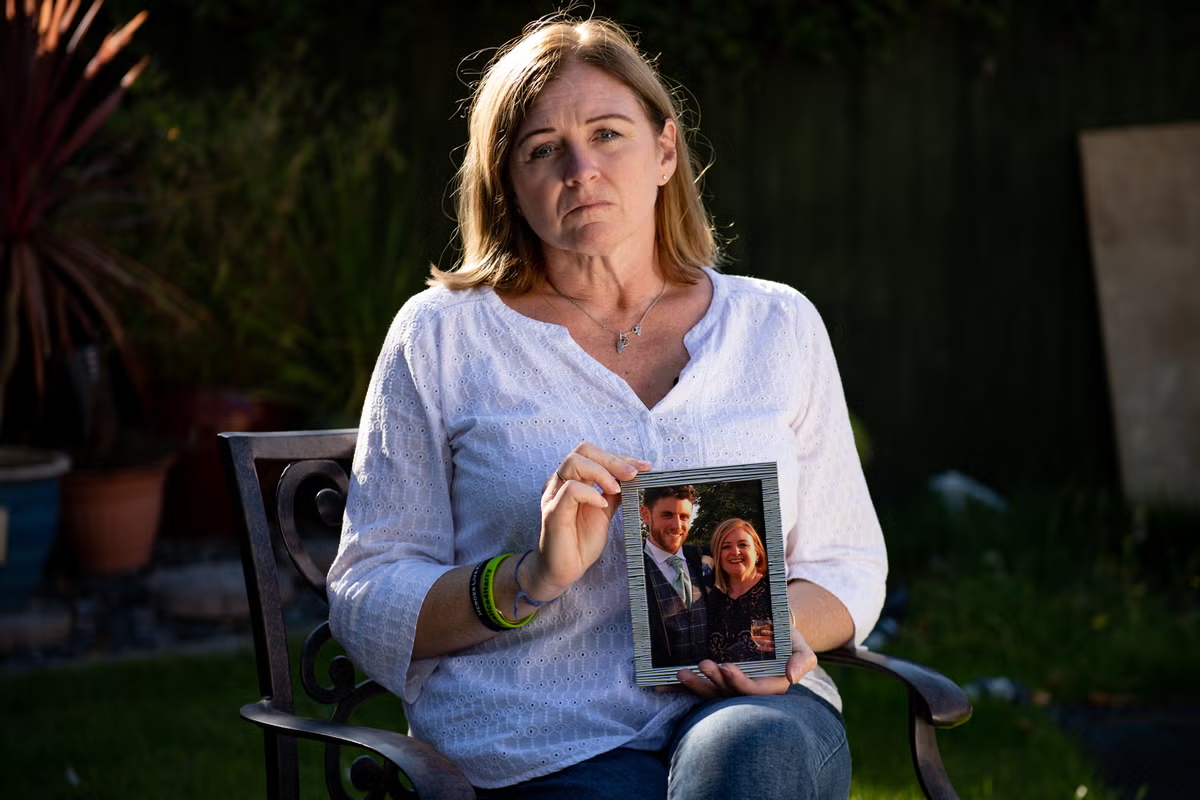
These changes have been forced upon the government in response to concerted campaigns by victims, their families, and particularly with the case of Andrew Harper, by the police themselves. The last is interesting evidence of a fracture between the main body of the state and the entity it relies upon to prevent unrest.