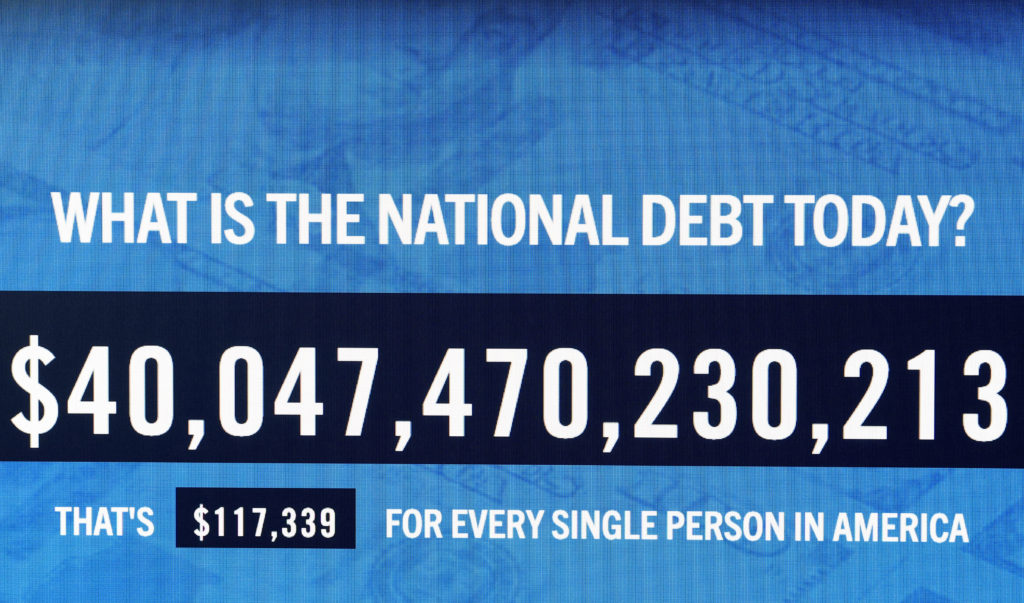
The U.S. just crossed a milestone that would have been almost impossible to imagine a generation ago: $40 trillion in national debt.
For most households, that number is almost impossible to comprehend. Putting it into perspective, the debt comes out to $116,486 per U.S. citizen. And the impact of that debt can extend well beyond the headline figure, as it influences borrowing costs, inflation, taxes, and retirement programs.
Treasury Secretary Scott Bessent has argued that the U.S. can "grow its way out" of the debt, pointing to investments in factories and equipment that could expand the economy and ultimately the tax base.
There is some economic logic behind that argument. A growing economy can make a large debt burden more manageable if GDP expands faster than debt and interest costs. The problem is that current projections don’t show the U.S. moving in that direction.
The Congressional Budget Office projects federal debt held by the public will rise from 101% of GDP in 2026 to 120% by 2036. At the same time, annual interest costs are projected to more than double, from $1 trillion this year to $2.1 trillion in 2036.