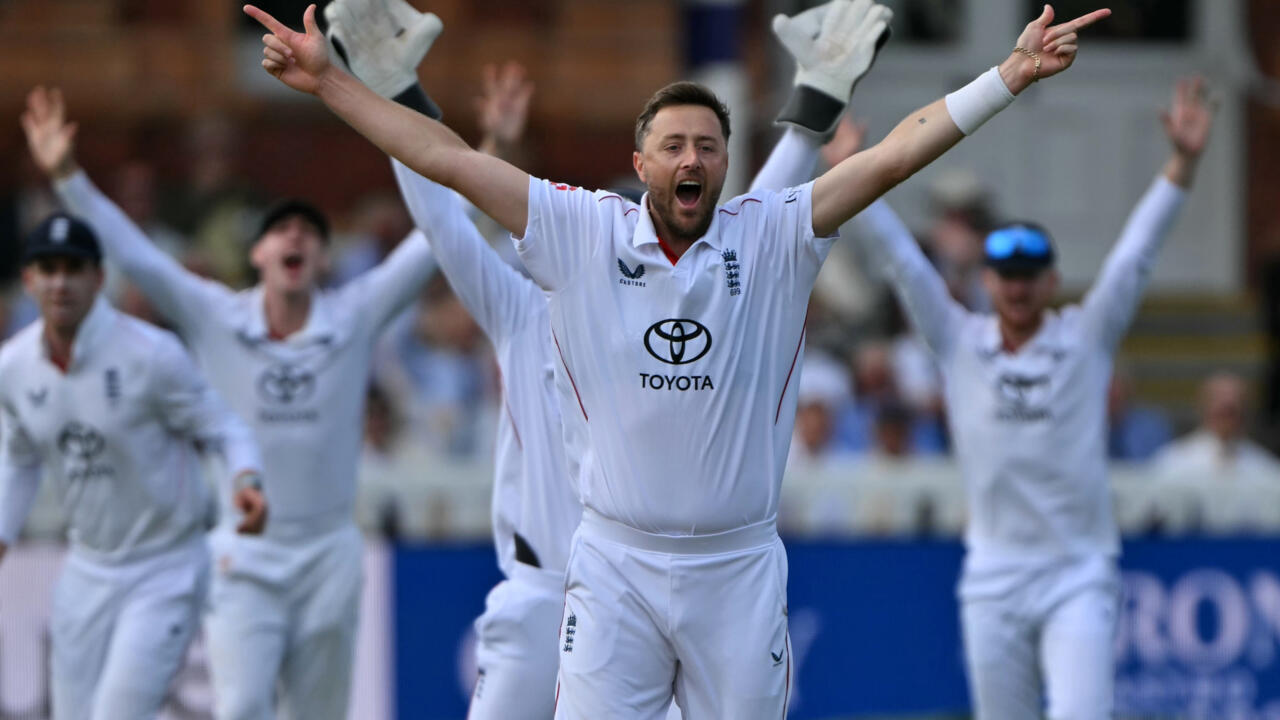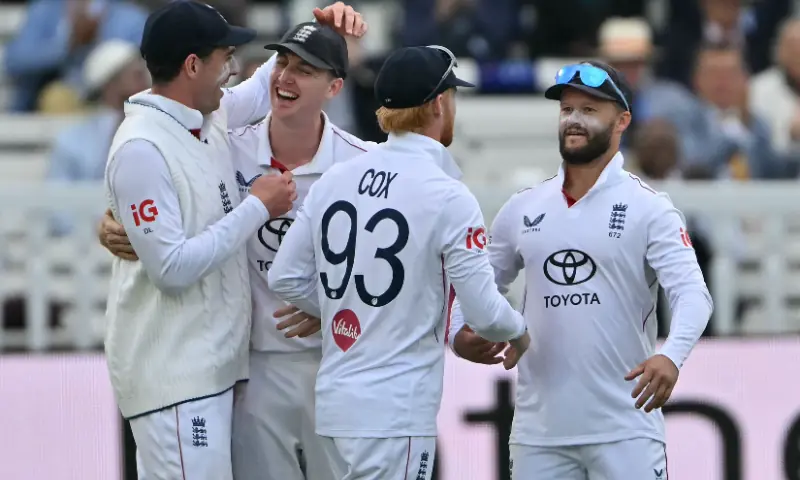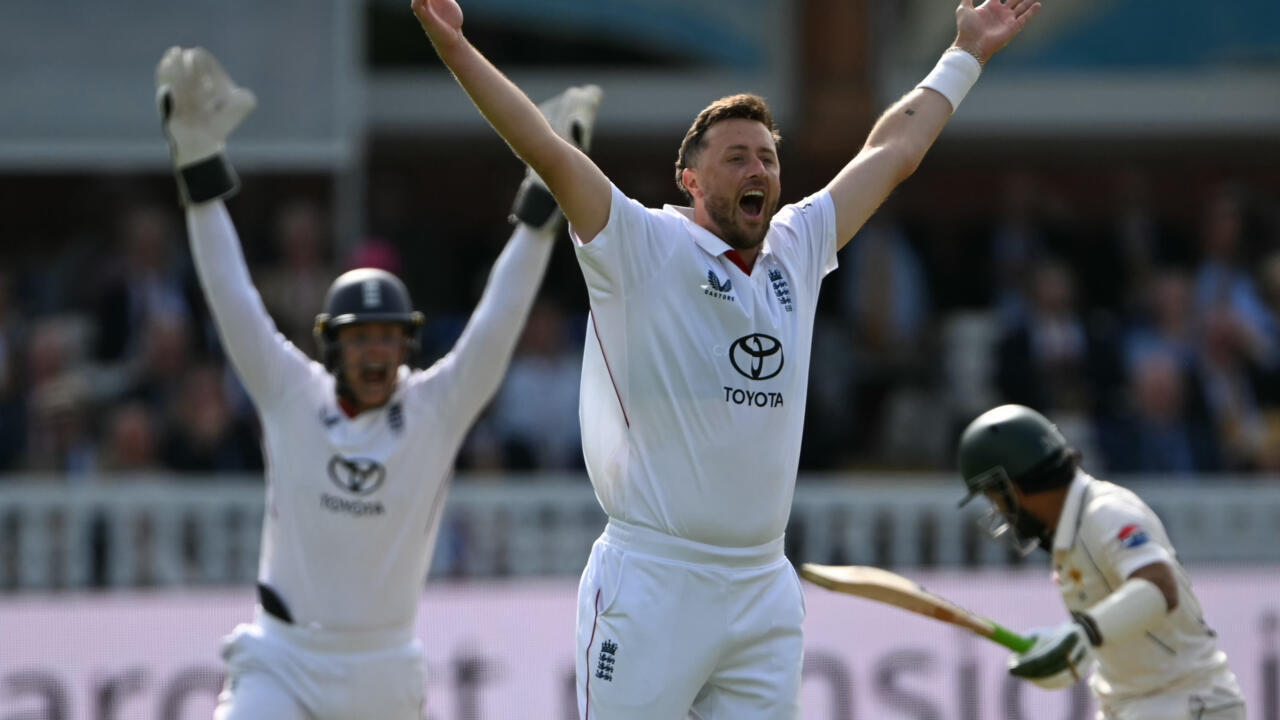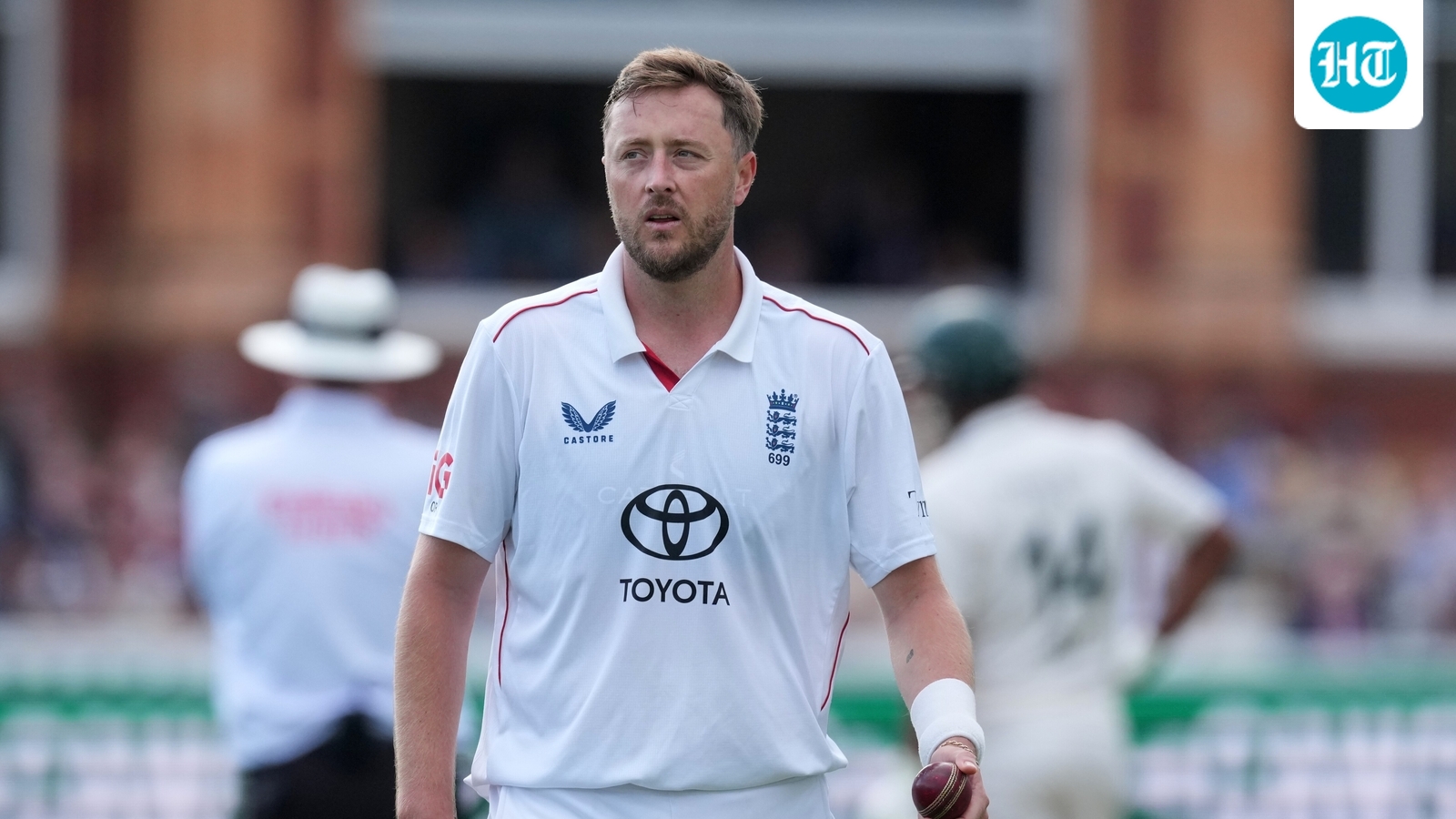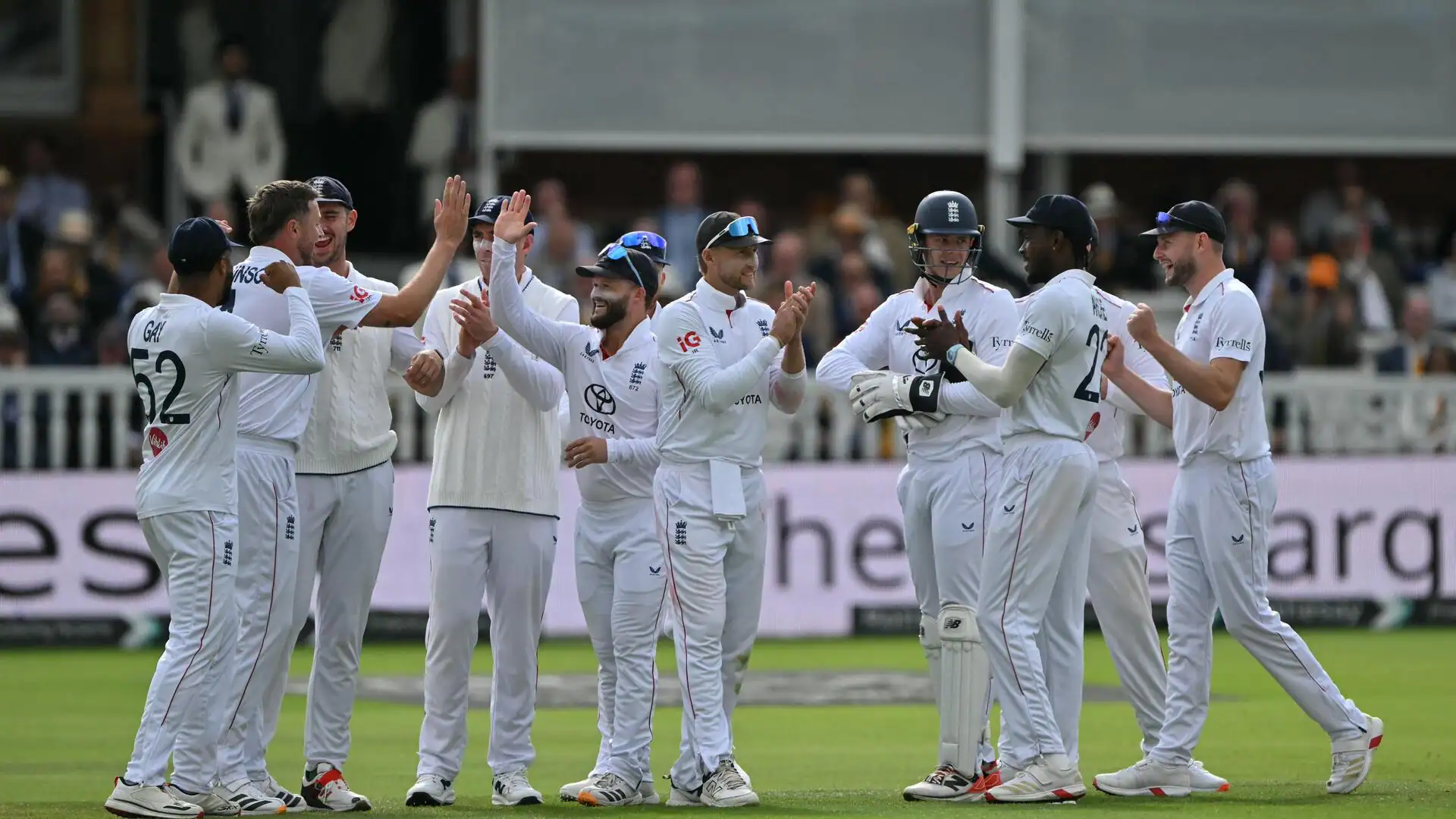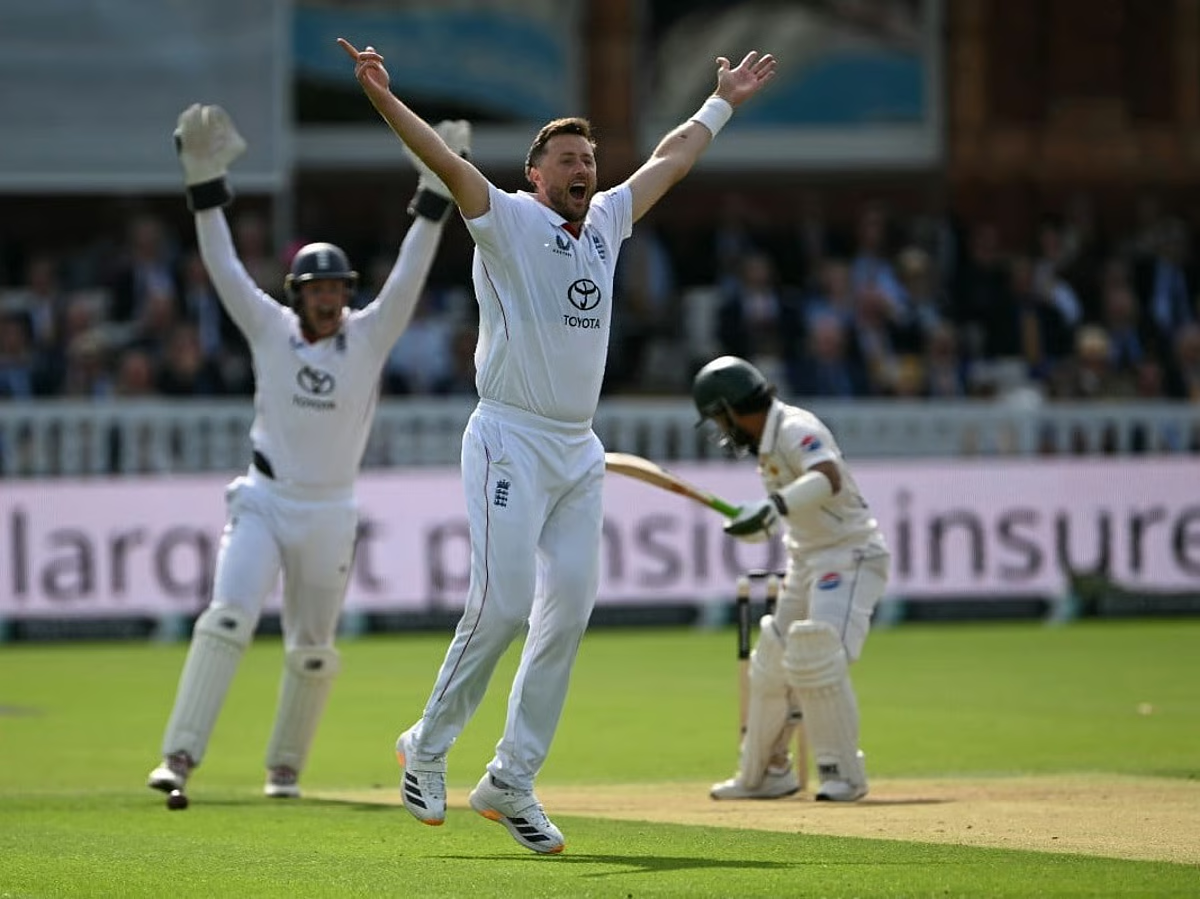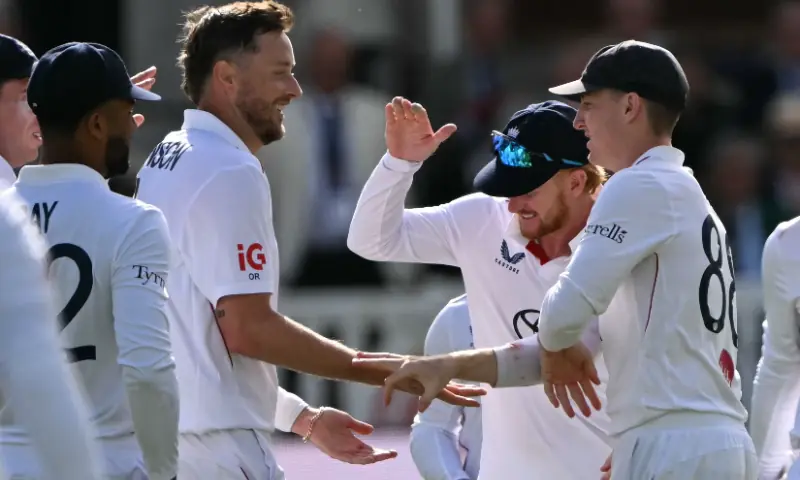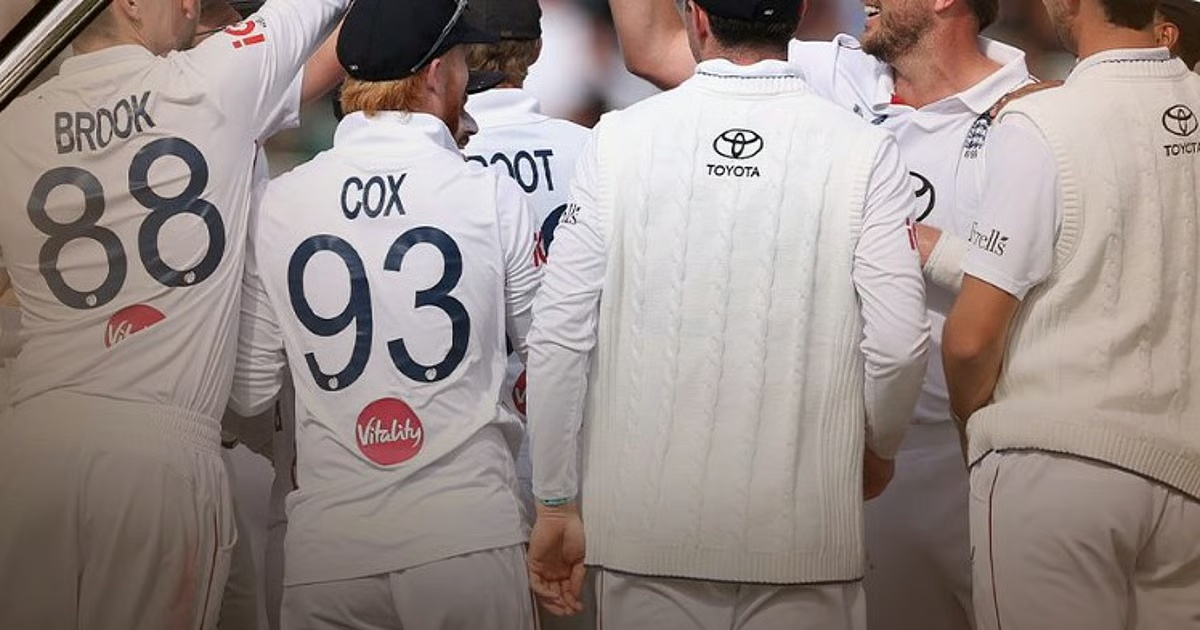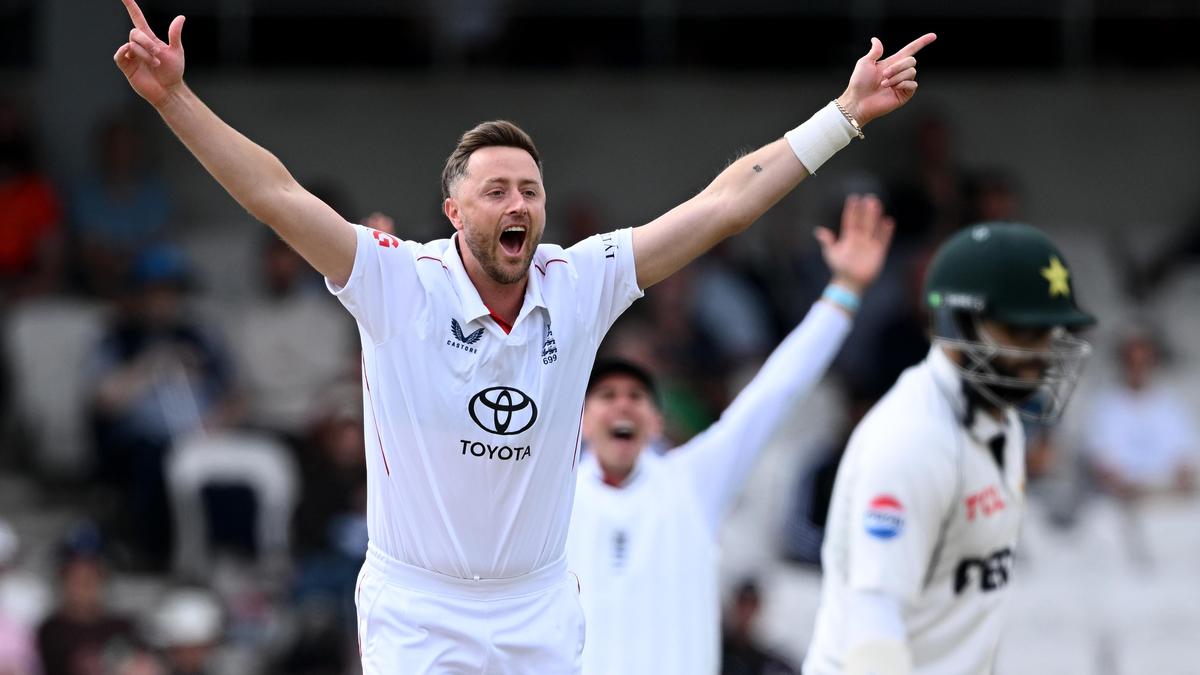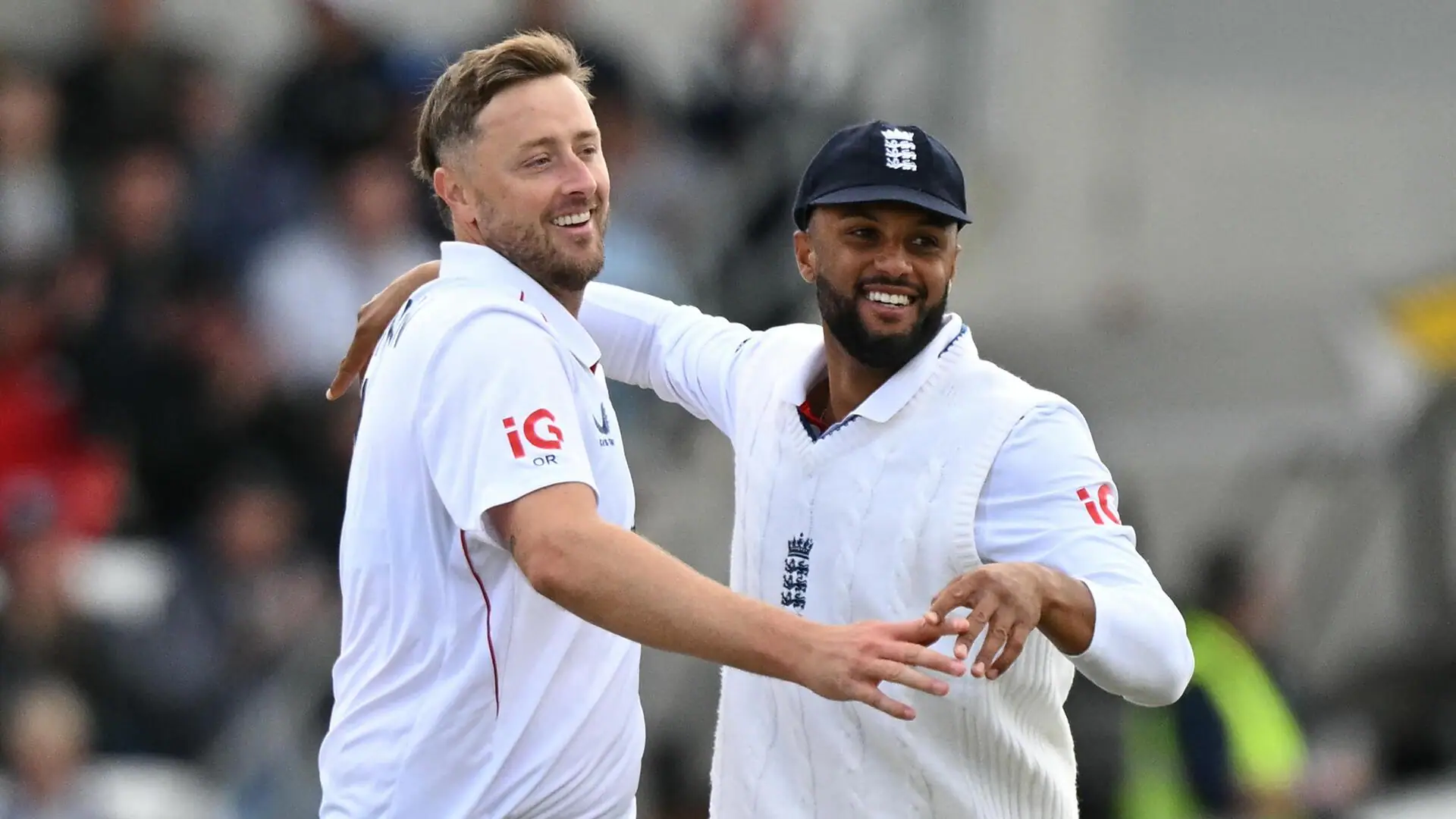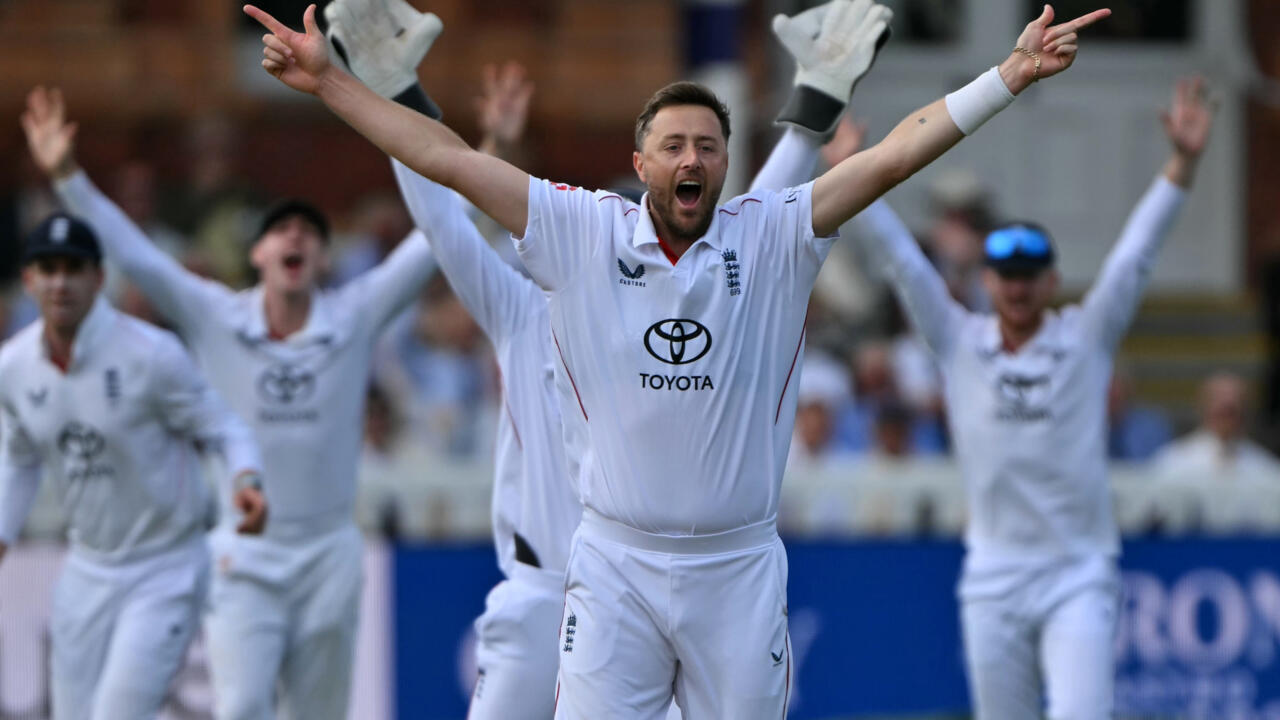
Pakistan were 140-5 at tea on the fourth day, still needing a further 249 runs to reach an improbable victory target of 389.Robinson had figures of 4-24 in 14 overs following his sensational 4-11 in 13 during Pakistan's meagre first-innings 110 all out.The Sussex seamer produced a pair of double strikes Sunday either side of Shakeel, 78 not out, and fellow left-hander Shan Masood checking England's progress with a fourth-wicket partnership of 97. Robinson took two in four balls to leave Pakistan 7-2, before express quick Jofra Archer dismissed Pakistan captain Babar Azam, with England seemingly well on course to go 2-0 ahead in a three-match series.But from the dire position of 14-3 before lunch, Shakeel and Masood at least made England work for what would be their first multi-match Test series win since a 2-1 success in New Zealand over a year ago. The returning Robinson, however, had Masood lbw from around the wicket for a gritty 26 off 72 balls, although it needed a review to reverse umpire Allahuddien Paleker's original not out decision.And 111-4 became 115-5 when Mohammad Rizwan was lbw to Robinson carelessly slogging across the line.With Imam-ul-Haq, unable to bat in the first innings due to a calf strain, not opening again Sunday, Pakistan looked to Masood and Azan Awais to see off the new ball on a still seam-friendly pitch.Awais, however, was lbw to Robinson and, three balls later, Abdullah Shafique was clean bowled for a duck by a superb delivery from the paceman that angled in and moved away late to hit off stump. Archer's brute of a bouncer then had Azam in a horrible flap, with the ball looping to Jordan Cox at second slip.Abbas on the honours board at lastPakistan's chances of a series-levelling win had long appeared slim after their first-innings collapse, which followed meagre totals of 171 and 135 during an innings and 103-run defeat in last week's first Test at Headingley. The highest fourth-innings total to win a Test at Lord's is the West Indies's 344-1 in 1984 that featured an unbeaten double century from Gordon Greenidge.
Robinson strikes as England close in on series win over Pakistan
Ollie Robinson continued to torment Pakistan as England eyed a series-clinching win in the second Test at Lord's on Sunday despite Saud Shakeel's fine unbeaten fifty.
590 words~3 min read