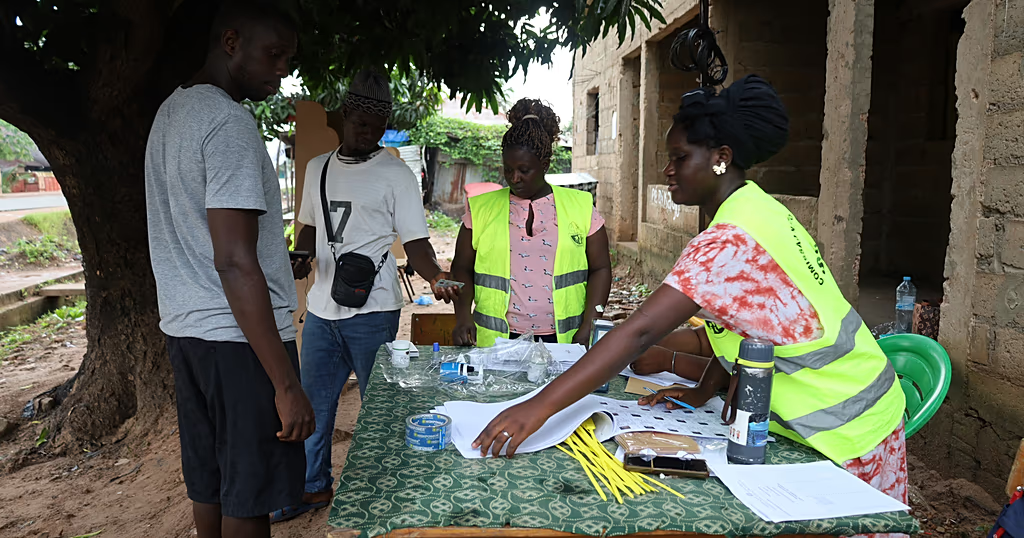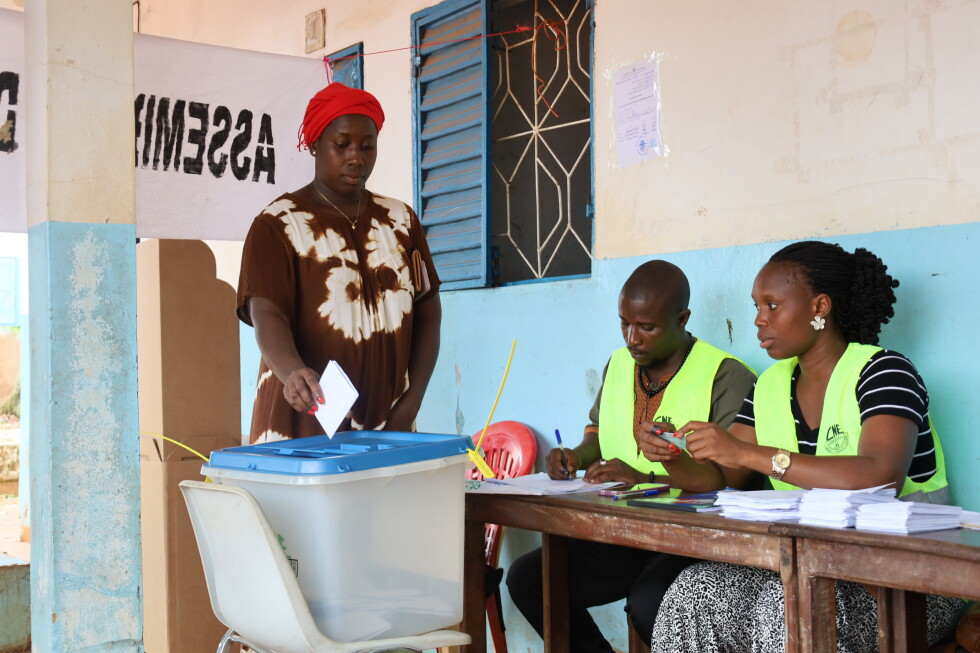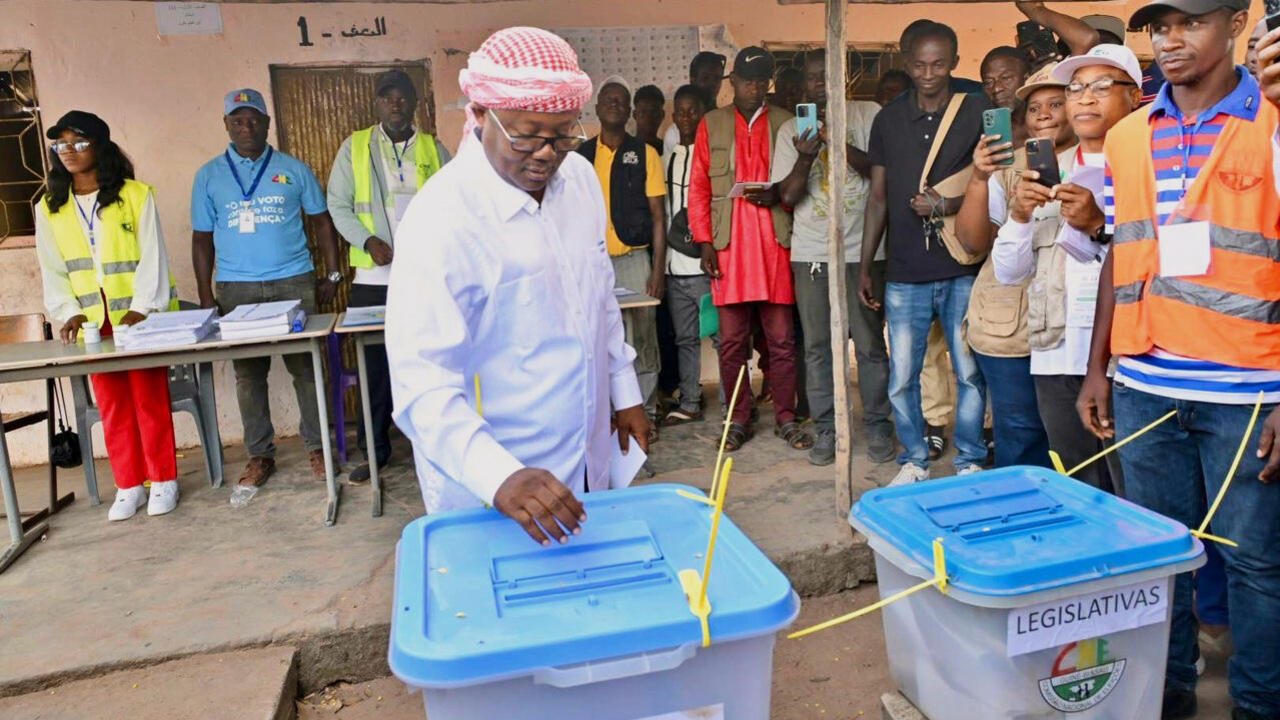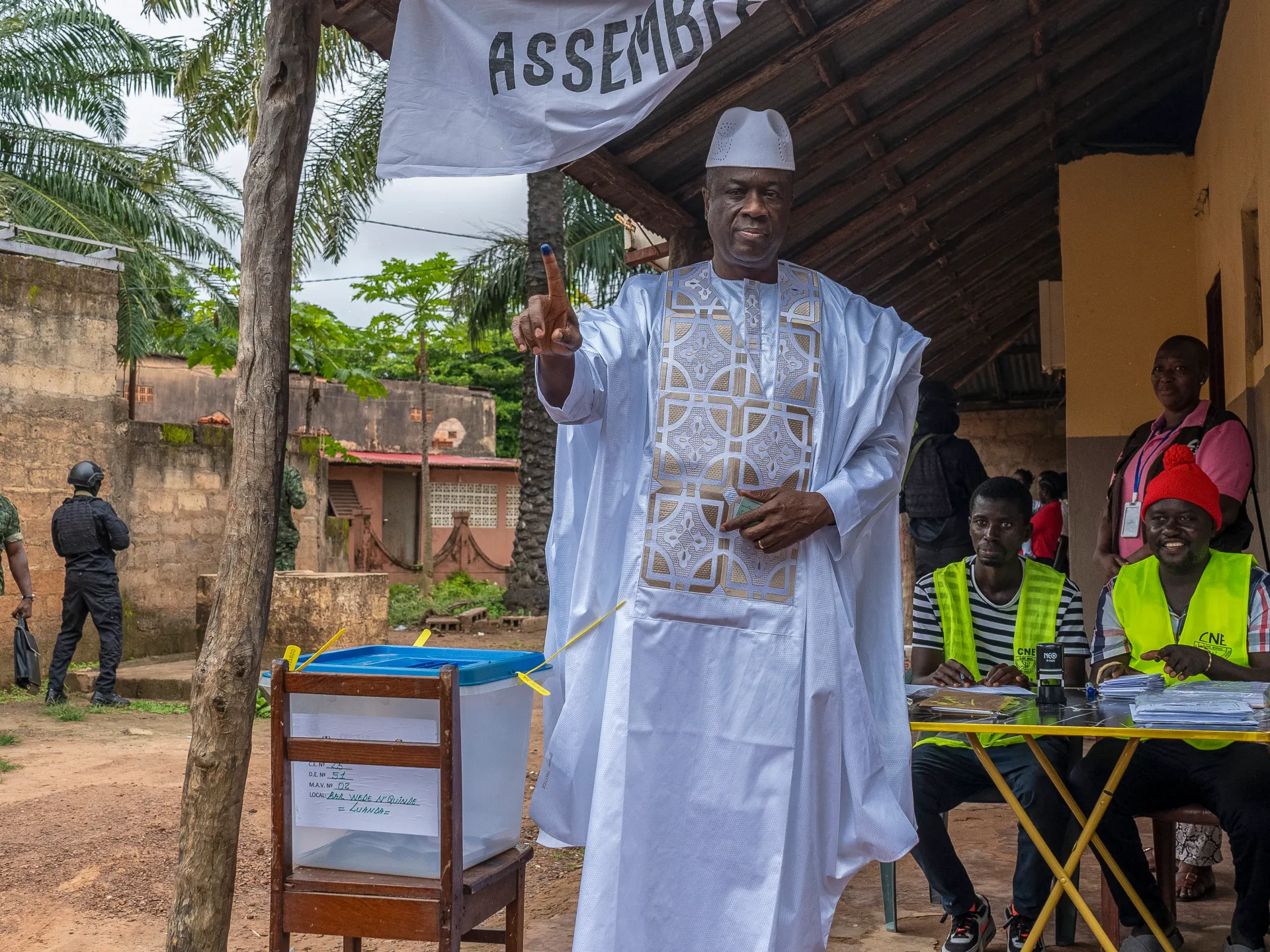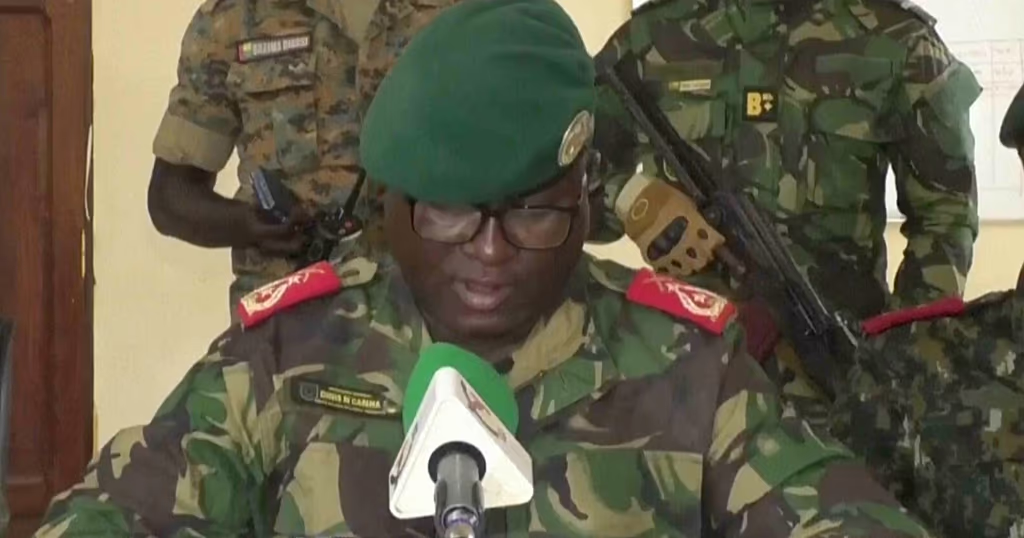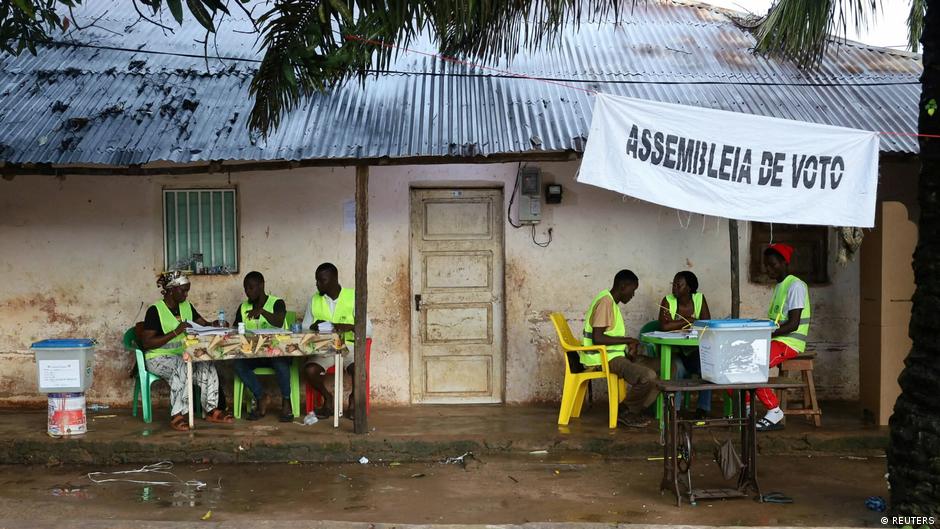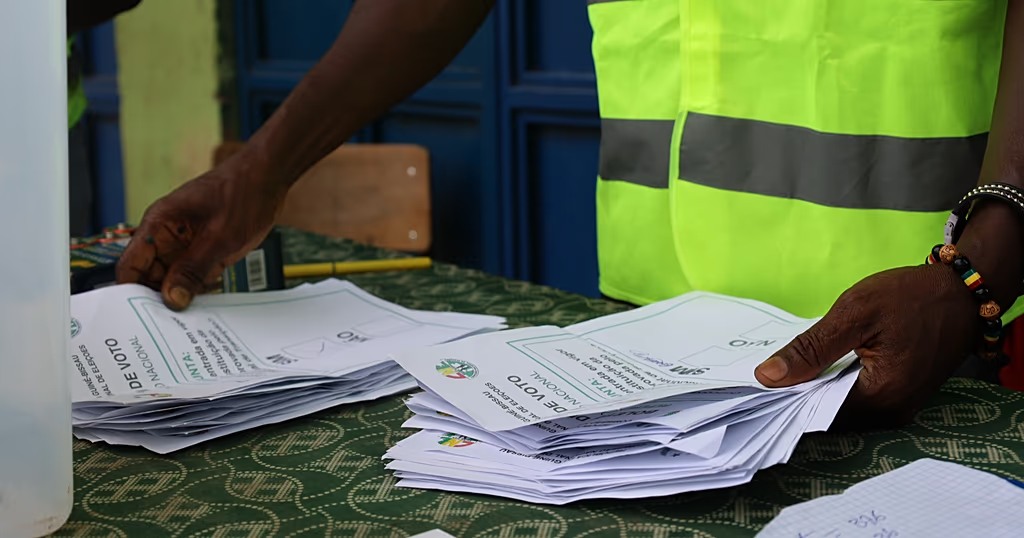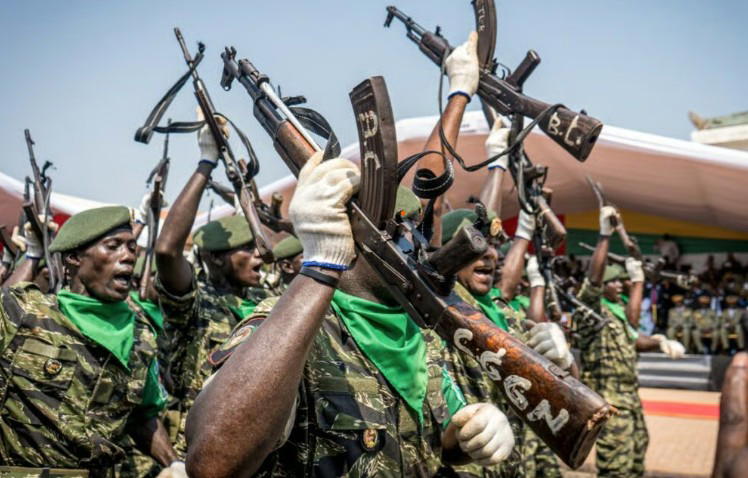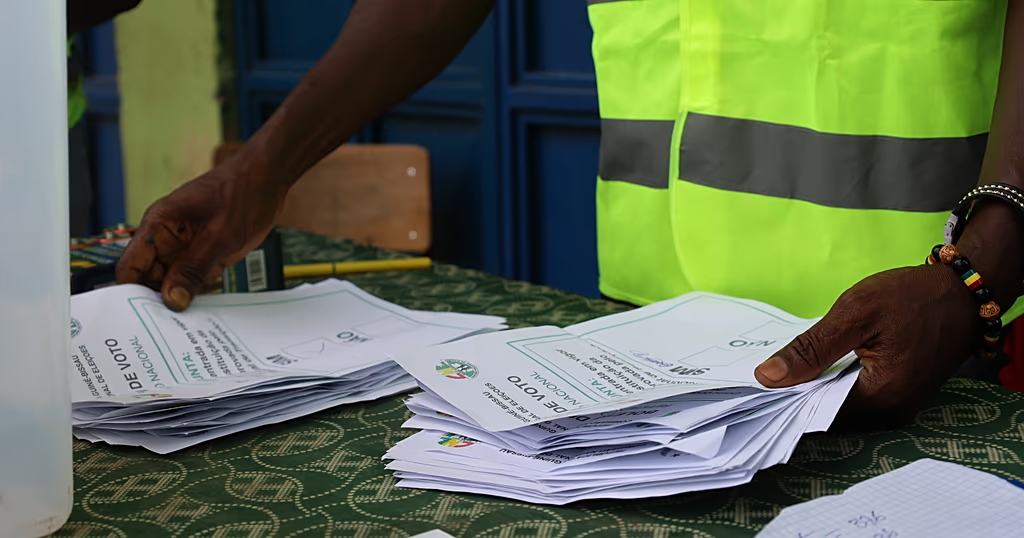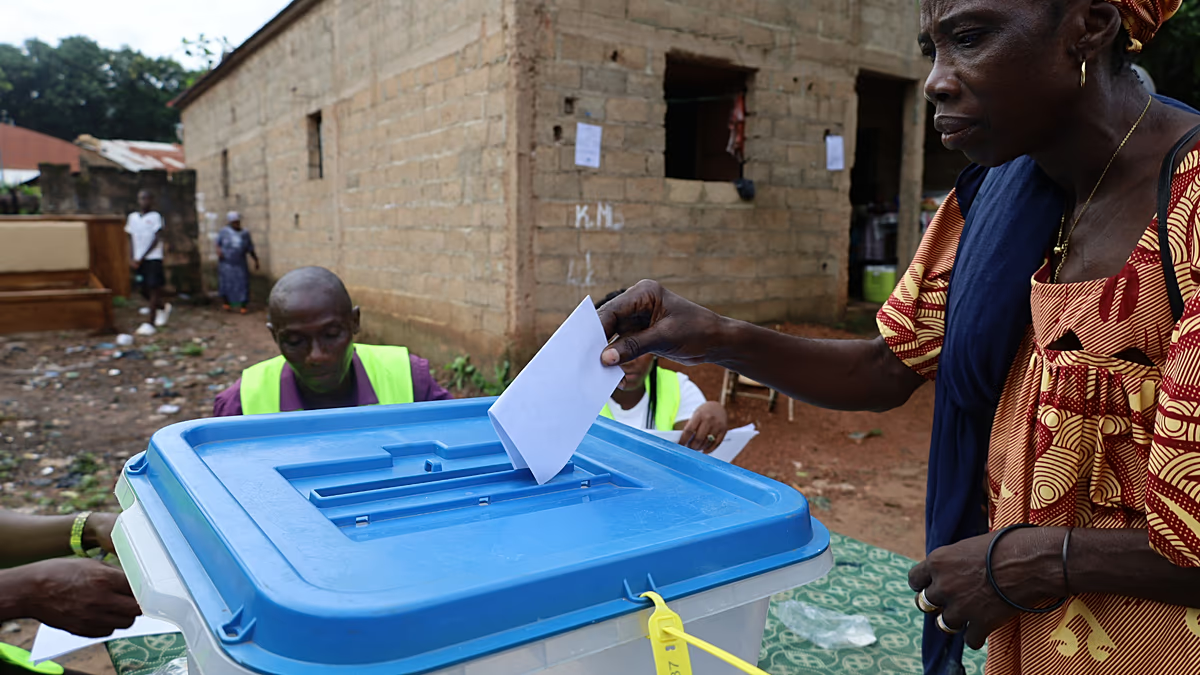
Voting got off to a slow start in some areas when the polling stations opened at 08:00 CET. According to media correspondents, security was stepped up at strategic points in the capital, with members of the National Guard and the police deployed at key locations.
This referendum is taking place against a backdrop of political instability and is being challenged by the opposition, not only because it has already been approved and published in the Official Gazette of the Republic -before the people had been ‘heard’- but also because it was drafted by the military junta, that is, by a transitional government without prior consultation.
"No one was consulted, neither political parties nor civil-society organisations, let alone traditional and religious leaders, and so on. So everything was done in secret," said the head of the Guinea-Bissau Human Rights League, Bubacar Turé, last week, speaking to Euronews.
Turé also stressed that campaigners for a "no" vote in the referendum were not authorised to campaign. "This is not an environment of freedom," he added, which is another reason why the opposition has called for a boycott of today’s vote.
Some analysts say the military government lacks legitimacy to change the constitution, which has fuelled discontent among citizens.