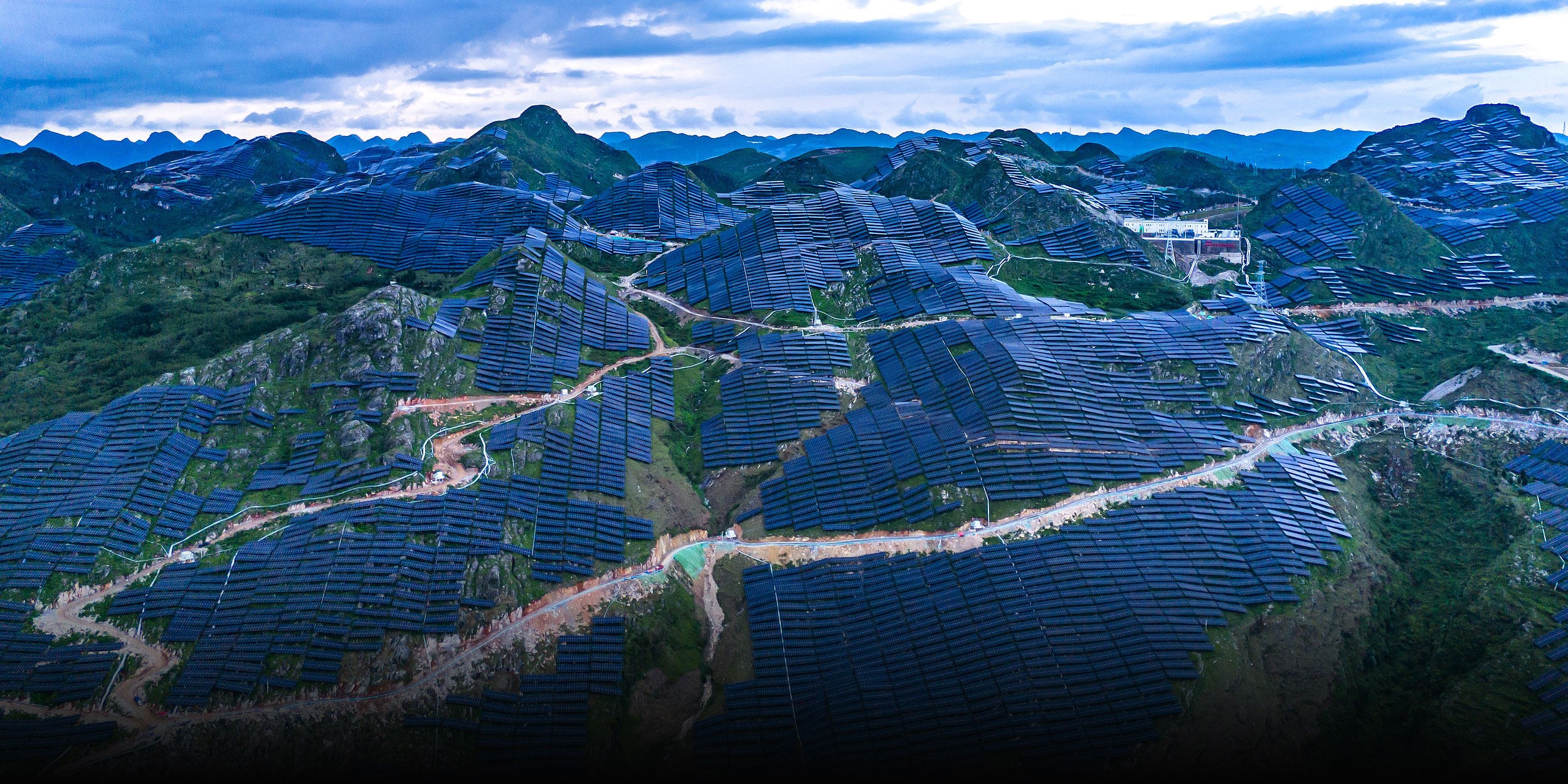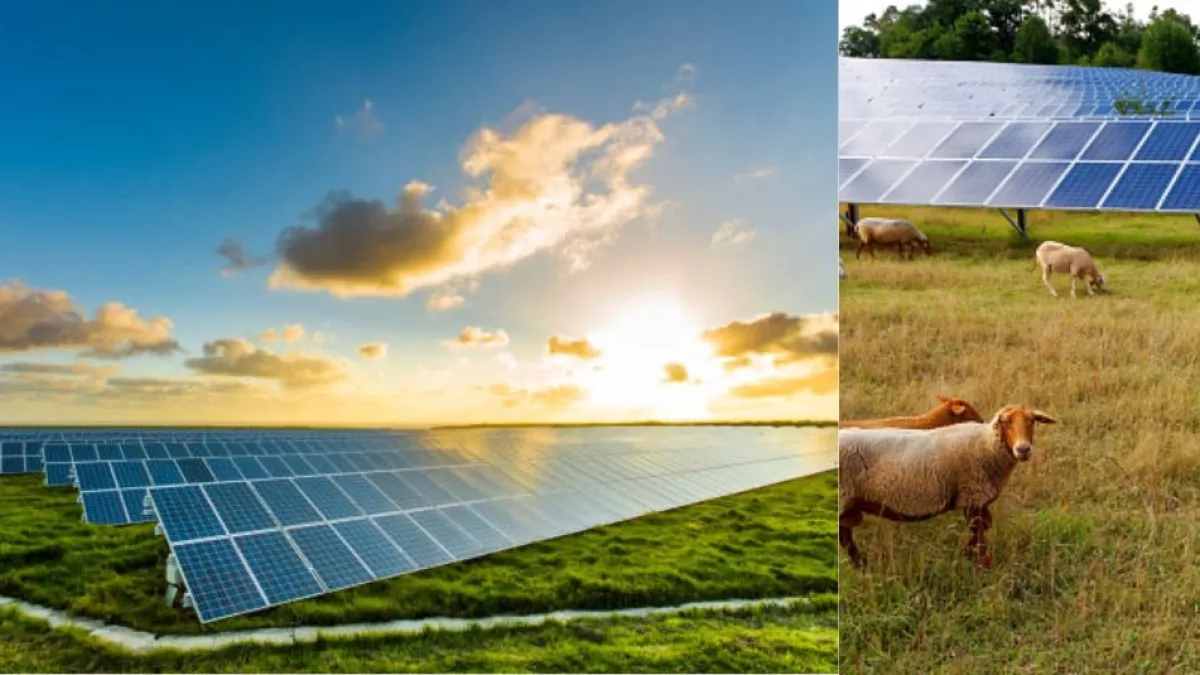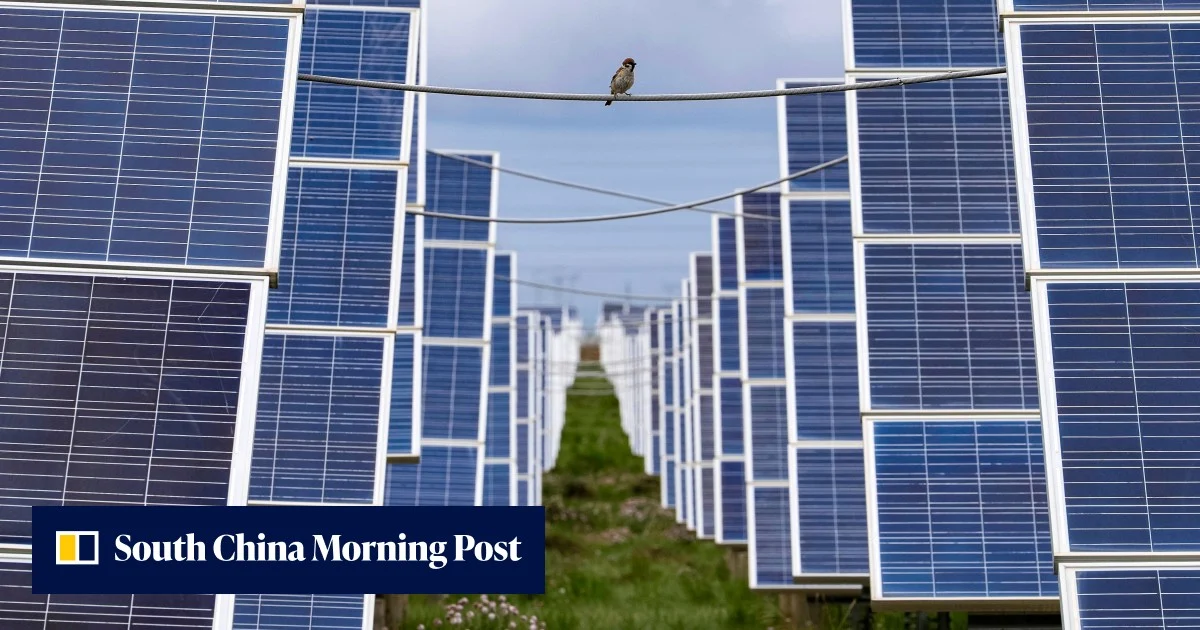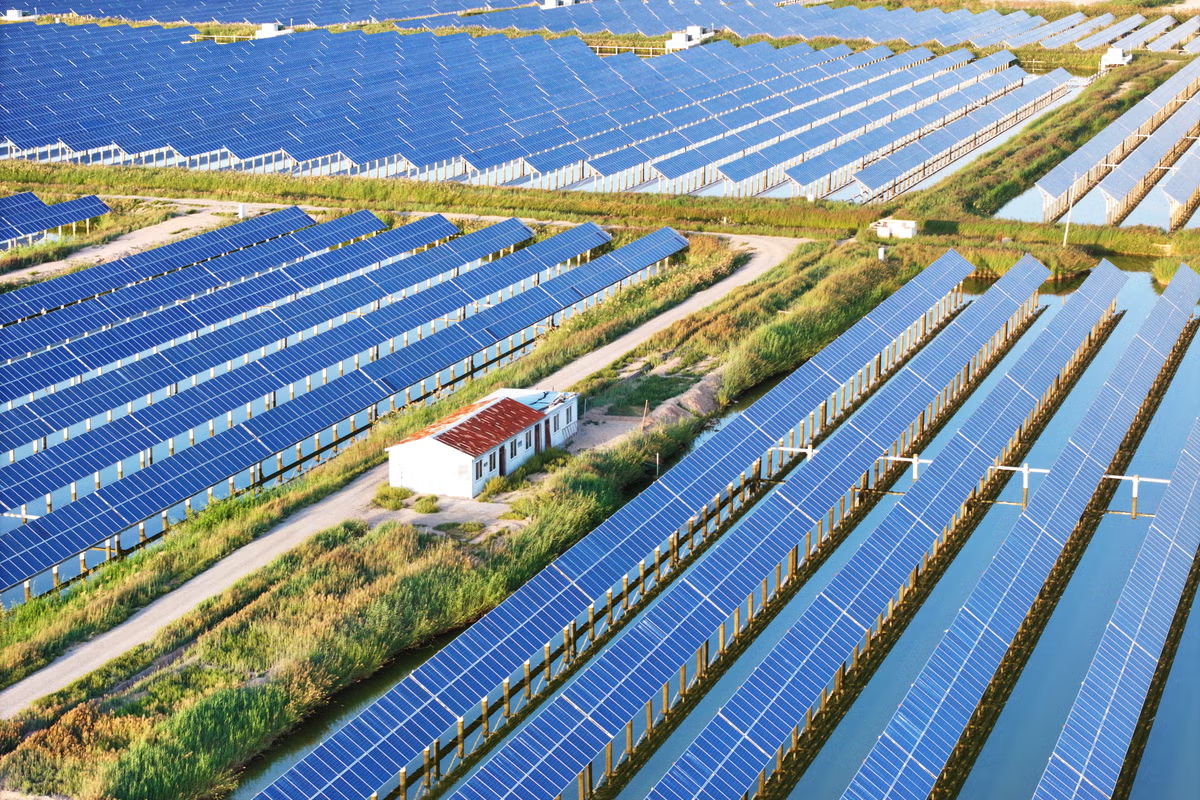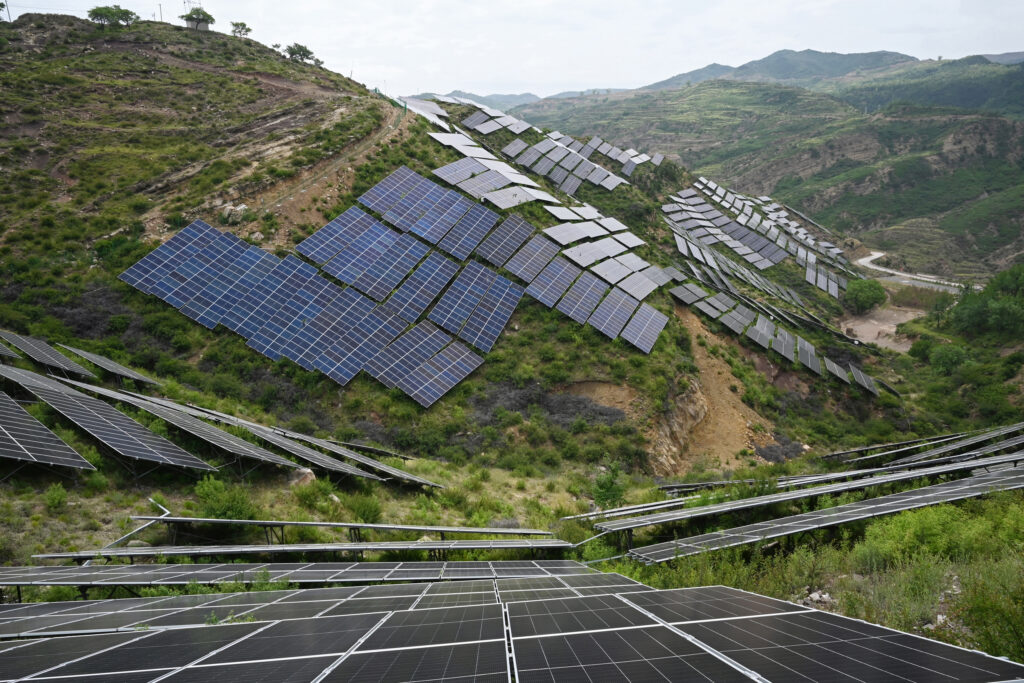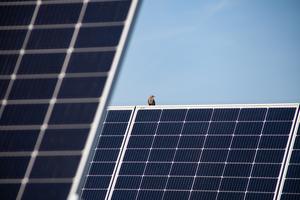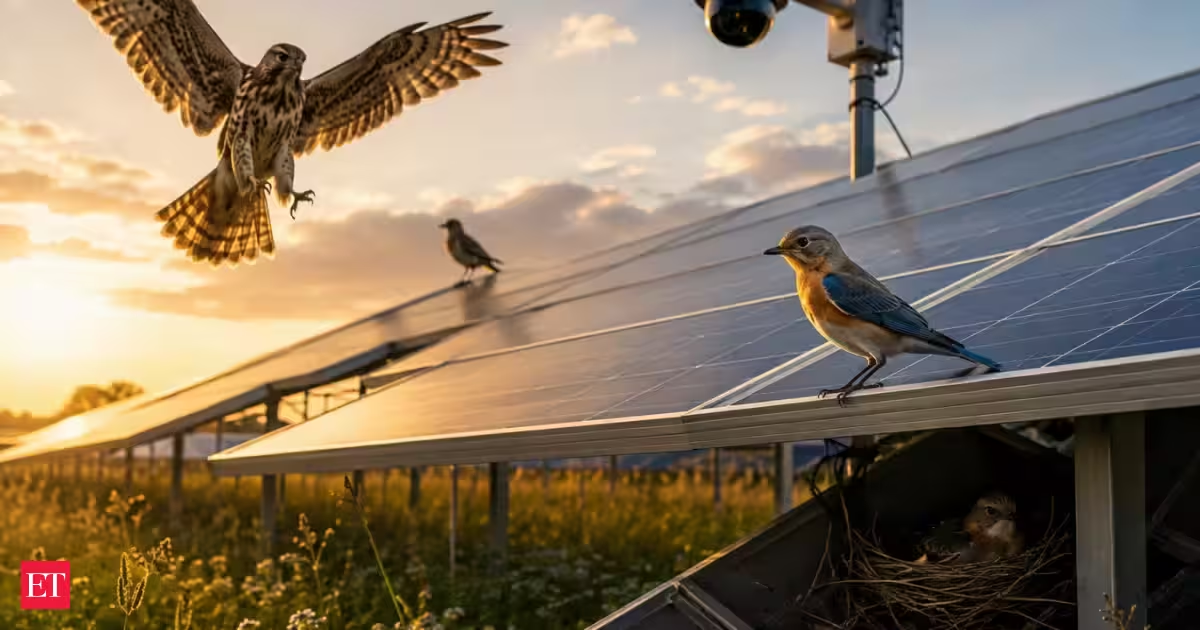
Solar panels are usually seen as machines built to capture sunlight and produce clean energy. But to birds, they can look like something else entirely — elevated perches, sheltered spaces and even potential places to find food.Scientists at Argonne National Laboratory have spent years using artificial intelligence-powered cameras to find out exactly how birds interact with solar installations. After recording more than 19,000 hours of daytime footage across five solar facilities, researchers have begun building one of the most detailed pictures yet of what birds actually do around photovoltaic panels.And one of the most striking findings was what they didn't see.Among the AI-processed observations, researchers confirmed no bird collisions with solar panels. The result is encouraging, although scientists caution that it does not prove collisions never occur. The monitoring covered only certain sites and daytime activity, while the cameras and AI system also have detection limits.The project began partly because early studies at solar facilities in the American Southwest had found dead birds, prompting concerns that birds might be colliding with photovoltaic panels. Subsequent research produced a more complicated picture, with some evidence suggesting that birds may actually use solar facilities as habitat.Argonne's researchers wanted a way to observe those interactions continuously without requiring people to stand at solar sites for hours at a time.Their solution was an AI-assisted camera system capable of scanning enormous amounts of video and identifying birds among insects, moving vegetation, shadows and other objects. The system can classify bird activity into categories including flying over panels, flying through arrays, perching on panels, colliding with panels, perching in the background and landing on the ground.The technology has demonstrated accuracy of up to 95% in identifying bird behaviors.The scale of the resulting dataset is what makes the project particularly interesting. The original study collected more than 17,000 hours of video between 2019 and 2024. An updated 2026 dataset expanded that total to about 19,000 hours across five facilities, with more than 68,000 individual bird detections. The system also recorded nearly 26,000 insects and 169 mammal visits.Researchers then used AI to process a portion of the footage, helping them filter the enormous volume of material before human scientists examined the observations.What they found went beyond simply asking whether birds hit solar panels.Birds were repeatedly seen using the solar infrastructure itself.Songbirds such as eastern bluebirds, finches and doves were among the visitors, while raptors were also observed maneuvering around the arrays. Birds perched on the structures, flew between the panels and landed on the surrounding ground.Researchers also spotted behaviors that the original algorithm was not specifically designed to classify.Some birds appeared to use the undersides of solar panels for nesting, roosting and foraging.That matters because the underside of a solar panel can create a very different microenvironment from the exposed landscape around it. In hot conditions, the panels provide shade. During colder or harsher weather, the structures can provide shelter and potentially retain warmth.The ground underneath the panels may also become attractive to birds looking for food. Shaded soil can lose less moisture through evaporation, potentially creating conditions that support vegetation and insects.The panels themselves can also provide something birds naturally look for when choosing a perch: height and a clear view of their surroundings.In that sense, a solar array can become part of the landscape from a bird's perspective.Instead of simply avoiding the infrastructure, some birds appear to incorporate it into their daily routines.The findings are particularly important as the United States expands solar power. Large-scale solar development requires land, and understanding how wildlife responds to those installations could help scientists and planners design projects that reduce ecological risks while potentially providing additional habitat.But the researchers are careful not to suggest that solar farms are automatically beneficial for birds.The study covered only a limited number of facilities, and bird behavior can vary dramatically depending on species, landscape, season and climate. The monitoring also focused on daytime activity, meaning it cannot fully answer questions about nighttime bird movements or collisions.One long-running concern is the so-called "lake effect" hypothesis — the idea that birds, particularly waterbirds, could mistake reflective solar panels for bodies of water. The researchers found little evidence of this behavior in the processed daytime footage, and waterbirds were rarely observed. But the results do not definitively disprove the hypothesis.The next phase of the project is designed to provide a much broader picture.With an additional $2.1 million in funding from the U.S. Department of Energy's Solar Energy Technologies Office, Argonne researchers are expanding the monitoring system to seven solar facilities across California, Georgia, Massachusetts, Michigan, Texas, Virginia and Wyoming.Those locations span very different environments, from forests and farmland to deserts and urban landscapes.The AI system is also being expanded to recognize a wider range of behaviors automatically.The bigger question is no longer simply whether birds and solar panels can coexist.It is how birds choose to coexist with them.By watching thousands of hours of otherwise impossible-to-monitor activity, scientists are beginning to see solar infrastructure not just as a source of electricity, but as a new feature in the landscape that wildlife can use, avoid or adapt to.And after tens of thousands of bird encounters, one thing has become increasingly clear: for some birds, a solar farm isn't just a field covered in panels. It's a place to perch, hunt, shelter, feed — and sometimes even raise a family.
Scientists taught cameras to watch birds around solar panels; after 19,000 hours of footage, they discovered how the birds were actually using them
Researchers are examining how birds interact with solar panel systems, utilizing AI-enhanced cameras to capture extensive footage of avian behavior. Observations indicate that birds engage in various activities, such as perching, nesting, and foraging within these solar arrays. Notably, the study found no instances of bird collisions with the installations, contributing valuable insights into wildlife adaptation amidst the growth of solar energy.
889 words~4 min read