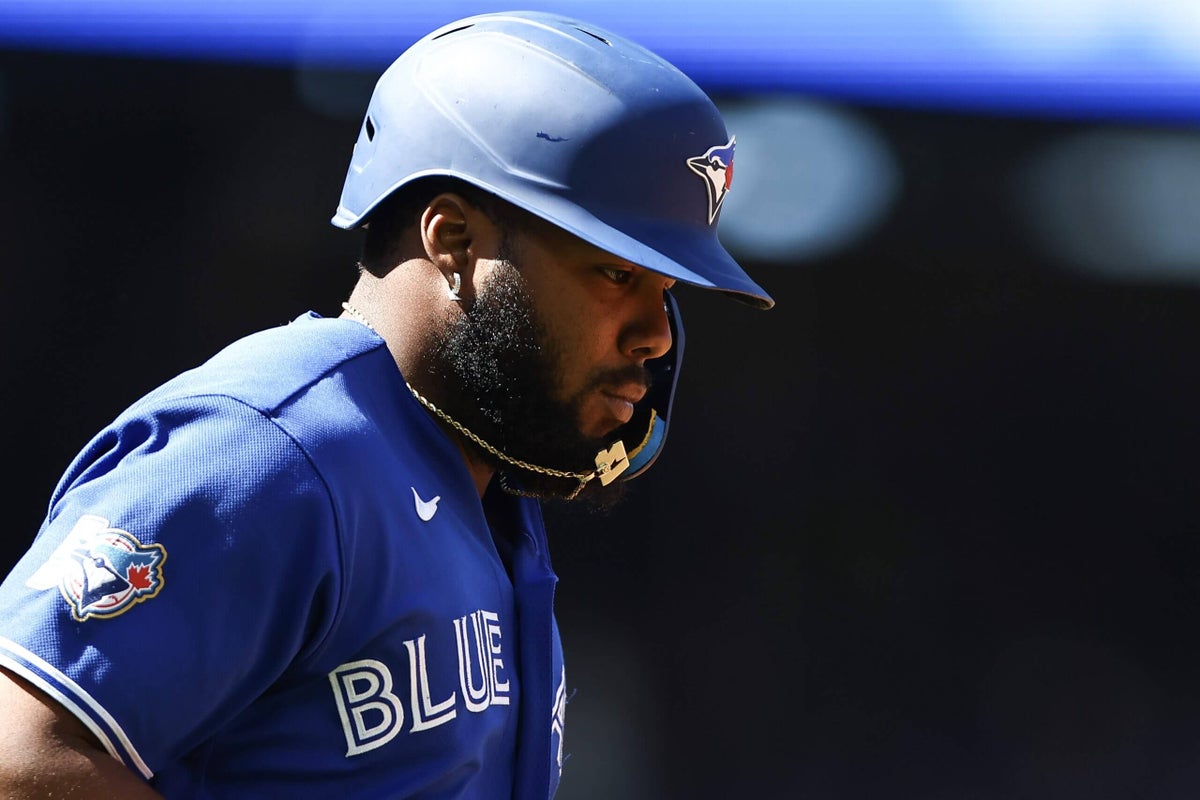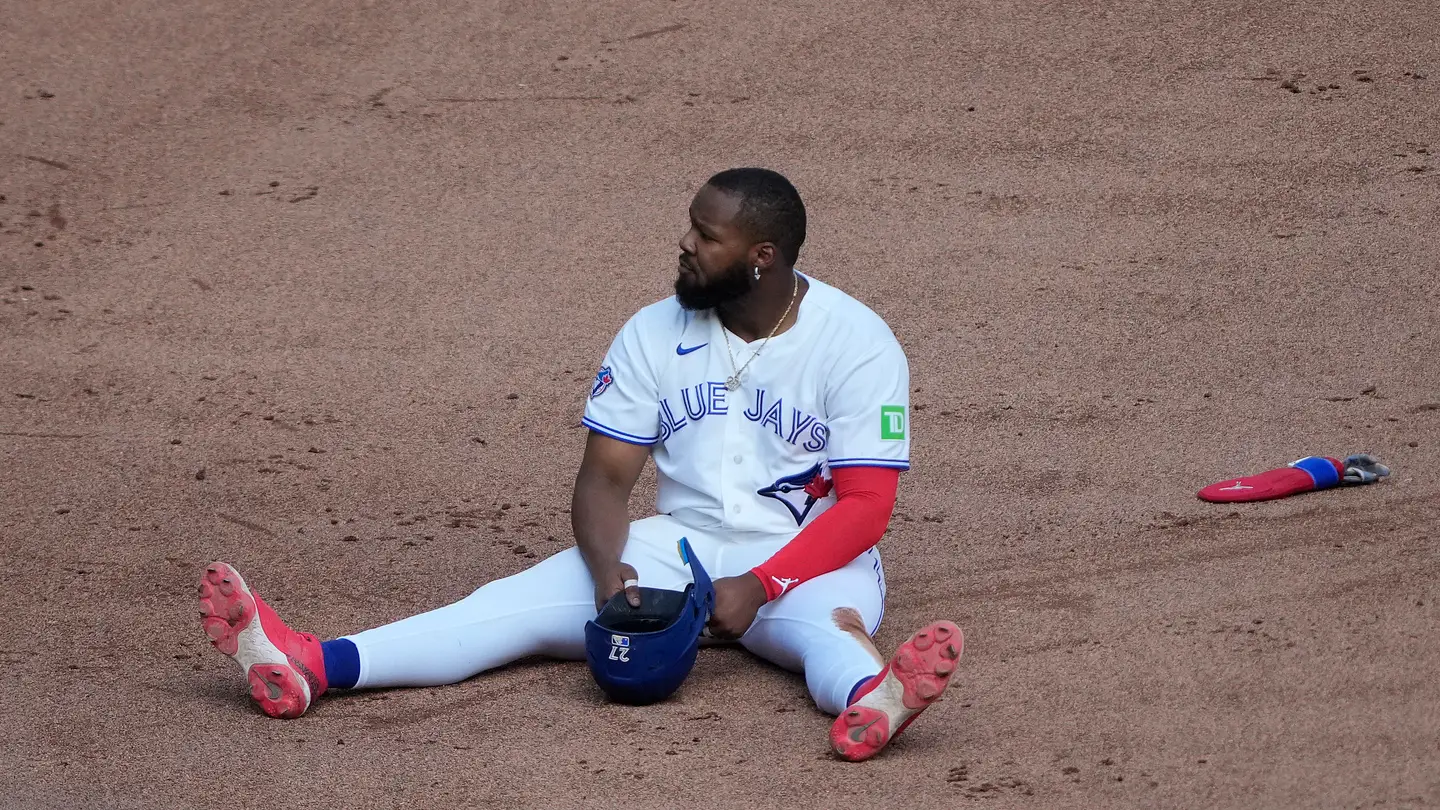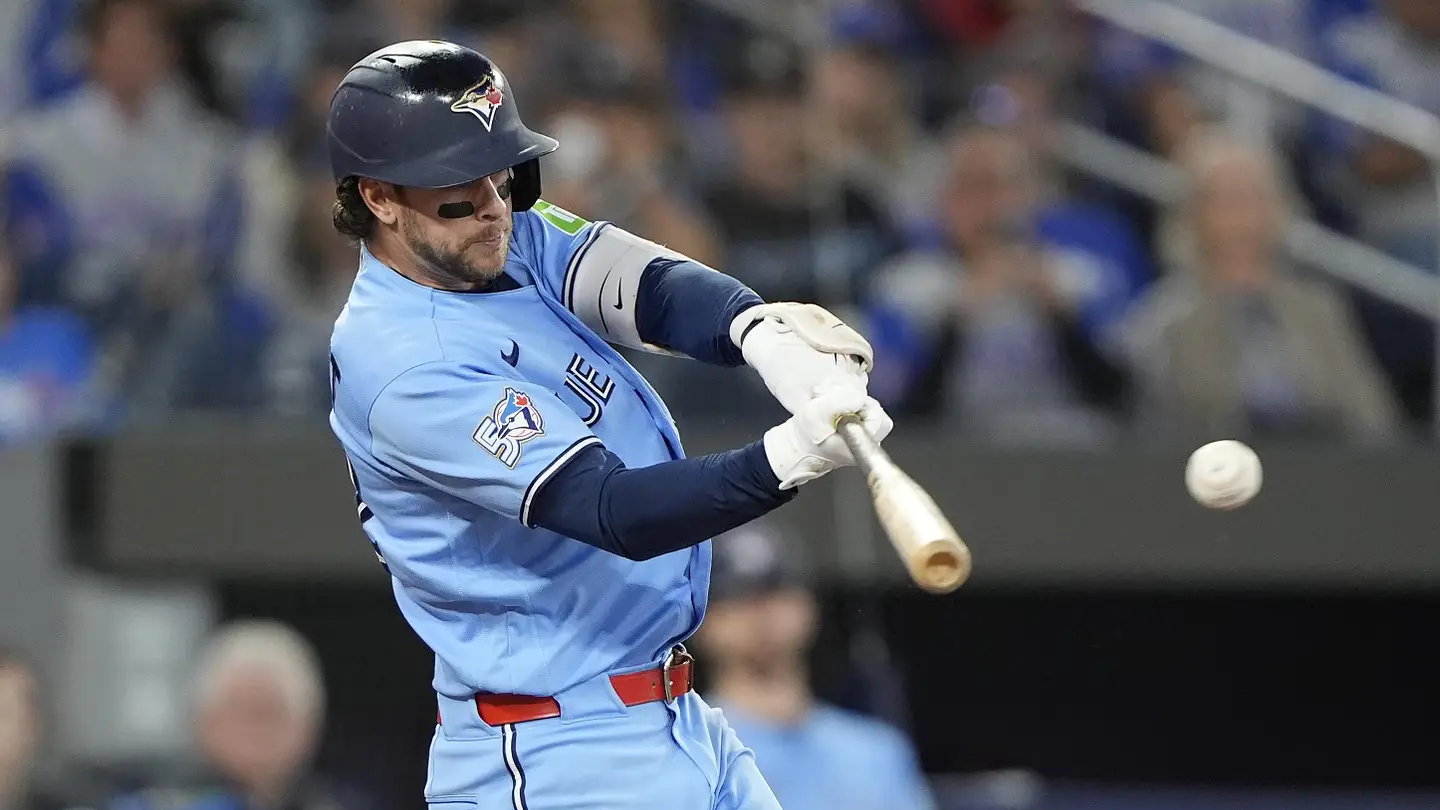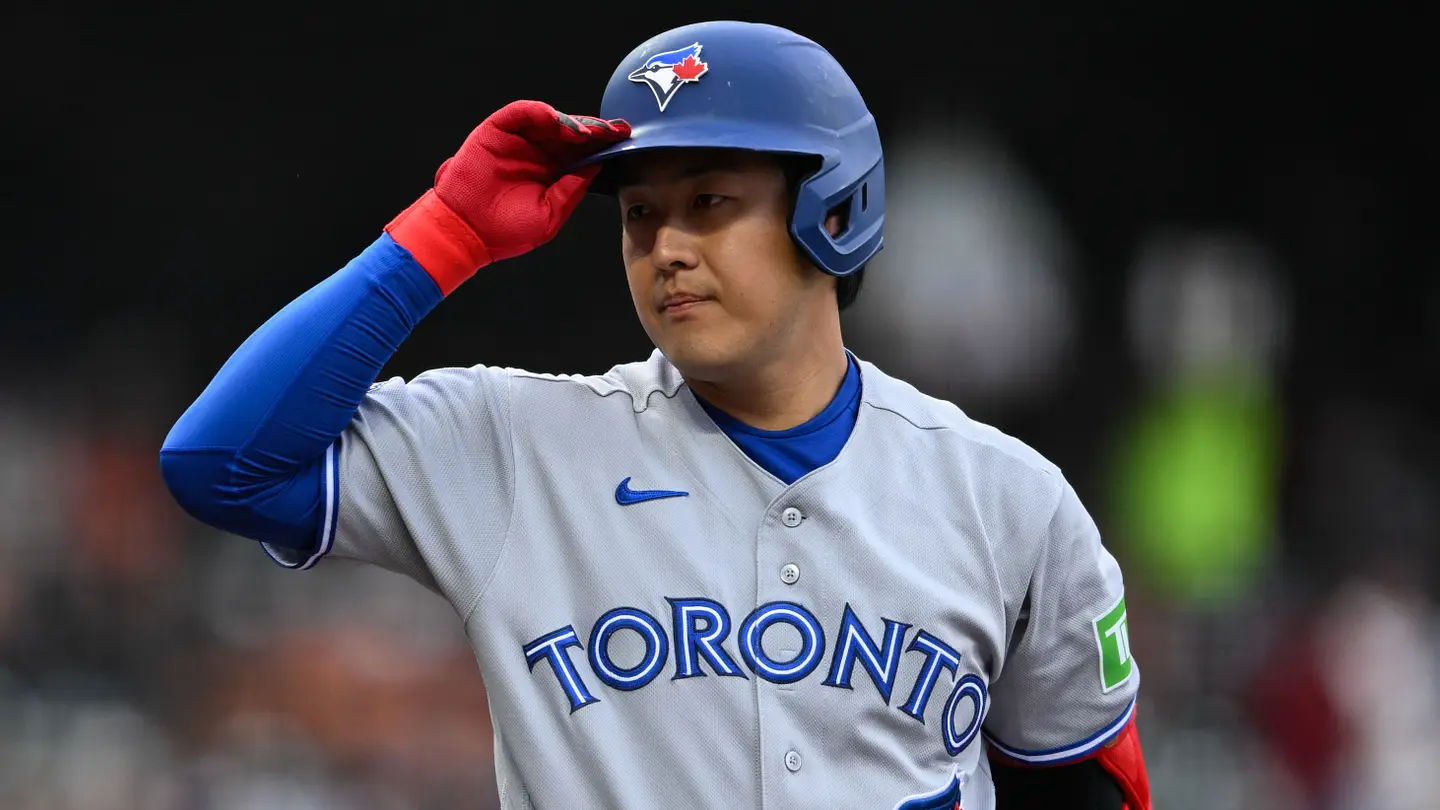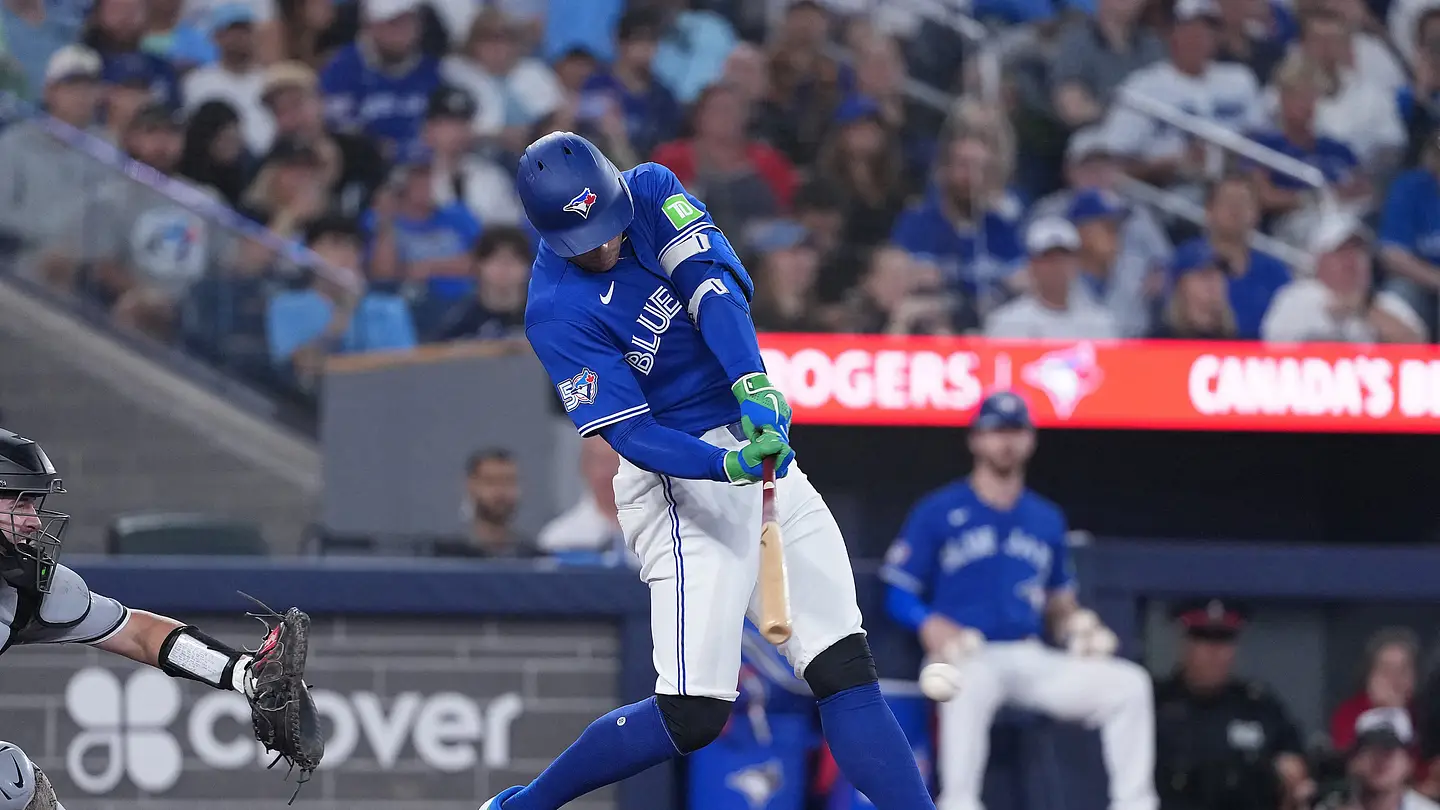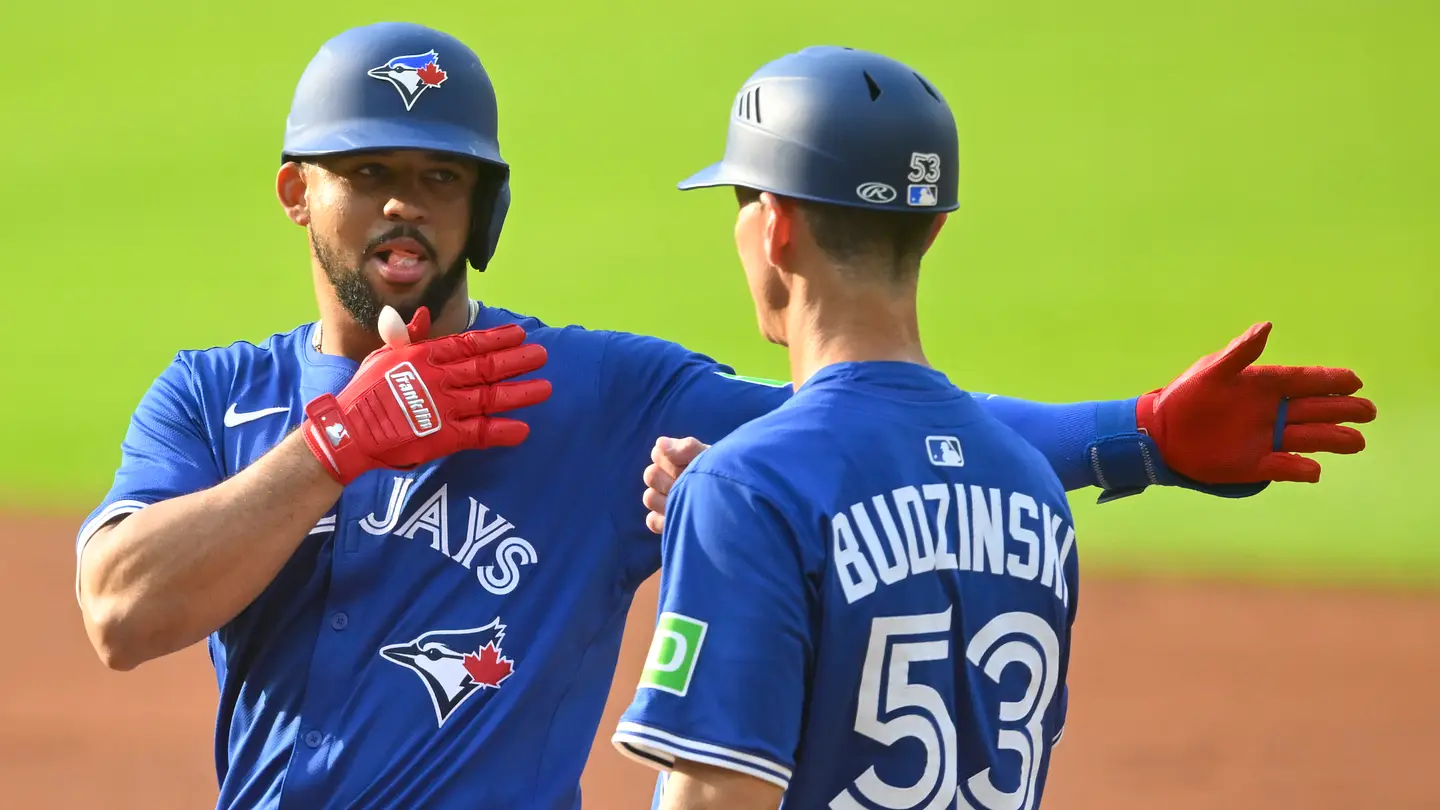
The Toronto Blue Jays’ offense as a whole has been largely disappointing this season, and one reason is how slowly they tend to start games. A recent post from Codify Baseball noted that Toronto has scored just 51 first-inning runs, the fewest in MLB.Interestingly, Toronto does show signs of becoming more productive later in games. Its OPS sits at .688 in the first inning and plummets to .560 in the second before climbing to .727 in the eighth. Nobody is mistaking this group for Murderers’ Row either way, but there is a noticeable difference between its early and late game output. However, Toronto’s first-inning OPS is not poor enough on its own to explain why the offense struggles so much early in games. A deeper look shows a team that has struggled to generate serious power, particularly with runners in scoring position.The Bats Lack Serious Pop Brett Bateman hits a single against the New York Yankees Credit: John Jones-Imagn Images | IMAGN IMAGES via Reuters ConnectContact cannot exactly be called a weakness for Toronto. Through Saturday, the Blue Jays rank 13th in MLB with a .246 batting average, putting them comfortably in the upper half of the league. The issues start to crop up when you see how much damage the team does with that contact. Among the top 20 teams in batting average, Toronto is tied with St. Louis for the lowest slugging percentage and owns the worst OPS.That lack of power becomes more noticeable when Toronto has runners in scoring position. The Blue Jays are slugging just .375 in those situations, compared with the American League average of .395. The numbers dip even further with two outs, when Toronto owns a .330 slugging percentage overall and just a .308 mark with runners in scoring position.Now that the numbers are established, it is time to put some names and faces to them. Vladimir Guerrero Jr. has been a mainstay near the top of Toronto’s order, particularly in the No. 3 spot. He has not produced like a hitter expected to anchor the middle of a lineup, posting just a .713 OPS there and a woeful .588 mark in the first inning according to Statcast. George Springer has done most of his work out of the leadoff spot, where he has been fairly mediocre with a .681 OPS. His first-inning production has not been much better, sitting at .694. To his credit, Springer has been far more productive when hitting fourth, posting an .857 OPS from that spot.Nathan Lukes has spent the most time batting second, posting a .665 OPS from that spot. He is one of the rare hitters near the top of Toronto’s order who has actually performed better in the opening frame, recording a .755 first-inning OPS.Finally, Brett Bateman deserves some flowers for emerging as a revelation atop Toronto’s lineup. In limited opportunities, he owns an .805 OPS as a leadoff hitter, although that success has not carried into the opening frame, where his OPS drops to .626.So, to answer the question in the title, Toronto’s first-inning struggles appear to stem from a combination of limited power, poor situational hitting and underperformance from the top of the order. The Blue Jays can still experiment with the lineup in search of more early offense, but with only a few weeks remaining in the regular season, there is not much time left to break the habit.Add us as a preferred source on GoogleFollow
Why Can't The Toronto Blue Jays Generate Early Offense?
The Toronto Blue Jays’ offense as a whole has been largely disappointing this season, and one reason is how slowly they tend to start games.
574 words~3 min read