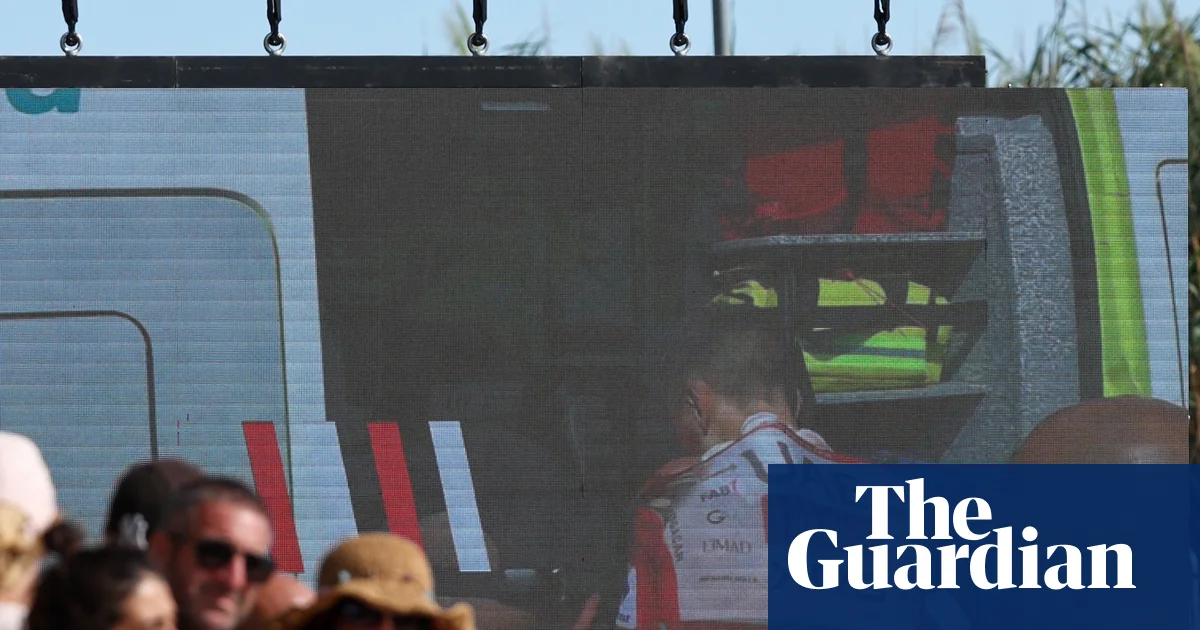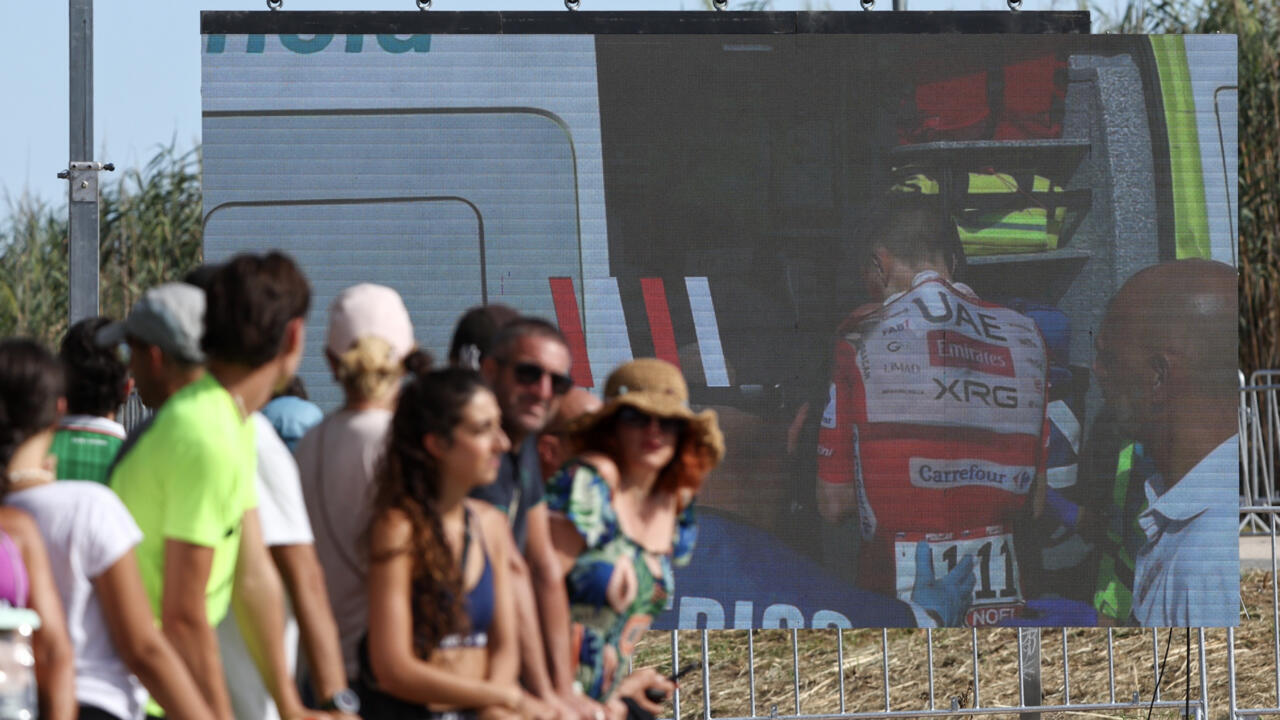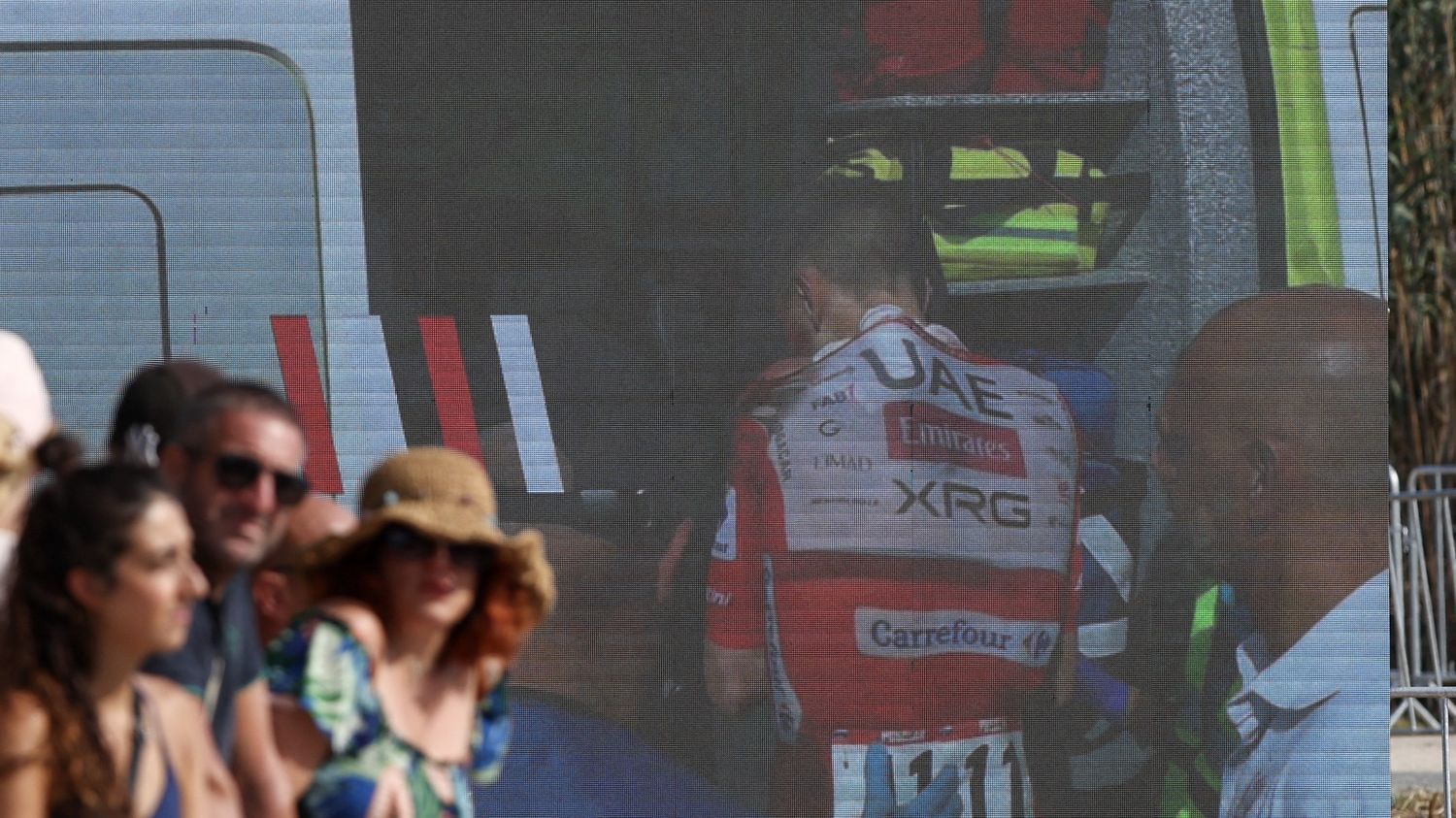
“There are bloodstains on the road, just there. Where you are now.”It’s two hours since Tadej Pogačar crashed out of the Vuelta a España, suffering a collarbone and neck fracture, as well as a concussion and multiple abrasions, and the search is on.A local neighbor of Simat de la Valldinga, a charming, medieval village of 3,300 inhabitants mostly known for its 13th-century monastery rather than its sporting history — it hosted the Vuelta for the first time on stage eight — is directing a slow but regular stream of visitors to the spot that upended the dominant race leader and reigning world champion.It’s on the CV-675, a wide stretch of road with excellent tarmac, just metres from a gas station, and almost immediately after the stage’s intermediate sprint. A huge, intimidating-looking-but-actually-placid St. Bernard dog is kept back from the now infamous spot by a fence, guarding its owner’s lemon and orange trees.The Athletic, along with a few locals who are conversing in the regional Valencian language, are looking for the item that appears to have provoked Pogačar’s fall, either by him hitting it directly or swerving to avoid it.The innocuous scene of Pogačar’s crash, a few hours later (Chris Marshall-Bell/The Athletic)It was mostly round and dark colored, that we agree on, but was it a rock, a piece of plastic or something else? The Athletic picks up a heavily-chewed and discarded dog ball that has landed three metres to the side of the road and since been engulfed by the shrubs, but we eventually determine this isn’t the offending item.Then another neighbor, whose house overlooks the scene of the crash, comes out to inform us that the probe began almost as soon as Pogačar was whisked away in an ambulance to the nearest hospital in Gandía, before being transferred later on to Barcelona hospital for surgery.
Tadej Pogacar’s ability to avoid serious injury was almost unprecedented – then came his crash at the Vuelta
The five-time Tour de France winner suffered several fractures and injuries after falling on stage eight of the Vuelta a Espana on Saturday
2,416 words~11 min read