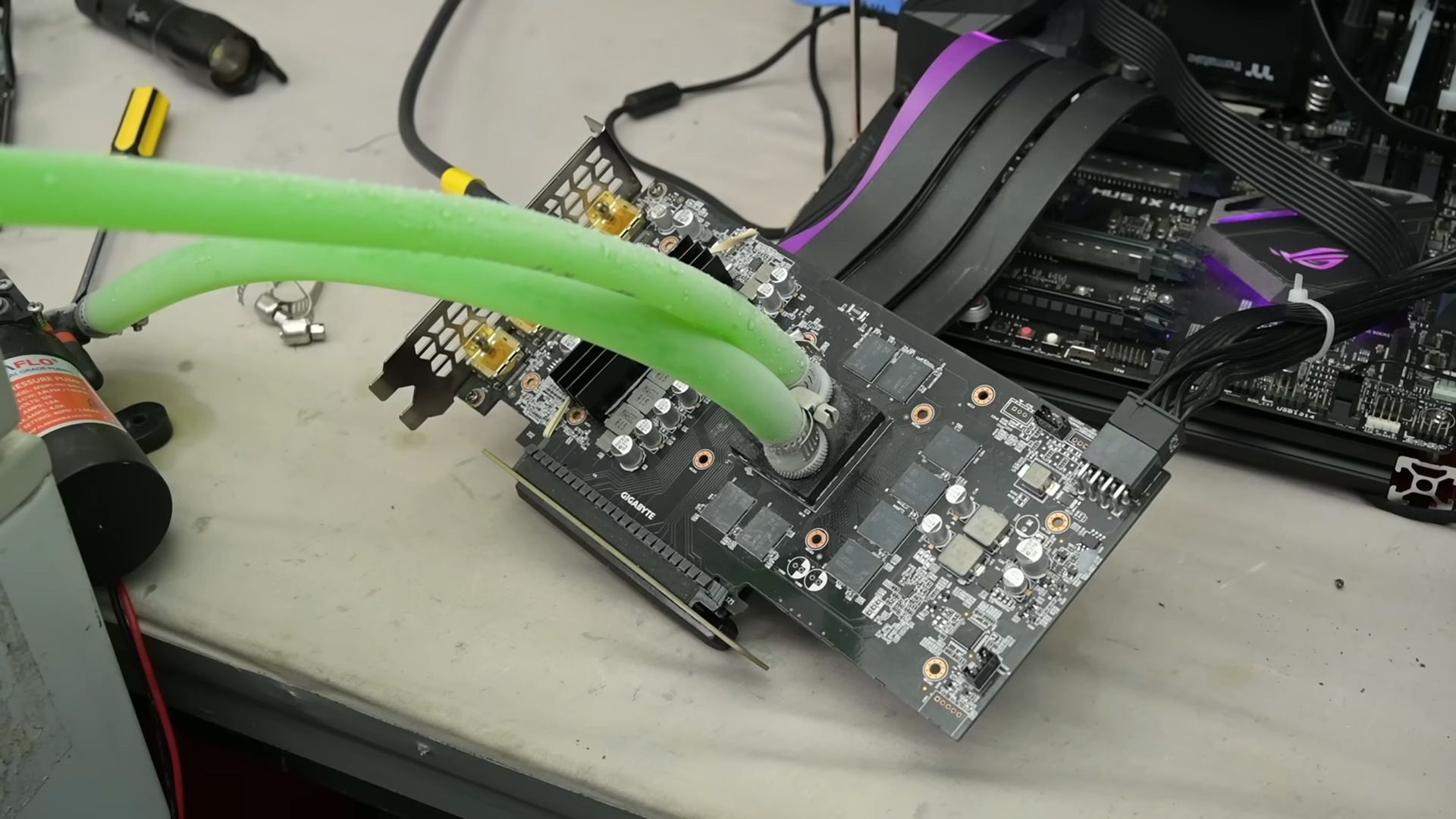
(Image credit: u/nicknickmeetnick on Reddit)
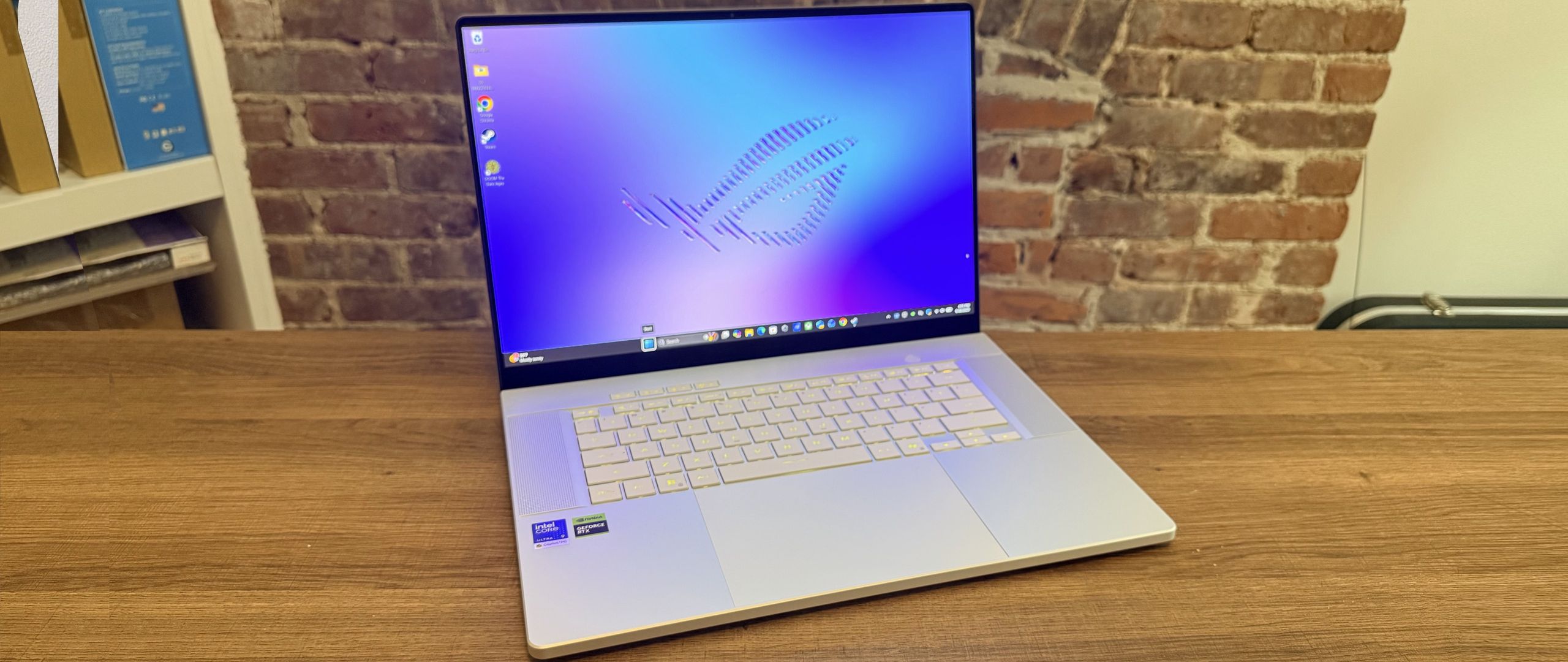
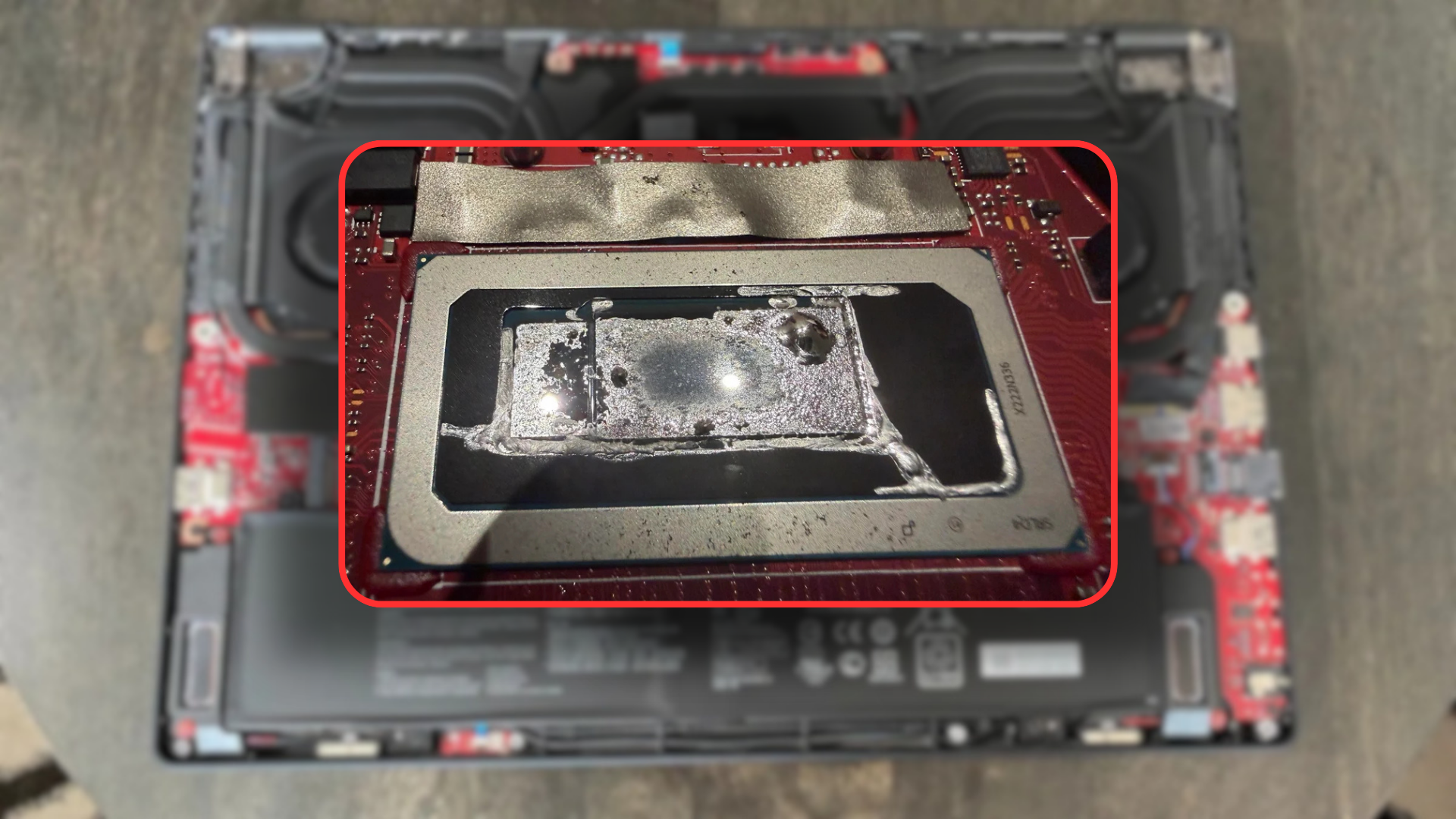
Asus has been putting liquid metal on mobile dies used in its laptops for a few years at this point. Liquid metal as a TIM has its place, but it's a highly inconsistent solution to a problem that can be solved by other materials. Such was the case with u/nicknickmeetnick, whose Zephyrus M16 gaming laptop was overheating and restarting on its own. Turns out, the instability came from an issue born from the factory — the liquid metal applied on the CPU had slowly eaten away at the heatsink and almost reached the silicon itself.Liquid Metal should be forbidden! The only good about it is the corrosion it causes makes the new thermal paste more efficient being closer to the core. from r/ZephyrusM16The post above explains the ordeal in detail and how the user ultimately fixed their problems. The laptop in question is a Zephyrus M16 model from 2022 with an Intel Core i9-12900H processor that was bought just over three years ago. During this period, the laptop was mostly used for lightweight tasks instead of gaming or anything that'd stress it. However, as of late, Nick started to run into various issues where his laptop would overheat and thermal throttle to the point of hard-crashing. Before it'd crash, performance in games would already be degraded.Nick felt his machine was getting warmer than usual, so he ordered some PTM7950 phase change material to repaste the aging hardware. He was ready to use GD900 thermal paste, but upon opening the laptop, he discovered something shocking. The liquid metal on the CPU was so poorly applied that the overheating processor made some of the liquid metal burn onto the heatsink. Underneath, there's only a thin lid that protects the silicon, and Asus applies liquid metal on top of that as well. The metal here had also spilled out of its dedicated cavity.We don't need to tell you why that would be a devastating and instantaneous catastrophe. Liquid metal is electrically conductive, which means if it comes into contact with surrounding componentry, it can create microbridges that will short anything in the way. Asus, however, seems to be mixing some abrasive chemicals into the liquid metal to make it more adhesive, such that it sticks to the die better. Unfortunately, these chemicals eat away at the metal over time and cause corrosion.