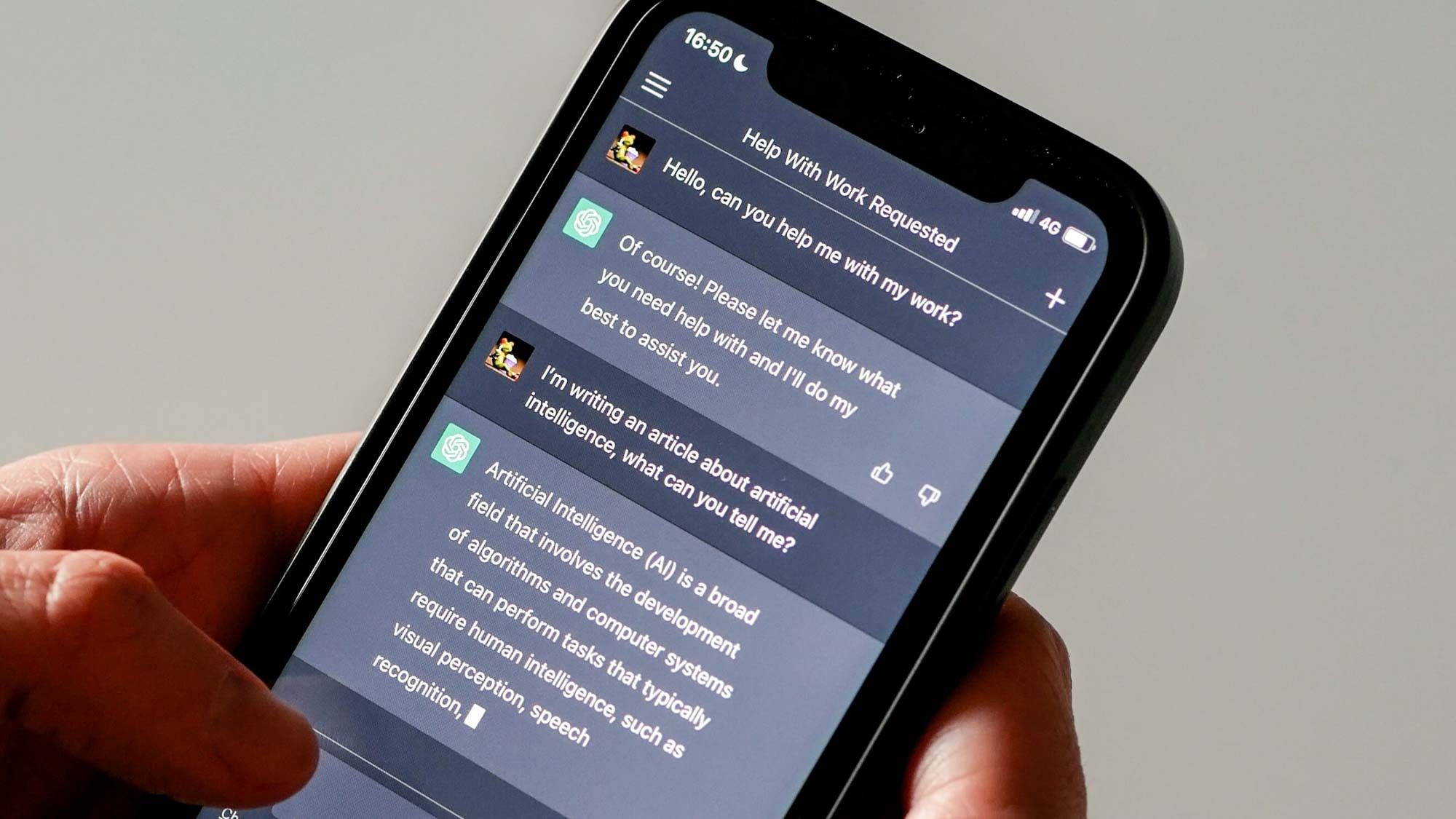
One of Germany’s leading news outlets, Der Spiegel, recently ran into trouble when they accidentally published a ChatGPT note beneath a major scoop:„If you like, I can adjust the tone and level of detail (e.g., a more sober news style vs. more magazine-like) or highlight the specific changes for you compared with the original.“ Oops.
The outcry was immediate. Many readers argued that using ChatGPT has nothing to do with quality journalism. It felt like cheating, a violation of the deal they thought they had with the publication.
What struck me was not the anger, but how selectively we deploy it. Inside companies, AI adoption is celebrated as heroism. Outside, in identity-bearing work like writing, it triggers disgust.
The way we either judge or value the use of AI differs depending on the underlying social contract. In companies, the contract is straightforward: „I can produce.“ You are there to ship output. The more, the better. Sales decks, code, emails, reports. If AI helps you do this faster, you are a hero. Some firms now track AI usage across departments, publish leaderboards, and score employees in performance reviews based on whether their AI adoption is poor, acceptable, or transformative. Entire careers are being tied to how well you work with AI models.