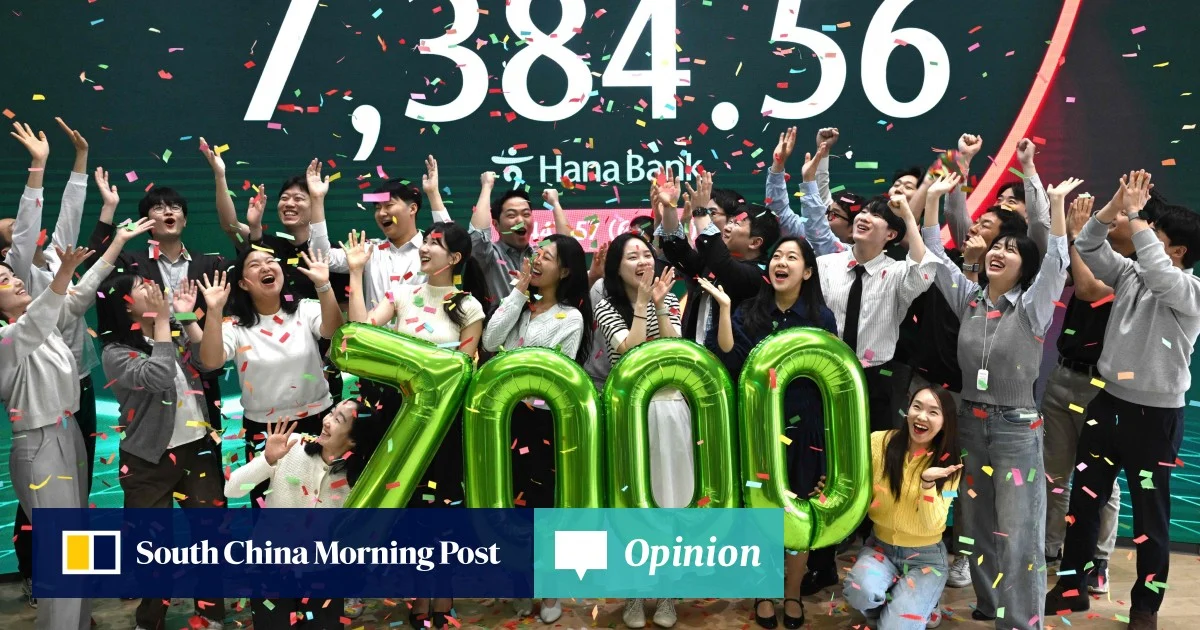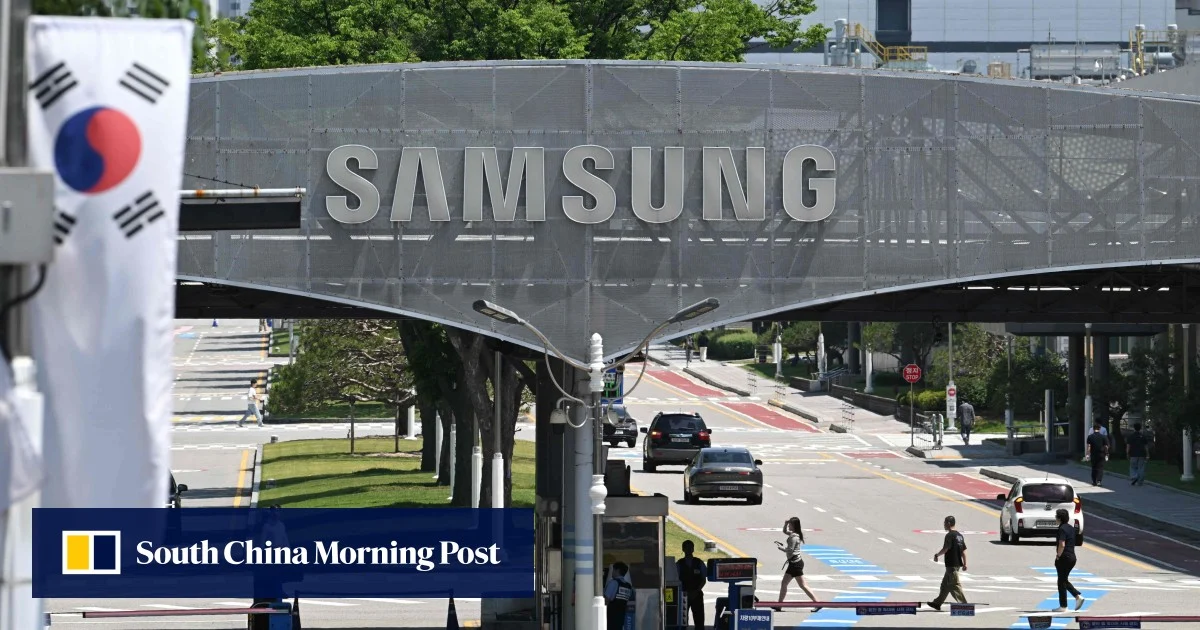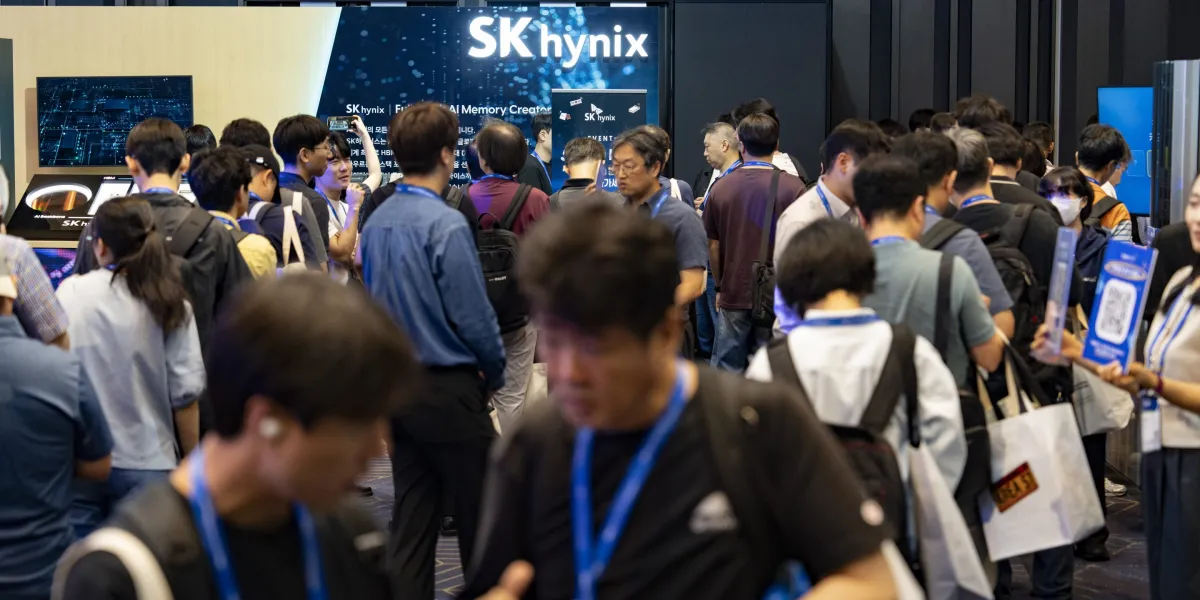
South Korea is one of the biggest winners of the AI boom. It’s home to Samsung Electronics and SK Hynix, the two largest manufacturers of memory chips. Chip workers are flashing bonuses of around $400,000. The KOSPI, Korea’s benchmark index, is up almost 60% for the year so far.
Yet a report from Goldman Sachs suggests that all that wealth might not make it to ordinary households.
Even as demand for chips has sent Korean exports and factory investment surging, retail sales are still close to whether they were in 2019. Goldman calls it a “K-shaped cycle” where corporate balance sheets thrive while private consumption remains soft.
Goldman’s economists have an explanation: South Korea is getting too old, too quickly.
The East Asian country has one of the world’s lowest fertility rates, reporting 0.8 births per woman last year, far below the 2.1 rate to keep population levels relatively stable. (The U.S., by comparison, reported 1.6 births per woman). Twenty percent of Korea’s population is now over the age of 65.