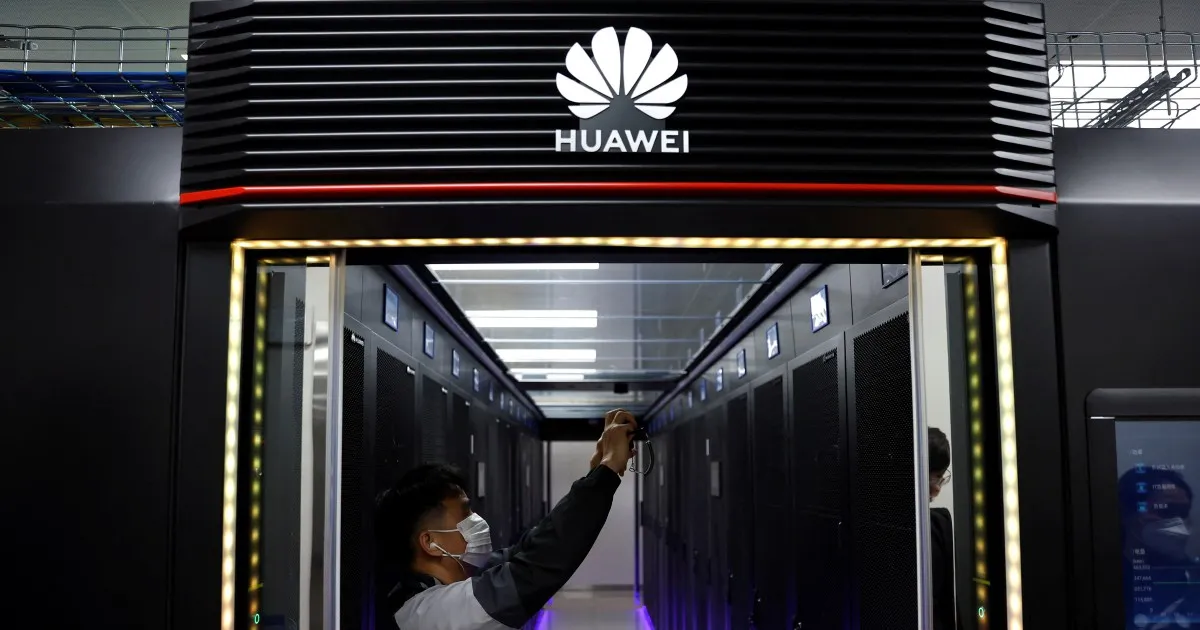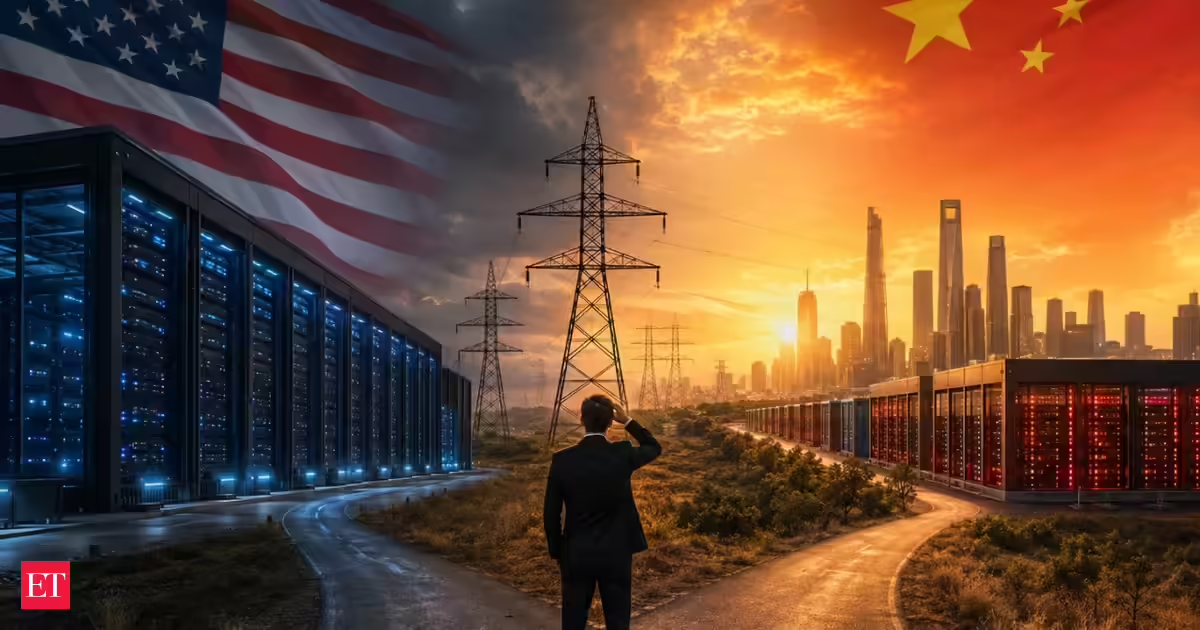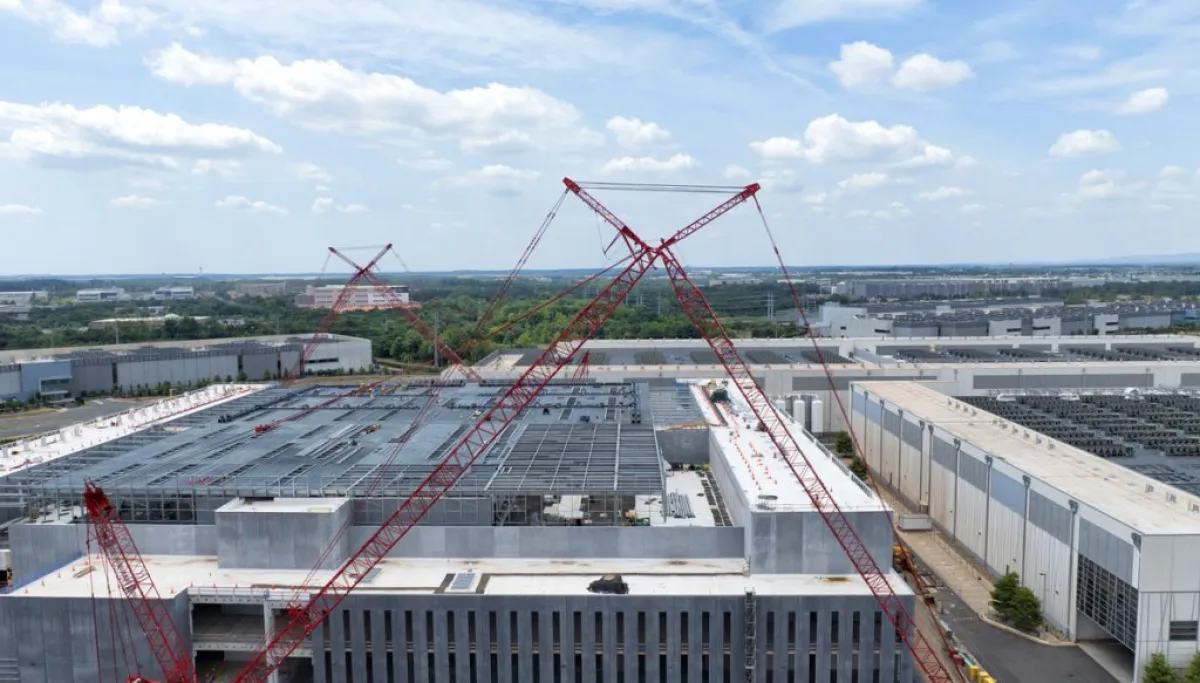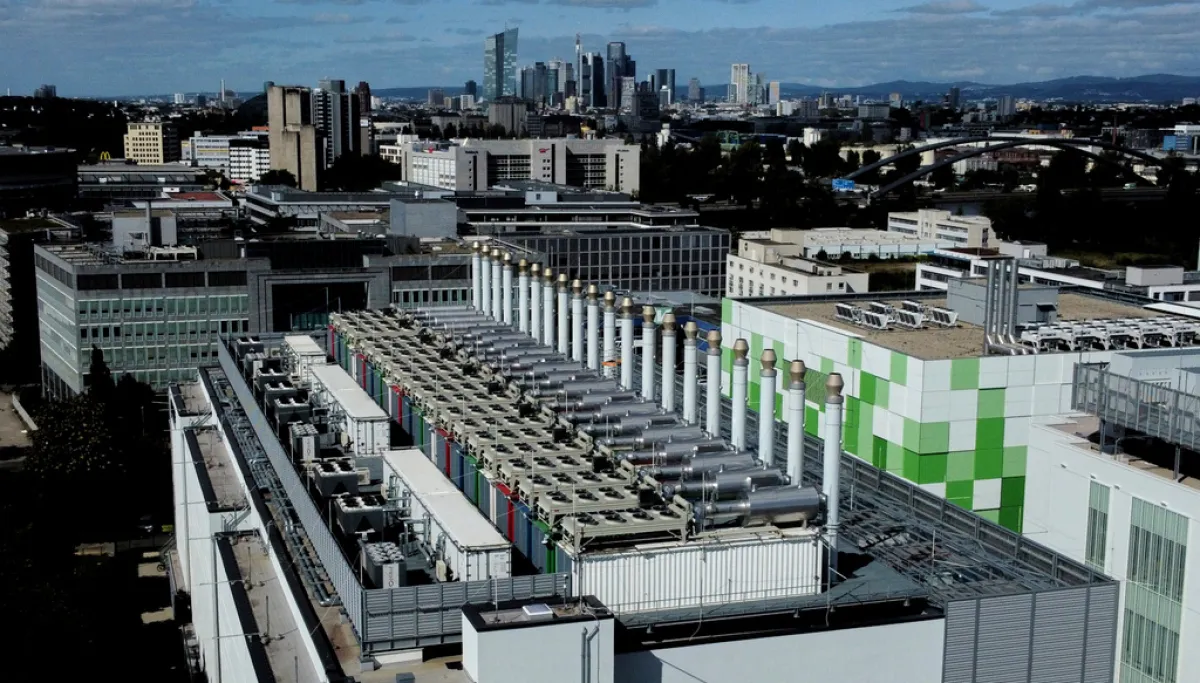
In early 2022, China launched the Eastern Data and Western Compute initiative, a cornerstone of President Xi Jinping’s long-standing ambition to establish Chinese dominance in artificial intelligence. The logic behind the EDWC is simple: AI relies on data centers, and data centers require massive amounts of power. While China’s population — and therefore most of its AI users — is concentrated in the east, the western provinces boast abundant energy resources and cooler climates that reduce cooling demands. Relocating computing facilities westward is a highly rational strategy for building power-reliant data centers in regions where electricity is easiest to generate.To claim global AI leadership, however, Beijing must first unseat the reigning champion: the United States. Unfortunately, the American public remains largely oblivious to what military historian Niall Ferguson has dubbed “the most dangerous arms race in history.” The profound national security implications are too often ignored. Indeed, the war in Ukraine provides a real-world case study of AI’s centrality to modern defense. Kyiv’s ability to hold its own against a vastly larger Russian military is, fundamentally, an AI-driven achievement.Rather than focusing on national security, the U.S. debate over data center infrastructure often devolves into debates about potential spikes in consumer electricity bills. While our primary adversary mobilizes its energy grid to secure an AI advantage, we risk conceding defeat by treating victory as too expensive. The irony is that this anti-data center backlash, curiously enough, is unique, among democracies, to the U.S. and is not actually grounded in real data.
Energy, infrastructure, and America’s hidden arms race with China
Data centers can lower electricity costs while strengthening America’s artificial intelligence competitiveness.
879 words~4 min read