Introduction
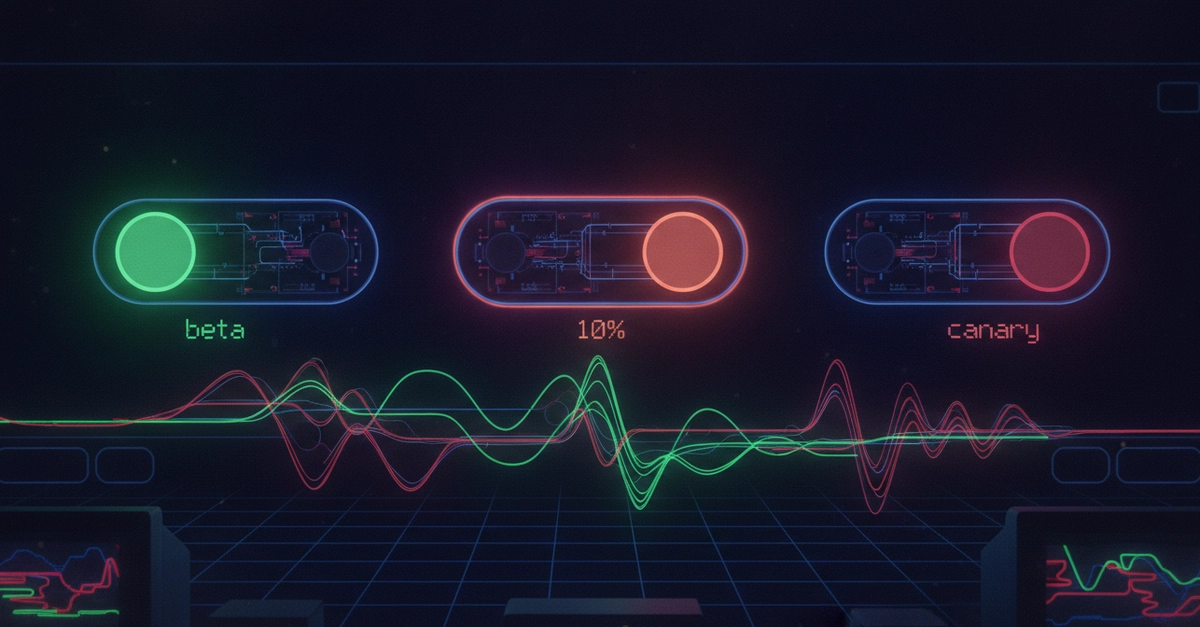
Feature flags start simple. You add an if (featureEnabled) check, wrap a new code path, and ship with confidence. You can turn it off if something goes wrong. Easy.
Then, six months later, your codebase has 200 flags. Nobody knows which ones are still active. A junior engineer deletes a flag that turned out to be load-bearing. A customer-facing bug exists because two flags interact in a way nobody anticipated. Your QA team has given up trying to test every combination.
Feature flags are one of the most powerful tools in modern software delivery — and one of the most commonly mismanaged. This post is about doing them right, from day one.
What Feature Flags Actually Are