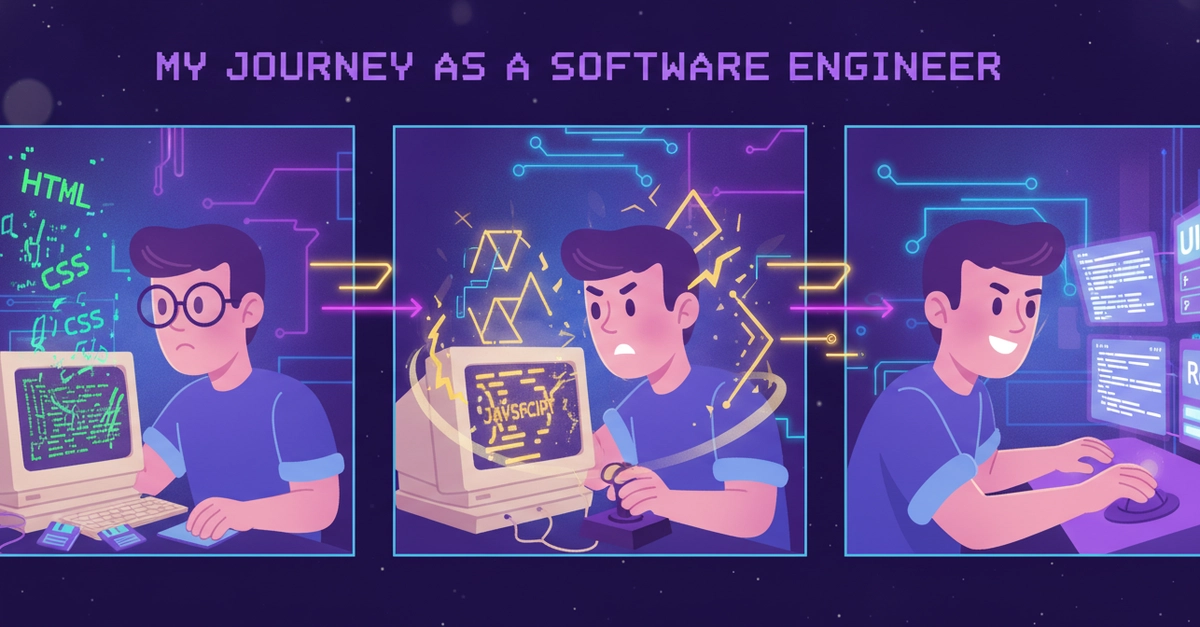
I still remember the first time I opened a .html file in a code editor and had no idea what half the tags meant. Div this, span that, css not loading, half the layout breaking on refresh — bro, it was humbling. I am not from a fancy CS background where everything comes naturally. I learned CSS the hard way, one broken layout at a time, and then pushed into Java because everyone kept saying "backend samjhna hai toh Java karo."
Months of tutorials, months of small toy projects that nobody would ever use — a to-do list here, a calculator there. Good for practice, but honestly, they never felt real. There is a difference between writing code that runs on your laptop and writing code that a real customer sees, on a real website, while they're deciding whether to buy something or not.
So when I got the chance to build something for an actual live e-commerce store, I did not want to build just another form or button. I wanted to build something a customer would actually notice and actually find useful.
The Problem I Wanted to Solve
Anyone who has shopped online knows this moment — you're about to buy something, and then that one question pops up in your head: "Yeh mujhe kab tak milega?" Most sites make you dig through a shipping policy page to find out, or you just don't know until checkout. I wanted to remove that friction completely. I wanted the customer to land on a product page and immediately know — without clicking anywhere — roughly when their order would arrive.