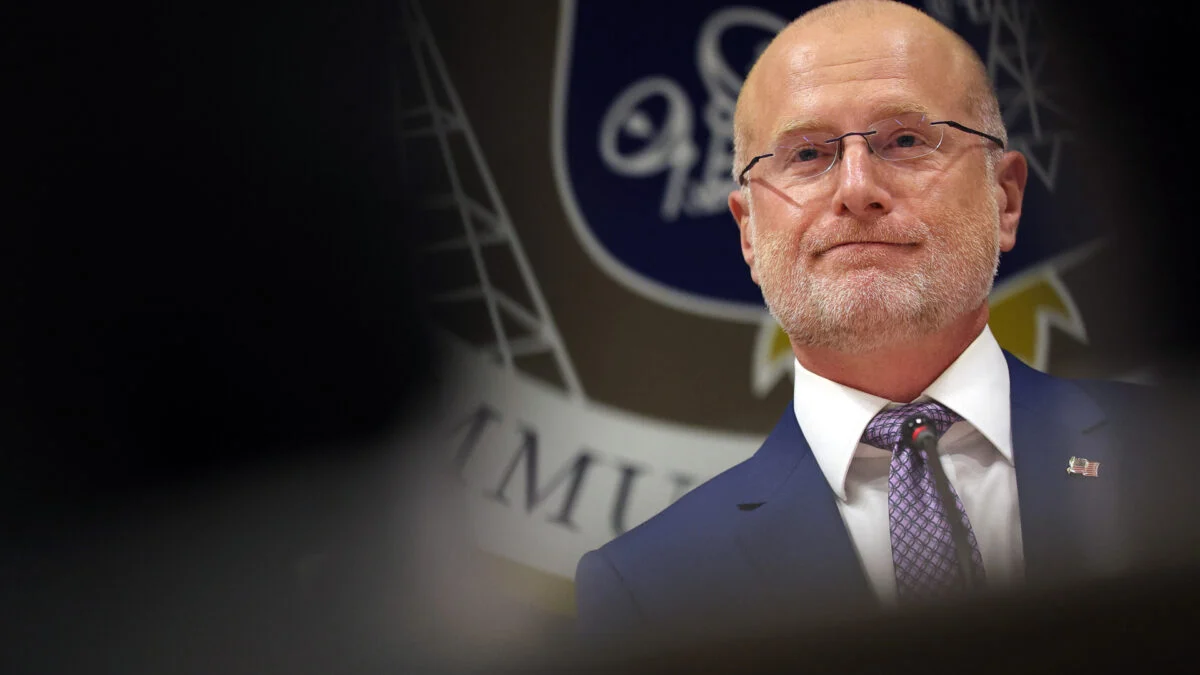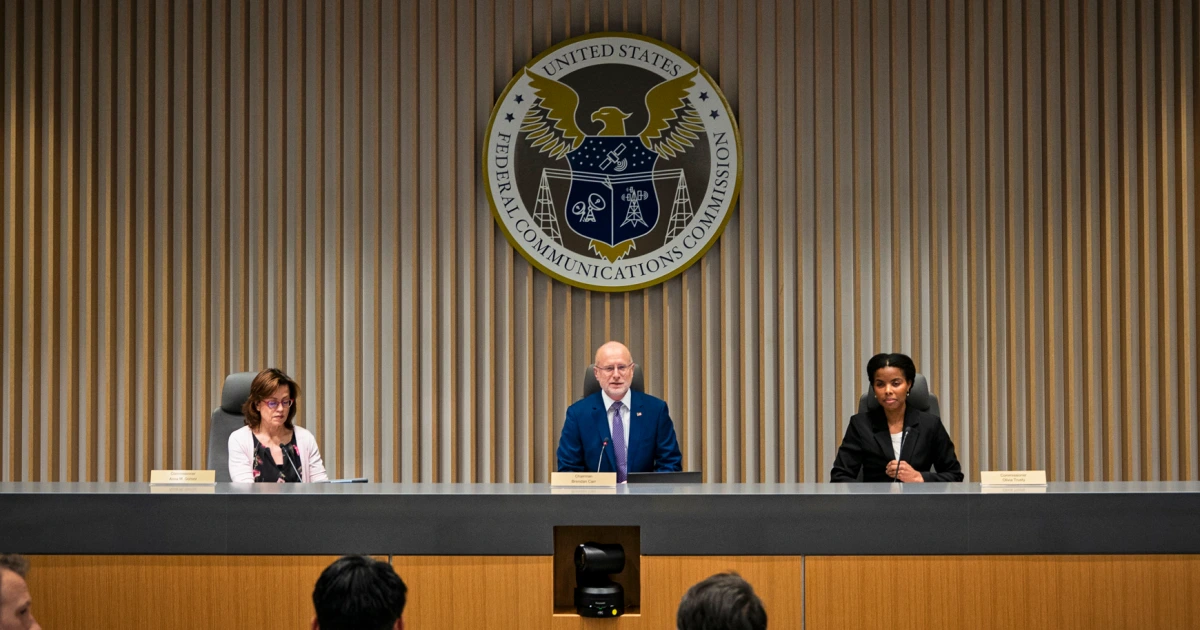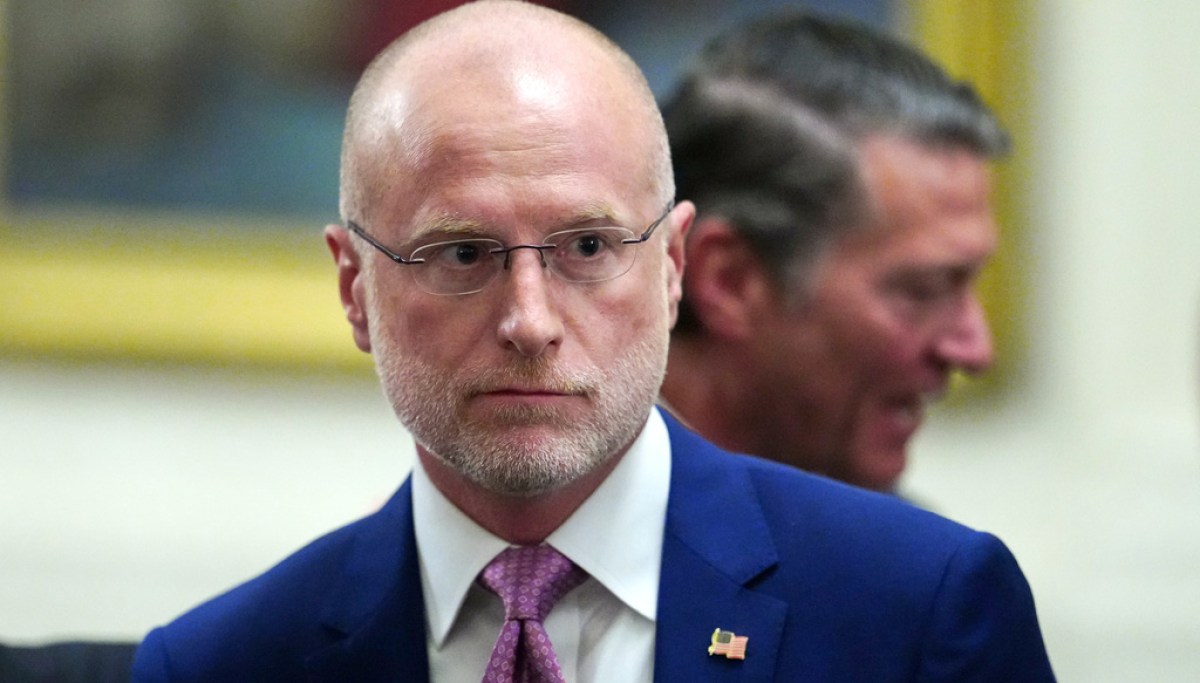
The FCC voted 2-1 on Aug. 6 to eliminate the rule barring a single company from owning television stations reaching more than 39% of U.S. households, replacing the hard ceiling with a case-by-case approach to proposed transactions.Carr argues the decades-old restriction is obsolete in a media landscape transformed by cable, streaming, and the internet, and that allowing broadcasters to grow is necessary to keep local television financially viable.
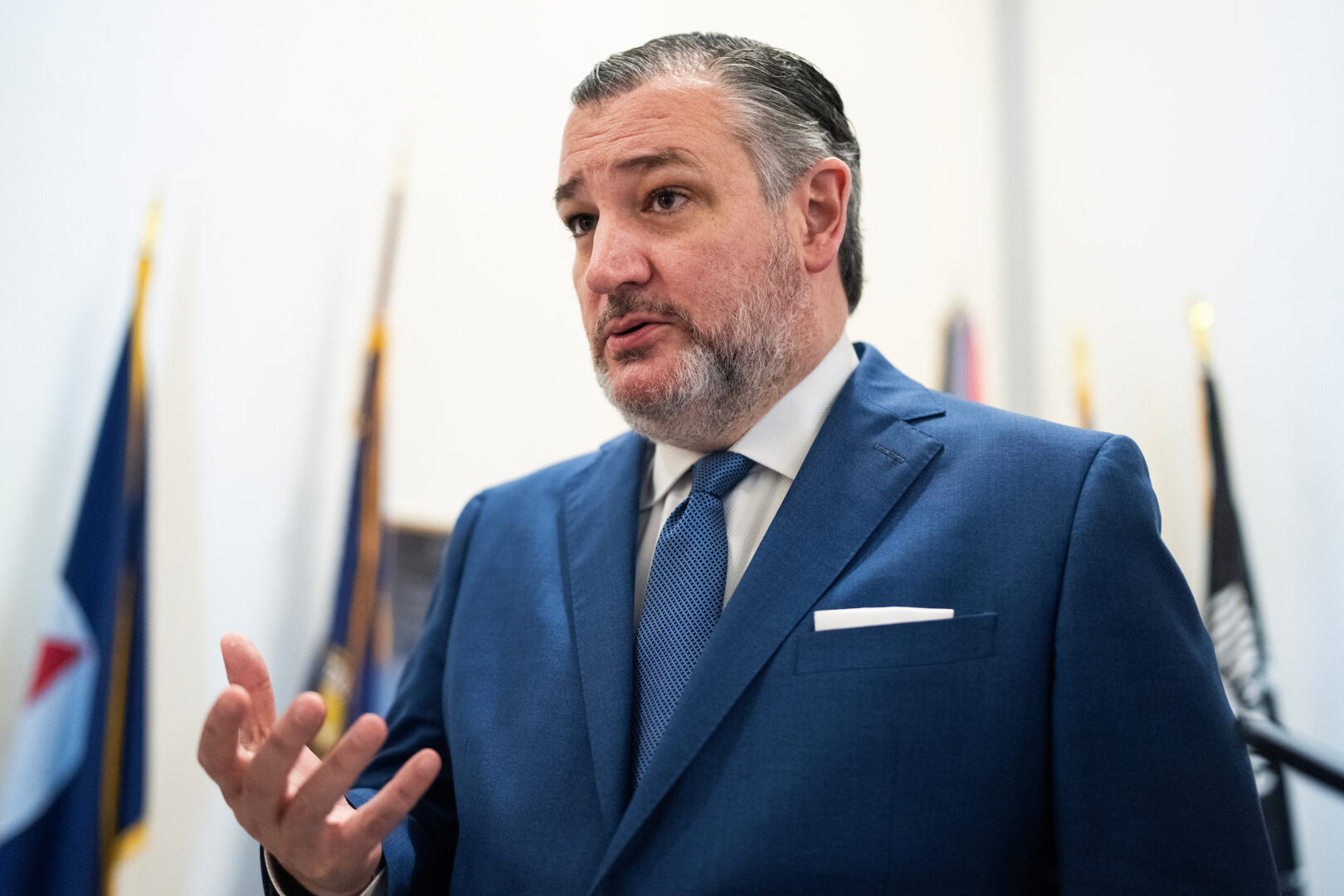
“We should stop hamstringing this one segment of the broader market with outdated restrictions,” Carr said, warning that he does not want local broadcast television “to go the way of local newspapers.”But the fight is increasingly about something larger than whether 39% remains the right number. Unlike many regulations an administration can rewrite, the 39% limit was explicitly established by Congress more than two decades ago. That has prompted an unusual question on the Right: Can an agency dispense with a restriction Congress itself enacted because the agency now believes the policy no longer makes sense?For conservatives who have spent years pushing courts to rein in the administrative state, critics say the answer could have consequences far beyond broadcast television.“The question isn’t should we. The question is can we?” said Lawrence Spiwak, president of the Phoenix Center and an adjunct law professor who has written extensively on telecommunications and administrative law.Spiwak said he supports reconsidering outdated media ownership rules as a policy matter but does not believe the FCC has the statutory authority to eliminate the cap itself.“If the commission can say, ‘I can just waive whatever statute I want,’ it sets up a horrible precedent,” Spiwak said, speaking to the Washington Examiner.The concern is also coming from one of the most powerful Republicans with oversight of the FCC.Senate Commerce Committee Chairman Ted Cruz (R-TX) has repeatedly questioned whether Carr’s FCC is staying within its legal authority, including in its handling of Nexstar’s acquisition of Tegna.In a March interview with the Washington Examiner, Cruz objected to the FCC allowing its Media Bureau to approve the transaction rather than putting the matter before the full commission.“I had been quite vocal that this should not have been decided at the bureau level, that this required a full commission,” Cruz said. “I think it was not authorized to be done at the bureau level.”Cruz pointedly cast the issue as one of principle rather than party.“I’ve been outspoken about that when the Biden FCC tried to do that, and I think it is equally wrong [when] this FCC does,” he said.Asked whether he worried about the precedent created when major decisions are made without direct accountability from presidentially appointed and Senate-confirmed commissioners, Cruz said, “Of course.”“If it can be done without accountability from the presidentially appointed and Senate confirmed commissioners, that’s a real problem,” Cruz said.Cruz has separately expressed skepticism that the FCC has the legal authority to change the 39% ownership limit without congressional action, putting him at odds with Carr over the commission’s power to act unilaterally, even as both Republicans have questioned whether existing broadcast ownership restrictions are outdated.A Republican-made compromise