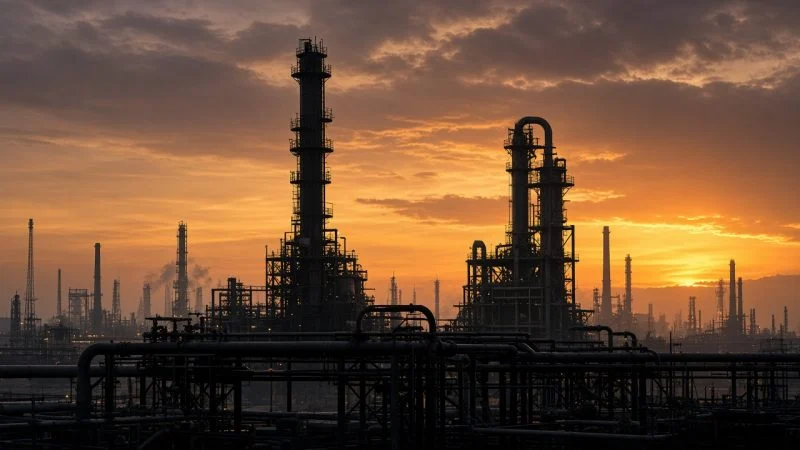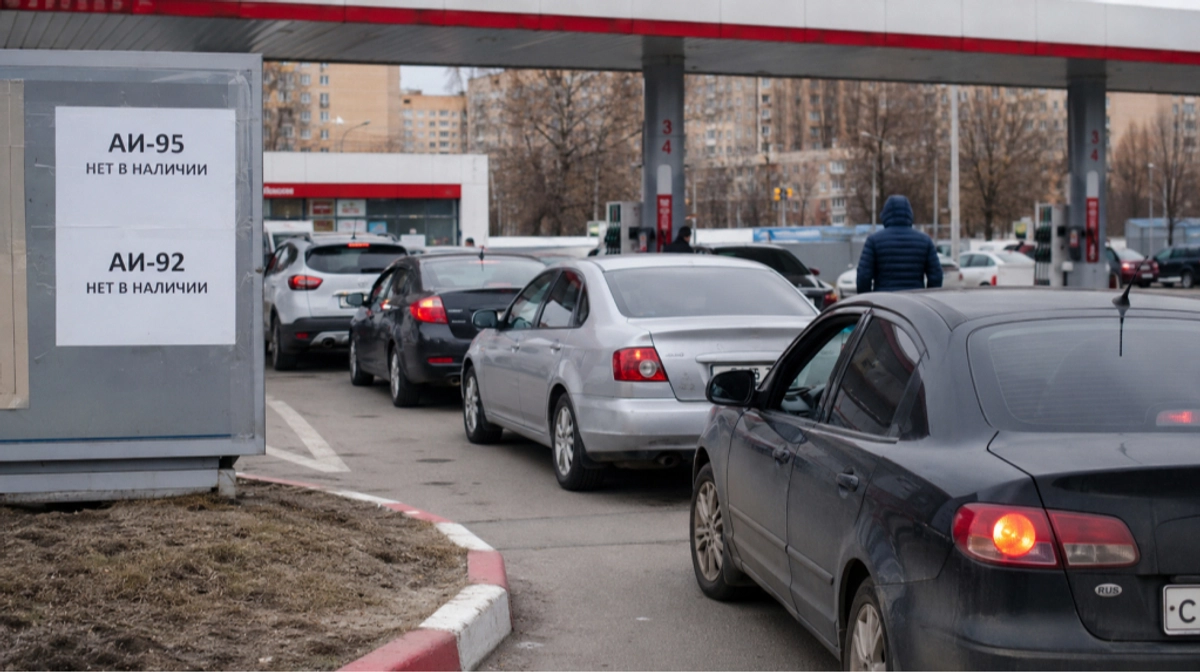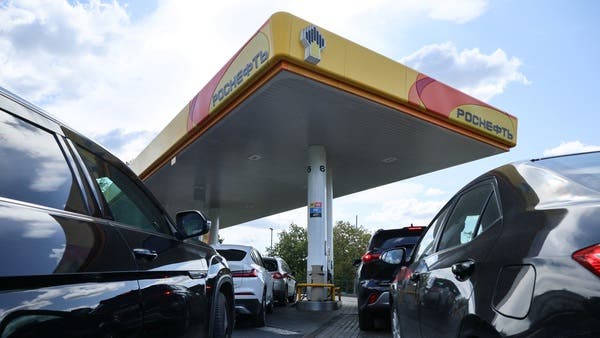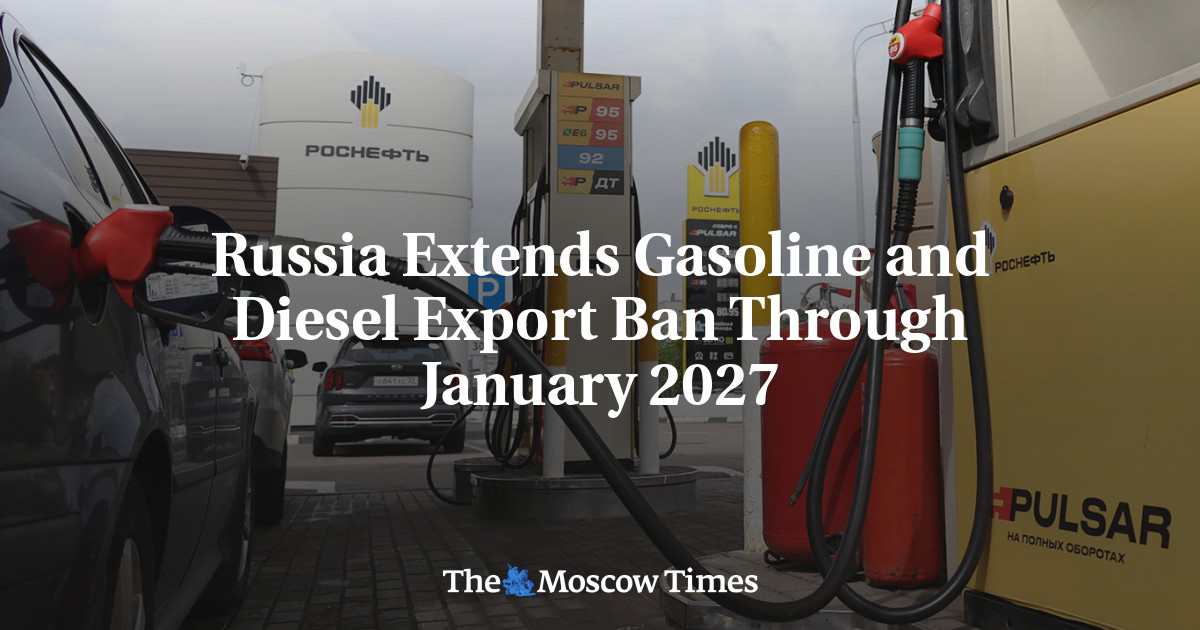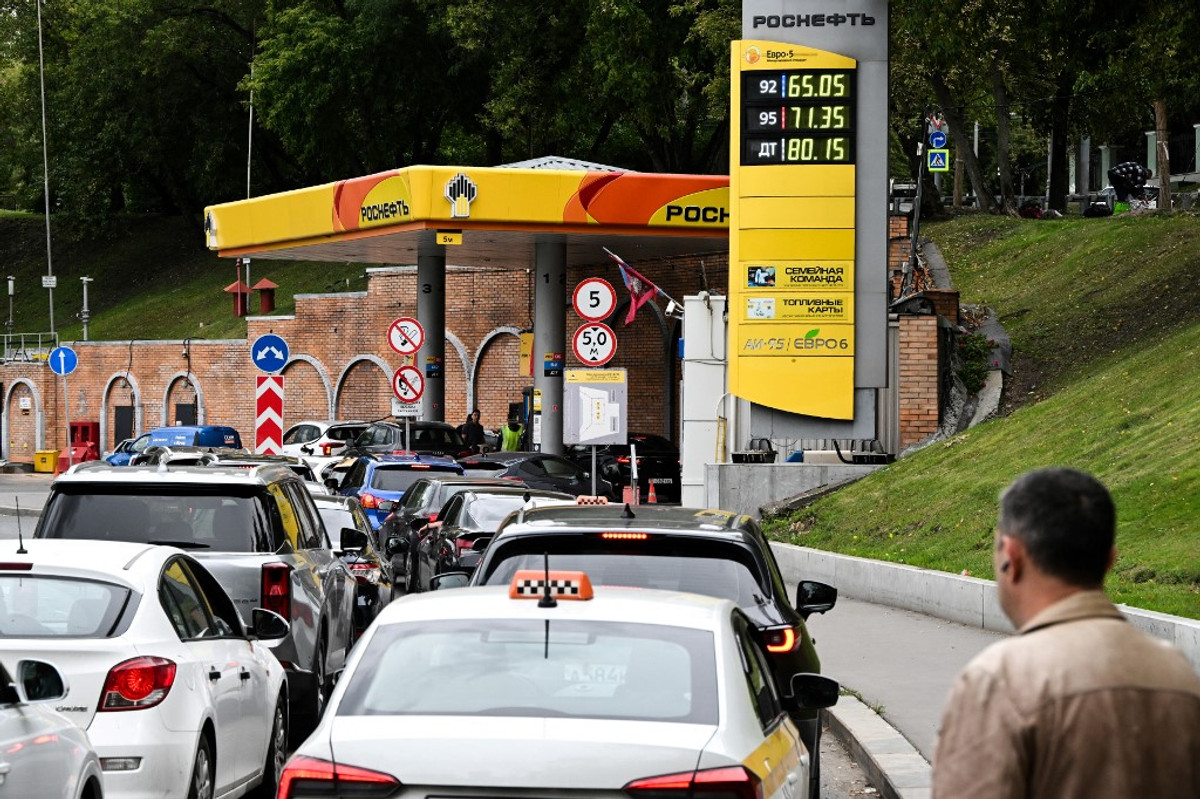
The Russian government has extended its ban on the export of diesel, marine fuel, and gas oil by producers until Sept. 30 in an effort to stabilize a domestic market battered by Ukrainian drone strike, DW reported. The extension adds a month to the original Aug. 31 expiration date for producers, while a broader general ban on fuel exports remains in effect until Jan. 31, 2027.JOIN US ON TELEGRAMFollow our coverage of the war on the @Kyivpost_official. Russia is currently grappling with a second wave of fuel shortages following a record 21 Ukrainian attacks on oil refineries throughout August. Data from EA Analytics indicates that Russian oil refining has plummeted to its lowest level in over two decades. In August, the country processed an average of just 3.8 million barrels per day, significantly below the traditional summer output of 5.3 to 5.5 million barrels per day required to meet heightened seasonal and agricultural demand. The steep decline in refining capacity has severely impacted domestic supplies. During the first three weeks of August, gasoline production and domestic deliveries fell by nearly 20% year-on-year, while diesel production dropped by more than 23%. Regional shortages and retail fuel limits The refining deficit has already translated to severe retail shortages and purchase restrictions at the pump. By mid-August, several major gas station chains in Moscow, including Gazprom Neft and Tatneft, had introduced limits ranging from 40 to 60 liters per vehicle for both gasoline and diesel. AI-95 gasoline has been particularly scarce, disappearing from numerous stations operated by Rosneft, NefteMagistral, and Teboil, as prices spiked to 120 rubles ($1.50) per liter.
Moscow Extends Diesel Export Ban as Refinery Strikes Cause Shortages
Russia extends its ban on diesel exports until Sept. 30 as a record wave of Ukrainian drone strikes on refineries triggers severe domestic fuel shortages.
450 words~2 min read