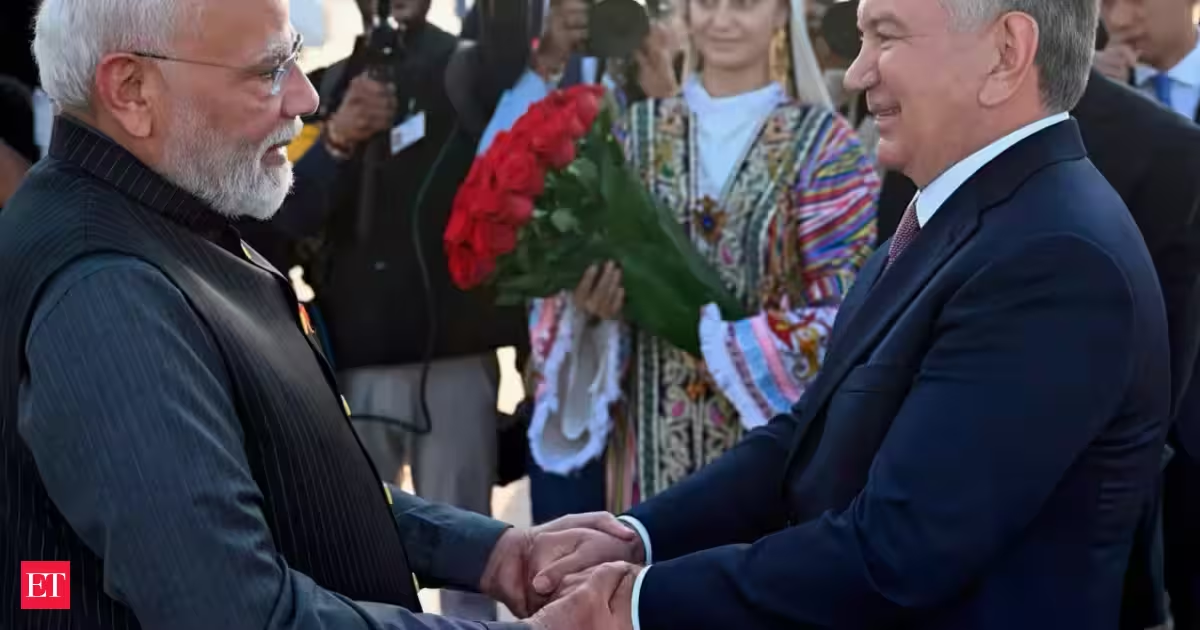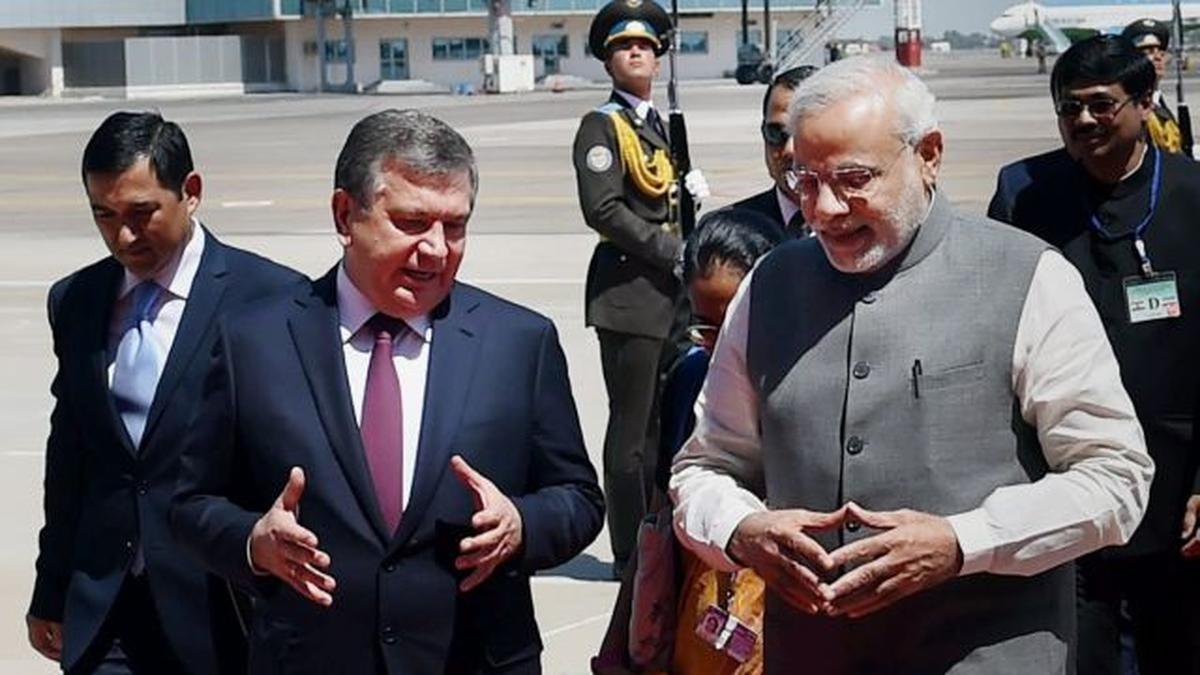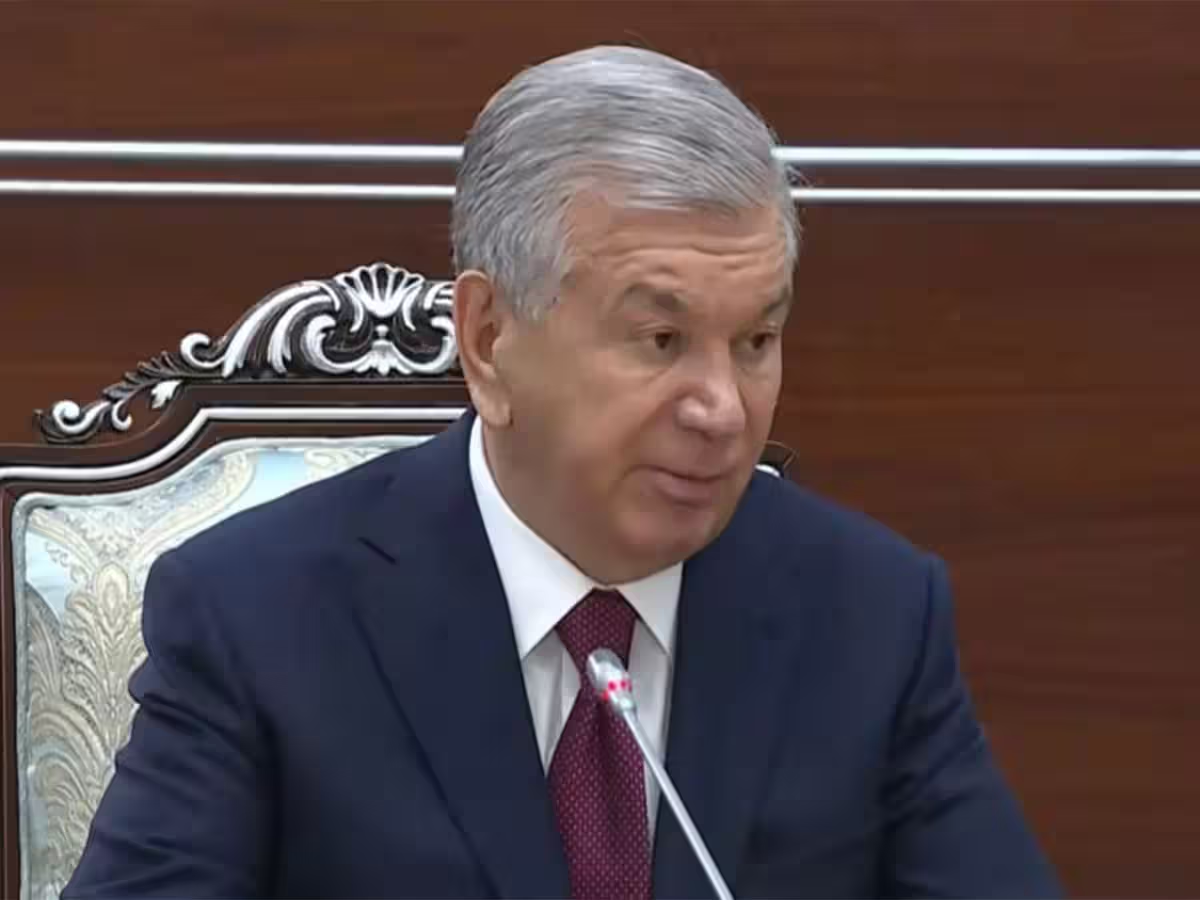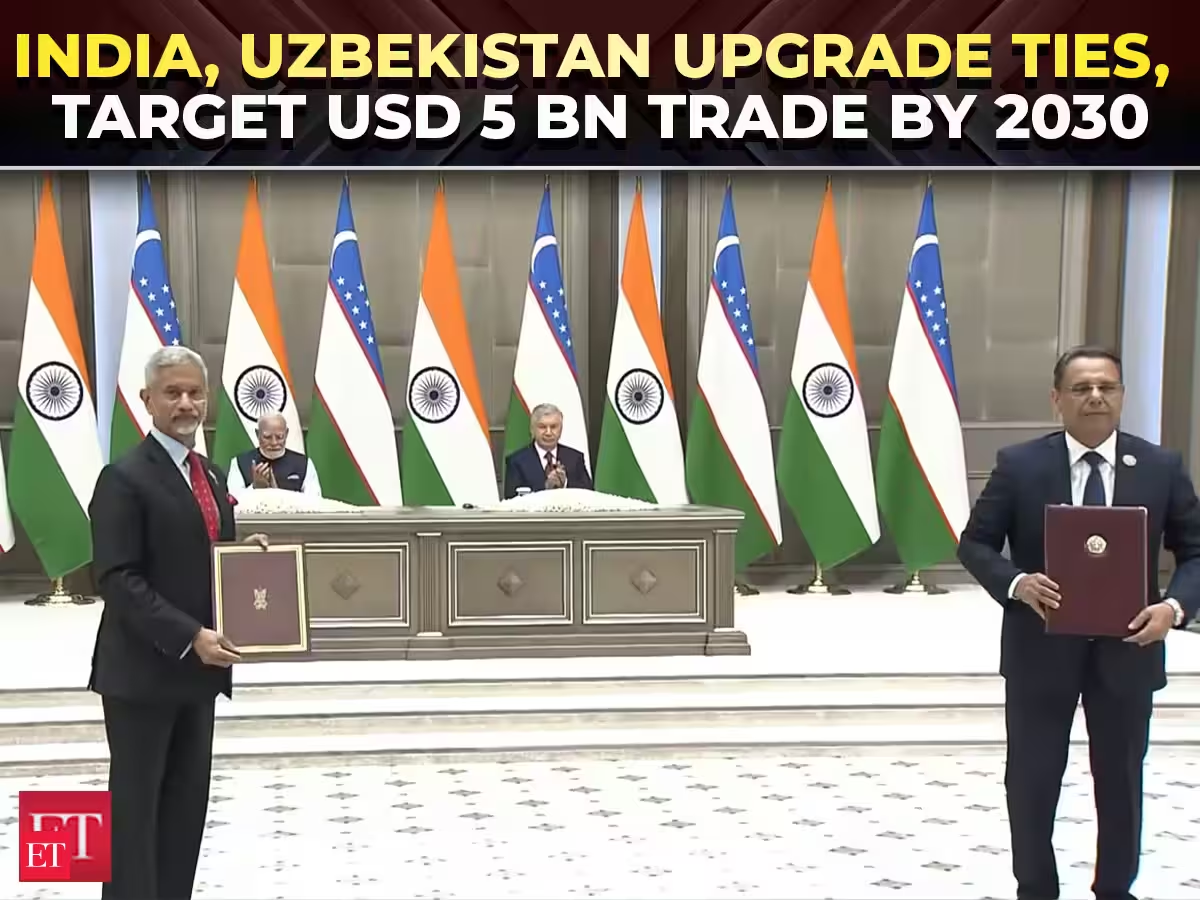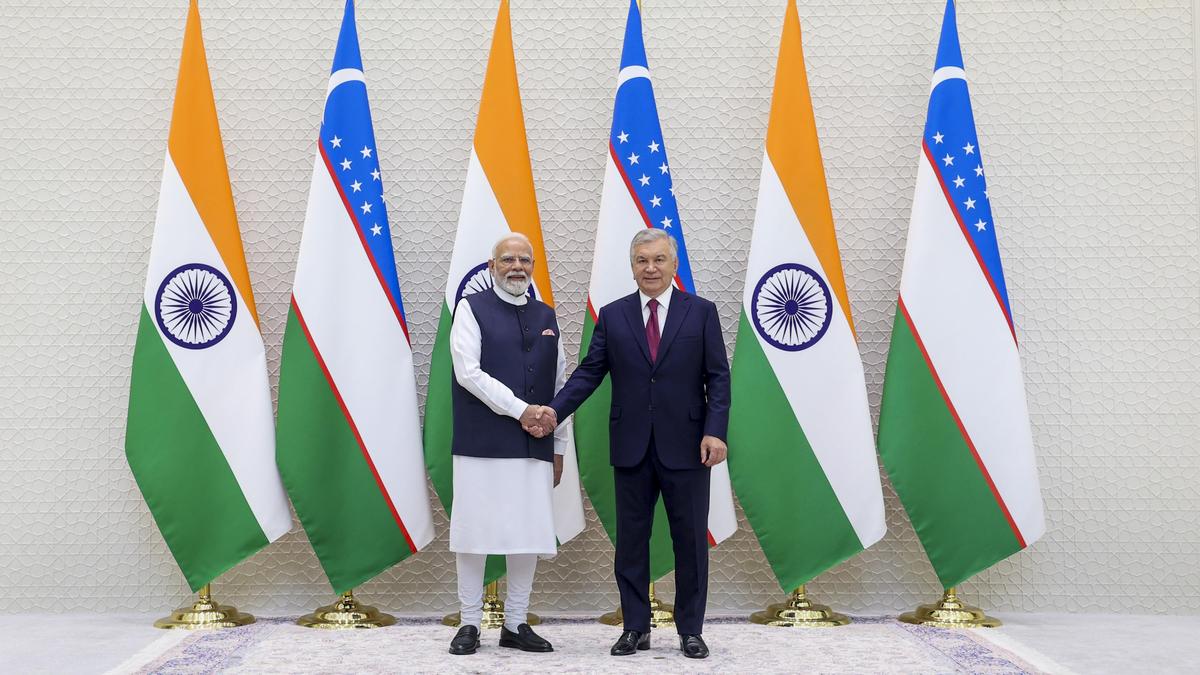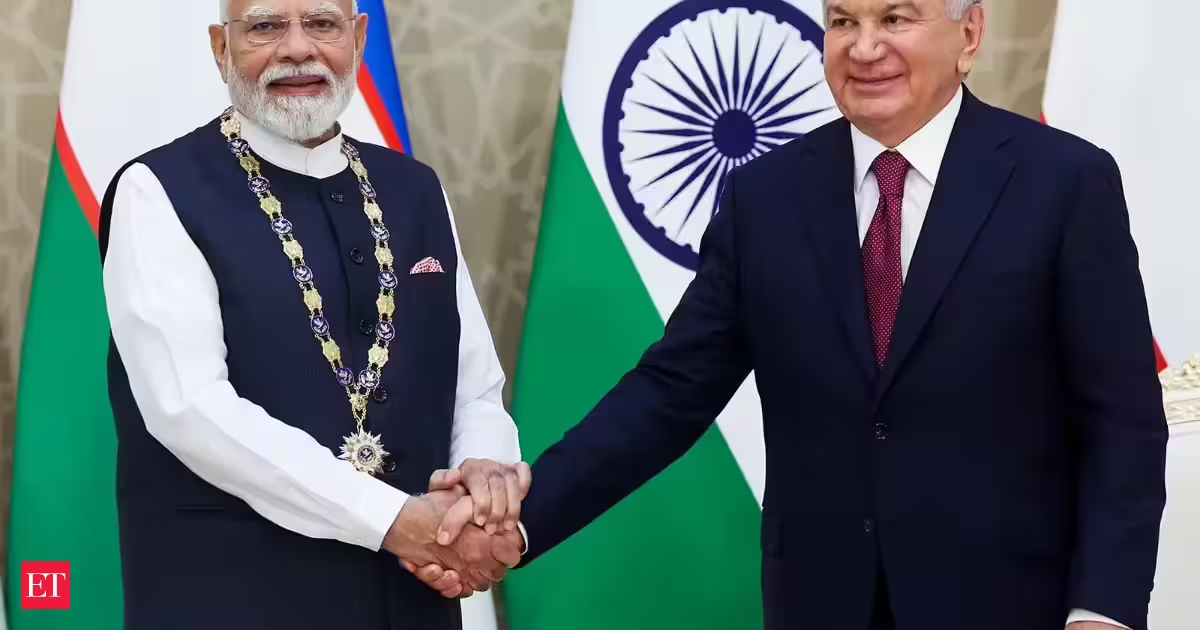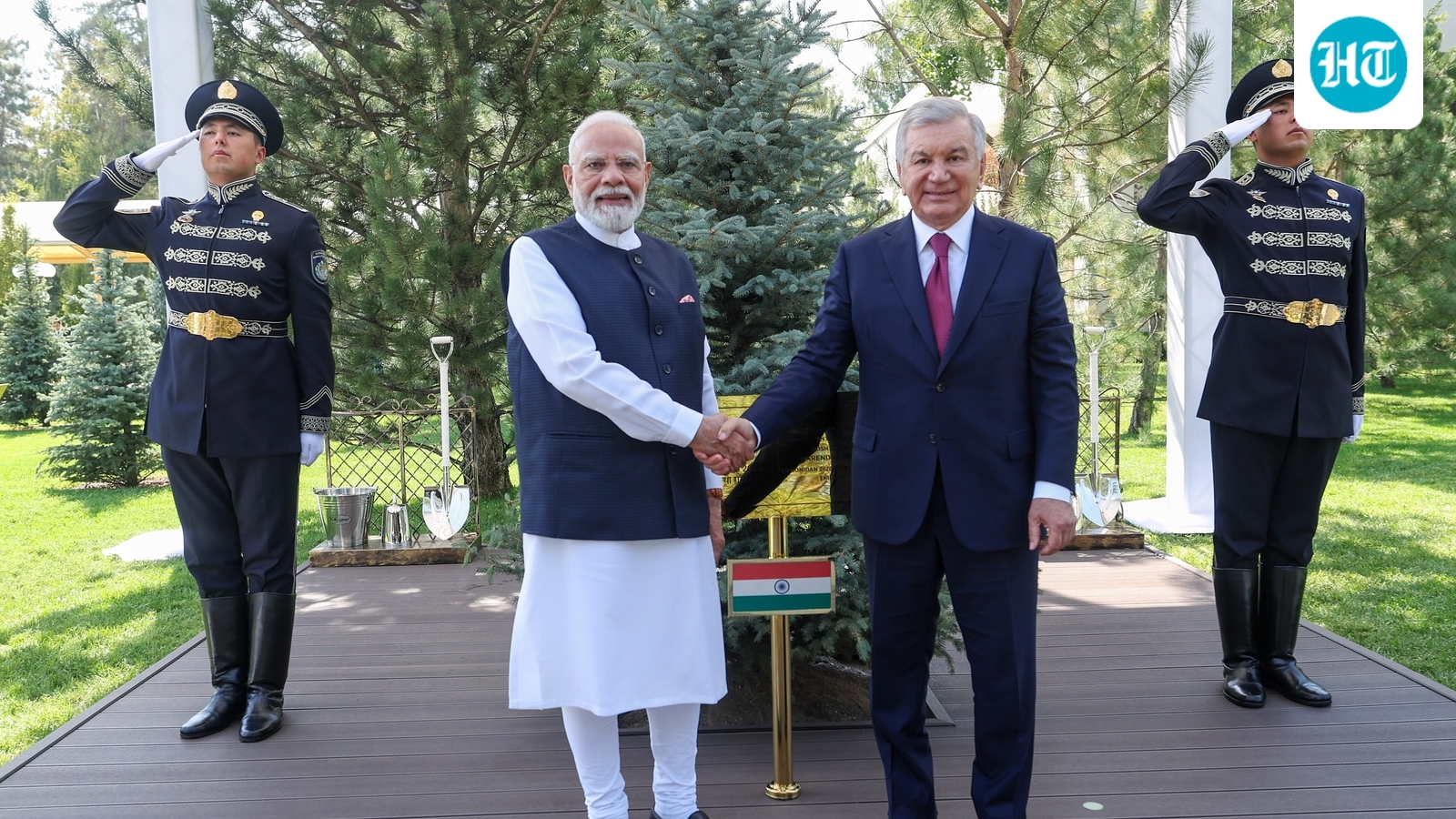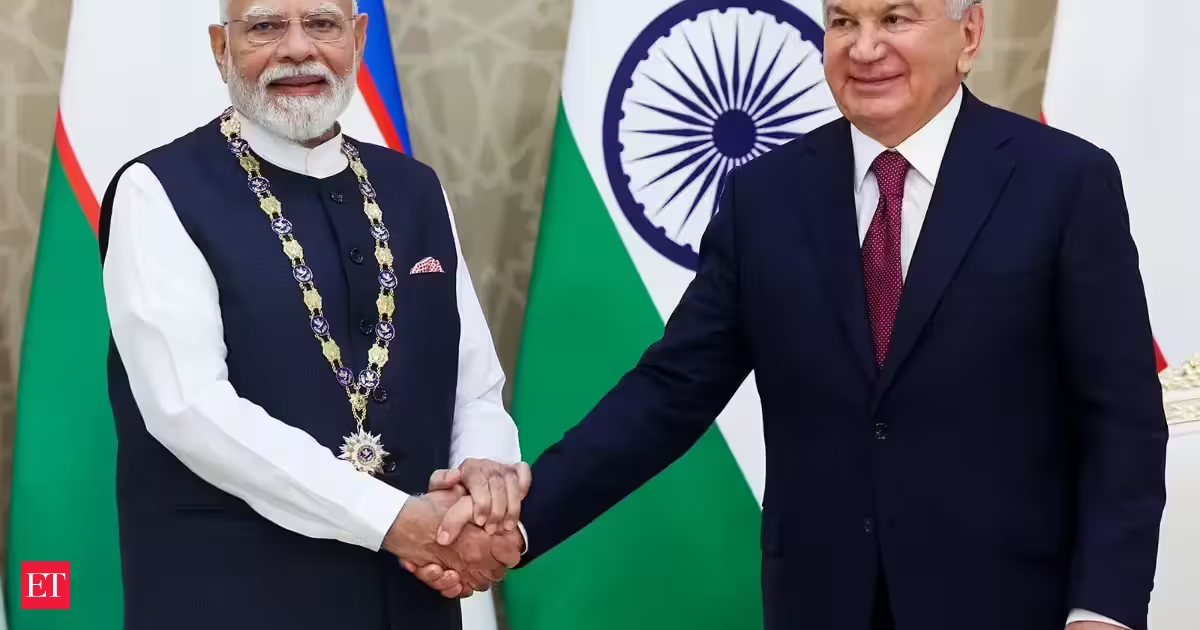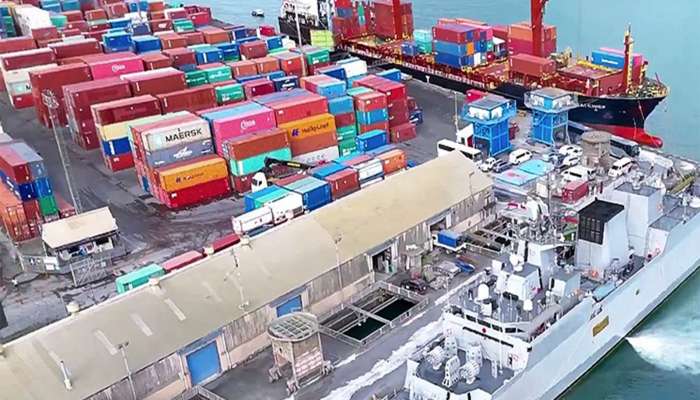
Relations between Uzbekistan and India have gained fresh momentum under the leadership of Uzbek President Shavkat Mirziyoyev and Indian Prime Minister Narendra Modi, evolving from primarily political engagement into a broad strategic partnership spanning trade, industry, healthcare, digital technology, education, security and transport.Bilateral trade has expanded sharply, rising from $366 million in 2016 to $1.3 billion in 2025, a roughly 3.6-fold increase. The two countries are now seeking to move beyond trade in finished goods toward localisation, technology transfer and joint industrial production. Transport connectivity is emerging as a key priority. The India–Chabahar–Iran–Turkmenistan–Uzbekistan route could provide India with greater access to Central Asia and give landlocked Uzbekistan an important gateway to the Indian Ocean. Regular container services, integration with the International North–South Transport Corridor and the Ashgabat Agreement could further strengthen the route.Digital cooperation also offers major opportunities. Uzbekistan's IT services exports reached $545.3 million in January–June 2026, up 12.8% year-on-year. The country aims to raise IT exports to $5 billion by 2030, creating 300,000 jobs. Indian companies could expand IT outsourcing, AI, cybersecurity and BPO operations in Uzbekistan, while benefiting from its young workforce and access to Central Asian markets.Pharmaceuticals and healthcare represent another major area of potential. India, a global leader in generic medicines, could support Uzbekistan in moving from pharmaceutical assembly and packaging toward API production, vaccines, diagnostics, medical equipment, clinical research and telemedicine.The partnership could also deepen in agriculture and water-saving technologies, including drip irrigation, digital farming, cold chains and food processing; critical minerals and green energy, through joint processing and manufacturing; and education and skills, through research centres, double-degree programmes and industry-linked training.The four Indian university branches already operating in Uzbekistan—Amity, Sharda, Sambhram and Acharya—provide an existing foundation for expanding educational and technological cooperation.The upcoming visit of Prime Minister Narendra Modi to Uzbekistan is expected to provide further impetus to bilateral ties, with the two sides likely to consolidate existing agreements and identify new areas of cooperation.The emerging partnership could position Uzbekistan as a key Central Asian gateway for Indian investment and technology, while strengthening India's economic and strategic connectivity with Central Asia.
Uzbekistan–India ties enter a new phase of strategic and economic cooperation
The partnership could also deepen in agriculture and water-saving technologies
348 words~2 min read