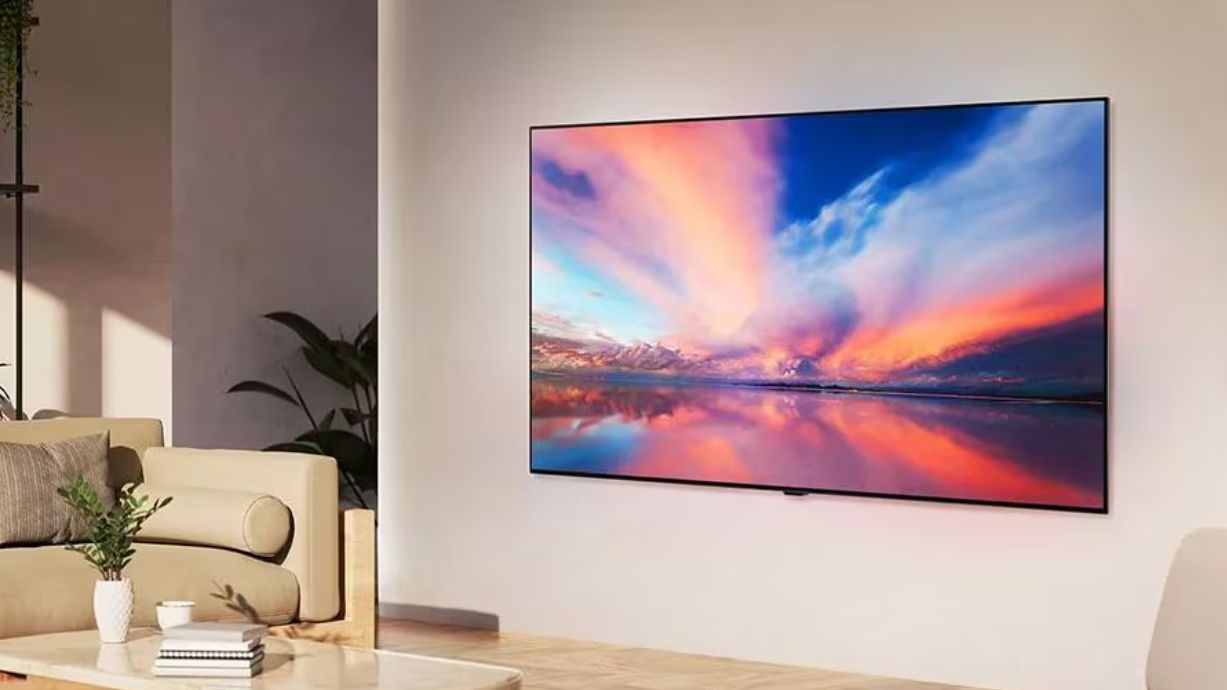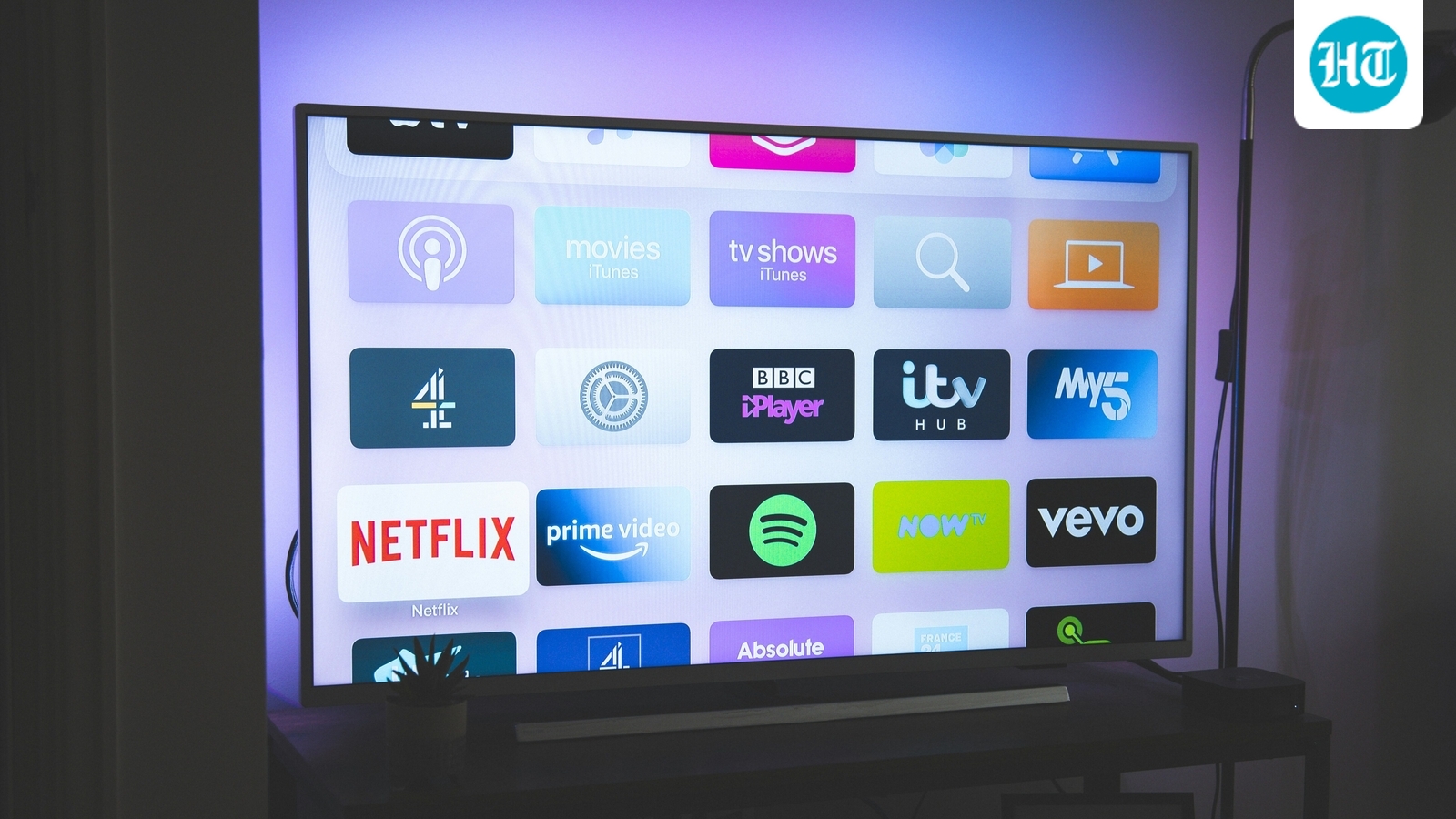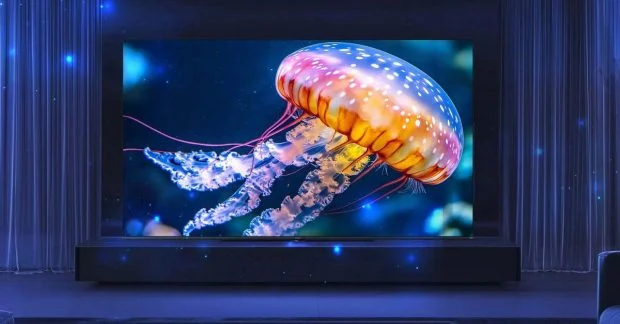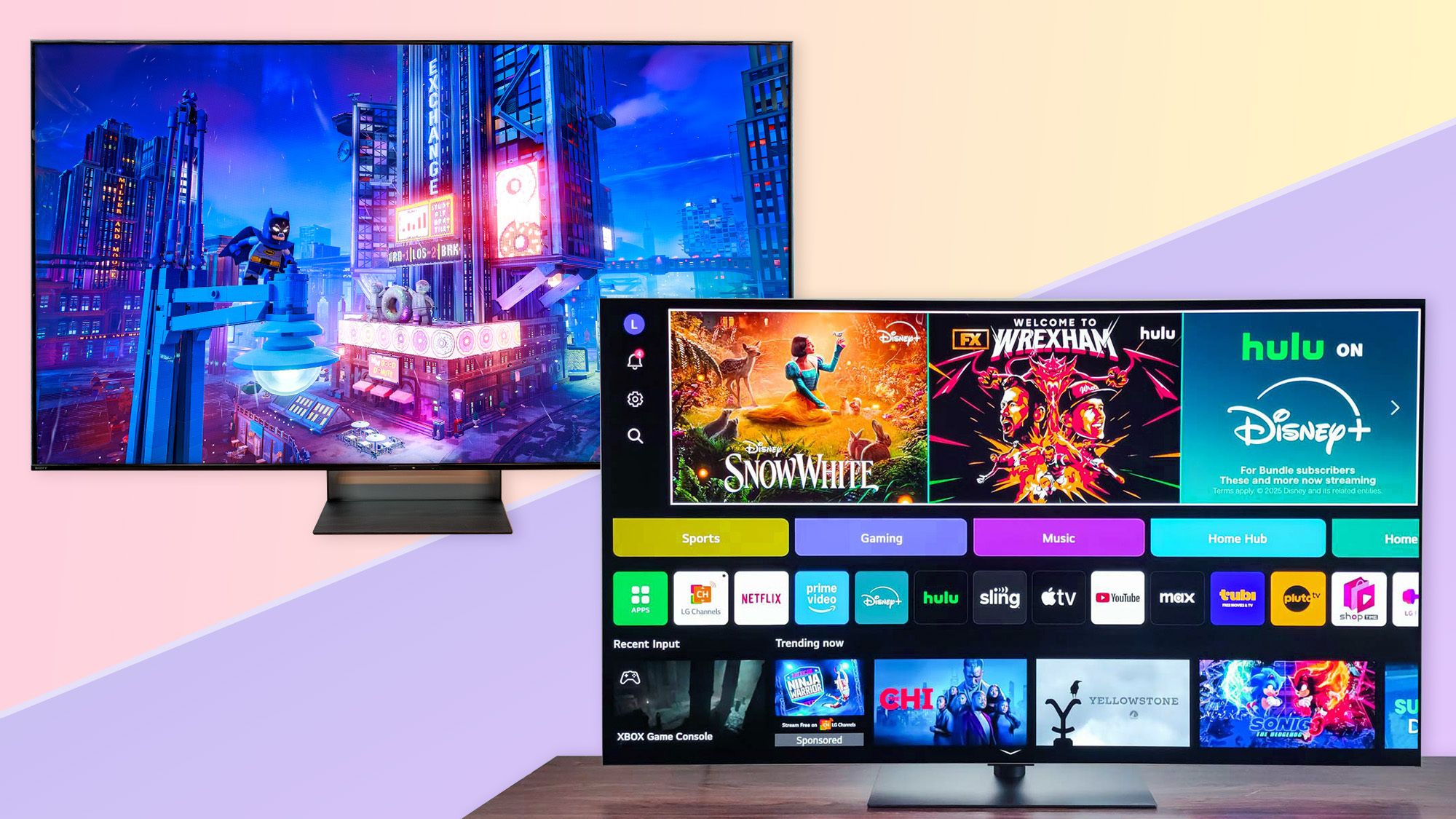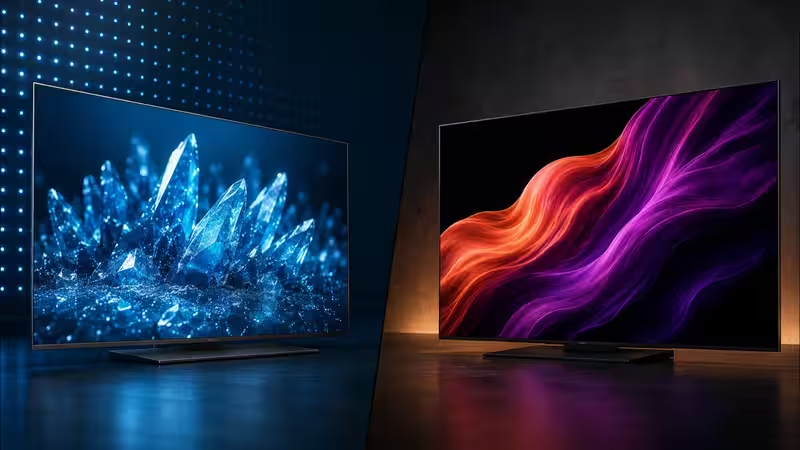
As acronyms, OLED and Mini-LED stand for "organic light-emitting diode" and “a type of Mini-LED”, respectively. Beyond their cute acronyms, the two television display technologies have nothing in common and differ fundamentally in their construction.OLED TVs consist of pixels that contain organic light-emitting diodes, which create light directly on the source. This unique characteristic of OLED televisions allows for perfect contrast, because each pixel can be turned off, resulting in ideal black and white.Mini-LED TV is not a distinct type of television, but rather a general type of backlight. Mini-LED TVs combine the Mini-LED backlight with a traditional LCD panel in order to allow for more local dimming control than conventional edge-lit TV backlighting. Mini-LED uses dozens or even hundreds or thousands of smaller LEDs to form a grid of local dimming zones on an LCD television panel. More zones generally mean more contrast, because the television can control each zone’s brightness independently.The fundamental differences in the technology of Mini-LED and OLED televisions lead to wide-ranging differences in performance, as described below:Mini-LED vs OLED at a GlanceFactorMini-LEDOLEDLight sourceLED backlight behind LCD panel, grouped into zonesEach pixel emits its own lightBlack levelsVery good, but zone-based (can bloom)Perfect, true blacks per pixelPeak brightnessHigher — up to 3,000–4,000 nits on flagshipsLower, though improving with tandem WOLED/QD-OLEDContrastStrong, limited by zone sizeEssentially infiniteBurn-in riskNone to negligibleLow but present with prolonged static contentViewing anglesNarrower on standard panels, improved on premium modelsWide and consistent from the sideMotion clarityGoodExcellent, near-instant pixel responseBest forBright rooms, large screens, sports, long static sessionsDark rooms, movies, cinematic contrastPrice at the same sizeGenerally lowerGenerally higherBest screen sizesScales well to very large sizes (85"+)Typically tops out smaller than Mini-LED's largest sizesQuality Considerations: Contrast and Black LevelsThis is where the fundamental difference in the display technologies begins to take shape. OLED televisions offer perfect contrast, limited only by the panel resolution, because their pixels can be turned off individually. It means that OLED TVs can depict an image where the pixel on one side emits maximum brightness, while its right neighbour is turned off, to create an impression of deep, black colour. OLED televisions also have an infinite contrast ratio, defined by the ratio of brightest white to deepest black. While Mini-LED TVs imitate the contrast of OLED panels with extraordinary precision, they still cannot represent a picture with perfect contrast, because light here is produced in zones, rather than individual pixels. Thus, Mini-LED cannot reproduce the deep black of an OLED panel, because white pixels have to stay on to represent a bright object on a dark background, resulting in the halo effect around the bright objects on large displays.In short, the Mini-LED vs OLED television comparison shows that OLEDs can deliver the deepest contrast and black levels available in televisions today.
Mini-LED vs OLED: The TV Comparison You Should Know
Consumers these days are caught in a dilemma between two cutting-edge display technologies: Mini-LED and OLED. While OLED displays shine with self-emitting pixels providing unparalleled blacks and contrast, Mini-LED utilizes backlights and dimming zones to create impressive brightness and contrast. However, potential burn-in issues plague OLED, while Mini-LED boasts resistance to this problem and is usually more budget-friendly, making it great for well-lit rooms and larger screens.
458 words~2 min read