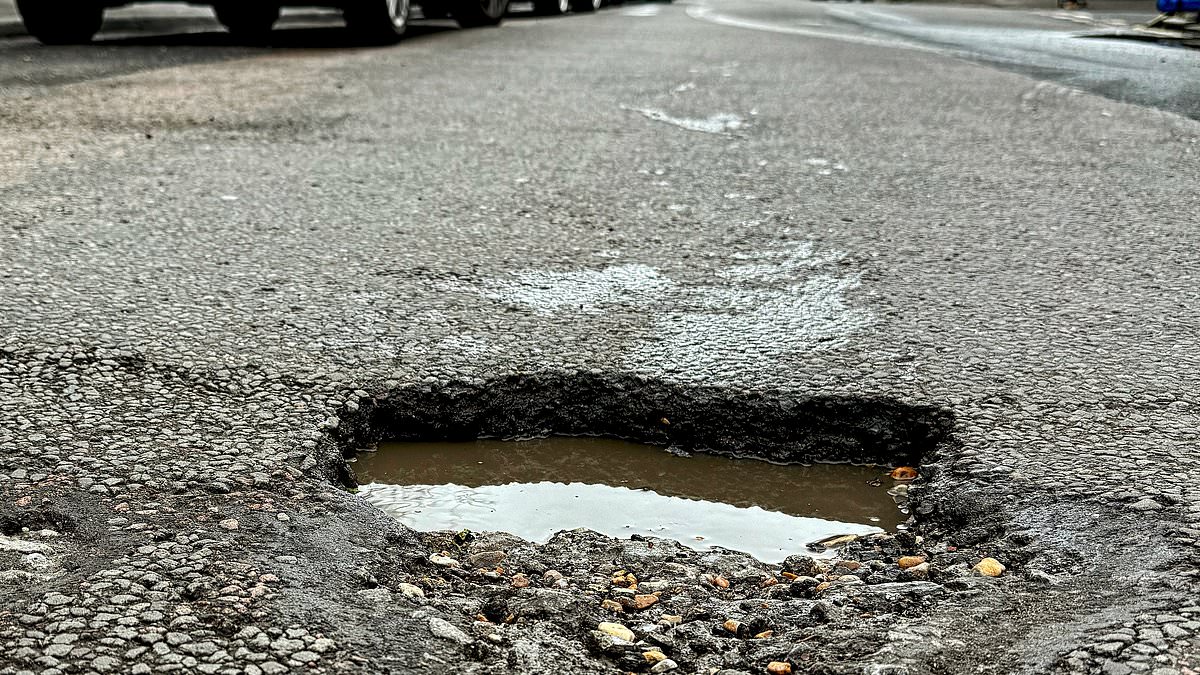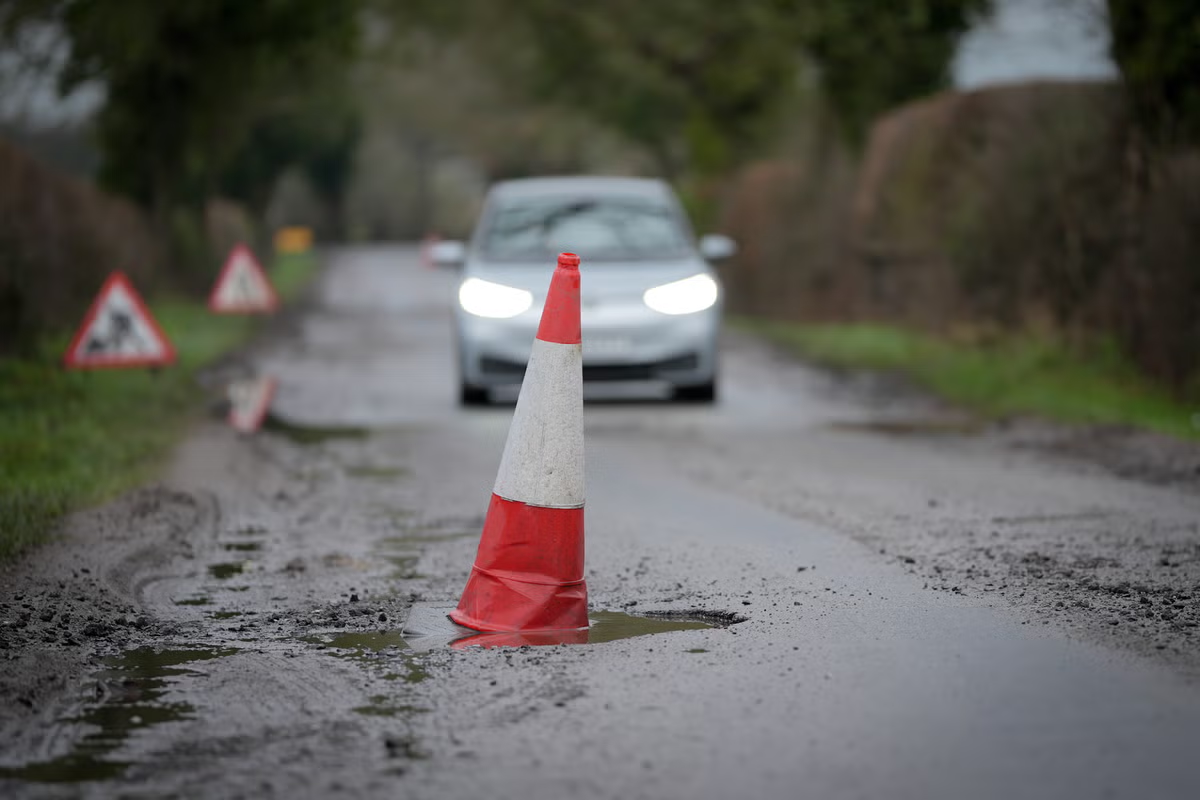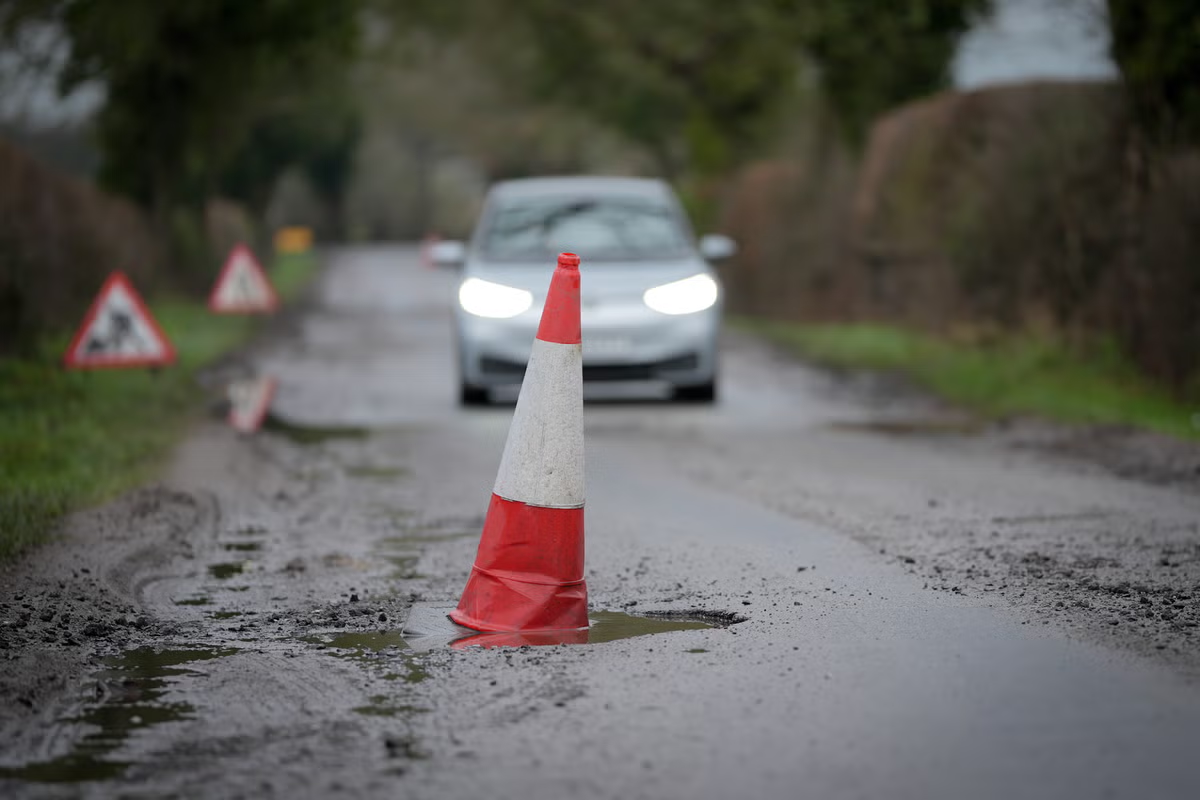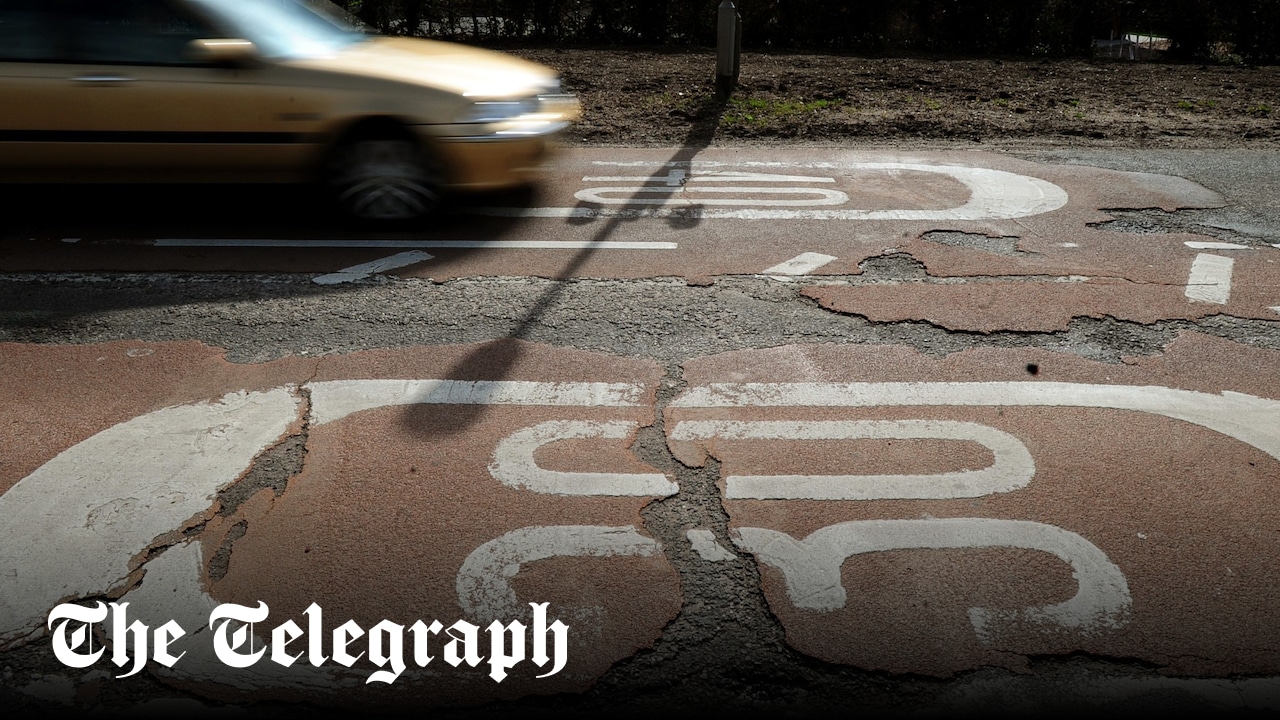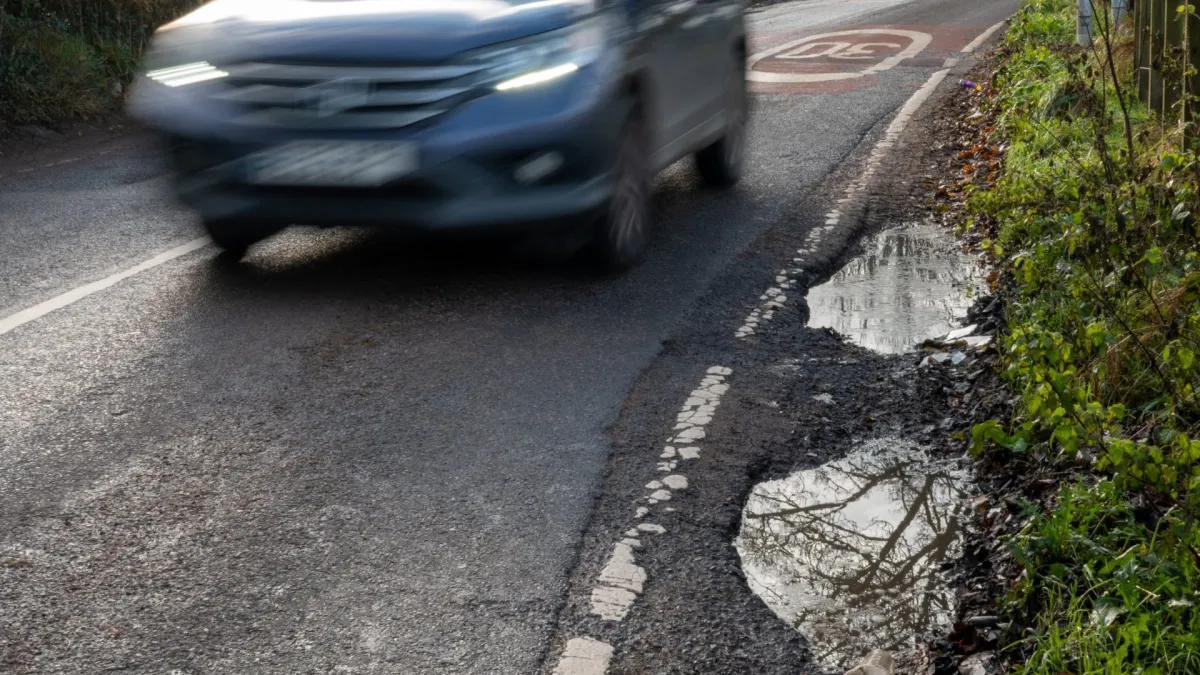
Every winter, freezing rainwater opens up tiny cracks in road surfaces and leaves Britain pockmarked by potholes. But, as the UK recovers from an endless succession of heatwaves, this bane of motorists’ lives is becoming a summer phenomenon as well.
The AA attended 39,000 “pothole-related incidents” in the July heatwaves alone as the scorching temperatures heaped misery on our roads.
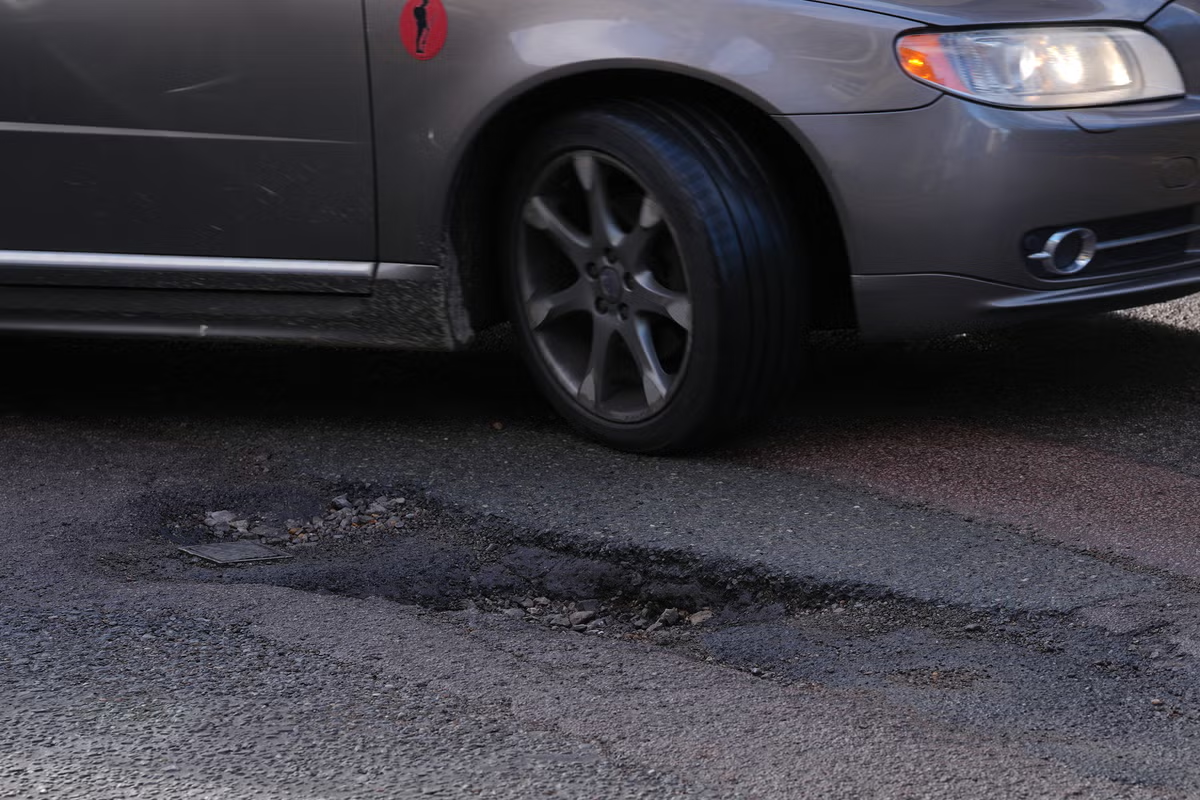
The pothole crisis already costs motorists £3.3bn a year in vehicle repairs, with nearly one in four drivers suffering damage to their tyres, wheels or suspension – at an average cost of £341, according to Close Brothers Motor Finance.
And the blistering summer conditions are accelerating the pothole problem, creating them in a different way to the winter weather.
Once the surface temperature of a road reaches around 50°C to 60°C, bitumen – the sticky, black mixture of carbon and hydrogen that glues together the stone, sand and gravel that make up the asphalt surface of the road – starts to melt. This increases the risk that heavy vehicles will make the road crumble and disintegrate to form potholes.