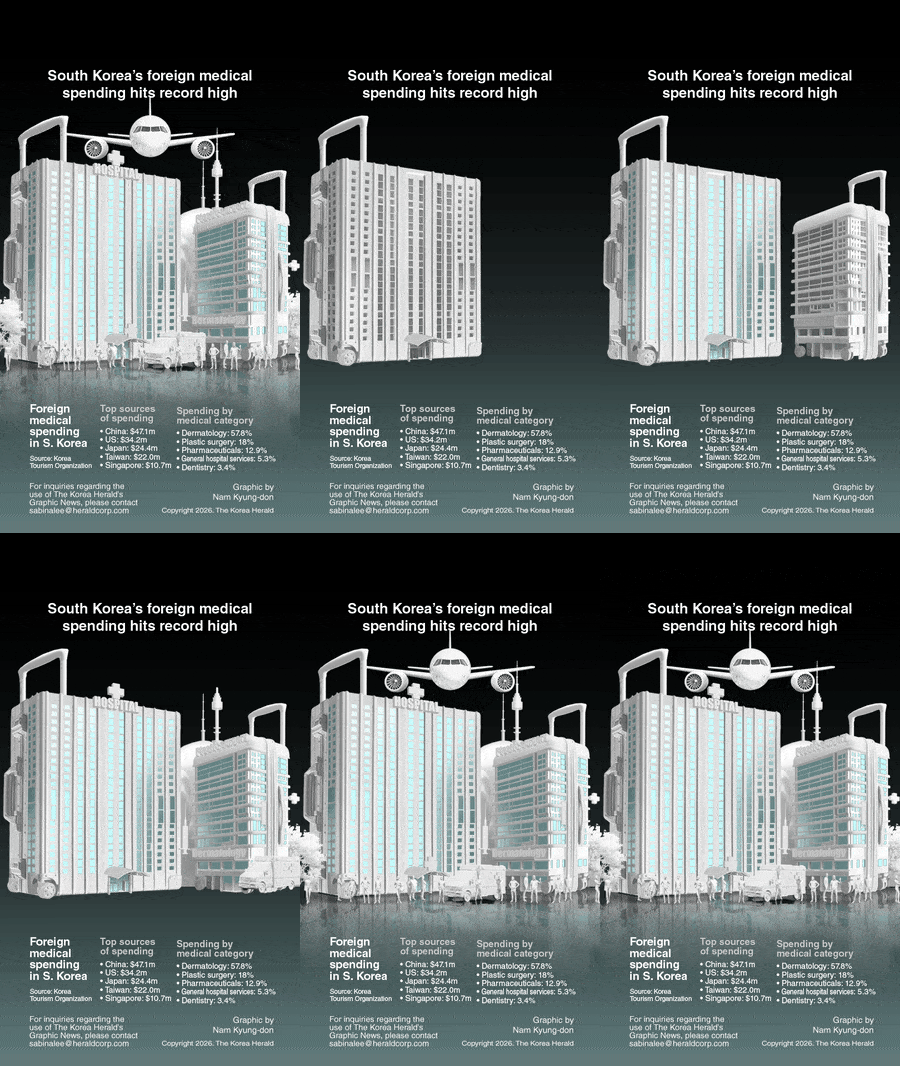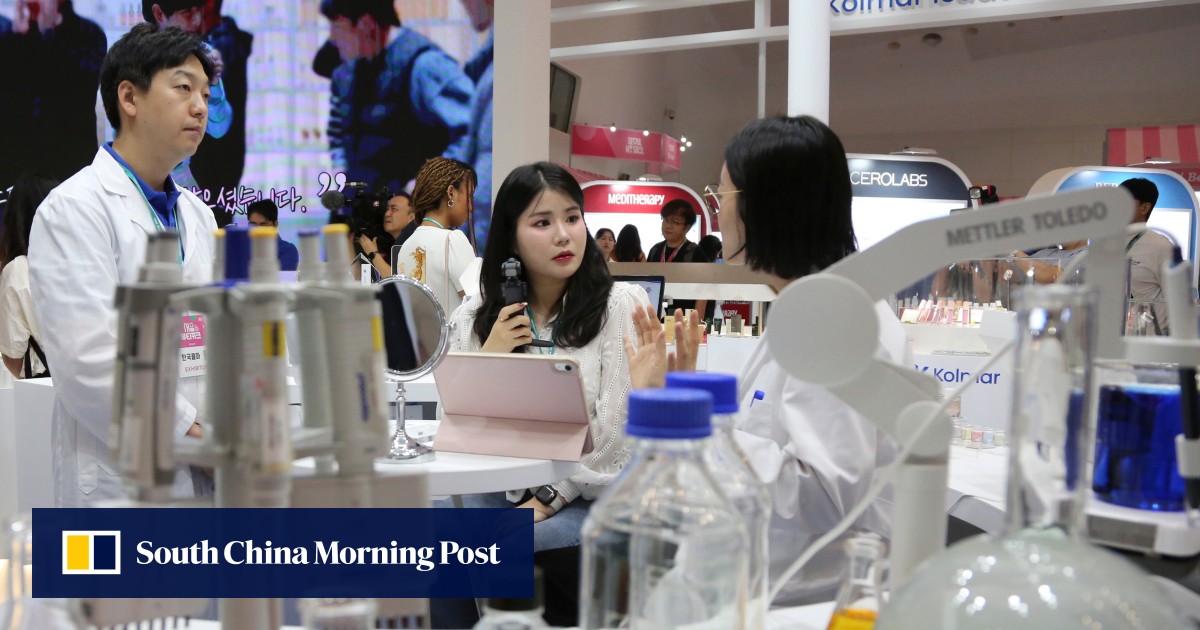
Foreign patients spend more across Korea, but most money still flows to Seoul This photo is not directly related to the story. (123rf) Foreign card spending on medical services in South Korea jumped 66.5 percent in July from a year earlier, extending a rapid expansion in the country’s medical tourism industry.Foreign nationals spent 213 billion won ($145 million) on medical services and related products during the month, according to credit card-based data from the Korea Tourism Organization.The increase follows annual growth of 65 percent in 2025 and 78.6 percent in 2024, suggesting the field is becoming a larger part of Korea’s inbound tourism economy.Beyond beauty, beyond AsiaKorea has long been known for plastic surgery and dermatology, particularly among visitors from nearby countries such as China, Japan and Taiwan. In July, dermatology accounted for 54.9 percent of medical spending on foreign cards, while plastic surgery made up another 19.3 percent.Ban Jun-seop, president of the Korean Association of Plastic Surgeons, said foreign patients account for as much as 70 percent of some plastic surgery clinics’ clientele.But spending patterns show signs of diversification. The share of spending at pharmacies, for example, rose from 5 percent in March last year to 12.7 percent in July. Data from the Korea Health Industry Development Institute also shows demand spreading across a wider range of specialties and nationalities.US nationals accounted for 24.1 percent of foreign patients who received health checkups in 2025, while patients from Mongolia and Kazakhstan featured prominently in other specialties.“Patients from Japan, Taiwan, China, Singapore and Thailand tend to show a strong preference for dermatology and plastic surgery, while those from Kazakhstan, Canada and Mongolia often come to Korea for treatment of serious diseases such as cancer,” a Korea Health Industry Development Institute official said.“Demand for treatment of serious diseases alone amounts to around 60,000 to 70,000 patients a year.”Taking medical tourism beyond SeoulThe boom remains overwhelmingly concentrated in Seoul. In July, the capital accounted for 86.8 percent of total medical-related spending on foreign cards. Busan ranked second with just 6.4 percent.That concentration has become a concern for local governments seeking to use medical tourism to encourage longer stays and generate additional spending at local businesses.Experts say regions with fewer major medical institutions may be better off focusing on wellness and healthcare rather than trying to replicate Seoul’s medical tourism model.Daegu, which ranked first outside the Seoul metropolitan area in the number of medical tourists in 2019, did not make the top five regions in terms of medical-related spending in July.“It is practically impossible to distribute medical institutions across the country when they are already concentrated in Seoul,” Yoon Ji-hwan, a tourism professor at Kyung Hee University, told local media.Yoon said Seoul could continue to focus on surgeries and procedures, while other regions develop healthcare tourism centered on wellness and traditional Korean medicine.He said that would be a more realistic way to spread medical tourism beyond the capital.
Korea’s medical tourism continues double-digit growth
Foreign card spending on medical services in South Korea jumped 66.5 percent in July from a year earlier, extending a rapid expansion in the country’s medical t
485 words~2 min read