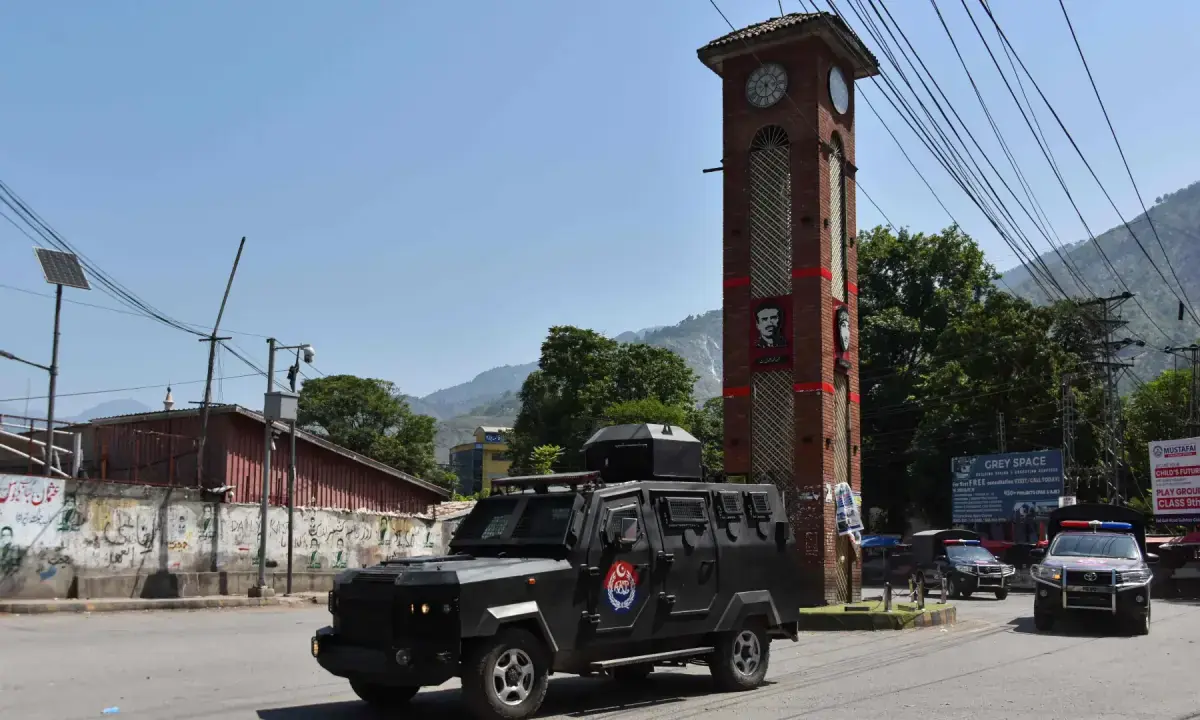
LAHORE: The Human Rights Commission of Pakistan (HRCP) has attributed the recent unrest in Azad Jammu and Kashmir (AJK) to longstanding political and socioeconomic grievances, institutional distrust and governance deficits, saying an increasingly confrontational state response, including the disproportionate use of force, further deepened polarisation and eroded public trust.
The HRCP fact-finding report, Civic Spaces under Strain in Azad Jammu and Kashmir, (a copy available with Dawn), stated that the dispute over implementation of a 2025 agreement with the Jammu Kashmir Joint Awami Action Committee (JAAC), coupled with controversy over 12 seats reserved for Kashmiri refugees in Pakistan, had become central to the political confrontation.
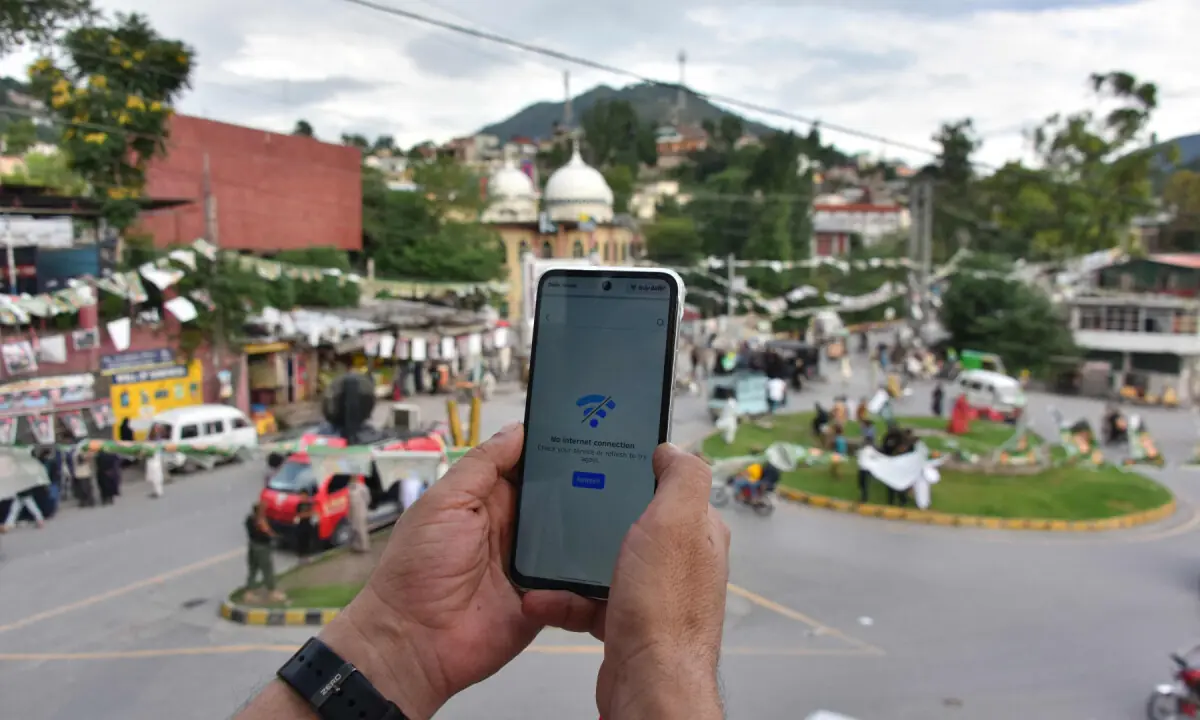
The report said negotiations between the government and JAAC failed on May 30, after which the government proscribed the organisation on June 5 under the AJK Anti-Terrorism Act 2014 and imposed restrictions on movement and communications, including a prolonged suspension of mobile internet services. The ensuing unrest coincided with the AJK Legislative Assembly elections, which were eventually held in phases because of security concerns.
The HRCP mission, which conducted fact-finding and election observation from Aug 8 to 10 after a stakeholder consultation in Islamabad on July 31, said it received sharply conflicting accounts about the scale of violence, JAAC’s methods and the conduct of security forces. However, it found broad agreement among political and community stakeholders, including people critical of JAAC, that the underlying dispute should have been resolved through political dialogue rather than coercion.