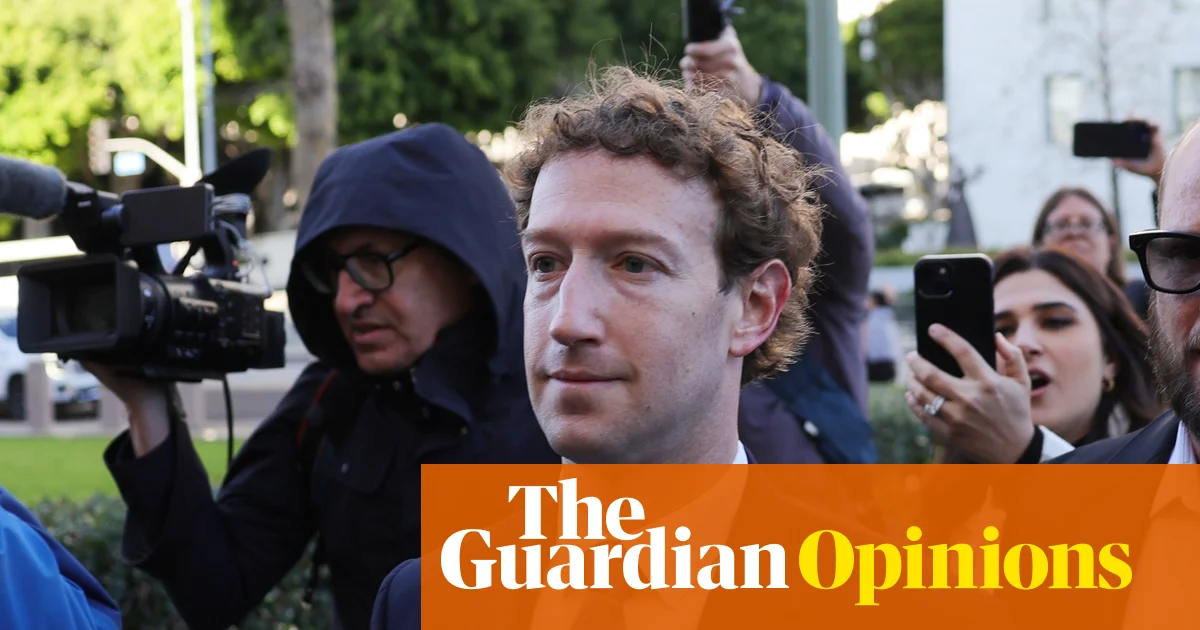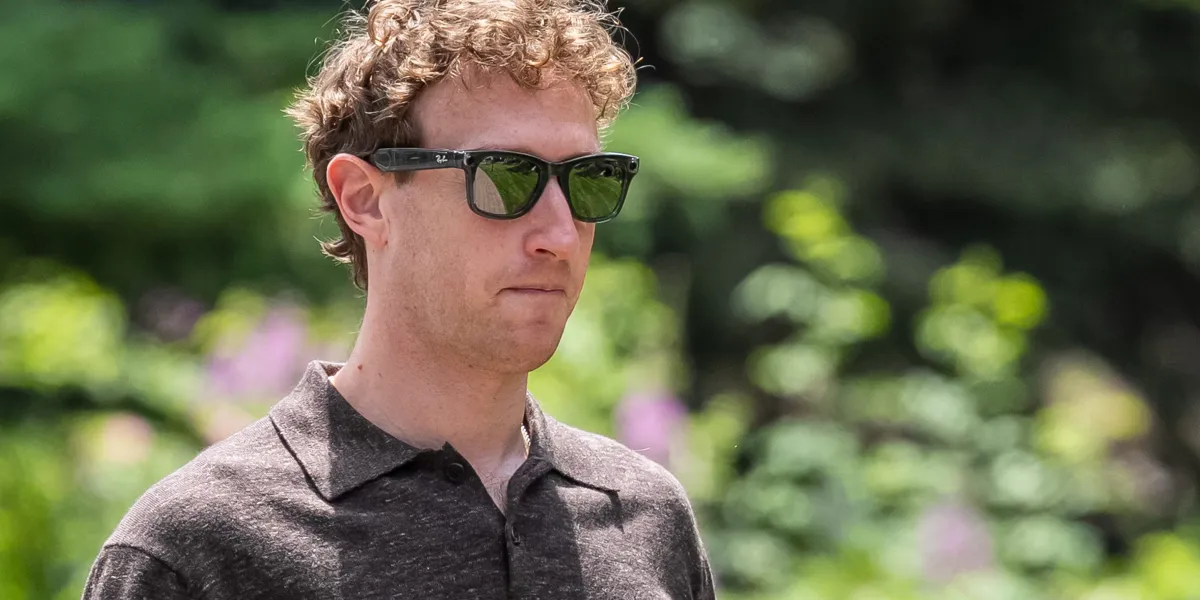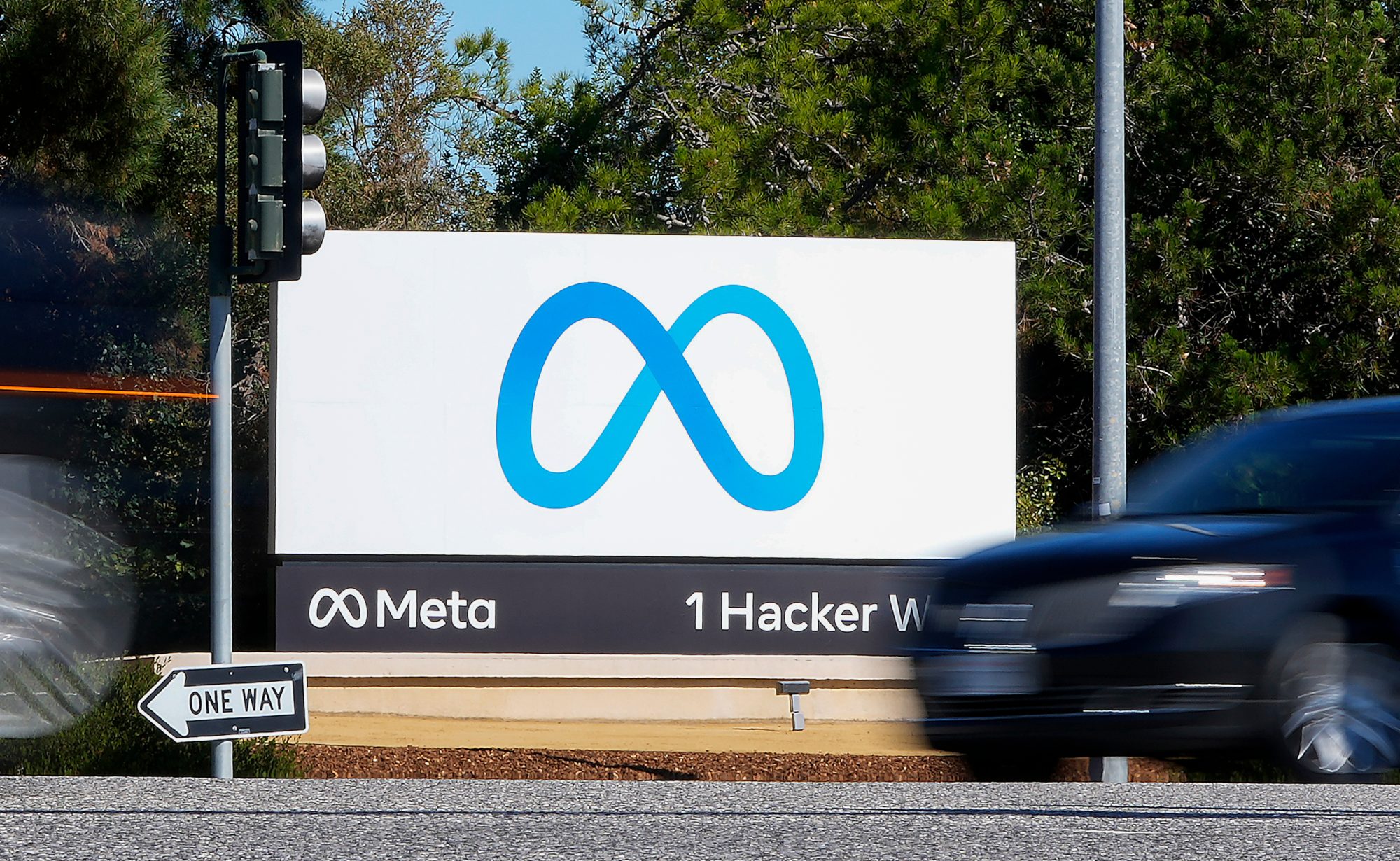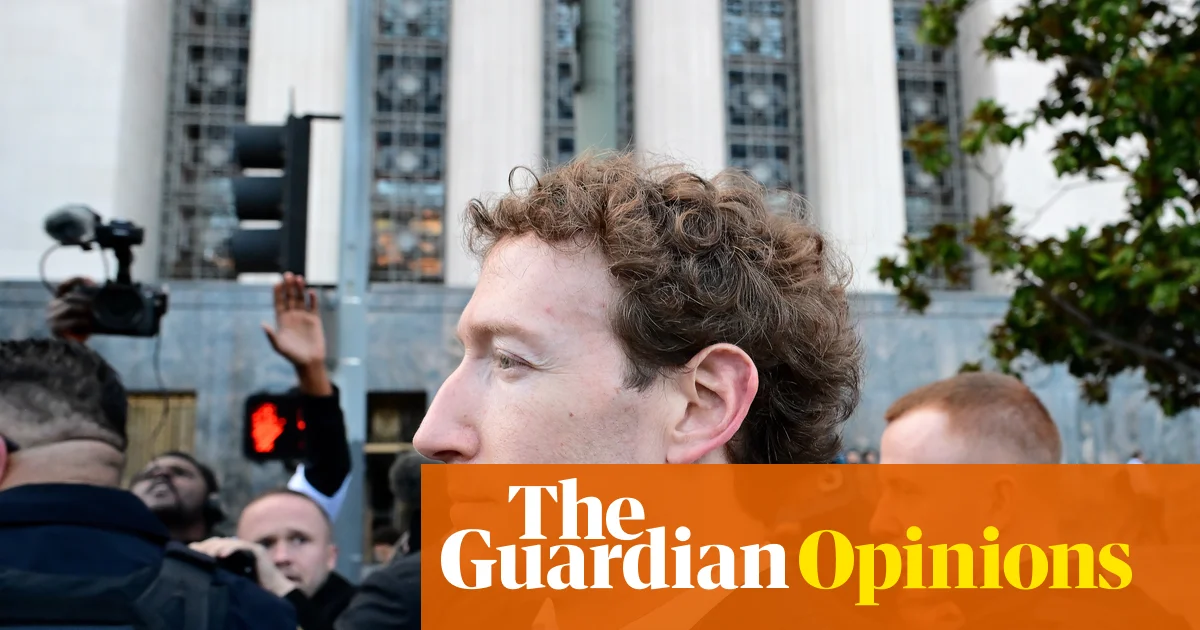
“Zuckerberg’s Meta agrees to pay $17 billion in bombshell child safety case,” ran the Daily Beast headline. The Guardian was more sober, but hardly reassuring: “Meta agrees to major changes to Facebook and Instagram as it settles US trial over teen addiction for up to $18 billion.”Investors, however, were less alarmed, with Meta shares initially rising more than 4 per cent after the settlement of claims brought by 29 US states alleging that its platforms were designed to keep children hooked while failing to protect them from harm.The relatively nonchalant reaction is understandable in some respects. The aforementioned fine is the maximum amount, spread over a decade, with part of it dependent on similar settlements being reached by TikTok and YouTube.More importantly, the settlement removes the uncertainty surrounding what could have been a vastly larger liability, with investors deciding that up to $18 billion is a manageable price to pay for putting one of Meta’s biggest legal headaches behind it.Still, while a large financial penalty was clearly already priced into shares, the settlement marks another reputational hit for Mark Zuckerberg’s company. Meta ranks near the bottom in the 2026 Axios Harris Poll 100, an annual poll measuring corporate reputations. To be precise, it comes 96th – below Elon Musk’s Tesla, Chinese ultra-fast fashion giant Shein, and Rupert Murdoch’s Fox Corporation, and barely above another controversy-plagued Musk company, X.Research suggests corporate reputation can matter to investors, with some studies finding an association between stronger reputations and better subsequent investment performance.Certainly, Zuckerberg has long been conscious of Meta’s reputation, repeatedly seeking to reshape the company’s image as circumstances change.And one can see why. Poor reputation overlaps with real business risks, including litigation, regulation, political pressure, growing scrutiny and, ultimately, a lower valuation multiple. Investors may have shrugged at the multibillion-dollar payout, but they shouldn’t necessarily shrug at what produced it.
Investors shrug, but Meta’s $17bn payout comes with a reputational cost
Child protection case settlement removes offers certainty on what could have been a vastly larger liability
308 words~1 min read