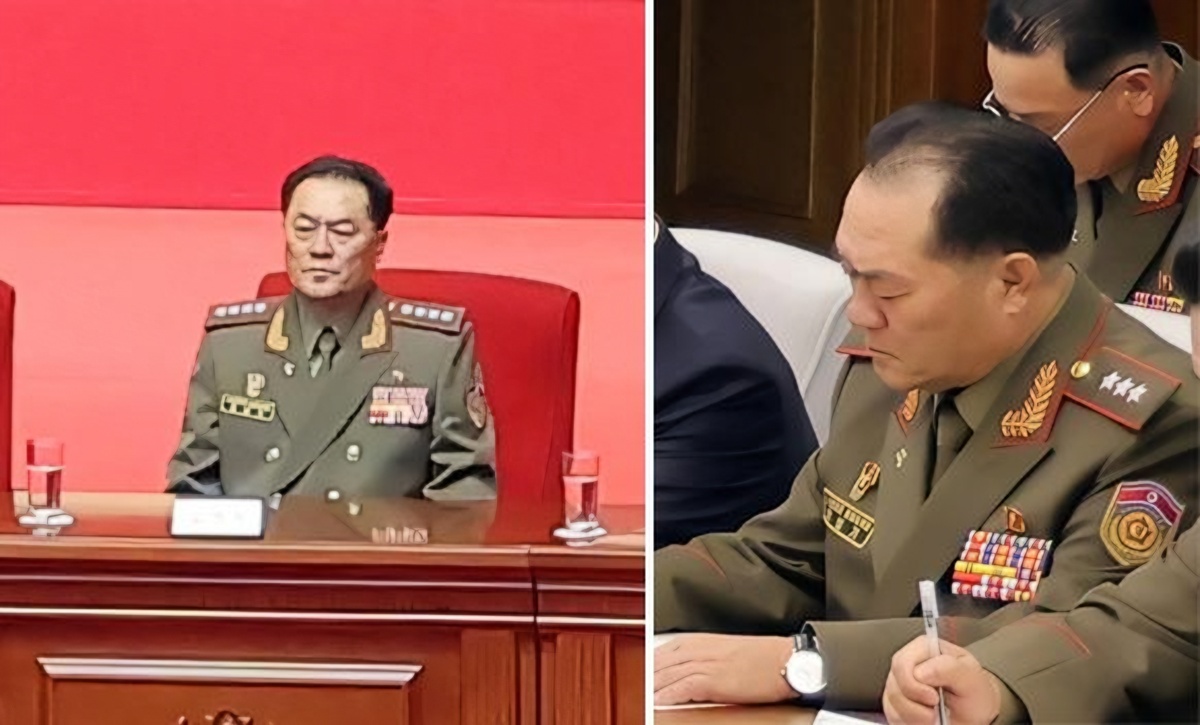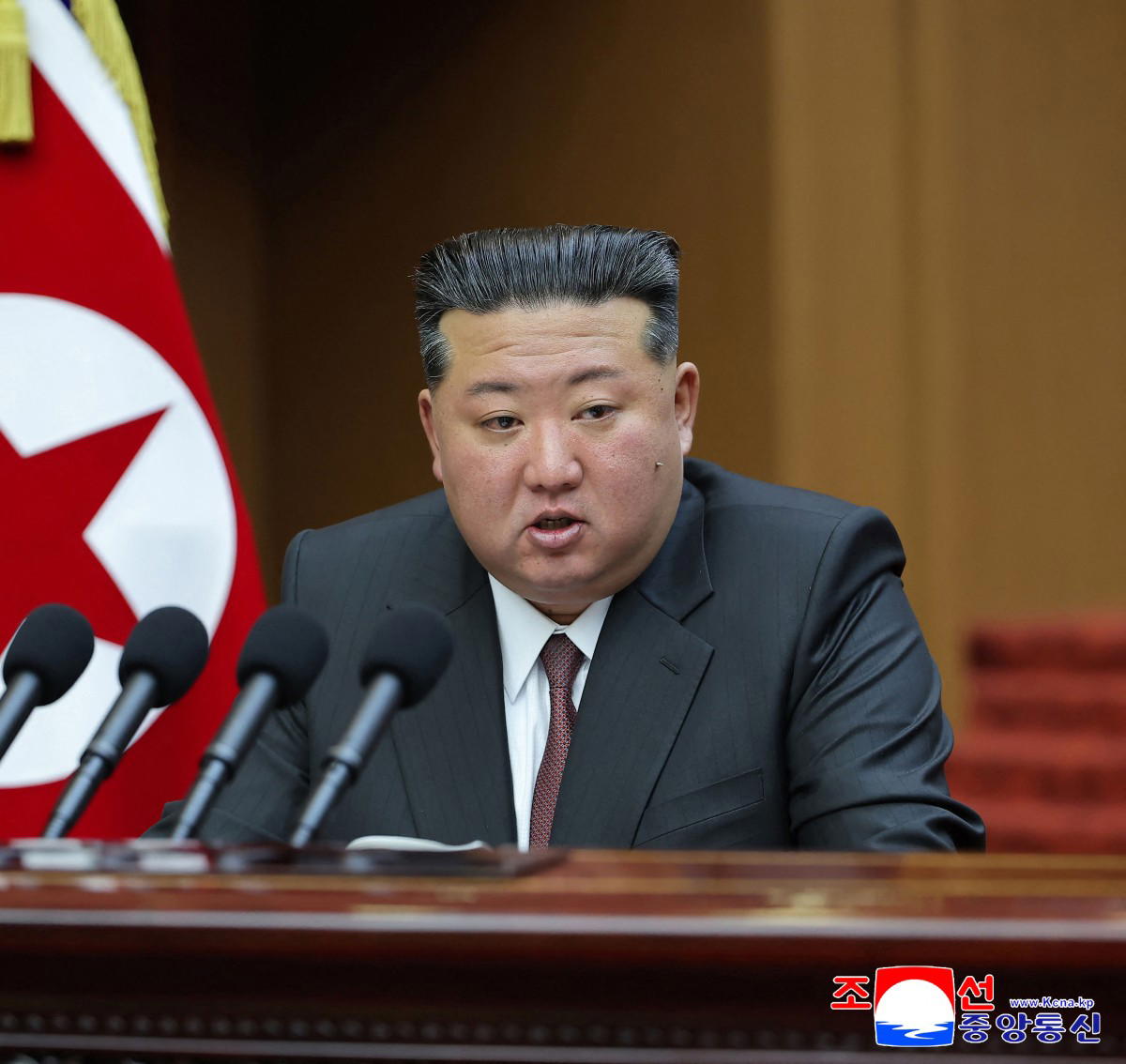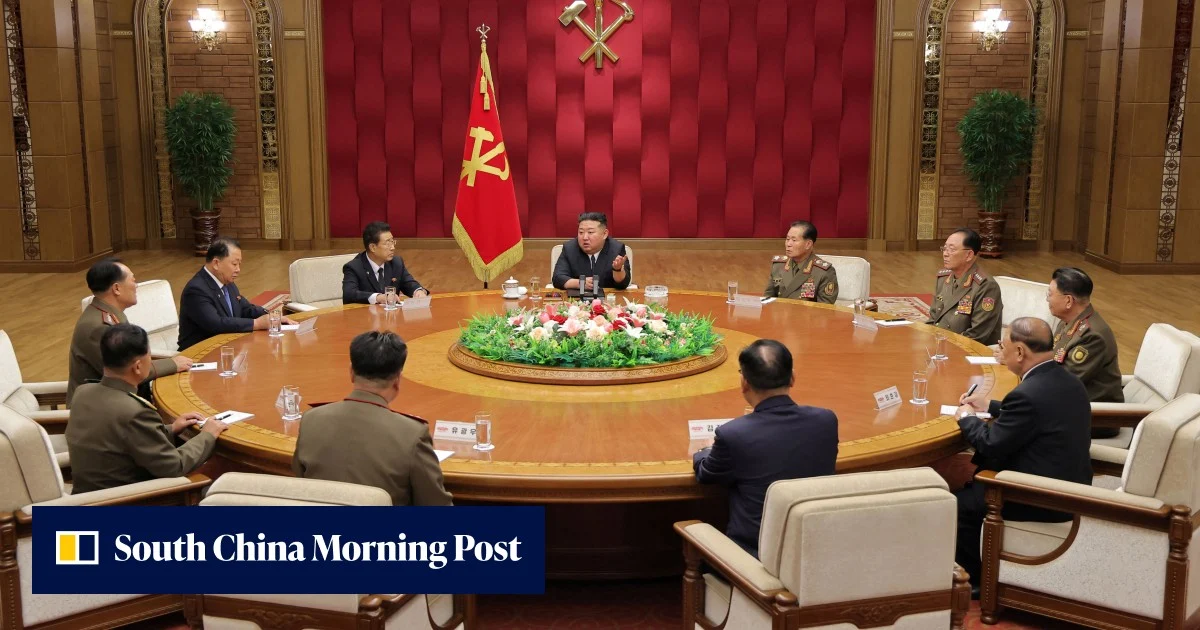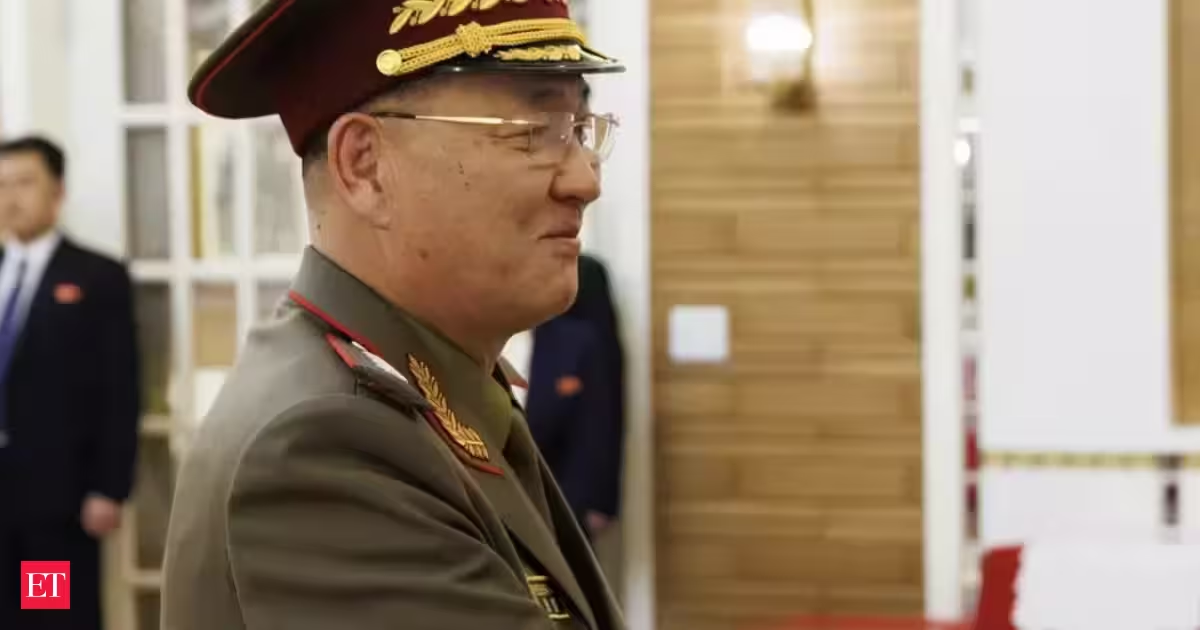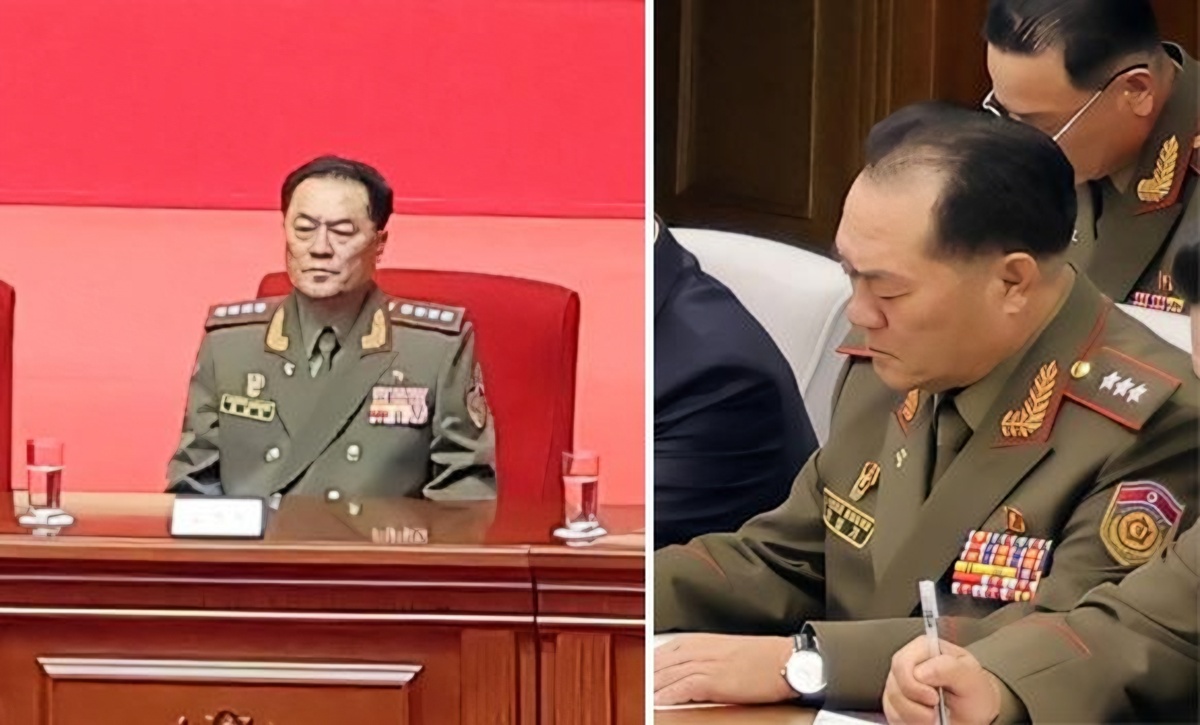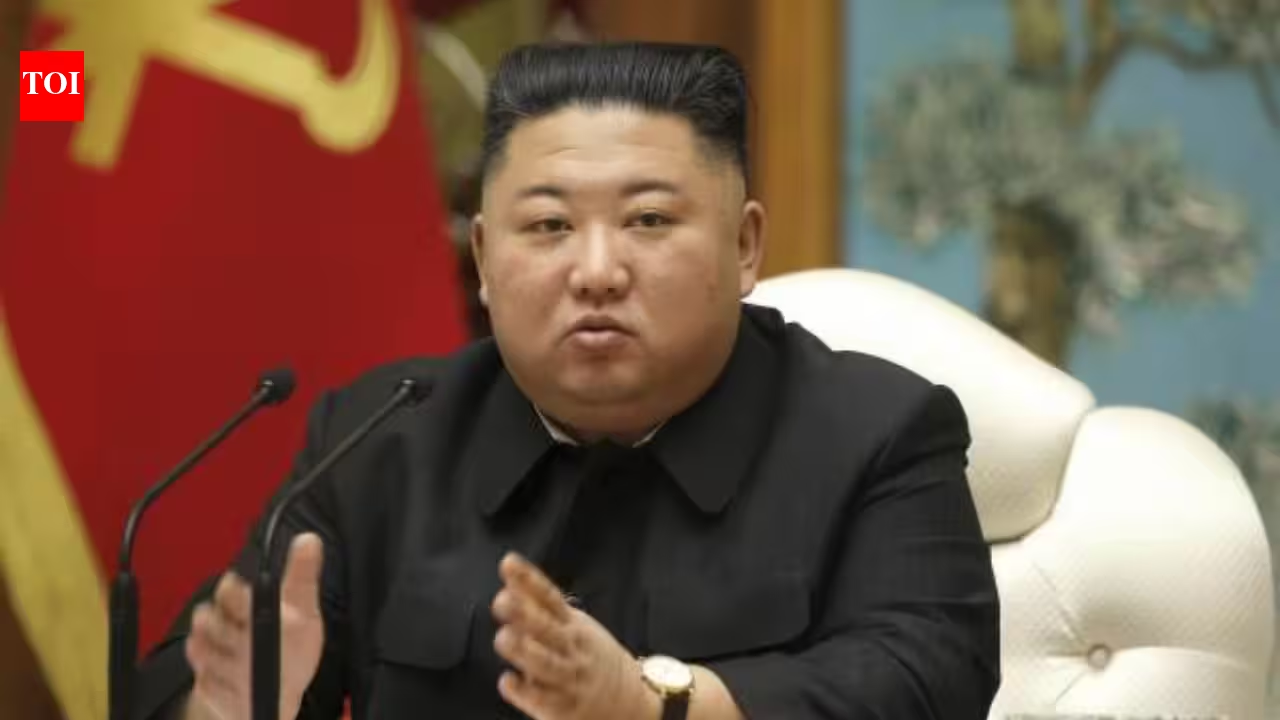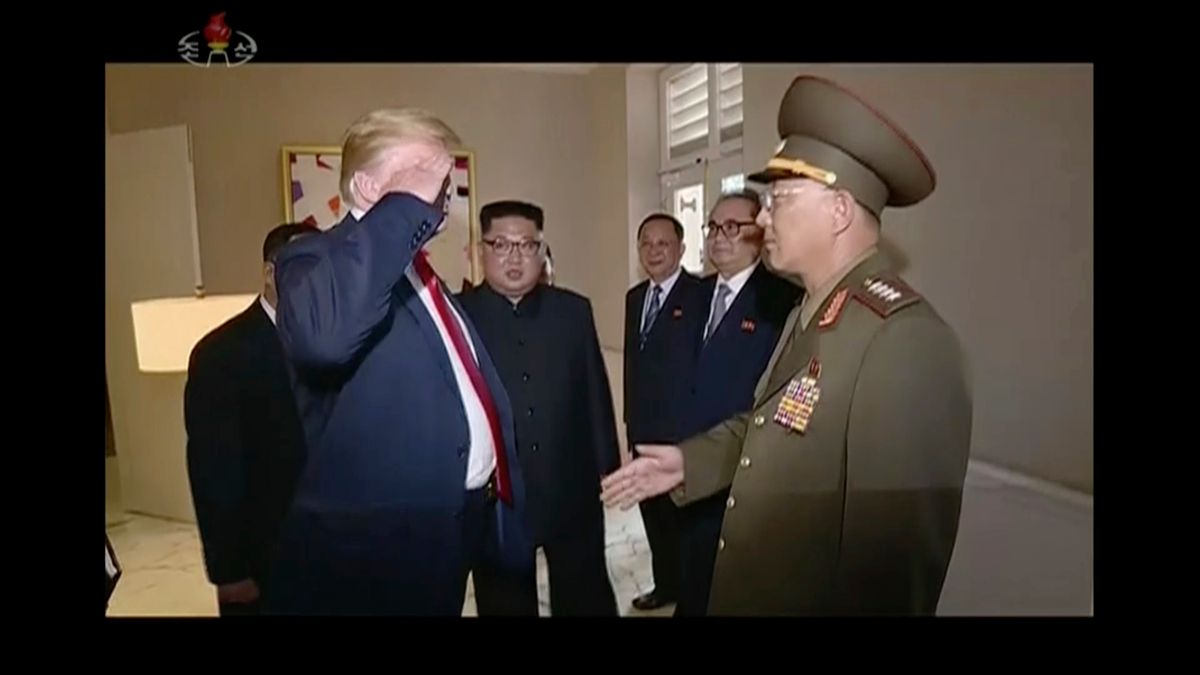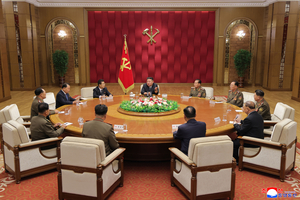
The second meeting of the ninth Workers' Party of Korea Central Military Commission takes place in Pyongyang on Saturday, in this photo released by the state-run Korean Central News Agency the next day. (Yonhap via Korean Central News Agency) North Korean leader Kim Jong-un has carried out a sweeping reshuffle of the country’s military leadership, bringing back a veteran heavyweight and recasting several senior posts.The shake-up restored veteran Park Jong-chon to the No. 2 post and moved Defense Minister No Kwang-chol — who held the equivalent post during Kim’s summit diplomacy with the US during President Donald Trump’s first term — to the Party Central Committee’s Munitions Industry Department.The changes were announced at the second meeting of the ninth Central Military Commission of the ruling Workers’ Party of Korea, held Saturday under the guidance of Kim, who chairs the commission, North Korean state media reported Sunday.Analysts say the reshuffle is designed to stabilize military command at the top through the return of a trusted veteran, while realigning political, security and munitions officials to accelerate weapons modernization, tighten military discipline and reinforce Kim’s control over the armed forces.The most prominent move was the return of Park as vice chairman of the Central Military Commission and a member of the party’s Politburo, effectively restoring him as the No. 2 figure in North Korea’s military hierarchy.Park’s return comes just six months after he was pushed out of military leadership. At the Ninth Party Congress in February, Park stepped down from all of his key posts and was reassigned as an adviser to the Ministry of National Defense.“His return appears aimed at completing the practical task of deploying and operating advanced weapons systems under the five-year defense development plan adopted at the Ninth Party Congress,” said Lim Eul-chul, a professor at Kyungnam University’s Institute for Far Eastern Studies.Lim said Park’s return underscores his “irreplaceability as an expert in nuclear weapons, missiles and artillery” and reflects the leadership’s continued reliance on him to drive the modernization and operational deployment of advanced weapons systems.A former artillery commander and chief of the General Staff, Park has been closely associated with the development and fielding of North Korea’s artillery, ballistic missile and tactical nuclear capabilities, including systems geared toward operations against South Korea.Observers also noted that the reshuffle came on the same day as a separate awards ceremony for defense scientists and researchers at the headquarters of the Party Central Committee.North Korean state media reported that Kim honored officials credited with developing new combat weapon systems and improving their performance, underscoring Pyongyang’s continued focus on defense modernization.No’s reassignment fits into that broader push. He was replaced as defense minister and moved to the Party Central Committee’s Munitions Industry Department as first vice director.The move effectively returns No to a field in which he has deep experience. From 2016 to 2018, he headed the Second Economic Committee, North Korea’s top body overseeing the defense industry and a key institution in the country’s military economy and arms production.He was later appointed minister of the People’s Armed Forces — the predecessor to today’s defense minister — shortly before the first US-North Korea summit in Singapore in June 2018. In that role, he accompanied Kim to a series of high-profile summits with China, South Korea and the United States.Experts therefore see his return to the munitions sector as an effort to put that expertise closer to weapons production, as Pyongyang seeks to move new systems from development into mass production and field deployment.“No Kwang Chol’s reassignment is closer to a lateral move than a dismissal or demotion,” Yang Moo-jin, professor emeritus at the University of North Korean Studies in Seoul, said. “It appears intended to draw on his practical expertise and have him focus on weapons production and the munitions sector.”Yang notes that No could take charge of artillery shells and conventional weapons production, while Kim Jong Sik, another first vice director of the Munitions Industry Department, continues to focus on nuclear weapons and missiles.No was replaced as defense minister by Kim Song-gi, who served as the director of the General Political Bureau of the Korean People's Army,Observers noted the move points to a different priority at the Defense Ministry: strengthening the party’s political oversight of military administration.Kim Song-gi’s appointment is “a promotion that reflects Kim Jong-un’s intention to more firmly integrate the party’s political and ideological control into the military’s administrative and external affairs,” Yang said.Yu Kwang-u, previously director of the Security Bureau of the Korean People’s Army, was promoted to first deputy director of the General Political Bureau and entered the party’s Politburo.Om Ju-ho, previously the KPA Air Force’s political commissar, was named to replace Yu as head of the Security Bureau, further linking the military’s political and internal surveillance apparatus.Lim said the appointments amounted to a broader reorganization of the military’s internal control and inspection apparatus, with the former security chief moved into a key post in the General Political Bureau and a political officer from the Air Force placed in charge of counterintelligence and internal surveillance.“The rise of Yu Kwang-u and Om Ju-ho also reflects a generational shift within the military and the growing prominence of political and security officials who underpin the Kim Jong-un regime,” Yang added.
N. Korea reshuffles military command around arms production, discipline
North Korean leader Kim Jong-un has carried out a sweeping reshuffle of the country’s military leadership, bringing back a veteran heavyweight and recasting sev
871 words~4 min read