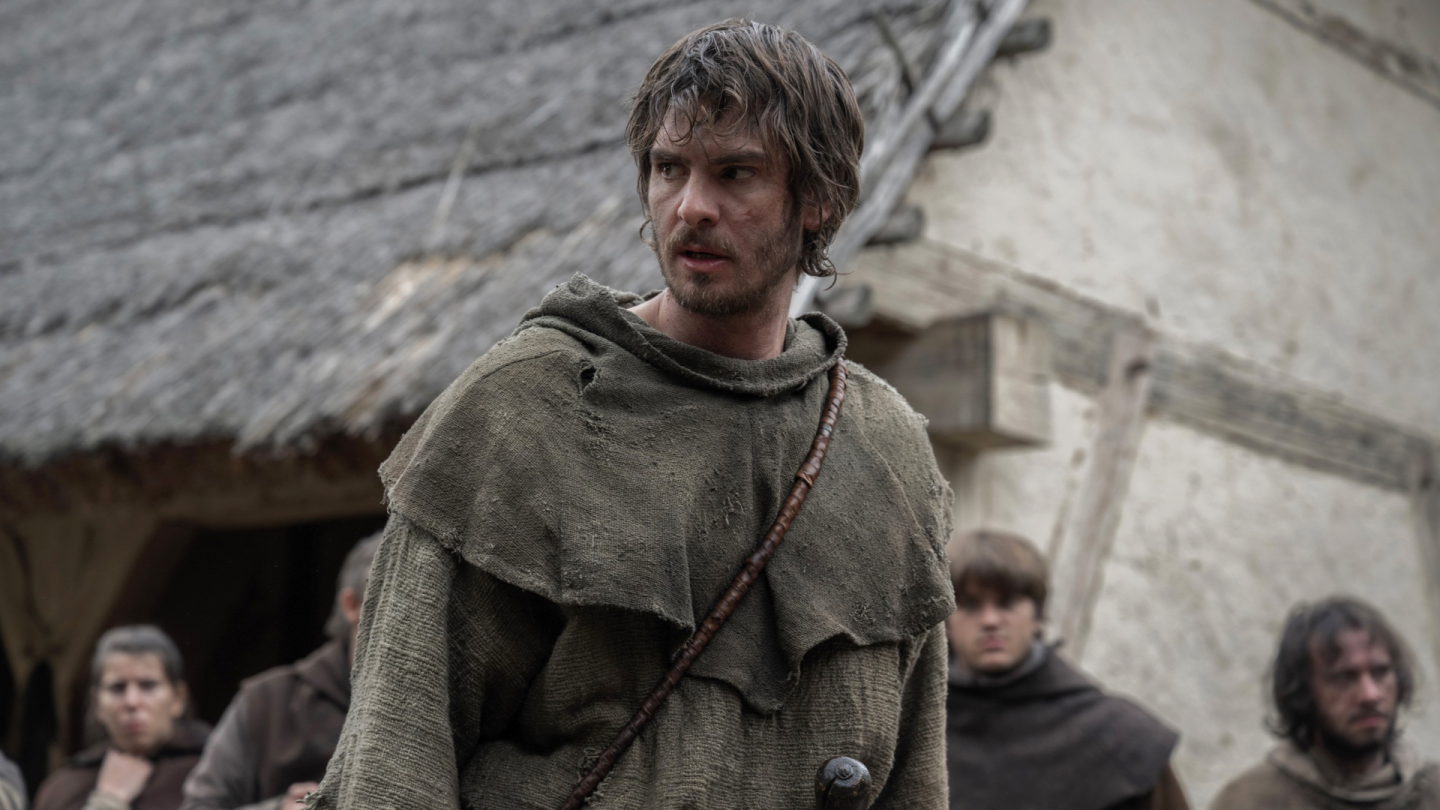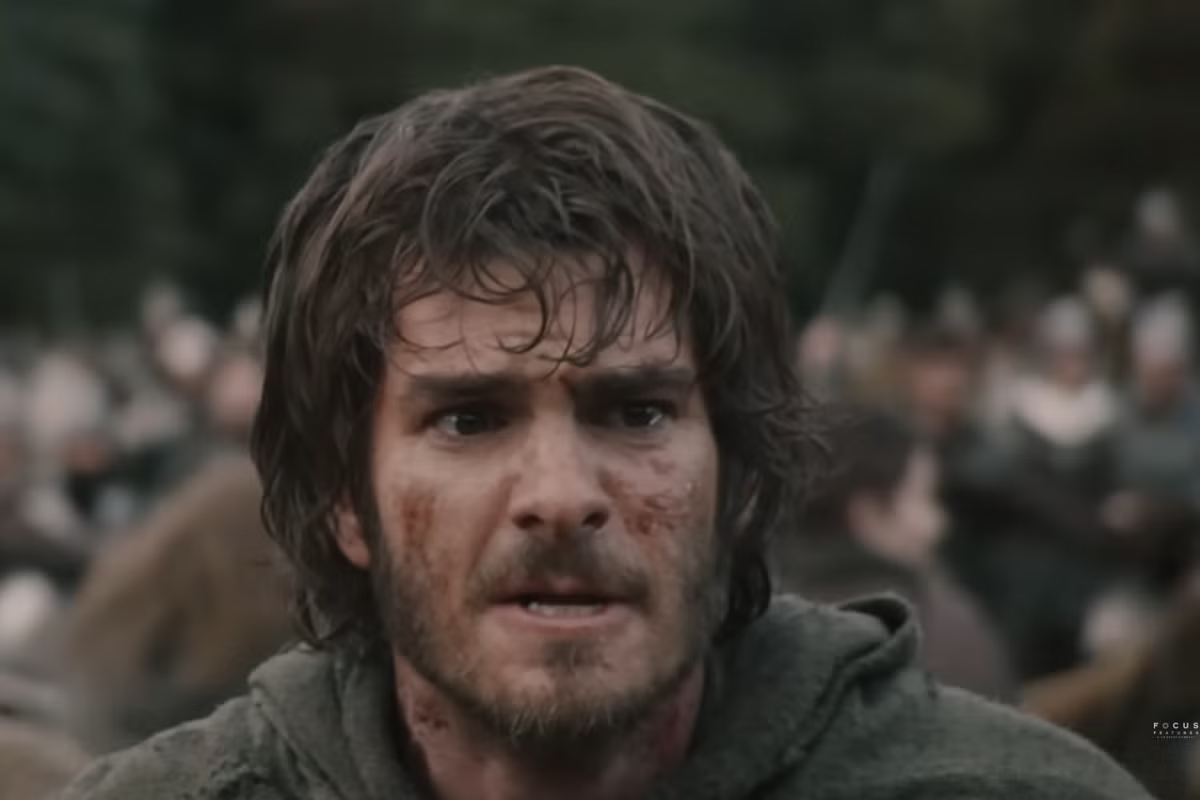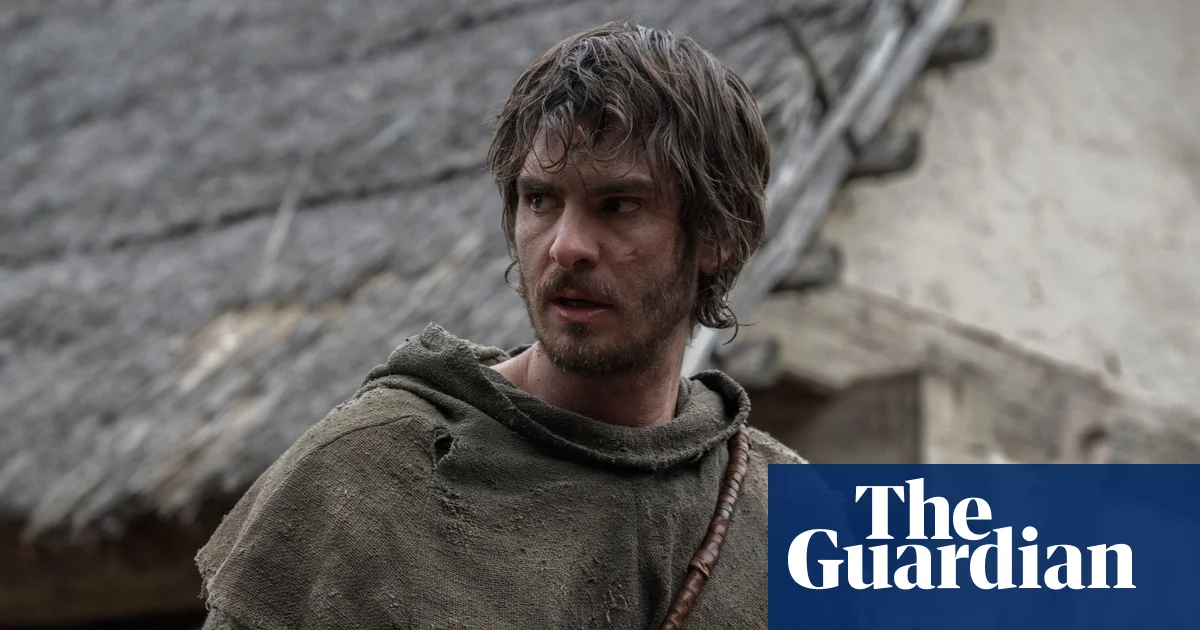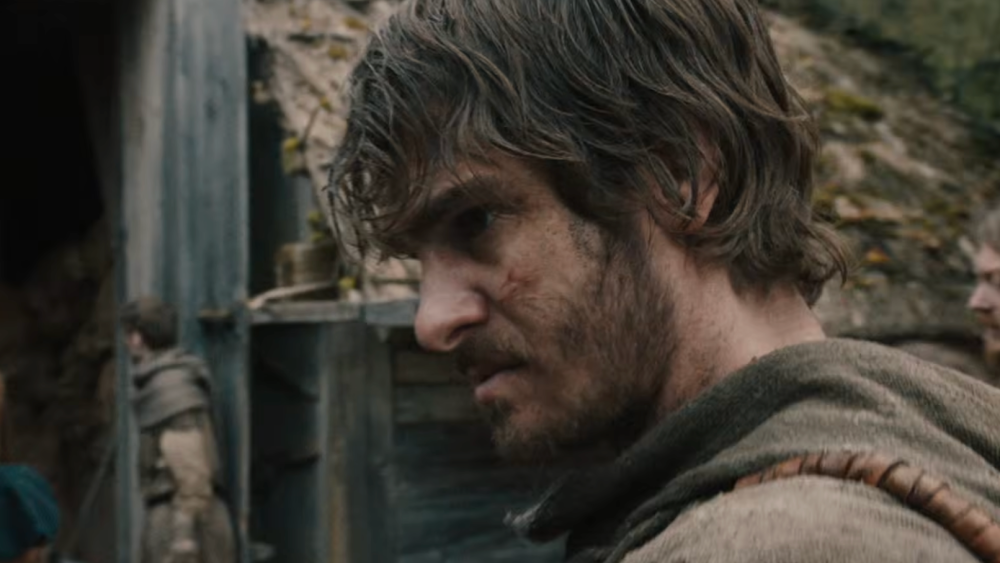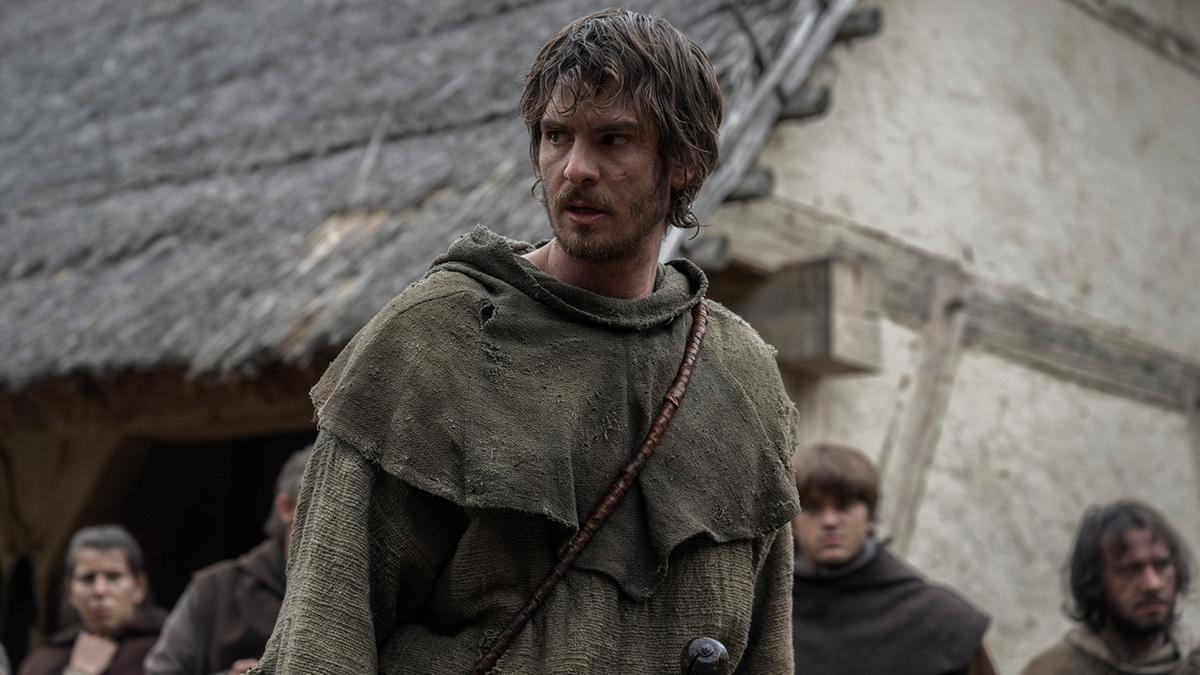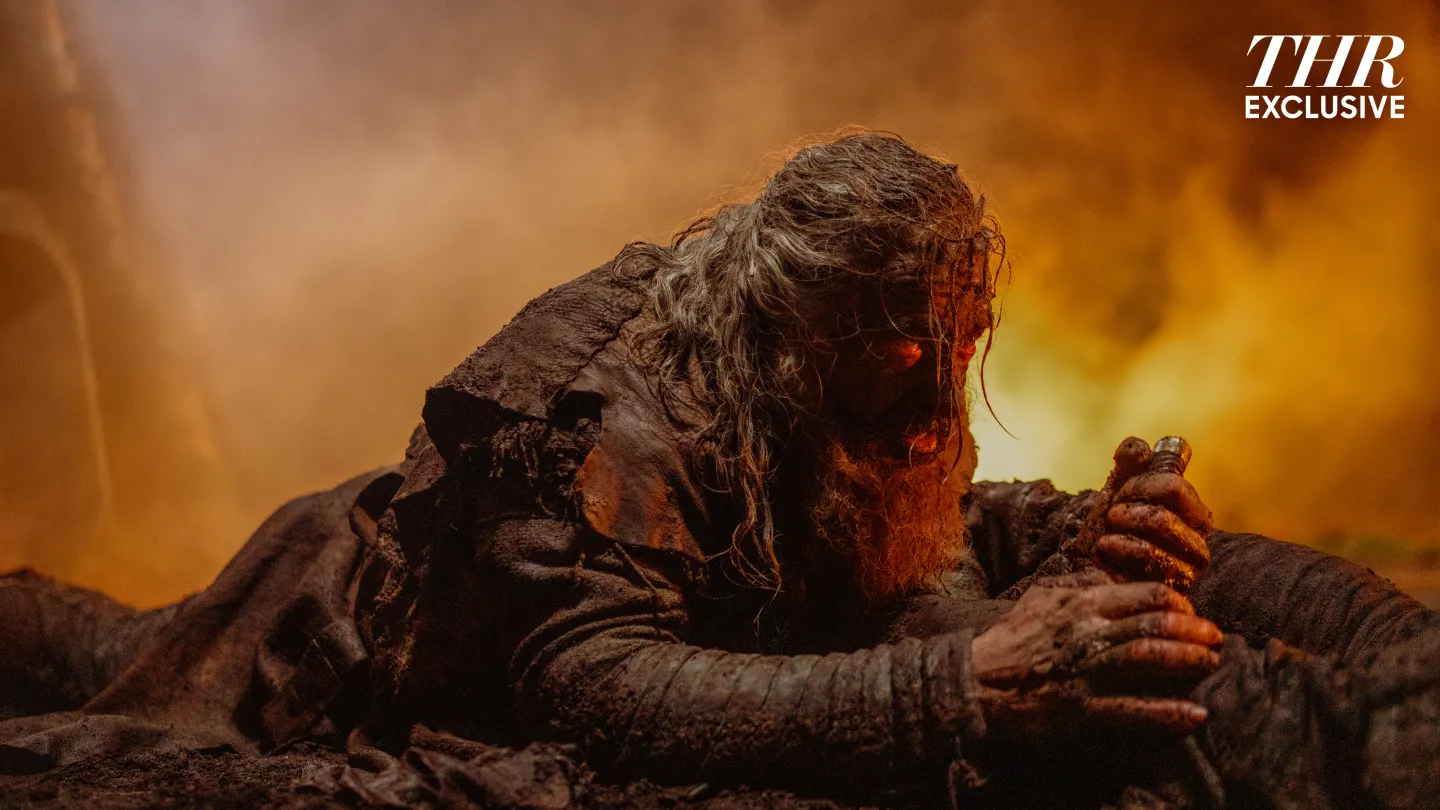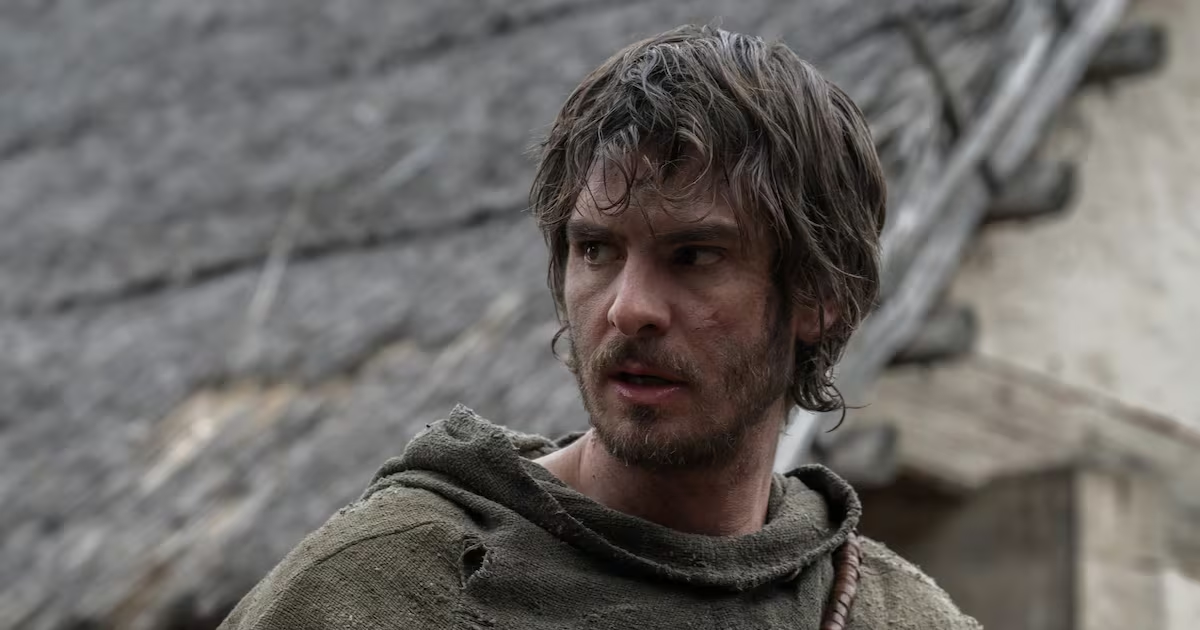
Has Paul Greengrass’s The Uprising just turned into a Robin Hood flick? The upcoming drama stars Andrew Garfield as a fictional participant in the Peasants’ Revolt, which in 1381 threatened the reign of Richard II, the king of England. That sounds promising.Earlier this week the film’s X account, affiliated to Focus Features, posted a clip under the strapline “Witness the Rise of Robin Hood”. You what now? In most of the 4,000 versions I have sat through, Robin Hood existed at the time of Richard I. That would have him wearing Lincoln Green close to two centuries before Wat Tyler, who is played by Cosmo Jarvis in The Uprising, led his rebels to London. “Andrew Garfield is not just a rebellious peasant in his upcoming action period drama,” the Hollywood Reporter puzzled. “He’s Robin Hood.”But is he?A glance at the Focus Features website brings muddied clarity. The film is, apparently, “set against the true events of the uprising that helped inspire the legend of Robin Hood”. So this story encouraged later chroniclers to look way back and fashion the most durable of heroic myths? Or something. We will find out all when the film opens here on October 9th.We know for certain that Michael Sarnoski’s grimly impressive The Death of Robin Hood, which lands here next week, stars Hugh Jackman in a fiercely revisionist study of the class warrior in his declining years. We know that the ongoing series on the MGM+ streaming service – helpfully titled just Robin Hood – is a more mainstream variation on the character.The list of Robin Hood adaptations on screen alone could fill a volume the size of the contemporaneous Domesday Book. Just ponder a few recent efforts. In 2018 Eve Hewson played Marian opposite Taran Egerton’s cheeky Robin in a film produced by Leonardo DiCaprio. The 2010 Cannes film festival opened with Russell Crowe growling his way through Ridley Scott’s take. From 2006 to 2009 the BBC broadcast a modestly successful series featuring the Irishman Jonas Armstrong in the title role. [ From 2018: Blame ‘Game of Thrones’ for the useless new Robin Hood movieOpens in new window ]The character has been a staple of film and TV for as long as either medium has existed. What is the appeal? What brings producers back even after successive adaptations fail?In interviews for The Uprising, Greengrass makes mention of William Langland’s late-14th-century poem Piers Plowman. “It was also very interesting to me that it is the first moment the character of Robin Hood appears in print,” he said leadingly. The official Sherwood Forest website finds mention of Little John, Will Scarlet and the sheriff of Nottingham in the 15th-century ballad A Lyttell Gest of Robyn Hode. Most of the key elements were well in place before Robin Hood made his appearance in Ivanhoe, Sir Walter Scott’s immortal 1819 novel.For all that lengthy history, the core texts now feel like two classic film versions: the 1922 silent take that really was titled Douglas Fairbanks in Robin Hood (proper stardom for you) and the glorious 1938 romp with Errol Flynn and Olivia de Havilland. If you deviated from the key elements depicted there audiences would want to know why.The sense of freedom and rebellion that runs through the myth helps explains the appeal. The Merry Men form an alternative community outside the hidebound norms of court life. The redistributive theme is also vital to the appeal. The notion that Robin “stole from the rich to give to the poor” feels like an unbreakably leftist position, but, over the years, right-wingers and libertarians have also claimed him for their own. “It is the Democrats who are King John and the Sheriff of Nottingham,” the US Republican senator Ted Cruz argued a few years ago. “And Robin Hood is saying, ‘Tax collectors, stop hammering people who are struggling, who are labouring in the fields, who are working. And stop taking it to the castle to give out to your buddies’.”In contrast, the British director John Irvin, who died last week, felt that his 1991 version with Patrick Bergin – which was pitched against Kevin Costner in the same year’s Robin Hood: Prince of Thieves – built upon “an underlying current of anti-Thatcherism”.The core myth is like Kevlar: both very strong and very flexible. Richard Lester’s wonderful Robin and Marian, from 1976, starring Sean Connery and Audrey Hepburn, leant into mournful elegy. The upcoming The Death of Robin Hood imagines that all you heard about the politically motivated bandit may have been propaganda. You know that a source has been exploited to the hilt when revisionist takes outnumber the versions playing it straight. It is 40 years since ITV’s Robin of Sherwood, with the memorable assistance of Clannad, reimagined the tales as mystical pagan fantasy. The churn has gone on ever since. The appeal of Hoodland seems eternal. No wonder the folk behind The Uprising reached for his name.[ ‘Woke’ now belongs to the right. It will need to be prised from their cold, dead handsOpens in new window ]
Donald Clarke: An unreliable history of Robin Hood, from Errol Flynn to Andrew Garfield
The folk behind new Paul Greengrass film The Uprising cast Andrew Garfield as Robin Hood. But is he?
840 words~4 min read