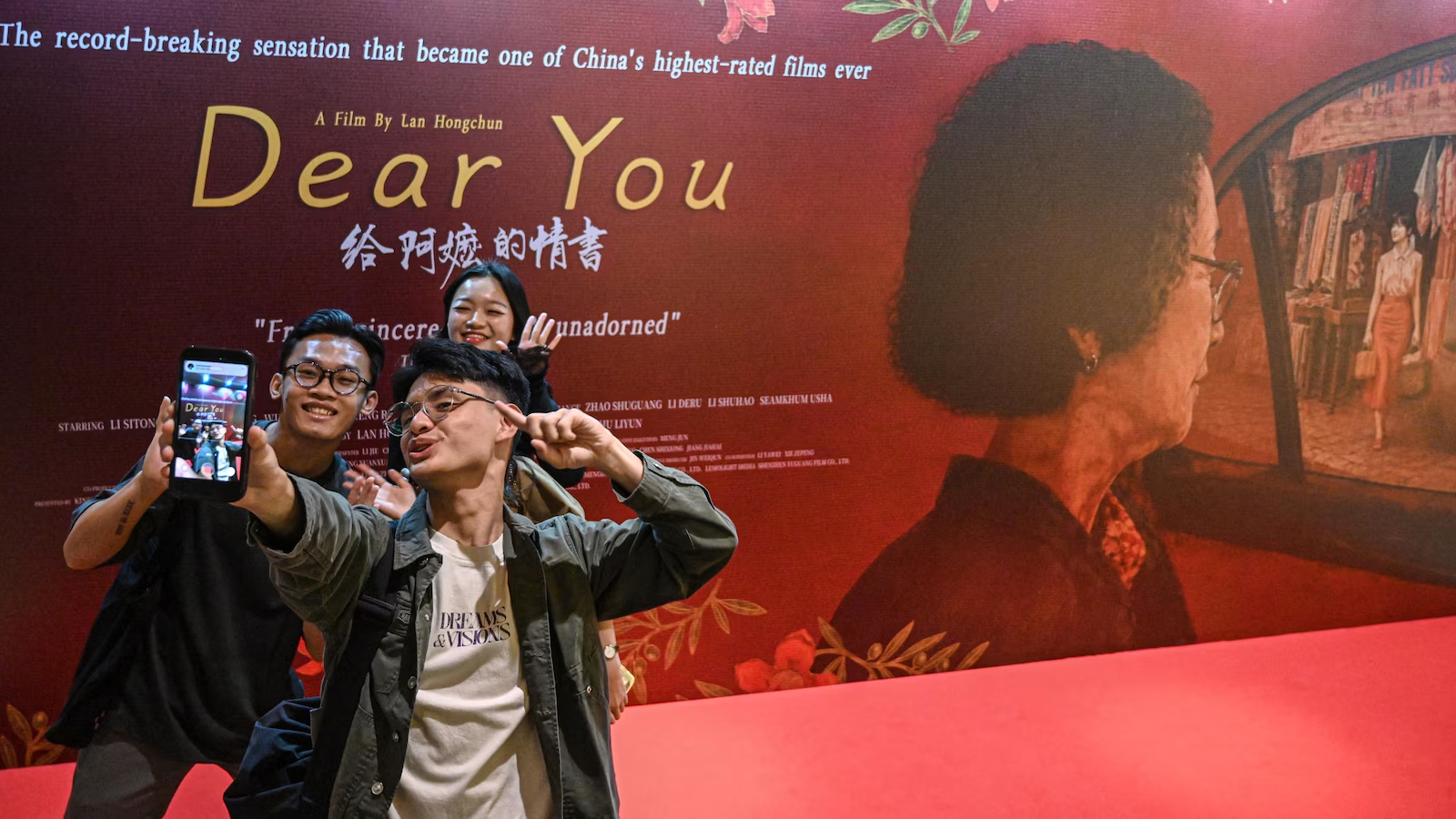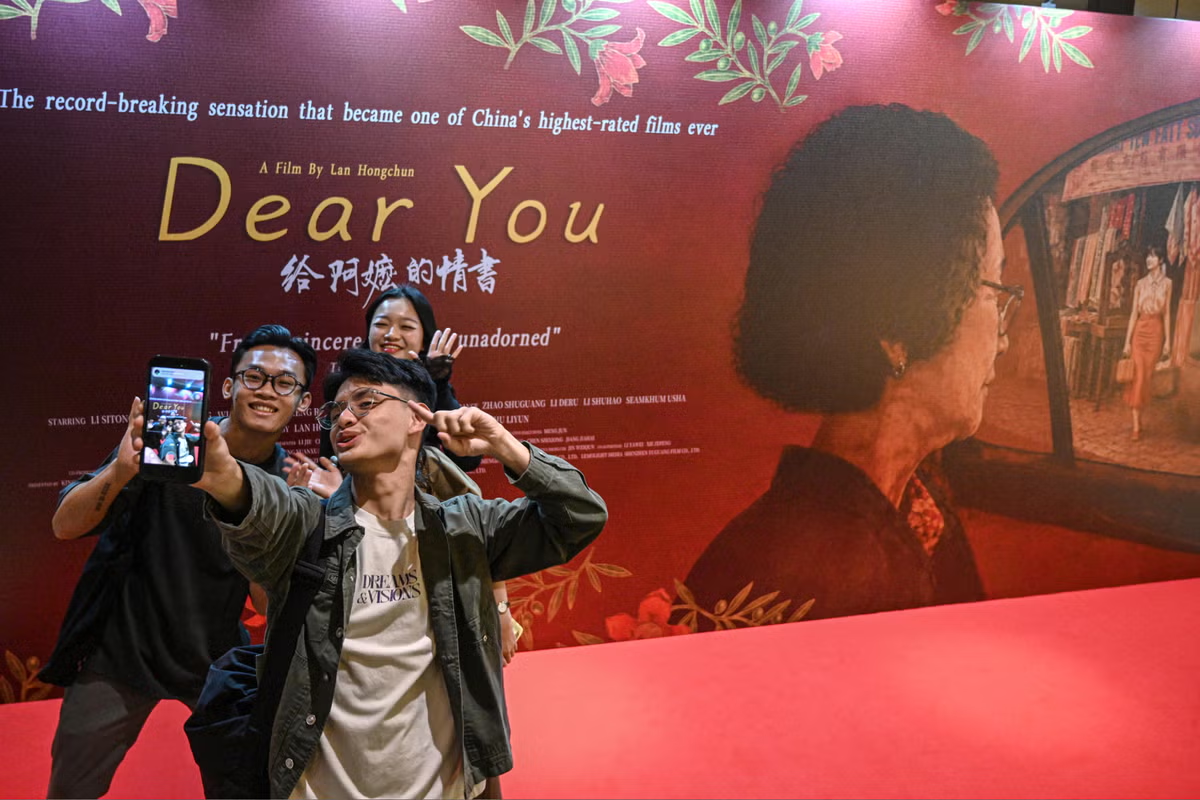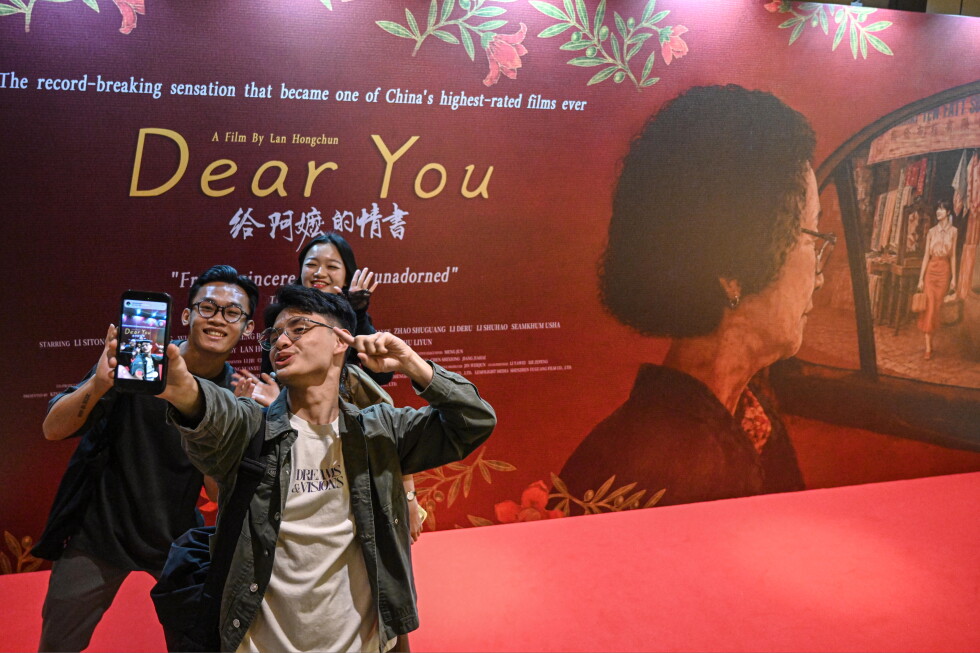
I went into Dear You expecting a tear-jerker. I came out thinking about my Gua-kong, the small boat that carried him out of China, and the life he built on this side of the sea. How wonderful, then, that a Teochew story could closely echo across so many Filipino-Chinese families.
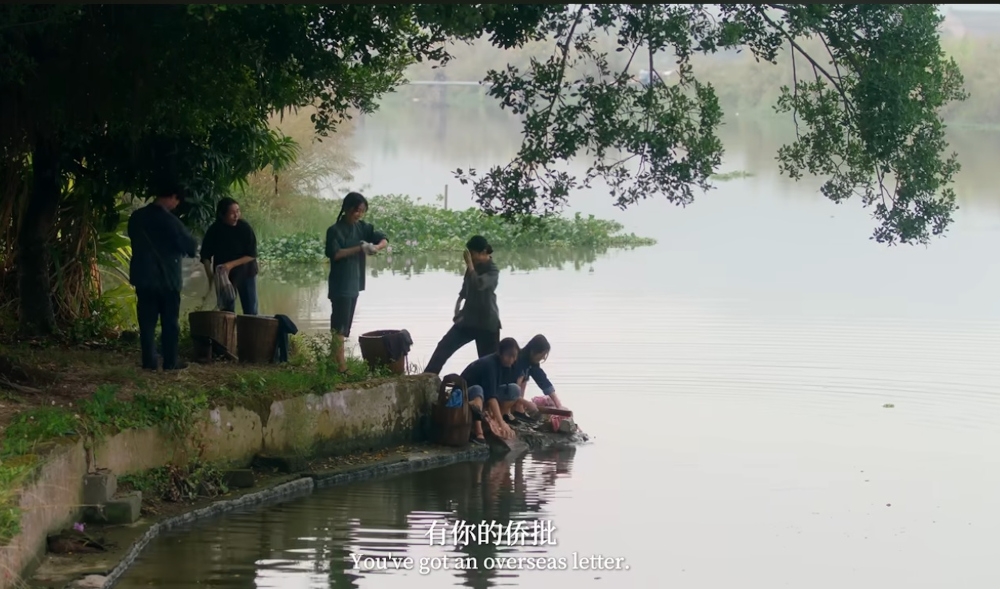
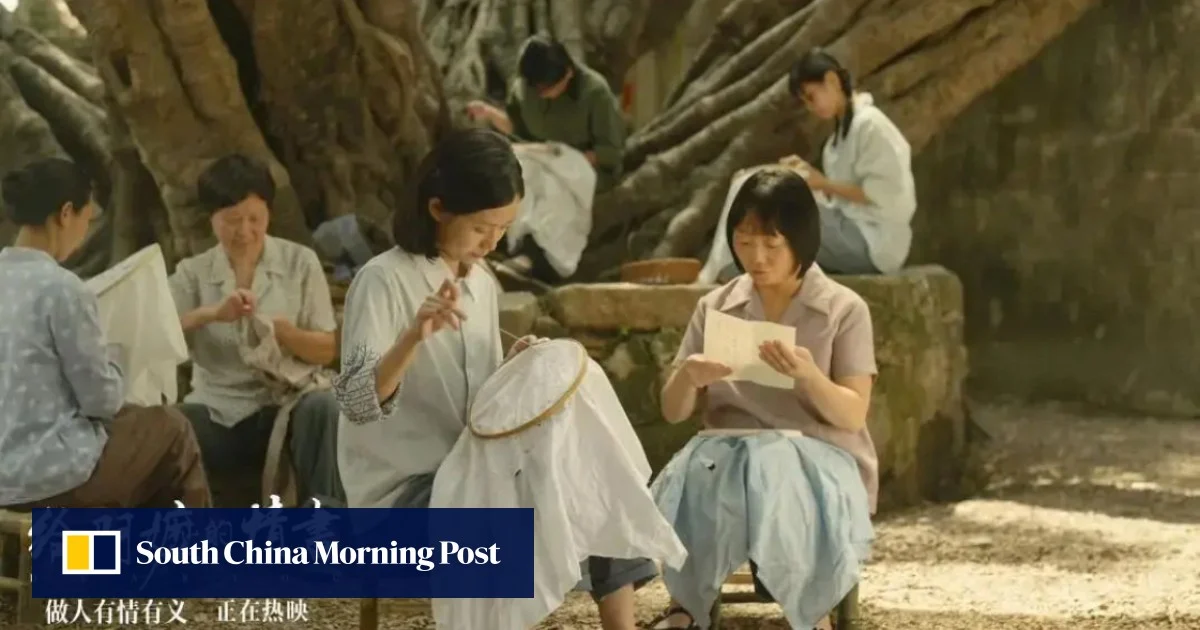
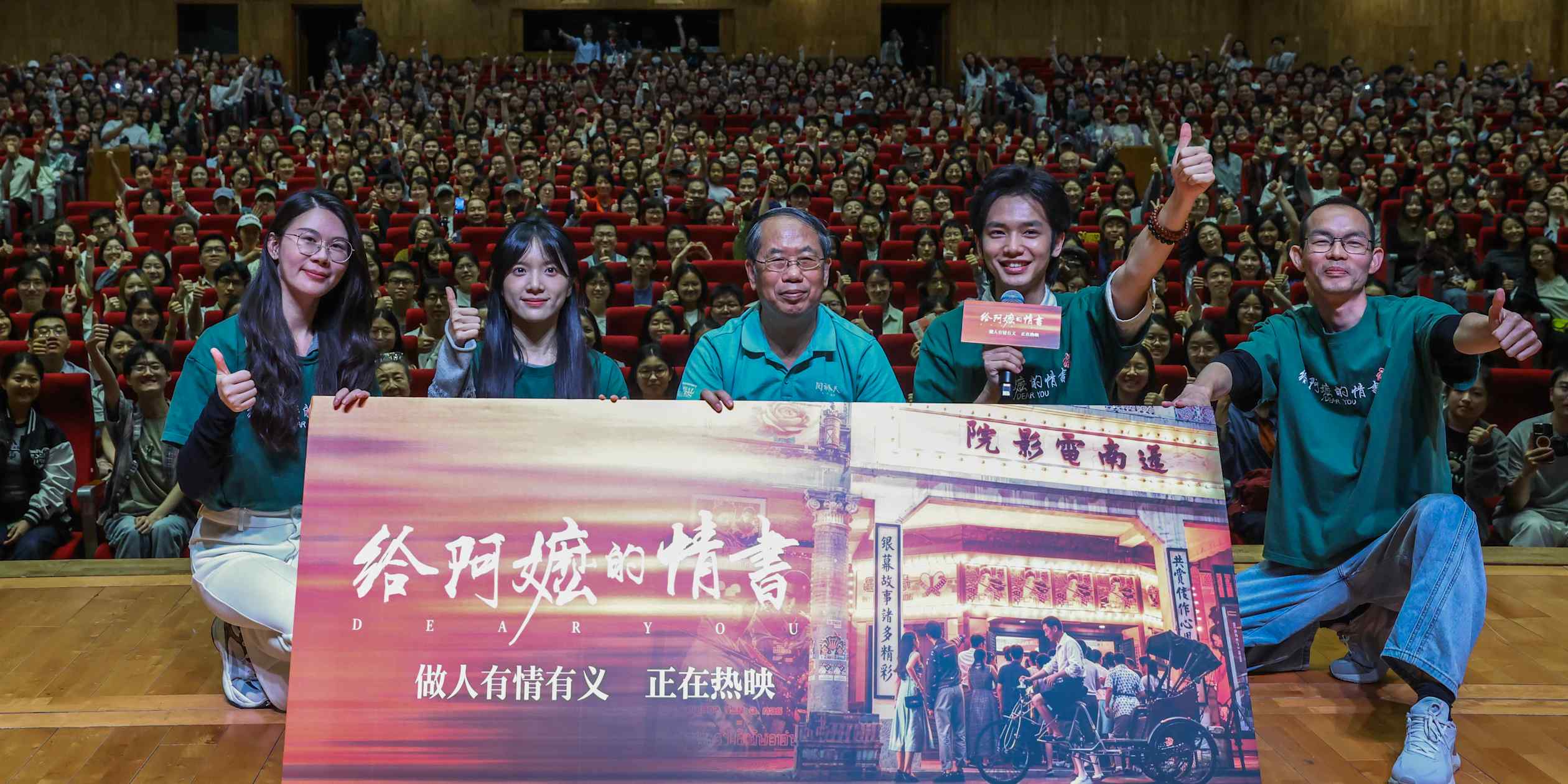
But before I get ahead of myself, a bit about the movie first. Made on a modest budget, Dear You has become a surprise hit in China, remarkable because the whole film is spoken not in Mandarin but in Teochew, the regional language of the Chaoshan area in Guangdong and of a sprawling diaspora across Southeast Asia.
It was, in fact, a real tear-jerker, full of secret letters, long-lost relatives, families split across oceans, and love expressed in just about every possible way except through the word itself. The story centers around Chinese migrants in Thailand and the qiaopi, letters sent home together with remittances, making it particularly resonant across Southeast Asia, where generations of Teochew families settled.
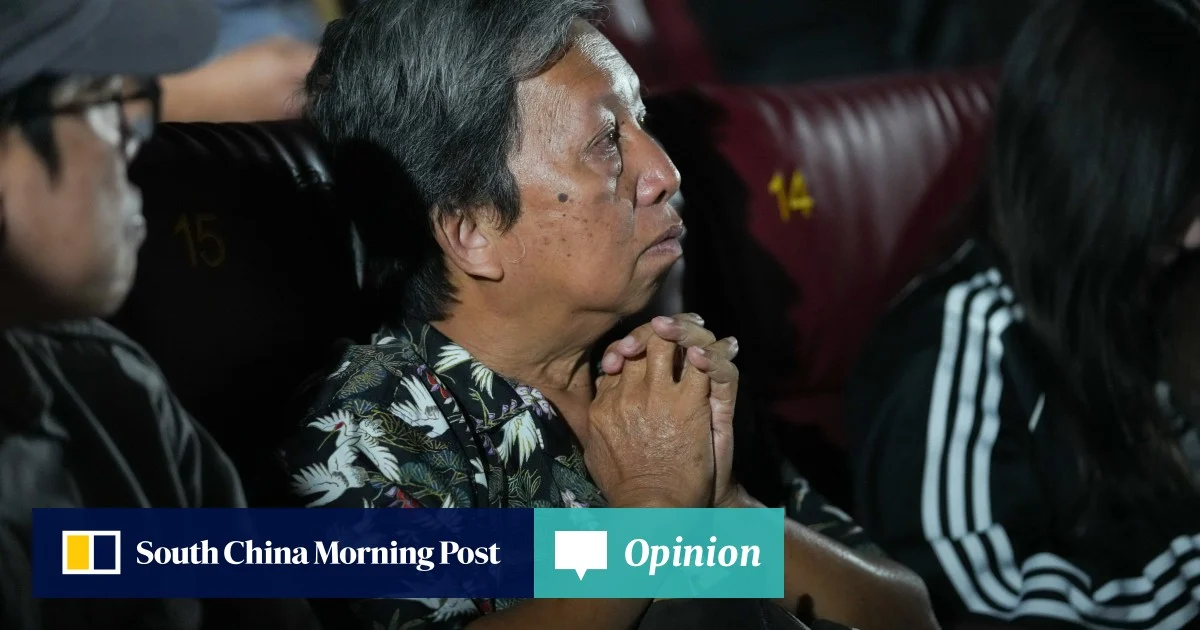
But Dear You has been warmly received in the Philippines too, especially among Filipino-Chinese viewers, most of whom trace their roots not to Teochew-speaking communities, but to Hokkien-speaking southern Fujian.