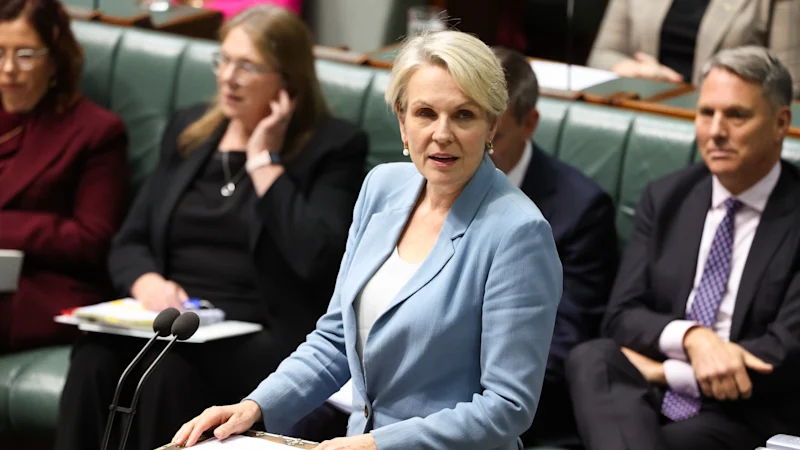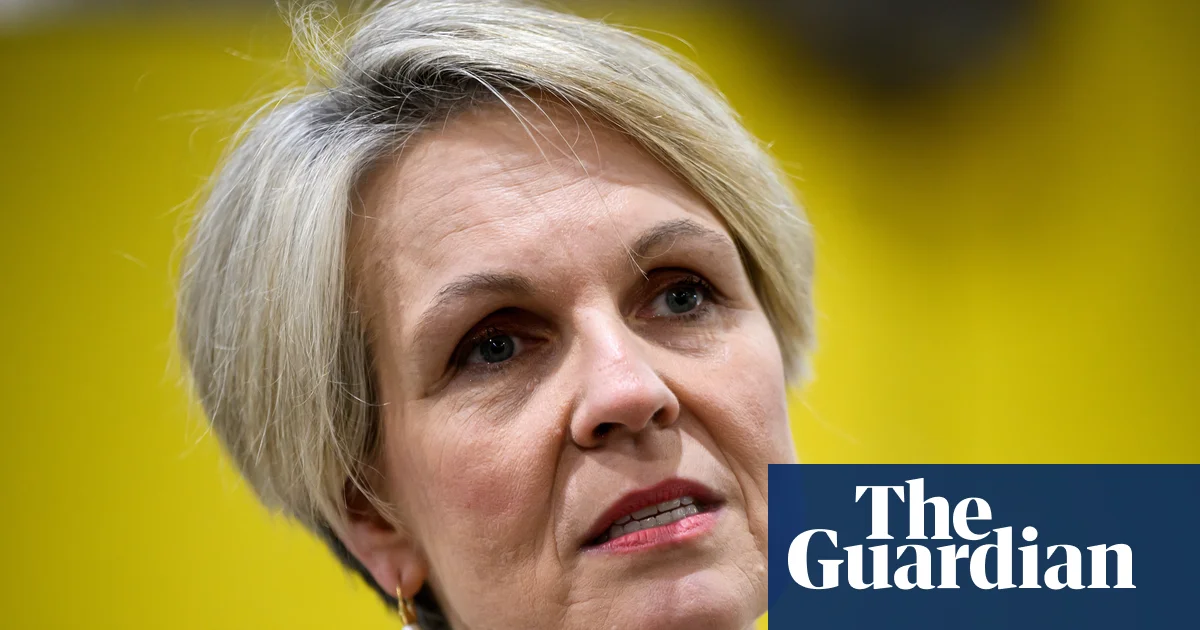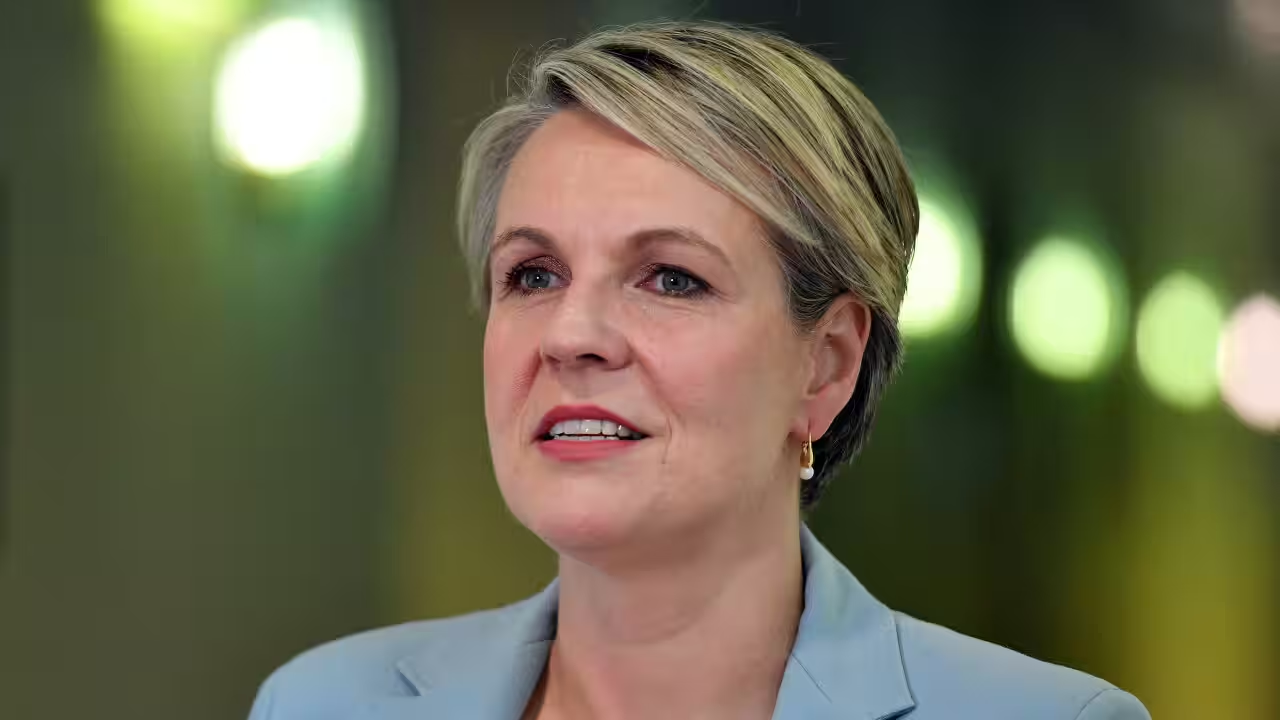
In briefThere are growing calls for better protections against harmful online content consumed by young people.Consent advocates have flagged growing concerns about the rise in sexual strangulation.Social Services Minister Tanya Plibersek says the government is considering further reforms around online safety and should be looking "very seriously" at following the United Kingdom's lead by outlawing depictions of strangulation in pornography.Her comments follow the recent death of a 16-year-old girl after a suspected sexual strangulation act. The death has sparked renewed concern over the rising rate of sexual violence among young people. According to the Breathless campaign, strangulation — often referred to as "choking" — has become a common sexual practice for young Australians.The campaign found 57 per cent of young Australians reported being strangled by a partner during sex, while 51 per cent said they had strangled a partner during sex. Among women, 61 per cent said they had experienced strangulation during sex.News that makes senseYour trusted source for staying up-to-date with the world around you. Get free daily news updates and analysis, straight to your inbox.Last year, the UK government moved to criminalise porn featuring strangulation or suffocating, introducing a bill that would make it illegal to create or share any such content. It was recommended in a UK government-commissioned review of online pornography, which found that dangerous practices were being normalised, particularly for young people, through porn.New South Wales Liberal leader Kelly Sloane has written to Prime Minister Anthony Albanese to call for a similar ban in Australia. "When pornography depicts an act capable of causing brain injury, unconsciousness or death, it should not be treated as just another form of adult entertainment," she said in a statement on Sunday.Speaking on ABC's Insiders, Plibersek said the government should look seriously at such a ban."There is something wrong with a situation where 60 per cent of young people say they've experienced strangulation during sexual encounters," the federal minister said."There is no safe way to strangle someone."Revisiting consent educationPlibersek said it would be crucial to educate young people that pornography is not real life."We know that children as young as 10 are seeing pornography before they've had their first kiss; they're getting their sex education from pornography," she said.The government has already introduced age restrictions for social media and pornography in a bid to limit what young people view online, though concerns have been raised about loopholes. Federal Education Minister Jason Clare announced on Sunday that the federal government would review the existing consent and respectful relationships program in schools to determine whether it needs strengthening. Last week, three teen students were charged with the sexual assault of a 14-year-old girl in Bondi, and three boys were charged with the sexual assault of a 17-year-old girl in a separate incident in Sydney's McCarthur region.In an interview with The Daily Telegraph, Clare said recent events had been "devastating"."At a time where young people — especially boys — are being targeted with poisonous content online, this is more important than ever," he said. Plibersek said the government was also open to examining the issue of algorithms, and whether social media companies should be forced to allow users to opt out. Research has found that dangerous and misogynistic ideas are reaching young men at scale through social media algorithms.The government is also developing a new digital duty of care framework that would force tech companies to identify potential risks of harm from their services and take reasonable steps to prevent them. A ban on smart glasses?Plibersek said the government would also closely consider whether so-called "smart glasses" should be banned, and if not, what safeguards should be put in place around their use.The devices, which look like ordinary glasses and can now be bought for less than $100, can be used to film people covertly without their knowledge or consent, prompting growing support for a ban.Attorney-General Michelle Rowland called on Australia's Office of the Australian Information Commissioner (OAIC) earlier this month to investigate the potential privacy implications of the products.Plibersek said the attorney-general would "have more to say about the import of the glasses soon".The Greens are calling for a 12-month ban on the import of the devices in order to first implement urgent reforms to privacy laws."These covert wearables are a disturbing technology," Greens spokesperson for digital rights, Senator David Shoebridge, said this week."They're built to let someone film you without your knowledge in a change room, on the street, or at your kid's swimming lesson, and our law does nothing about it."“While some of these devices have lights when they are recording these are far from any real privacy protection, and many have no warnings at all."For the latest from SBS News, download our app and subscribe to our newsletter.
Australia should look 'very seriously' at UK-style ban on strangulation porn: minister
Tanya Plibersek has also flagged the government is considering a crackdown on 'smart glasses'.
789 words~4 min read