An agent that changes something runs in the order decide, act, report. Verification, where there is any, reads what already happened. That's a fine shape for a log. As a control it's empty: by the time the check fails, the effect is already on disk, and what's left is describing the damage, attempting a repair nobody verified, or restoring from a backup whose age nobody measured.
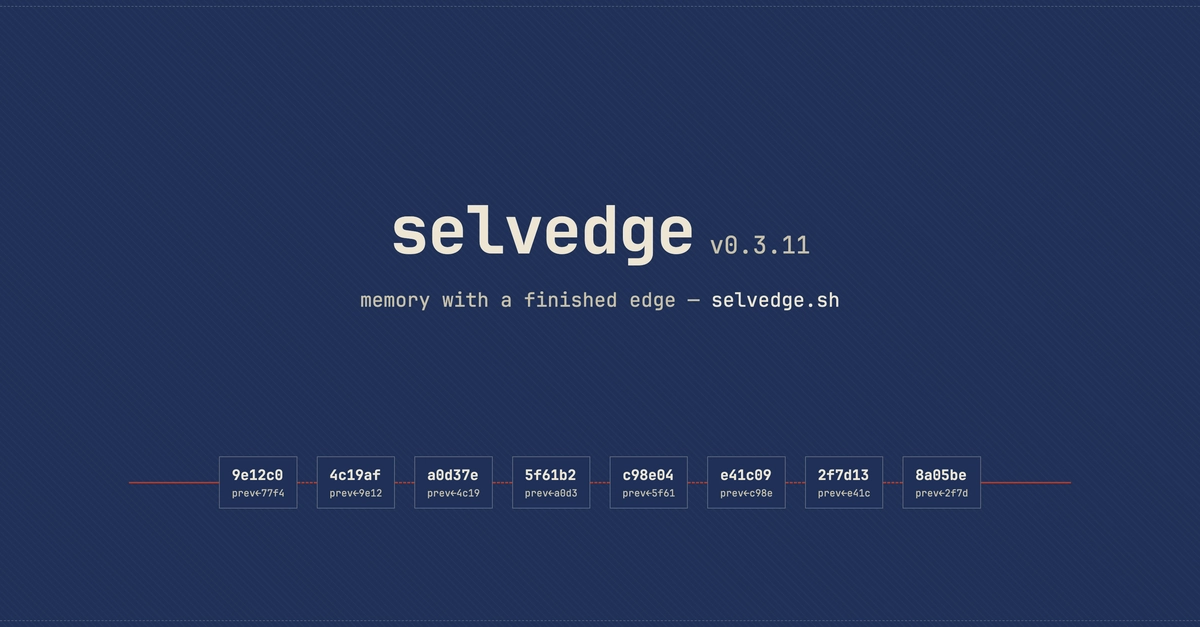
For the last few months I've been building the other order, not for one tool but for the whole path a change takes. A proposed change gets a canonical identity. Its inverse is constructed, checked, and stored before anything is applied. A gate rules on it and returns one of three verdicts. The outcome, refusals included, becomes a signed record that a third party can re-check offline with no trust in me.
There's a longer draft paper behind this. Preprint forthcoming, no DOI yet. This post is the part that fits in a coffee break.
What I'd have to be wrong about
Putting this first, because a claim that only becomes checkable after you already agree with it isn't checkable.